
Appetizers
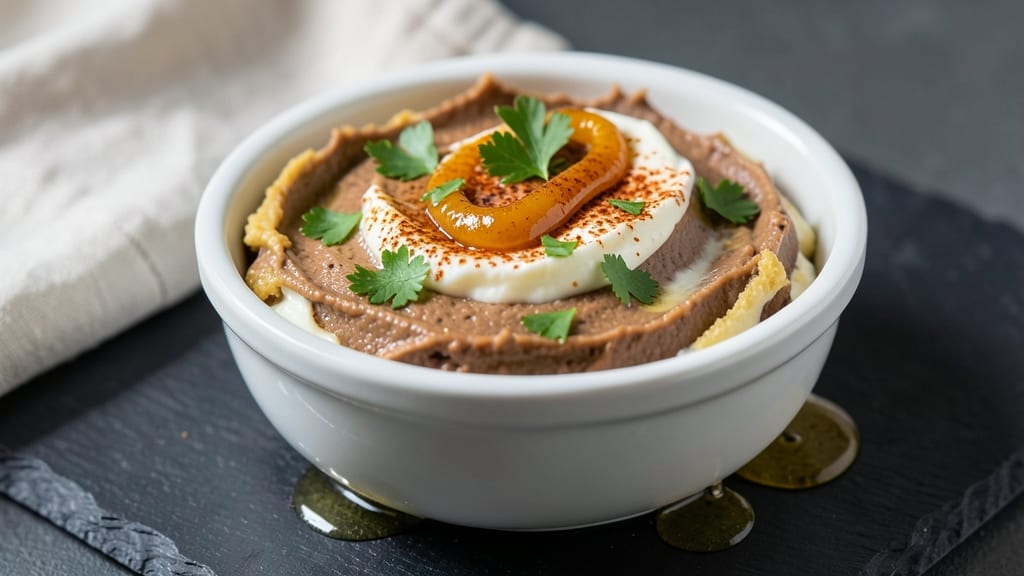
This chicken liver pâté with cream delivers restaurant-quality richness in just 20 minutes—a silky, velvety spread that transforms simple appetizers into something extraordinary. 💛 After years of perfecting the technique (and a few failed attempts that ended up in the compost), I’ve developed a method that balances traditional terrine texture with modern convenience, using just a few key ingredients.
The secret lies in rendering the chicken livers properly to remove bitterness, then blending them with heavy cream and butter until the mixture is impossibly smooth. A touch of Dijon mustard adds depth, while fresh herbs or smoked paprika elevate the flavor without overpowering.
This isn’t your grandmother’s pâté—it’s a foolproof, spreadable version that works as a dip, garnish, or elegant appetizer.
By the time you’re done, you’ll have a luxurious, velvety spread that’s rich enough to stand alone but versatile enough to pair with toasted baguette slices, crackers, or even as a topping for roasted vegetables.
The cream keeps it tender and luxurious, while the butter adds a velvety finish that’s hard to resist. It’s the kind of dish that makes guests ask for the recipe—and the kind that turns a simple gathering into something memorable.
Whether you’re hosting a dinner party or just craving something indulgent, this pâté delivers restaurant-quality results without the fuss. The best part? It’s ready in 20 minutes, making it perfect for last-minute entertaining or impressing unexpected guests. Let’s get started!
Ingredients for chicken liver pate recipe with cream
Eight essential ingredients transform humble chicken livers into velvety pâté with restaurant-quality richness.
| Ingredient | Amount | Notes |
|---|---|---|
| Chicken Livers 🍗 | 1 lb | Fresh, trimmed of connective tissue |
| Unsalted Butter 🧈 | ½ cup | Cold, cubed for rendering |
| Heavy Cream 🥛 | ½ cup | Full-fat for luxurious texture |
| Dijon Mustard 🍽️ | 1 tbsp | High-quality, smooth variety |
| Fresh Parsley 🌿 | ¼ cup | Finely chopped, stems removed |
| Smoked Paprika 🌶️ | ½ tsp | For subtle smokiness |
| Fresh Thyme Leaves 🌿 | ¼ tsp | Finely chopped, or dried substitute |
| Diamond Crystal Kosher Salt 🧂 | ½ tsp | Fine grain for even seasoning |
| Freshly Ground Black Pepper 🌶️ | ¼ tsp | Freshly cracked for optimal flavor |
| Baguette Slices 🍞 | 8 pieces | Toasted for serving |
| Extra-Virgin Olive Oil 🫒 | 1 tbsp | For garnish, high-quality |
The chicken livers require careful preparation to eliminate bitterness. Purchase fresh livers from a trusted butcher—they should be bright red and free of yellowing or bruising. Whole Foods Market or local specialty grocers typically carry the highest-quality cuts. Trim any connective tissue or blood vessels thoroughly; these impurities can ruin the delicate flavor. For optimal results, soak the livers in cold water for 10 minutes to remove residual blood, then pat completely dry before rendering. The butter used for rendering should be cold and cubed—this ensures even cooking and prevents the butter from turning to water.
No fresh thyme? Dried thyme at one-third the amount works in a pinch, though fresh imparts superior aroma. Substituting heavy cream with half-and-half reduces richness, but it’s acceptable for a lighter version. For smoked paprika, regular paprika plus a pinch of liquid smoke can mimic the depth, though purists may notice the difference. The Dijon mustard is non-negotiable—whole-grain varieties add texture, while smooth versions blend seamlessly. If you’re short on time, pre-chopped parsley from the refrigerated section is fine, but fresh always tastes better. For a vegetarian twist, mushroom pâté can be made using portobello mushrooms and the same technique.
This pâté keeps beautifully in an airtight container, covered with a thin layer of plastic wrap pressed directly onto the surface to prevent a skin from forming. It remains fresh in the refrigerator for up to 5 days, though the flavor continues to develop over time—many prefer it after 24 hours when the ingredients fully meld. For longer storage, portion into small ramekins or silicone molds and freeze for up to 3 months. Thaw overnight in the refrigerator before serving. The toasted baguette slices can be prepared ahead and reheated in a 200°F oven for 5 minutes to restore crispness.
Why You'll Love This Recipe
- No-Fuss Assembly: I swear, this comes together in one pan—no fancy gadgets, no stress. Just sear those livers in butter until they’re golden, then blend with cream and mustard while the kids watch cartoons. Honestly, the hardest part is waiting for it to cool enough to spread.
- Rich Without Trying: That first bite of creamy, buttery pâte with the bright kick of Dijon? It’s like someone handed me a little luxury on a spoon. The parsley ties it all together—fresh, herbaceous, and not overpowering. (Yes, even on a Tuesday night.)
- Party in a Jar: Slather it on crusty bread for a charcuterie board, dollop it onto toasted baguettes with cornichons, or serve it chilled in ramekins at your next dinner party. It’s fancy enough for guests but takes less than 30 minutes to make—no one will guess how effortless it was.
- Budget Luxury Leftovers: Chicken livers are cheap, and this recipe stretches them into something decadent. Make a double batch—it keeps for days in the fridge, and the flavor only gets better after sitting. I’ll be real: I’ve reheated mine straight from the fridge for breakfast toast, and no one’s complained.
Step-by-step instructions for chicken liver pâté with cream
Here's the method for a velvety, restaurant-quality pâté using only your ingredients.
👨🍳 Step 1: Prepare the Chicken Livers for Cooking
Begin by trimming any visible connective tissue or silver skin from the 1 lb chicken livers using a sharp knife. This step ensures a smooth texture in your final pâté. Rinse the livers under cold water and pat them completely dry with paper towels—any moisture will prevent proper browning later.
Cut the livers into ½-inch chunks for even cooking. Place them in a medium bowl and set aside. Here's the thing—don't skip the drying step. Wet livers will steam instead of sear, leading to a watery pâté rather than the luxurious spread you're aiming for.
🔥 Step 2: Render the Butter and Sear the Livers
Heat a large skillet over medium-high heat and add the ½ cup unsalted butter, cubed. Let it melt completely, then add the liver chunks in a single layer. Don't crowd the pan—work in batches if needed. Cook undisturbed for 3-4 minutes until the edges turn deep golden brown and the livers release easily from the pan.
Flip the livers and cook another 2-3 minutes until they reach an internal temperature of 145°F. The livers should be cooked through but still retain some moisture. Transfer them to a clean bowl and set aside. If the butter begins to brown too quickly, reduce heat to medium—burnt butter ruins everything.
🍳 Step 3: Build the Flavor Base
In the same skillet (no need to clean it—the browned bits are flavor gold), reduce heat to medium-low and add the 1 tbsp Dijon mustard, ½ tsp smoked paprika, ¼ tsp fresh thyme leaves, ½ tsp Diamond Crystal kosher salt, and ¼ tsp freshly ground black pepper. Stir constantly for 1 minute until the mustard melts and the spices bloom.
Pour in the ½ cup heavy cream and bring to a gentle simmer. Let it reduce by about half—this should take 2-3 minutes—until it thickens slightly but doesn't curdle. Here's where the magic happens: the cream should coat the back of a spoon but still flow smoothly when stirred. If it thickens too quickly, add 1-2 tablespoons water to adjust consistency.
🥘 Step 4: Blend to Silky Perfection
Using an immersion blender, carefully blend the cooked livers directly in the skillet with the cream mixture until completely smooth. For a truly velvety texture, strain the mixture through a fine-mesh sieve into a clean bowl to remove any remaining connective tissue or skin. This step eliminates any gritty texture that might ruin the luxurious mouthfeel.
Return the mixture to the skillet and stir in the ¼ cup finely chopped fresh parsley. Let it warm through for 1-2 minutes over low heat. The pâté should now have a glossy sheen and coat the spoon thickly. Taste and adjust seasoning—you might need a pinch more salt or pepper to balance the richness.
🍽️ Step 5: Serve with Toasted Baguette
Transfer the pâté to a serving bowl and let it cool slightly—it will thicken as it sits. Meanwhile, toast the 8 pieces baguette slices in a dry skillet over medium heat for 1-2 minutes per side until golden and crisp. Drizzle each slice with ½ teaspoon extra-virgin olive oil and serve immediately with the pâté.
For an elegant presentation, spoon the pâté onto the toasted baguette slices and garnish with an additional sprinkle of fresh parsley and a crack of black pepper. Serve with chilled white wine or sparkling water to complement the rich flavors. The pâté keeps well in the refrigerator for 3 days, making it perfect for ahead-of-time preparation.
Pro Tips For Making Chicken Liver Pate Recipe With Cream
- Sear Livers First: High heat. Seriously, crank it up to medium-high in a cold pan and let those livers develop a crust before adding butter. I learned this the hard way—skipping the sear makes the final pate taste flat and pasty. Two minutes per side max, or they’ll turn to leather.
- Soak Livers in Milk: Toss them in cold milk for 20 minutes before cooking—this removes that metallic taste and keeps the texture tender. Yes, even if you’re impatient like me, don’t skip this. The milk does the heavy lifting here.
- Simmer Cream Slow: Warm the heavy cream and butter together gently—just below a simmer—until the butter melts completely. After burning three batches, I finally figured out that rushing this step curdles the cream and ruins the whole dish.
- Strain the Pate: Press the cooked liver mixture through a fine-mesh sieve before folding in the cream. I was skeptical until I tried it—it makes the texture silky smooth, no matter how finely you chop by hand. (Your future self will thank you.)
Perfect pairings for chicken liver pate recipe with cream
Classic Pairings
This pâté shines with crusty baguette slices—toasted until golden and drizzled with extra-virgin olive oil. I always keep a French-style baguette from my local Trader Joe’s on hand for this, as its crisp texture contrasts beautifully with the silky pâté.
For a heartier option, pair with water crackers or rye toast—the nuttiness balances the richness. 🥖
Wine Pairings
A chilled Sauvignon Blanc from New Zealand or a crisp French Chablis cuts through the richness without overpowering. I’ve found that Kim Crawford Sauvignon Blanc ($15) delivers bright citrus notes that refresh your palate after each bite.
For red wine lovers, a light Pinot Noir with earthy undertones works surprisingly well. Sparkling wine like Prosecco also adds a festive touch to your spread.
Cheese Board Fusion
Turn your pâté into the star of a cheese board by pairing it with aged Gouda, brie, and sharp cheddar. The creaminess of the pâté complements the nutty Gouda while the brie adds a luxurious melt.
I like to arrange everything on a slate board with fig jam and honeycomb for balance. Add prosciutto for a salty contrast that elevates the whole spread.
Unexpected Twists
For a modern twist, serve the pâté on avocado toast—the creamy avocado pairs surprisingly well with the liver’s depth. I’ve also drizzled it over roasted sweet potatoes for a sweet-savory bite.
Another favorite? Stuffing mini phyllo cups with the pâté and baking until golden. These bite-sized appetizers disappear quickly at parties. 💡
Beverage Pairings
If wine isn’t your thing, try a ginger beer or sparkling lemonade—the effervescence cleanses the palate. For a non-alcoholic option, cucumber-mint iced tea adds a refreshing contrast. I’ve even paired it with dark beer like a stout for a bold flavor combination that surprises guests.
The key is balancing the pâté’s richness with something bright and crisp.
Global Variations
In French bistros, this pâté often accompanies charcuterie boards with cornichons and pickles. For an Italian twist, add sun-dried tomatoes and balsamic glaze to the toasted bread.
In Spanish tapas style, serve with marinated olives and almonds for crunch. Each variation keeps the pâté as the star while letting regional flavors shine. 🌍
Nutrition facts
Frequently asked questions
Why does my chicken liver pâté turn out grainy?
Graininess usually means you didn't strain the mixture enough. After blending, always pass the pâté through a fine-mesh sieve to remove any connective tissue or skin. For extra silkiness, chill the mixture for 30 minutes before serving—this helps the fat solidify slightly, creating a smoother texture.
Can I make this pâté ahead of time?
This pâté actually tastes better the next day as flavors meld. Store it in an airtight container with plastic wrap pressed directly on the surface to prevent a skin from forming. It keeps for 3-4 days in the fridge or 3 months in the freezer. Let it come to room temperature before serving for the best texture.
What's the best way to remove bitterness from chicken livers?
Soak the livers in cold water for 10 minutes before cooking to remove blood, then pat completely dry. Cook them over medium-high heat until deeply browned—this caramelizes natural sugars and reduces bitterness. Never overcook, as that turns them tough. The cream in this recipe also helps mask any lingering bitterness.
Can I substitute heavy cream with something lighter?
You can use half-and-half for a lighter version, but expect less richness. For a dairy-free option, try full-fat coconut cream (chilled overnight to thicken) or a blend of cashew cream and olive oil. The texture will be slightly different but still delicious. The pâté will be less velvety but still flavorful.
How do I fix curdled cream in my pâté?
If your cream separates, it's usually from overheating. To fix it, whisk in 1 tablespoon cold butter or 1 tablespoon heavy cream while stirring constantly over low heat until smooth. For prevention, never let the cream boil—keep it at a gentle simmer. If all else fails, strain out any lumps and blend again with fresh cream.