
Soups & Stews
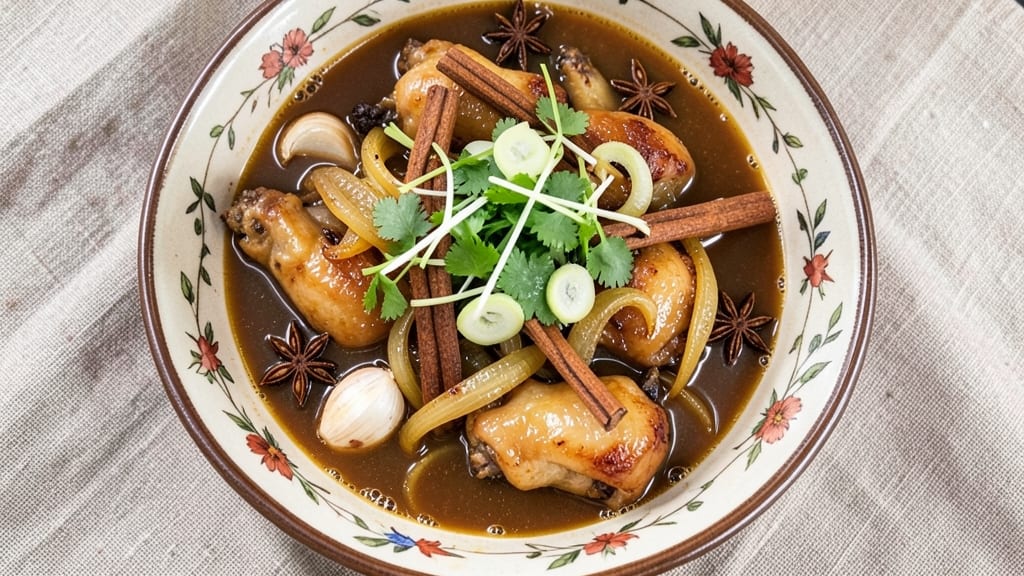
Transforming humble chicken feet into a silky, umami-rich stew reveals one of cooking's most rewarding secrets—where collagen dissolves into a velvety broth while the meat becomes tender enough to melt in your mouth.
This recipe bridges tradition and nutrition, delivering a dish that's both deeply satisfying and packed with joint-supporting benefits. The process starts with proper preparation, where cleaning and blanching the feet unlocks their full potential, turning what might seem unusual into something extraordinary.
What sets this stew apart is its balanced harmony of flavors—smoky from charred aromatics, savory from slow-simmered bones, and bright from vinegar or citrus that cuts through richness.
The key lies in patience: letting the stew develop over 2-3 hours at a gentle simmer until the broth achieves that signature silkiness while the chicken feet transform into tender, flavorful morsels. This isn't just a stew; it's a complete meal with every element working together.
By the time you serve this, you'll have a deeply aromatic, restaurant-quality broth that coats every spoonful, while the chicken feet offer a satisfying texture contrast. The dish pairs beautifully with steamed rice or crusty bread to soak up every last drop of that collagen-rich liquid.
Whether you're exploring traditional remedies or simply craving a hearty, nutrient-dense meal, this recipe delivers both comfort and substance.
The beauty of this stew lies in its versatility—adapt the seasonings to your taste (ginger, star anise, or chili peppers all work wonderfully) while maintaining the core technique. Leftovers keep well for days, making it perfect for meal prep or sharing with friends who appreciate bold flavors.
Here's how to create this umami masterpiece from start to finish.
Ingredients for chicken feet stew
Unlocking collagen magic starts with these 15 simple yet powerful ingredients.
| Ingredient | Amount | Notes |
|---|---|---|
| Chicken Feet 🦶 | 2 lb | Fresh or frozen, cleaned thoroughly |
| Yellow Onion 🧅 | 1 whole | Chopped into 1-inch pieces |
| Garlic Cloves 🧄 | 6 cloves | Crushed for deep flavor |
| Fresh Ginger 🌿 | ½ cup | Finely grated, peeled |
| Star Anise Pods 🌟 | 3 whole | Whole pods for infusion |
| Cinnamon Sticks 🌳 | 2 whole | For aromatic depth |
| Dried Bay Leaves 🍃 | 2 whole | Fresh if available |
| Chicken Broth 💧 | 4 cups | Homemade or quality store-bought |
| Apple Cider Vinegar 🍎 | ¼ cup | Brightens the broth |
| Soy Sauce 🍶 | ¼ cup | For umami depth |
| Sesame Oil 🫒 | 1 tbsp | Toasted for aroma |
| Salt 🧂 | 2 tsp | Diamond Crystal preferred |
| Black Peppercorns 🌶️ | 10 whole | Crushed for texture |
| Green Onions 🧅 | ¼ cup | Sliced for garnish |
| Steamed Jasmine Rice 🍚 | 2 cups | Cooked for serving |
The chicken feet are the star—look for plump, clean ones at Asian markets or specialty butchers. Costco often carries them frozen, which works perfectly. Fresh ginger and star anise are non-negotiable for that signature depth; Penzeys Spices has the best quality. If you can't find star anise, 1 tsp ground anise is a decent swap, though it lacks the same aromatic complexity. The soy sauce should be light or all-purpose—dark would overpower the delicate broth.
No fresh ginger? Powdered works at half the amount, but fresh is ideal for that bright, zesty kick. Running out of star anise? 1 cinnamon stick plus 1 tsp ground coriander mimics the earthy notes. The sesame oil is purely for aroma—skip it if you're sensitive to strong flavors, but I always toast mine in a dry pan for 30 seconds before adding to the broth. For vinegar, rice vinegar is a great alternative if apple cider isn't available, though it's slightly milder. The rice? Jasmine or basmati pairs best with the aromatic broth.
This stew tastes even better the next day—3-4 days in the fridge, covered tightly. Freezes beautifully for up to 3 months if you portion it into containers. I always make a double batch because it disappears fast. The broth reduces and intensifies in flavor overnight, so don't rush it. Garnish with green onions right before serving to keep them vibrant.
Why You'll Love This Recipe
- One-Pot Magic: I swear by this recipe because it’s literally one pot—no chopping boards or extra pans in sight. Just toss in the chicken feet (already cleaned, thank you), onions, garlic, ginger, and star anise, then let the broth do the work. The feet soften perfectly while the aromatics build depth—no stress, no mess.
- Umami Bomb: That crispy, gelatinous texture with the tender meat inside? It’s like a flavor explosion in every bite. The star anise and ginger add this warm, earthy backbone, while the garlic and onions caramelize into something ridiculously good. Honestly, it’s the kind of stew that makes you reach for seconds without thinking.
- Leftover Goldmine: This stew only gets better the next day—like a cozy hug for your taste buds. I make a big batch on Sundays, and by Wednesday, it’s still packed with flavor. Reheat it, add a splash of water, and boom—comfort food that’s still exciting. (Yes, even on a Tuesday night.)
- Budget Meal Maker: Chicken feet are cheap—like, “I can feed my whole family for less than $10” cheap. The star anise and ginger might sound fancy, but they’re affordable staples that stretch every ingredient. Plus, the broth is so rich, you’ll use it in everything from rice to dumplings for days. My wallet thanks me every time.
Step-by-step instructions for chicken feet stew recipe
Here's how to transform tough chicken feet into a velvety, collagen-rich masterpiece with bold Asian flavors.
Blanch and Parboil the Chicken Feet
Start by thoroughly cleaning the 2 lb chicken feet under cold water, scrubbing between the joints to remove any debris. In a large stockpot, combine the chicken feet with 8 cups of fresh water (double the broth amount) and bring to a boil over high heat. Once boiling vigorously, reduce heat to medium and simmer for 15 minutes to remove impurities and partially cook the feet.
Drain the feet and rinse them under cold water again. Return them to the same pot and add 4 cups of fresh cold water. Bring to a boil once more, then reduce heat to maintain a gentle simmer. You'll notice the water turns cloudy as collagen releases—this is exactly what we want. Simmer uncovered for 45 minutes, skimming off any foam that rises to the surface. This initial parboiling ensures tender feet and a clear broth foundation.
Build the Aromatic Base
In a separate large pot or Dutch oven, heat 1 tablespoon sesame oil over medium heat until shimmering. Add the chopped 1 whole yellow onion and cook for 5 minutes until softened and translucent. Add the crushed 6 cloves garlic and cook for another 30 seconds until fragrant—don't let it brown or it'll turn bitter.
Stir in the finely grated 0.5 cup fresh ginger, whole 3 star anise pods, 2 whole cinnamon sticks, and 2 whole dried bay leaves. Toast these aromatics for 1 minute until the spices release their oils and the kitchen fills with their warm, earthy scent. This aromatic base forms the flavor foundation of your stew, so don't rush this step.
Simmer the Stew to Perfection
Return the parboiled chicken feet to the pot with the aromatic base. Add the 4 cups chicken broth, 0.25 cup apple cider vinegar, and 0.25 cup soy sauce. Stir gently to combine, making sure all the feet are submerged. Bring to a gentle simmer over medium-low heat, then reduce to a bare simmer—you should see just a few small bubbles breaking the surface occasionally.
Cover the pot and simmer for 2 hours, checking occasionally to ensure there's still liquid covering the feet. After 2 hours, the feet should be fork-tender with the skin peeling back easily. If the broth reduces too much, add small amounts of hot water to maintain coverage. The longer it simmers, the more collagen will dissolve into the broth, creating that signature silky texture.
Finish and Serve
Once the feet are tender, carefully remove them from the broth using tongs and transfer to a serving platter. Strain the broth through a fine-mesh sieve into a clean pot, pressing gently on the solids to extract maximum flavor. Return the strained broth to the pot and bring to a gentle simmer over medium heat. Skim off any remaining foam that rises to the surface.
Taste the broth and adjust seasoning with additional salt if needed—remember the soy sauce already contributes significant saltiness. Ladle the hot broth over the steamed 2 cups jasmine rice, then arrange the chicken feet on top. Garnish with sliced 0.25 cup green onions and serve immediately with extra broth on the side for dipping. The contrast of tender meat, rich broth, and fragrant rice makes every bite unforgettable.
Pro Tips For Making Chicken Feet Stew
- Parboil First: Toss the chicken feet in boiling water for 10 minutes before stewing—this softens the tough skin and connective tissue so they don’t turn rubbery later. I learned this the hard way after serving a batch where the feet were chewy enough to test patience.
- Slice Ginger Thin: Use a mandoline or sharp knife to slice the ginger into paper-thin sheets—this way, it infuses the broth without turning the stew into a ginger slurry. My grandmother swore by this, and she was right: the flavor spreads evenly.
- Toast Star Anise: Dry-toast the star anise pods in a hot pan for 30 seconds before adding them to the stew—this deepens their aroma and prevents them from floating like forgotten spices. Sounds weird, but it works: the broth smells like a spice market.
- Simmer Low and Long: Keep the heat at a bare simmer (tiny bubbles, not rolling) for at least 2 hours—this breaks down collagen into gelatin, making the stew rich and the feet tender. I used to rush it, and the result was sad, underwhelming broth. Patience pays off.
Wine and beer pairings for this dish
Asian-Inspired Wine Pairings
This stew’s umami depth and aromatic spices make it a perfect match for dry Riesling from Germany or Fumé Blanc from California. The wine’s crisp acidity cuts through the richness while its mineral notes complement the star anise and ginger.
I reach for Dr. Loosen Blue Slate—its citrus and stone fruit echoes the vinegar brightness in the broth. 🍷
Japanese Sake Harmony
For a more traditional pairing, dry junmai sake (like Dassai 17) brings balance with its clean, slightly nutty profile. The sake’s subtle sweetness softens the soy sauce’s saltiness, while its earthy undertones mirror the stew’s ginger and cinnamon.
Serve it chilled to highlight its crispness against the warm stew. 🍶
Malty Beer Contrasts
A light amber ale (such as Sierra Nevada Pale Ale) works surprisingly well—the beer’s caramel malt contrasts the stew’s savory notes, while its hop bitterness cleanses the palate. For a bolder option, try a wheat beer like Allagash White—its citrusy coriander enhances the ginger’s zing. 🍺
Spiced Rum Finisher
If you prefer spirits, a dark rum (like Appleton Estate) with a splash of orange juice makes a bold digestif. The rum’s molasses notes amplify the stew’s caramelized depth, while the citrus brightens the palate. Serve warm for a cozy touch after the meal. 🔥
Non-Alcoholic Options
For a refreshing alternative, sparkling yuzu soda (like San Pellegrino Aranciata Rossa) mirrors the stew’s ginger and citrus without alcohol. The bubbles also help reset your palate between bites. Another great choice is hibiscus iced tea—its tartness balances the dish’s richness. ✨
Regional Adaptations
In Thailand, this stew pairs with Thai iced tea (sweet and creamy) to contrast the broth’s savory depth. In China, jasmine tea is traditional—its floral notes complement the star anise.
For a Korean twist, try soju (a clear liquor) with a side of kimchi to add tangy crunch. 🗺️
Nutrition facts
Frequently asked questions
Why do chicken feet need blanching before making stew?
Blanching removes impurities and surface debris that would otherwise cloud your broth. The 15-minute boil also begins breaking down collagen, while the second 45-minute simmer extracts maximum gelatin for that signature silky texture. Skipping this step can leave your broth murky and less flavorful.
Can I substitute chicken feet with other collagen-rich ingredients?
While nothing replaces the unique texture of chicken feet, you can add chicken wings or necks for extra collagen. For a vegetarian version, use mushrooms or kombu seaweed (soaked first) to mimic umami depth. Just note the broth won't have the same velvety mouthfeel.
How do I know when the chicken feet are fully tender?
After 2 hours of simmering, the feet should be fork-tender with skin peeling back easily. Press gently—they should yield like soft tofu. If they still feel rubbery, add 30 more minutes of simmering. Overcooking can make them mushy, so aim for just-tender perfection.
What if my broth turns cloudy instead of clear?
Cloudiness usually means impurities weren't fully removed during blanching. Strain the broth through a cheesecloth-lined sieve for extra clarity. For future batches, extend the initial 15-minute boil to 20 minutes and skim foam more aggressively. A slightly cloudy broth won't ruin the flavor!
Can I make this stew in a slow cooker?
After blanching, transfer everything to your slow cooker and cook on low for 6-8 hours or high for 4-5 hours. The low-and-slow method enhances collagen extraction even more. Just check liquid levels occasionally—add water if needed to keep feet submerged.