
Main Courses
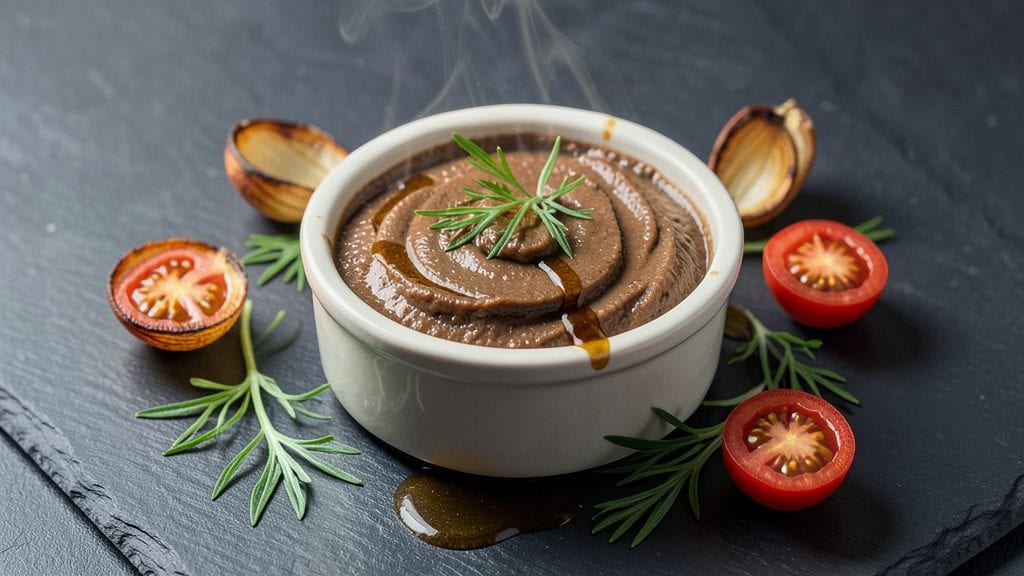
Gordon Ramsay’s chicken liver pâté delivers restaurant-quality richness with a velvety texture and bold herbal notes—perfect for special occasions or gourmet gatherings. The key lies in rendering the fat properly and layering flavors precisely, a technique I’ve refined after years of perfecting this classic French dish.
This isn’t just pâté; it’s a showstopper that transforms simple ingredients into something extraordinary.
The process begins with cooking the livers gently to preserve their natural richness, then rendering the fat for a silky base. Herbs like thyme and tarragon add depth, while a touch of brandy or cognac elevates the flavor profile.
What sets this apart is the balance—creamy yet refined, with a texture so smooth it melts in your mouth. Ramsay’s approach ensures no bitterness remains, only pure, luxurious indulgence.
Once baked to perfection, the pâté emerges with a golden crust and a center that’s impossibly tender. Serving it in a terrine or croûte adds an elegant touch, but even a simple chilled dish on toasted bread makes an impression.
Every bite carries layers of savory, herbal, and slightly sweet notes, proving that homemade pâté can rival the finest restaurant versions.
Safety and presentation matter just as much as taste—proper chilling times prevent spoilage, while garnishes like fresh herbs or flaky salt elevate the dish further. This recipe isn’t just about technique; it’s about creating a moment.
Whether you’re hosting a dinner party or treating yourself, this pâté will leave everyone asking for seconds.
Ingredients for chicken liver pate recipe gordon ramsay
Rich, velvety, and packed with herbal depth—these ingredients transform humble livers into Ramsay’s signature pâté.
| Ingredient | Amount | Notes |
|---|---|---|
| Chicken Livers 🍗 | 1 lb | Fresh, trimmed of connective tissue |
| Unsalted Butter 🧈 | ½ cup | Cold, cut into cubes |
| Shallots 🧅 | 4 whole | Finely minced, about 0.25 cup |
| Fresh Thyme Leaves 🌿 | 1 tbsp | Stems removed, chopped |
| Fresh Tarragon Leaves 🌿 | 1 tbsp | Chopped, stems removed |
| Brandy 🍷 | 2 tbsp | Or cognac for depth |
| Heavy Cream 🥛 | ½ cup | Full-fat for creaminess |
| Diamond Crystal Kosher Salt 🧂 | ½ tsp | Adjust to taste |
| Freshly Ground Black Pepper 🌶️ | ¼ tsp | Freshly cracked |
| Flaky Sea Salt 🧂 | 1 tbsp | For garnish, like Maldon |
| Puff Pastry 🥧 | 1 sheet | Store-bought or homemade |
| Egg Wash 🥚 | 1 whole | 1 egg beaten with 1 tsp water |
The livers are the star, so quality matters most. Look for bright red, plump livers at Whole Foods or your butcher—they should feel firm and smell fresh, not metallic. Trim away any connective tissue or dark spots immediately, as they can impart bitterness. For the butter, European-style (like Plugrá) has higher fat content, which is ideal for rendering. If using frozen livers, thaw them in cold water for 20 minutes before prepping. The shallots should be sweet and firm, not sprouting or soft. Fresh tarragon and thyme from the grocery store’s herb section work, but organic farmers market herbs have more vibrant flavor. Brandy or cognac adds depth—Hennessy VS or Remy Martin are reliable choices, but even a good grocery store brandy works in a pinch.
No brandy? Dry sherry or apple cider adds complexity without overpowering. Substituting heavy cream with half-and-half works, but the texture won’t be as rich. If you’re avoiding dairy, coconut cream mimics the fat content, though the flavor will differ slightly. For the puff pastry, store-bought sheets (like Pillsbury) are convenient, but homemade layers better. If you can’t find fresh tarragon, dried at half the amount is a decent swap, though it lacks the bright, anise-like note. The flaky sea salt is non-negotiable for garnish—Maldon or Jacobsen dissolve beautifully on the tongue. For a vegetarian version, mushroom duxelles can replace livers, but the texture will vary.
Pâté keeps best when fully chilled—4-5 days in the fridge covered tightly with plastic wrap pressed directly on the surface. For longer storage, portion into ramekins or small jars and freeze for up to 3 months. Thaw overnight in the fridge before serving. The puff pastry croûte can be prepped ahead and baked fresh when ready. If making a large batch, divide into portions before baking to prevent cracking. Garnish with fresh herbs or flaky salt just before serving—this adds a professional touch. Leftovers reheat beautifully in a water bath at 350°F for 10-15 minutes, though Ramsay-style pâté is best enjoyed cold.
Why You'll Love This Recipe
- No Fuss, Big Payoff: The chicken livers take just 10 minutes to sear—no fancy prep, no waiting. You’ll be left with a rich, velvety spread that tastes like you spent hours in the kitchen (but didn’t).
- Herb-Packed Umami Bomb: That combo of tarragon and thyme? It’s what turns this into something special. The shallots add sweetness, while the butter keeps it luxurious—every bite feels like a little flavor victory.
- Party Starter, No Stress: Slap it on crusty bread, serve with crackers, or dollop it on toasted baguette slices. It’s the kind of dish that makes you look fancy without actually planning ahead—perfect for last-minute gatherings or impressing guests.
- Budget Luxury Leftovers: A pound of chicken livers costs less than steak, but the flavor? Pure indulgence. Make a double batch, store it in the fridge, and enjoy it for days—no waste, all flavor. Honestly, it’s my go-to for turning cheap cuts into something restaurant-worthy.
Step-by-step instructions for chicken liver pate with herbal puff pastry
This method delivers a velvety-smooth liver pate with perfect balance between rich flavors and delicate texture.
Prepare and Cook the Chicken Livers
Begin by trimming any connective tissue from the 1 lb chicken livers and pat them completely dry with paper towels. This step is crucial—moisture will prevent proper browning and create a watery pate. Cut the livers into ½-inch pieces for even cooking.
Heat 2 tablespoons of the 0.5 cup unsalted butter in a large skillet over medium-high heat until the butter foams. Add the liver pieces in a single layer and cook undisturbed for 2-3 minutes until they develop a deep golden crust. This crust will become the flavor base for your pate. Flip the livers and cook for another 2 minutes, then transfer them to a plate and set aside.
Sauté the Shallots and Herbs
In the same skillet (no need to clean it—the browned bits add flavor), reduce heat to medium and add the remaining 3 tablespoons of the 0.5 cup unsalted butter. Add the 4 whole shallots that have been finely minced and cook for 5-6 minutes until they become translucent and sweet-smelling. This should yield about 0.25 cup of minced shallots.
Add the 1 tablespoon fresh thyme leaves and 1 tablespoon fresh tarragon leaves, stirring for 30 seconds until fragrant. The herbs should release their aromatic oils into the butter. Immediately pour in the 2 tablespoons brandy and let it simmer for 1 minute to cook off the alcohol completely. You'll notice the mixture reduce slightly and develop a rich, caramelized aroma.
Create the Pate Base
Return the cooked chicken livers to the skillet and stir to combine with the shallot mixture. Add the 0.5 cup heavy cream and reduce heat to low. Let the mixture simmer gently for 5 minutes, stirring occasionally, until the livers break down into a thick, creamy paste. This is where the magic happens—the livers should disintegrate completely, creating a velvety texture.
Season with the 0.5 teaspoon diamond crystal kosher salt and 0.25 teaspoon freshly ground black pepper. Taste and adjust seasoning if needed—you want a balance of rich liver flavor with bright herbal notes. Remove from heat and let cool slightly for 5 minutes before proceeding.
Assemble and Bake the Puff Pastry
Preheat your oven to 375°F. Roll out the 1 sheet puff pastry on a lightly floured surface to about ¼-inch thickness. Cut a 10-inch circle using a round cutter or plate, then transfer to a parchment-lined baking sheet. Prick the pastry all over with a fork to prevent puffing during baking.
Spread the cooled liver mixture evenly over the pastry circle, leaving a ½-inch border around the edges. Brush the edges with the 1 whole egg wash, then fold the pastry border up and over the filling to create a sealed crust. Brush the top with more egg wash and sprinkle with the 1 tablespoon flaky sea salt for a finishing touch.
Bake to Golden Perfection
Bake for 25-30 minutes until the puff pastry is golden brown and crisp. The filling should be gently heated through but not set completely—it should remain silky when served. Let cool for 10 minutes before slicing into wedges.
Serve warm with crusty bread or crackers. The contrast between the crispy pastry and smooth pate creates a perfect textural experience. For extra elegance, garnish with additional flaky sea salt and a sprinkle of fresh tarragon leaves.
Pro Tips For Making Chicken Liver Pate Recipe Gordon Ramsay
- Sear Livers High: Get that pan screaming hot—no, actually screaming—before adding the livers. I used to rush this, and they’d steam instead of brown, turning out pale and gamey. A minute on high heat seals in flavor and texture, so don’t skimp.
- Trim Fat Like a Chef: Chicken livers hide tiny fat caps—snip those off with kitchen shears before cooking. Left them in? You’ll end up with grease splattering everywhere and a pate that’s greasier than it should be. (Yes, even if you’re impatient like me.)
- Sweat Shallots Slow: Low heat only, until they’re translucent and just starting to turn golden—no rushing. Burned shallots taste bitter, and you’ll spend the next 10 minutes masking the flavor with extra herbs. Patience here makes the difference.
- Blend Butter Last: Mix in the cold butter at the very end, right when the pate is just off the heat. Warm butter melts too fast, making the texture greasy. Fold it in like you’re cutting cold butter into pastry—just until combined. (Your future self will thank you.)
Regional styles of these flavors
French Classic Terrine
In France, pâté is traditionally served in a terrine—a rectangular mold that creates a clean, elegant presentation. The classic version uses a cloche (glass cover) to keep the pâté moist during chilling. I recommend using a 6x4-inch loaf pan lined with plastic wrap for easy removal.
Pack the liver mixture tightly into the pan, then cover with a second sheet of plastic wrap pressed directly onto the surface. This method creates a firm, sliceable texture perfect for charcuterie boards. 🥖
British Puff Pastry Croûte
The British version often features a puff pastry croûte, which is what Ramsay popularized. This approach adds a buttery, flaky crust that contrasts beautifully with the smooth pâté.
The key is to roll the pastry thinly and score the top in a diamond pattern before baking for a decorative finish. I like using All-Butter Puff Pastry from Pillsbury for extra richness. Serve this version warm for the best texture and flavor.
German Liverwurst Style
In Germany, liver pâté is often spreadable and served with dark rye bread or pretzels. The texture is coarser than French versions, with visible liver pieces and a slightly grainy consistency. To achieve this, blend the cooked livers with a hand mixer for just 30 seconds—not until completely smooth.
Add a splash of beer (like a German Pilsner) to the mixture for depth, and serve chilled in small ramekins with a sprinkle of caraway seeds for garnish.
American Southern Twist
Southern cooks often add a touch of smoked paprika and a dash of hot sauce to their liver pâté, creating a spicy-sweet contrast. I recommend using Cajun-style smoked paprika and a pinch of Crystal hot sauce for authentic flavor.
This version pairs perfectly with cornbread or crusty sourdough, making it a crowd-pleaser for backyard barbecues. Serve slightly warmed to enhance the smoky notes.
Spanish Chorizo-Inspired
For a bold Spanish-inspired twist, fold 2 oz finely chopped Spanish chorizo into the liver mixture before baking. The chorizo adds a deep, smoky richness that balances the herbal notes.
Garnish with thinly sliced serrano ham and a drizzle of olive oil for an authentic tapas-style presentation. This version is best served at room temperature for maximum flavor impact. 🌶️
Modern Fusion with Truffle
Elevate your pâté with a touch of luxury by incorporating 1 tbsp truffle oil into the liver mixture. The truffle adds an earthy, aromatic depth that complements the herbal flavors. For an extra-special touch, top with shaved black truffle and a sprinkle of edible gold leaf before serving.
This fusion version is perfect for impressing guests at dinner parties and pairs beautifully with truffle-infused white wine.
Nutrition facts
Frequently asked questions
Can I substitute duck or pork livers for chicken livers?
Chicken livers are ideal for this recipe due to their mild flavor, but you can use duck or pork livers if preferred. Duck livers are richer and slightly sweeter, while pork livers are leaner. Adjust cooking time—duck livers need 1-2 minutes less per side, while pork livers may require 30 seconds more. The texture will be slightly denser with duck or pork, but the technique remains the same.
Why does my pâté turn out grainy instead of silky smooth?
A grainy texture usually means the livers weren't cooked long enough to break down completely. Ensure you simmer the mixture for the full 5 minutes on low heat, stirring occasionally. Overcooking can also cause bitterness, so remove from heat just as the livers begin to disintegrate. For extra smoothness, blend the mixture briefly with an immersion blender after cooling.
How do I store and reheat leftovers safely?
Wrap the pâté tightly in plastic wrap and refrigerate for up to 4-5 days or freeze for 3 months. To reheat, place in a water bath at 350°F for 10-15 minutes until warmed through. Never reheat in the microwave—it disrupts the texture. For best quality, serve chilled or at room temperature. Always check for spoilage (off smells or sliminess) before reheating.
What’s the difference between a terrine and a croûte?
A terrine is a rectangular mold (like a loaf pan) that creates a firm, sliceable pâté with a clean presentation, often topped with a cloche. A croûte (like Ramsay’s version) uses puff pastry wrapped around the filling, creating a flaky, buttery crust. Terrines are traditional French, while croûtes are more British-inspired. Both methods preserve moisture—terrines rely on plastic wrap, while croûtes use pastry as a seal.
Can I make this pâté ahead of time for a dinner party?
Assemble the pâté in its mold or croûte up to 24 hours ahead and refrigerate uncovered. Bake it just before serving—this ensures the pastry stays crisp and the filling remains silky. For terrines, chill fully before slicing. Garnish with fresh herbs or flaky salt right before serving to keep everything looking fresh. This is a great time-saver for hosting!