Appetizers
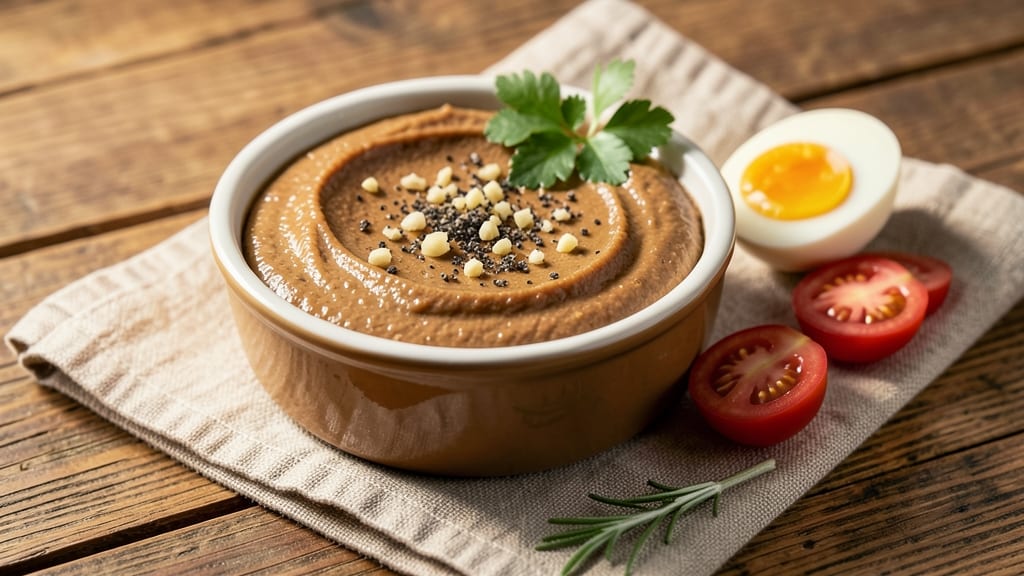
Creating a chicken liver pâté without alcohol delivers that luxurious, velvety texture and rich flavor that makes it perfect for elegant gatherings. I developed this recipe after realizing many traditional versions relied on alcohol, which isn't always practical or necessary for achieving that signature smoothness.
The secret lies in balancing the natural richness of chicken livers with aromatic herbs and a touch of acidity to brighten the spread.
This recipe transforms simple ingredients into a silky, herb-infused spread that's just as impressive as any store-bought version. The process involves rendering the liver fat carefully, blending the mixture until perfectly smooth, and chilling it to achieve that ideal consistency.
It's a method that requires precision but rewards you with a dish that feels like a restaurant-quality appetizer.
Once complete, you'll have a pâté that's rich and velvety, with a delicate balance of savory and herbal notes. It's ideal for serving with toasted baguette slices, crackers, or fresh vegetables. The best part? This recipe delivers professional results without requiring any special equipment or techniques beyond basic kitchen skills.
Whether you're preparing for a dinner party or simply want to elevate your appetizer game, this chicken liver pâté is a game-changer. Let's get started on creating a spread that will impress everyone at the table.
Ingredients for chicken liver pate recipe without alcohol
Simple yet luxurious ingredients create a restaurant-quality pâté without alcohol's need.
| Ingredient | Amount | Notes |
|---|---|---|
| Chicken Livers 🍗 | 1 ½ lb | Fresh, trimmed of connective tissue |
| Unsalted Butter 🧈 | ½ cup | Cold, cut into small cubes |
| Shallots 🧅 | 4 whole | Peeled, finely minced |
| Fresh Parsley 🌿 | ¼ cup | Stems removed, finely chopped |
| Fresh Tarragon 🌿 | 2 tbsp | Finely chopped, stems removed |
| Fresh Thyme 🌿 | 1 tbsp | Leaves only, finely chopped |
| Garlic Cloves 🧄 | 3 cloves | Peeled, finely minced |
| Fresh Lemon Juice 🍋 | 2 tbsp | Strained, no pulp |
| Diamond Crystal Kosher Salt 🧂 | ½ tsp | Fine grain, adjust to taste |
| Freshly Ground Black Pepper 🌶️ | ¼ tsp | Coarsely ground |
| Heavy Cream 🥛 | ¼ cup | Cold, for blending |
| Extra-Virgin Olive Oil 🫒 | 1 tbsp | For finishing, high quality |
The chicken livers are the foundation—freshness is critical. Source them from a trusted butcher or high-end grocery like Whole Foods or Eataly, where they're typically sold pre-trimmed. Look for vibrant, deep red livers with minimal connective tissue. If you must buy whole, trim away any silverskin or membranes yourself. The butter should be cold and unsalted—European-style brands like Plugrá or Kerrygold work exceptionally well. Shallots and garlic should be freshly minced using a microplane or fine grater for maximum flavor extraction, while the herbs must be finely chopped to achieve that signature silky texture. For tarragon, which can be pricey, substitute with equal parts fresh marjoram if necessary, though the flavor will differ slightly.
No fresh tarragon? Dried tarragon at one-third the amount works in a pinch, though it lacks the same brightness. Substituting shallots with green onions (white and green parts only) provides a milder onion flavor. For the acidity component, white wine vinegar can replace lemon juice at a 1:1 ratio, though the flavor profile will shift subtly. The heavy cream is essential for achieving that velvety consistency—half-and-half works but may yield a slightly lighter texture. If you're concerned about dairy, coconut cream can be used as a substitute, though the flavor will differ noticeably. The olive oil should be high-quality extra-virgin, as it adds both flavor and a luxurious finish to the pâté. For storage, ensure all ingredients are properly refrigerated until use, particularly the herbs and livers.
This pâté requires precise chilling to achieve its ideal texture. After blending, transfer the mixture to a shallow dish and refrigerate uncovered for at least 2 hours, then cover and chill for an additional 4-6 hours to set properly. It will keep in the refrigerator for up to 5 days when stored in an airtight container with a thin layer of plastic wrap pressed directly onto the surface to prevent a skin from forming. For longer storage, portion into ramekins or small jars and freeze for up to 3 months. Thaw overnight in the refrigerator before serving. The pâté is best served slightly chilled, allowing it to soften just enough to spread easily while maintaining its structure.
Why You'll Love This Recipe
- No-Fuss Ingredients: I swear by this recipe because it’s that simple—just livers, butter, shallots, and herbs. No fancy gadgets, no hidden pantry staples. Honestly, I’ve made it with whatever herbs I had on hand (even just parsley), and it still tastes like a fancy bistro spread.
- Rich Without the Booze: The butter and tarragon do all the heavy lifting here. Between us, the alcohol-free version is more concentrated—no dilution, just pure livery richness with that bright tarragon kick. That crispy edge when you sear the livers? Chef’s kiss.
- Party in a Jar: This is my go-to for holidays, game days, or just because. Slather it on crusty bread, dollop it on crackers, or surprise someone with a fancy charcuterie board. (Yes, even on a Tuesday night.) It keeps beautifully in the fridge too—no sad, soggy leftovers here.
- Budget Luxe: Chicken livers are the unsung hero of affordable ingredients. A pound stretches into multiple servings, and the butter and herbs cost pennies. I’ll be real: it’s the kind of dish that makes me feel fancy without breaking the bank. Plus, it’s way cheaper than store-bought pâté.
Step-by-step instructions for chicken liver pâté without alcohol
Mastering this pâté requires precision—each step builds the velvety texture and herbaceous depth.
Prepare and Sear the Chicken Livers
Trim any connective tissue from the 1.5 lb chicken livers and pat them completely dry with paper towels. This step is crucial—moisture will steam instead of sear, resulting in a watery pâté. Cut the livers into ¼-inch thick slices for even cooking.
Heat a large skillet over medium-high heat and add 1 tablespoon extra-virgin olive oil. Once shimmering, add the liver slices in a single layer, leaving space between each piece. Sear for 2-3 minutes per side until the edges turn deep golden brown and the centers reach 145°F internally. Remove and set aside—these will form the pâté's rich foundation.
Real talk: Don't overcrowd the pan. If you must cook in batches, keep the cooked livers warm in a 200°F oven until all are seared. Overlapping livers will steam rather than develop that desirable crust.
Sauté the Aromatics and Build the Base
In the same skillet (no need to clean it—those browned bits are flavor), add 0.5 cup cold unsalted butter cut into small cubes. Melt over medium heat until the butter foams, then reduce to medium-low. Add the 4 whole peeled, finely minced shallots and cook for 5-6 minutes until translucent and caramelized.
Stir in the 3 cloves peeled, finely minced garlic cloves and cook for 30 seconds until fragrant—this prevents them from burning. Add the 2 tbsp fresh tarragon, 1 tbsp fresh thyme, and 0.5 tsp diamond crystal kosher salt, stirring for 1 minute to toast the herbs slightly. This infusion creates the pâté's signature herbal brightness.
Here's the thing—if your shallots start to brown too quickly, reduce the heat immediately. You want them soft and sweet, not bitter. The butter should coat the back of a spoon but not be fully melted yet—this ensures proper emulsification later.
Blend and Emulsify the Pâté
Transfer the seared livers to a food processor fitted with the metal blade. Add the shallot-butter mixture, 0.25 cup cold heavy cream, and 2 tbsp fresh lemon juice. Pulse 3-4 times until the mixture resembles coarse crumbs. Scrape down the sides with a spatula—this ensures even blending.
With the processor running, slowly drizzle in 0.25 cup finely chopped fresh parsley through the feed tube. This gradual addition prevents the pâté from breaking. Process until completely smooth, stopping to scrape the bowl as needed. The texture should be silky but still hold shape when piped—this indicates proper emulsification.
I know it seems weird, but trust me: the pâté will thicken as it chills. If it's too stiff now, add 1 teaspoon cold water at a time until it reaches a spreadable consistency. The goal is a velvety, pipeable texture that holds together without being gluey.
Finish and Chill for Perfection
Transfer the pâté to a mixing bowl and fold in the 0.25 tsp freshly ground black pepper using a silicone spatula. Taste and adjust seasoning—you may need an additional pinch of salt or lemon juice to balance the richness. The pâté should be vibrant, herby, and slightly tangy with a clean finish.
Press the pâté into a 4-inch round mold or ramekin lined with plastic wrap. Smooth the top with the back of a spoon and refrigerate for at least 4 hours, or until completely firm. This chilling step is non-negotiable—it allows the flavors to meld and the texture to set properly. For best results, chill overnight.
When ready to serve, invert the pâté onto a plate and peel away the plastic wrap. The surface should hold its shape when gently pressed with a finger. If it's too soft, return it to the refrigerator for another 30 minutes. This pâté keeps for up to 5 days refrigerated, making it perfect for entertaining.
Pro Tips For Making Chicken Liver Pate Recipe Without Alcohol
- Trim the Gall Bladders: Chicken livers come with tiny green gall bladders—leave them in and you’ll get bitter pâte. Pinch the end of each liver, give it a gentle squeeze, and the bladder will pop out like a little green bead. Do this first thing, before you even think about cooking.
- Sear in Batches: Crowd the pan and the livers steam instead of sear. Work in two batches max—high heat, 2-3 minutes per side—until the outside is deep brown and the edges curl slightly. That’s your cue they’re done, not raw inside.
- Sweat Shallots Slow: Shallots release moisture like crazy. Cook them over medium-low, stirring occasionally, until they’re translucent and just starting to soften—about 5-6 minutes. If you rush this, they’ll turn to mush and make your pâte watery.
- Blend with Butter First: Dump cold cooked livers and butter into the food processor, pulse until smooth, then add shallots and herbs. The butter coats everything immediately, preventing a dry, grainy texture. No need to pre-chop the herbs—just toss them in whole.
Flavor customization for this dish
Herb Variations
Swap out the tarragon for fresh dill and chives to create a bright, Scandinavian-inspired pâté. Use 1 tbsp each of finely chopped dill and chives instead of tarragon, and add 1 tsp grated lemon zest for extra zing.
This version pairs beautifully with crusty rye bread and pickled cucumbers for a refreshing contrast. 🌿
For a Mediterranean twist, replace tarragon with fresh rosemary and oregano—use 1 tbsp each of finely chopped rosemary and oregano. Add ½ tsp ground coriander and a pinch of smoked paprika for depth. This version works wonderfully with grilled vegetables or warm pita bread.
Spice Levels
Add ½ tsp cayenne pepper or 1 tsp hot sauce (like Cholula) for a spicy kick. I like to blend it in during the final mixing stage so the heat is evenly distributed. Serve with cooling accompaniments like sour cream or crème fraîche to balance the burn. 🌶️
For a smoky depth, add ½ tsp liquid smoke (like Colt's) or ½ tsp smoked salt (like Morton Kosher Smoked) when blending. This works especially well with charred bread or grilled corn on the cob. The smokiness complements the pâté’s richness beautifully.
Dairy-Free Adaptations
Replace the heavy cream with ½ cup coconut cream (chilled overnight) and 2 tbsp olive oil for a dairy-free version. The texture will be slightly lighter but still velvety.
Add 1 tsp apple cider vinegar to brighten the flavors and mimic the acidity of lemon juice. This version pairs well with gluten-free crackers or vegetable sticks.
For a nut-based alternative, blend in 2 tbsp tahini along with the heavy cream. The tahini adds a subtle earthiness that complements the liver’s richness.
Adjust the lemon juice to 3 tbsp to balance the tahini’s nuttiness. This version is perfect for hummus lovers who want a similar creamy texture. 💫
Sweet Contrasts
Add 1 tbsp honey or maple syrup during the blending stage for a sweet-savory balance. This works surprisingly well with fig jam or chopped dried apricots as a garnish. The sweetness cuts through the pâté’s richness, making it a crowd-pleaser for both savory and sweet tooth guests.
For a fruit-infused twist, fold in 2 tbsp finely chopped marionberry jam (or any seedless jam) after blending. This adds a burst of fruity acidity that brightens the pâté. Serve with toasted brioche for a luxurious touch that feels like a gourmet appetizer. 🍓
Nutrition facts
Frequently asked questions
Why does this recipe work without alcohol?
The richness of chicken livers and butter creates natural depth, while fresh herbs and lemon juice provide brightness. Heavy cream adds velvety texture—no alcohol needed! The acidity from lemon balances the fat perfectly, just like traditional recipes but with simpler ingredients.
Can I use beef livers instead of chicken?
Yes, but adjust the cooking time—beef livers need 4-5 minutes per side to reach 145°F internally. Use the same herb ratios, but reduce salt slightly since beef livers are saltier. The texture will be slightly denser, so add 1 extra tablespoon heavy cream if needed.
What if my pâté is too greasy after blending?
This happens when too much liver fat isn't rendered. Cool the mixture completely, then spoon off excess fat from the surface. For a smoother texture, blend in 1 tablespoon cold water at a time until it reaches a pipeable consistency. Chill longer (6+ hours) to help firm it up.
How do I make this ahead for a party?
Prepare the pâté up to 2 days ahead—it tastes better after flavors meld! Store in an airtight container with plastic wrap pressed directly on the surface. For serving, let it sit at room temperature for 30 minutes before slicing. Garnish with fresh herbs just before serving to keep colors vibrant.
What's the best way to serve this pâté?
Slice into ½-inch thick rounds and arrange on a platter with toothpicks. Pair with toasted baguette slices, water crackers, or endive leaves. For extra flair, drizzle with high-quality olive oil and sprinkle with flaky sea salt right before serving.