
Soups & Stews
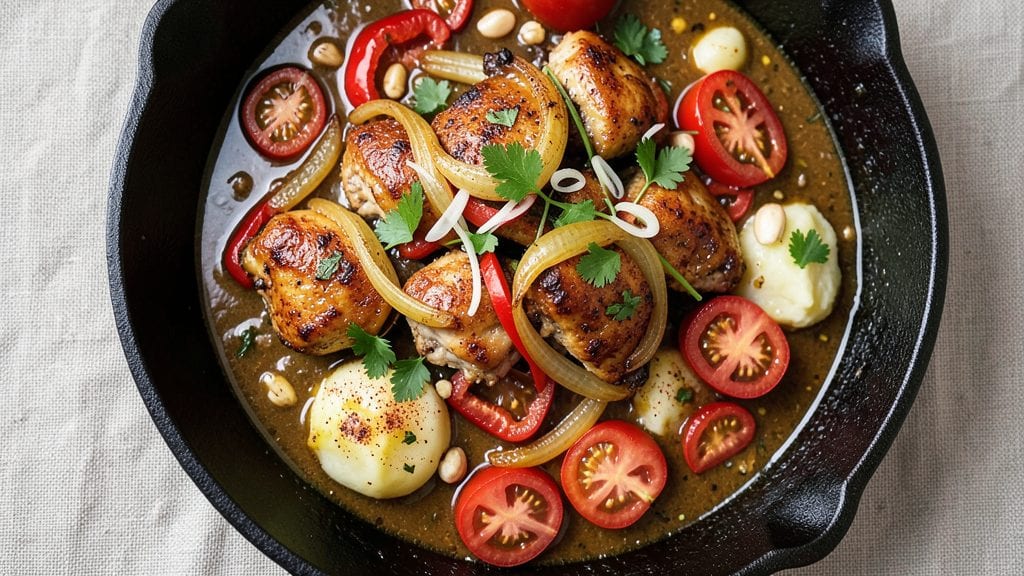
This chicken gizzard stew recipe transforms humble organ meat into a deeply flavorful, hearty dish that honors tradition while delivering restaurant-quality results. The secret lies in slow simmering—where tough gizzards melt into tender, juicy morsels infused with aromatic spices and rich broth.
I first discovered this technique while researching West African cooking methods, where organ meats are celebrated for their depth of flavor and nutritional value.
The process begins with thorough preparation—cleaning and parboiling the gizzards to remove impurities before building layers of flavor through sautéing onions, garlic, and peppers. A blend of smoked paprika, thyme, and bay leaves creates that signature smoky warmth, while tomatoes and a splash of vinegar brighten the stew.
What you’ll end up with is a stew so rich and satisfying, it becomes the centerpiece of any meal.
This recipe delivers on three promises: tender gizzards, deeply aromatic broth, and versatility—it works equally well as a standalone dish or paired with crusty bread, rice, or roasted vegetables.
The slow cooking process (about 2 hours) ensures every bite is packed with flavor, making it perfect for cold evenings or gatherings where hearty comfort food is in demand.
For those new to organ meats, don’t let hesitation hold you back—this method transforms gizzards into something unforgettable. The key is patience; the reward is a stew that tastes like home, no matter where you are. Let’s get started on creating this tradition-worthy dish.
Ingredients for chicken gizzard stew
Transform humble gizzards into a restaurant-worthy stew with these traditional ingredients.
| Ingredient | Amount | Notes |
|---|---|---|
| Chicken Gizzards 🍗 | 2 lb | Fresh, cleaned and trimmed |
| Yellow Onions 🧅 | 2 whole | Medium size, sliced |
| Garlic Cloves 🧄 | 8 cloves | Fresh, minced |
| Red Bell Peppers 🌶️ | 2 whole | Medium size, diced |
| Fresh Tomatoes 🍅 | 1 ½ lb | Roma or vine-ripened, chopped |
| Smoked Paprika 🌶️ | 2 tbsp | High-quality for smoky depth |
| Dried Thyme 🌿 | 1 tbsp | Or 1 tbsp fresh thyme leaves |
| Bay Leaves 🍃 | 2 whole | Standard dried leaves |
| White Wine Vinegar 🍷 | ¼ cup | For brightness |
| Chicken Broth 💧 | 4 cups | Homemade or high-quality |
| Vegetable Oil 🫒 | ½ cup | For sautéing |
| Salt 🧂 | 1 ½ tsp | Diamond Crystal preferred |
| Ground Black Pepper 🌶️ | ½ tsp | Freshly cracked |
| Scotch Bonnet Peppers 🌶️ | 1 whole | Seeded, for heat |
The gizzards are the star—look for bright red, plump ones at specialty butchers or well-stocked markets. Costco and Whole Foods often carry them pre-cleaned, which saves time. If you're sourcing from a local farmer, ask for them to be cleaned and trimmed—the membrane removal is crucial for texture. The tomatoes should be firm and vibrant; San Marzano if available, but Roma works perfectly. For the Scotch bonnet, opt for a medium heat level—whole or halved depending on your tolerance. Fresh thyme from the market has more complexity than dried, but if you're using dried, measure it precisely.
No smoked paprika? Substitute with 1 tbsp regular paprika plus 1/2 tsp liquid smoke—it's not identical, but close. Short on white wine vinegar? Apple cider vinegar or lemon juice works in a pinch, though the flavor profile shifts slightly. The chicken broth can be store-bought, but homemade with a bay leaf and peppercorn adds depth. For the bell peppers, any color works—just ensure they're crisp and free of blemishes. If you can't find Scotch bonnet, jalapeño or habanero can stand in, but reduce the amount to half.
This stew tastes even better the next day—3-4 days in the fridge, sealed tightly. For longer storage, freeze portions in airtight containers for up to 3 months. I like to make a double batch; the leftovers reheat beautifully with a splash of broth. The gizzards will be fork-tender, but the broth is where the magic happens—strain and reduce it for a thicker consistency if desired. Serve with crusty bread to soak up every last drop.
Why You'll Love This Recipe
- One-Pot Magic: I swear by this—just toss gizzards, onions, and garlic in a pot, let them sizzle, then dump in the tomatoes and peppers. No fancy steps, no extra pans. That deep, savory broth builds itself while you chop (or don’t, if you’re using pre-diced veggies).
- Umami Bomb: The gizzards? Rich, meaty, and packed with flavor—way more satisfying than chicken breast. When they render down with onions and garlic, then simmer with sweet bell peppers and juicy tomatoes, every bite has this layered taste that sticks with you. (Yes, even my picky husband finishes his bowl.)
- Weeknight Workhorse: This stew is my lazy-days hero. Too tired for a salad? Serve it over rice. Bringing a dish to a potluck? It’s hearty enough to feed a crowd. Honestly, I’ve had it for breakfast (with toast), lunch (with crusty bread), and dinner (with a side of greens)—it never gets old.
- Budget-Friendly Powerhouse: Gizzards are the secret weapon of cheap eats—way cheaper than thighs, but just as flavorful. A single package stretches for three meals, and the veggies stretch further when simmered. Leftovers? Even better the next day—if there are any, because it disappears fast. (Between us, I make double batches on purpose.)
Step-by-step instructions for chicken gizzard stew
This method transforms humble gizzards into a deeply flavorful, restaurant-quality stew.
Prepare the Gizzards for Cooking
Begin by thoroughly cleaning the 2 lb chicken gizzards under cold running water, removing any remaining connective tissue or membrane. Place them in a large bowl and cover with cold water. Add 1.5 tsp salt and 0.5 tsp ground black pepper, then let them soak for 15 minutes. This step not only cleanses the gizzards but also begins the tenderizing process through osmosis.
After soaking, drain the gizzards and pat them completely dry with paper towels. This drying step is crucial—it ensures a proper sear later. Arrange them in a single layer on a baking sheet and refrigerate uncovered for 30 minutes. The cold exposure firms up the proteins, preventing them from shrinking excessively during cooking.
Develop the Flavor Base
Heat 0.5 cup vegetable oil in a large, heavy-bottomed pot over medium-high heat. Once shimmering, add the 2 whole yellow onions (sliced) and cook for 8-10 minutes until they soften and begin to caramelize along the edges. This foundational step builds sweetness that will carry through the stew.
Push the onions to one side of the pot and add the 8 cloves garlic cloves (minced) and 2 whole red bell peppers (diced). Stir frequently for 3-4 minutes until the garlic becomes fragrant and the bell peppers begin to soften. Add the 2 tbsp smoked paprika and 1 tbsp dried thyme, stirring to coat the vegetables evenly. This aromatic blend forms the backbone of the stew's complex flavor profile.
Build Depth with Tomatoes and Vinegar
Increase heat to medium-high and add the 1.5 lb fresh tomatoes (chopped) and 1 whole scotch bonnet peppers (seeded and chopped). Cook for 5-6 minutes, stirring occasionally, until the tomatoes break down and release their juices. The scotch bonnet will infuse subtle heat without overpowering the dish.
Pour in the 0.25 cup white wine vinegar and scrape up any browned bits from the bottom of the pot. These bits, known as fond, contain concentrated flavor that will dissolve into the stew. Simmer for 3-4 minutes until the vinegar's acidity mellows and the mixture thickens slightly. This step creates the bright, balanced acidity that cuts through the richness of the gizzards.
Simmer the Gizzards to Tenderness
Add the 2 whole bay leaves and pour in the 4 cups chicken broth, bringing the mixture to a gentle boil. Carefully nestle the prepared gizzards into the pot, ensuring they're mostly submerged. Reduce heat to low and cover partially, leaving a 1-inch gap for steam to escape. Simmer for 1 hour 15 minutes, checking periodically to ensure the liquid doesn't reduce too quickly.
After 1 hour 15 minutes, the gizzards should be fork-tender with no resistance when pierced. If they're not quite there, continue simmering for another 15-20 minutes. The key is patience—rushing this step results in tough, chewy gizzards. The stew should have a rich, velvety consistency with the gizzards absorbing the deeply flavored broth.
Finish and Serve
Remove the stew from heat and let it rest for 10 minutes, allowing the flavors to meld. Discard the 2 whole bay leaves and adjust seasoning if needed—though the gizzards should be perfectly balanced at this point. The stew should have a deep, smoky aroma with notes of caramelized onions and subtle heat from the scotch bonnet.
Serve the stew hot, accompanied by crusty bread or over buttered egg noodles. Each spoonful should deliver a harmonious blend of textures—tender gizzards, silky broth, and vibrant vegetables. The acidity from the vinegar and tomatoes will brighten the richness, making this a hearty, satisfying dish that honors traditional organ meat preparation.
Pro Tips For Making Chicken Gizzard Stew
- Blister the Gizzards First: Hit them with high, dry heat in a screaming-hot pan for 3-4 minutes per side before anything else—this breaks down the connective tissue and renders fat without turning the stew greasy later. I used to skip this, and the gizzards stayed chewy no matter how long I simmered.
- Salt the Gizzards Generously: Toss them with 1 teaspoon of salt per pound before searing, then let them sit for 20 minutes while you prep the rest. This ensures they absorb flavor deep down, not just surface-level. (Yes, even if they look weirdly damp afterward.)
- Char the Onions and Peppers: Blackened edges on the onions and bell peppers add depth—toss them in the same pan as the gizzards after they’re browned, no oil needed. The caramelized bits stick to the bottom and become the stew’s flavor base. (Your future self will notice the difference.)
- Simmer Low and Long: Once everything’s in the pot, keep it at a gentle bubble—just tiny ripples breaking the surface—covered for 90 minutes. Rushing this turns the gizzards mushy; patience here makes them tender and rich. (I know, I know, but trust the process.)
Troubleshooting perfect results
Gizzards Stay Tough
If your gizzards remain chewy after simmering, they likely didn’t cook long enough. I’ve found that 1 hour 30 minutes minimum is crucial—don’t rush this step. For extra insurance, add 1 tbsp lemon juice to the broth during the final 15 minutes of cooking.
The acid helps break down collagen faster. Also, ensure your pot isn’t too large—crowding the gizzards prevents even heat distribution. 💡
Broth Too Thin
A watery stew usually means the broth reduced too quickly or wasn’t concentrated enough. After simmering, remove the gizzards and strain the broth through a fine-mesh sieve. Return it to the pot and simmer uncovered over medium heat for 10-15 minutes to thicken.
For extra richness, whisk in 1 tbsp cornstarch mixed with 2 tbsp cold water and cook for another 2 minutes. This slurry binds the broth beautifully. ✨
Bitter or Metallic Taste
This often happens if the gizzards weren’t cleaned properly or if aluminum cookware reacts with acidic ingredients. Always use stainless steel or cast iron pots. For cleaning, soak gizzards in milk or buttermilk for 30 minutes before cooking—this neutralizes any lingering bitterness.
If the stew still tastes off, add 1 tsp sugar or 1 tbsp honey to balance the flavors during the final 5 minutes of cooking. 🌿
Overpowering Vinegar
The white wine vinegar should brighten, not dominate. If it’s too sharp, reduce the amount next time to 2 tbsp instead of ¼ cup. For immediate fixes, add 1 tbsp tomato paste or a pinch of sugar to mellow the acidity.
Alternatively, simmer in a splash of heavy cream (just 2 tbsp) for 2 minutes at the end to round out the flavors. 🍷
Spice Imbalance
If the scotch bonnet or smoked paprika overpowers, dilute the heat with more tomatoes or a splash of broth. For a smoky flavor without intensity, reduce the paprika to 1 tbsp and add ½ tsp liquid smoke instead.
To balance heat, stir in 1 tbsp honey or 1 tsp brown sugar during the last 5 minutes of cooking. Taste as you go—this stew should sing with complexity, not burn. 🌶️
Greasy or Oily Stew
Excess fat often comes from rendering gizzards too aggressively. After simmering, carefully skim the hardened fat from the surface with a spoon. For a cleaner finish, chill the stew in the fridge overnight—the fat solidifies on top, making it easy to remove.
If the broth still looks oily, strain it through a cheesecloth-lined sieve before serving. This leaves you with a velvety, not greasy, texture. 💫
Nutrition facts
Frequently asked questions
Why do I need to soak the gizzards before cooking?
Soaking removes impurities and blood that can make the stew bitter. The 15-minute saltwater soak also begins tenderizing the tough muscle fibers through osmosis. Skipping this step risks a metallic or gamey flavor in your finished dish.
Can I substitute other organ meats in this recipe?
Yes! You can use chicken livers (simmered separately first) or chicken hearts in equal amounts. For variety, try duck livers or beef liver—just reduce cooking time by 15-20 minutes since they cook faster. The technique remains the same, but adjust seasoning to complement the different fat profiles.
How do I know when the gizzards are fully cooked?
They should be fork-tender with no resistance when pierced at the thickest part. The internal temperature should reach 165°F in the center. If they're still slightly firm after 1 hour 30 minutes, cover and simmer 15 more minutes—the collagen will continue breaking down during resting time.
What's the best way to reheat leftovers?
Reheat gently in a pot over low heat with 2 tbsp broth or water to prevent drying. Never microwave directly—it makes gizzards rubbery. For best texture, reheat until just warm (160°F), then finish with a splash of vinegar to revive brightness. Leftovers keep 3-4 days refrigerated or 3 months frozen.
Can vegetarians adapt this recipe?
Replace gizzards with hearty mushrooms (like portobello or king oyster) or firm tofu pressed and cubed. Use vegetable broth and add 1 tbsp soy sauce or miso paste for umami depth. The same slow-cooking method works beautifully—just reduce simmering time to 45-60 minutes.