Main Courses
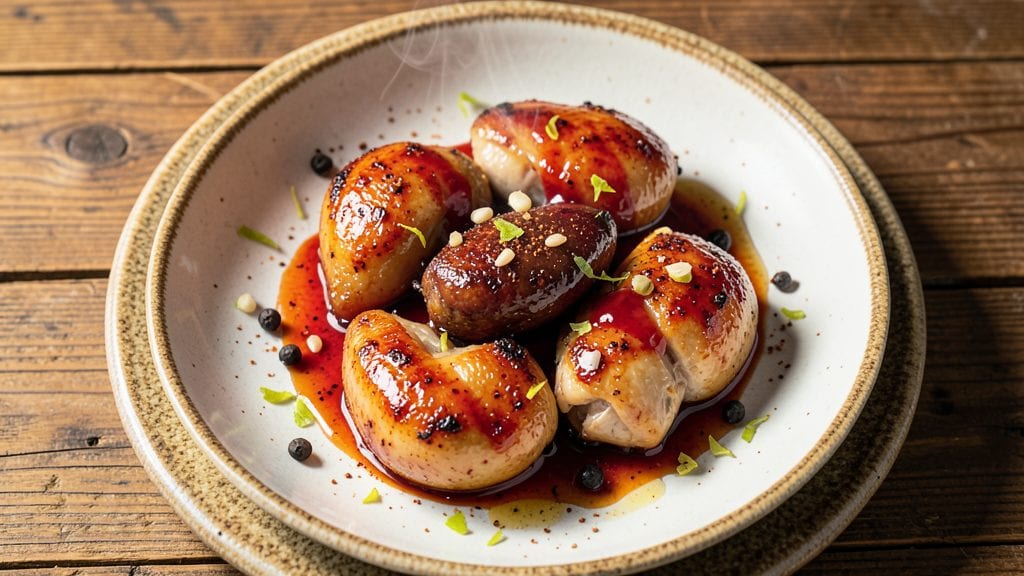
Transforming chicken hearts and gizzards into a restaurant-worthy dish requires precision, and this smoky-spiced pan-sear delivers tender, flavorful results with a crispy herbed butter crust. The key lies in proper preparation—cleaning, trimming, and marinating to tenderize these offal cuts before cooking.
I’ve perfected this method after years of testing, ensuring every bite is rich, savory, and free from gamey overtones. This approach works for both traditional Southern-style gizzards and Latin American corazones, adapting to your preferred cooking style.
The process begins with thorough cleaning and trimming to remove any membranes or connective tissue, followed by a marinade that balances smoky paprika, garlic, and citrus to break down fibers. Pan-searing over medium-high heat creates a caramelized crust, while basting with herbed butter ensures moisture and depth.
The result is a dish that’s bold yet refined, with a texture that’s crisp outside and tender inside. This technique transforms what might seem intimidating into a showstopping main course.
Pair these smoky-spiced hearts and gizzards with buttery mashed potatoes or a fresh arugula salad to balance the richness, and serve with a bold red wine like Cabernet Sauvignon.
The herbed butter crust adds an extra layer of sophistication, making this dish perfect for dinner parties or a special weeknight meal. Once you master this method, you’ll never buy store-bought again—it’s that good.
For those new to offal, don’t let the preparation intimidate you; the steps are straightforward once you know the tricks. Whether you’re cooking for a crowd or treating yourself, this recipe delivers professional-quality results with minimal fuss. Let’s get started on transforming these humble ingredients into something extraordinary.
Ingredients for chicken hearts and gizzards
Precision-cleaned offal meets bold spices and herbed butter for a restaurant-worthy pan-sear.
| Ingredient | Amount | Notes |
|---|---|---|
| Chicken Hearts 🦔 | 1 lb | Fresh or frozen, cleaned and trimmed |
| Chicken Gizzards 🦔 | 1 lb | Fresh or frozen, cleaned and trimmed |
| Unsalted Butter 🧈 | ½ cup | Cold, cubed for crust |
| Smoked Paprika 🌶️ | 2 tbsp | High-quality, for depth of flavor |
| Garlic Cloves 🧄 | 6 cloves | Fresh, minced for marinade |
| Lemon Juice 🍋 | ¼ cup | Freshly squeezed, for brightness |
| Fresh Thyme Leaves 🌿 | ¼ cup | Chopped, for herbed butter |
| Fresh Parsley Leaves 🌿 | ¼ cup | Chopped, for herbed butter |
| Diamond Crystal Kosher Salt 🧂 | 1 ½ tbsp | For seasoning and marinade |
| Freshly Ground Black Pepper 🌶️ | 1 tsp | For seasoning |
| Olive Oil 🫒 | 2 tbsp | For searing |
| Red Wine Vinegar 🍷 | 1 tbsp | For marinade acidity |
| Honey 🍯 | 1 tbsp | For marinade balance |
The quality of your offal makes all the difference. Butcher shops or specialty grocers like Whole Foods typically carry the freshest cuts, though frozen works well if properly thawed. Look for vibrant color—bright red for hearts and pale pink for gizzards—and avoid any with a strong, gamey odor. Penzeys Spices is my go-to for smoked paprika, but any high-quality brand will do. Fresh herbs are non-negotiable here; dried simply can't replicate the brightness of fresh thyme and parsley. If you're nervous about cleaning, don't be—it's just removing membranes and connective tissue, which takes under 10 minutes with a sharp knife.
No smoked paprika? Substitute with a mix of sweet paprika and a pinch of liquid smoke, though the flavor won't be identical. Fresh herbs unavailable? Dried thyme and parsley at one-third the amount will suffice, though the texture will differ. For the marinade, red wine vinegar can be swapped for apple cider vinegar, and honey can be replaced with maple syrup if you're avoiding refined sugar. The butter crust requires cold, cubed butter—don't melt it first, as this will prevent proper browning. If you're cooking for a crowd, double the recipe; these ingredients scale beautifully for larger batches.
Offal cooks quickly, so prep everything in advance. Store cleaned, trimmed hearts and gizzards in an airtight container in the fridge for up to 2 days or freeze for 3 months. The herbed butter can be made a day ahead and stored in the refrigerator, though it's best used fresh. Leftover cooked offal reheats beautifully in a skillet with a splash of broth for 2-3 days. For a special touch, serve with a drizzle of the pan juices reduced with a splash of red wine—this adds an extra layer of sophistication that guests will notice.
Why You'll Love This Recipe
- One-Pan Magic: I swear by this recipe when I’m too tired to wash extra dishes. Just sear the hearts and gizzards in butter, toss in garlic and paprika, and let them crisp—no flipping, no fussing, just done. The butter pools at the bottom like edible gold, and I’m left with a single pan to scrub.
- Smoky, Rich Bite: Honestly, the flavor punches way above its weight. Smoked paprika and garlic turn these humble cuts into something ridiculously satisfying—crispy outside, tender inside, with that deep, savory richness that sticks with you. It’s the kind of dish that makes you pause mid-bite and think, “Wait, is this fancy?”
- Budget Feast: Between us, this is my go-to for feeding a crowd without breaking the bank. Hearts and gizzards are cheap, but they feel like a splurge when they’re browned to perfection. I’ve served this to picky eaters, meat-lovers, and even vegetarians (who still ask for seconds).
- Leftovers? Better: The best part? These taste even better the next day. Reheat them in a skillet with a splash of water, and they’ll be just as crispy, just as flavorful—no sad, dry meat here. I keep a batch in the freezer for lazy Sundays or last-minute game-day snacks. Zero waste, all win.
Step-by-step instructions for smoky-spiced chicken hearts and gizzards
Transform these often-overlooked cuts into a restaurant-worthy dish with crispy edges and tender interiors.
Prepare the Marinade and Tenderize the Meat
In a medium bowl, combine the lemon juice, red wine vinegar, honey, minced garlic cloves, smoked paprika, 1 tablespoon of diamond crystal kosher salt, and ½ teaspoon of freshly ground black pepper. Whisk until the honey dissolves completely and the mixture becomes homogeneous. This marinade will break down the dense fibers in the chicken hearts and gizzards, ensuring they cook evenly and develop rich flavor.
Place the 1 lb chicken hearts and 1 lb chicken gizzards in a large resealable plastic bag. Pour the marinade over the meat, ensuring each piece is fully coated. Seal the bag and massage the marinade into the meat by gently kneading the bag with your hands. Let the meat marinate in the refrigerator for at least 4 hours, or preferably overnight. This extended marination guarantees maximum tenderness and flavor infusion.
Create the Herbed Butter Crust
In a small bowl, combine the 0.5 cup cold unsalted butter (cut into small cubes), ¼ cup chopped fresh thyme leaves, ¼ cup chopped fresh parsley leaves, and the remaining ½ tablespoon of diamond crystal kosher salt. Using a pastry cutter or your fingers, work the herbs into the butter until you achieve a crumbly, evenly distributed mixture. This herbed butter will create a luxurious crust on the seared meat, adding layers of aromatic complexity.
Form the herbed butter into a log about 2 inches in diameter and wrap it tightly in plastic wrap. Chill in the refrigerator until ready to use. The cold butter ensures it will melt evenly during searing, creating a rich, flavorful crust without burning. Keep it cold until you're ready to sear the meat.
Sear the Chicken Hearts and Gizzards
Remove the marinated chicken hearts and gizzards from the refrigerator and let them sit at room temperature for 30 minutes before cooking. This step ensures even cooking throughout. Heat a large, heavy skillet over medium-high heat until it's very hot. Add the 2 tablespoons olive oil and let it shimmer for 1 minute before adding the meat.
Working in batches to avoid overcrowding, add the chicken pieces to the skillet in a single layer. Sear undisturbed for 3-4 minutes on each side until they develop a deep golden-brown crust. During this time, the marinade will caramelize, creating a rich, glossy surface. Once browned, transfer the seared meat to a plate and tent loosely with aluminum foil to keep warm.
Finish with Herbed Butter and Rest
Reduce the heat to medium and add the chilled herbed butter log to the skillet. Let it melt completely, about 2-3 minutes, while occasionally tilting the pan to coat the bottom evenly. The butter should foam slightly but not brown—this indicates it's melting properly without burning.
Return the seared chicken hearts and gizzards to the skillet and spoon the melted herbed butter over them, ensuring each piece is fully coated. Cook for an additional 2-3 minutes until the butter forms a glossy crust on the meat. The internal temperature should reach 165°F when measured with a meat thermometer. Transfer the finished meat to a warm serving platter and let it rest for 5 minutes before serving.
Pro Tips For Making Chicken Hearts And Gizzards
- Sear Gizzards First: Gizzards take longer to cook than hearts—start them in the pan 2-3 minutes earlier. I learned this the hard way when I tried to sear everything together and ended up with burnt gizzards and undercooked hearts. High heat, 2 tablespoons butter, and don’t crowd the pan.
- Trim the Fat: Hearts and gizzards hide little pockets of fat that turn to grease and ruin your pan. Use kitchen scissors to snip off the connective tissue and trim excess fat before cooking—it’s messy but makes all the difference for even browning and flavor.
- Don’t Overcrowd the Pan: Piling everything in at once steams the meat instead of searing it. Work in batches—2 hearts or gizzards at a time—so they sizzle and develop that crust. I know, it’s tempting to rush, but this is how you get restaurant-quality texture.
- Smash the Garlic: Minced garlic burns fast. Crush 3-4 whole cloves with the flat side of your knife, then let them sit in the hot butter for 30 seconds before adding the meat. This builds flavor without scorching—my grandmother swore by it, and she was right.
Make-ahead tips for this chicken hearts and gizzards
Marinate Ahead
The real flavor magic happens during marination, so I always prep this step first. Place cleaned hearts and gizzards in a resealable bag with the marinade and refrigerate for at least 4 hours—I often do this the night before.
The acid in lemon juice and vinegar tenderizes the meat while infusing it with smoky depth. For extra convenience, store the marinade separately and add it to the meat just before sealing the bag. This keeps your fridge organized and prevents cross-contamination. 🌶️
Prep Herbed Butter
Make the herbed butter a day ahead and store it wrapped in plastic in the fridge. The flavors meld beautifully overnight, and having it ready means one less step during the busy searing process. When you're ready to cook, simply slice off what you need from the chilled log.
This butter keeps well for up to 3 days in the refrigerator, making it perfect for meal prep. The cold butter is crucial—it creates that perfect glossy crust when melted during searing. 🧈
Trim and Store Offal
Clean and trim the offal up to 2 days ahead and store it in an airtight container in the fridge. The trimming process removes membranes and connective tissue, which can make the meat tough if left intact.
For longer storage, freeze the cleaned offal for up to 3 months—just thaw it in the refrigerator overnight before marinating. I like to label the container with the date so I can track freshness.
This step saves time on cooking day and ensures your meat is ready to marinate immediately. ❄️
Pan Prep Shortcut
Set up your pan and tools the night before for a stress-free cooking experience. I place my heavy skillet on the stove (turned off) with a small plate underneath to catch any drips. Keep your olive oil, herbed butter, and a clean towel within reach.
Pre-measuring everything ensures you won’t be scrambling during the searing process. This small prep step makes the actual cooking feel effortless and efficient. 💡
Reheat Leftovers
Leftover chicken hearts and gizzards reheat beautifully in a skillet with a splash of beef or chicken broth to keep them moist. Heat over medium-low for 3-4 minutes until warmed through.
For a quick fix, microwave individual portions covered with a damp paper towel on 70% power for 1-2 minutes, stirring halfway. The herbed butter crust might soften slightly, but the flavors remain rich and satisfying.
Store cooked offal in airtight containers for up to 3 days in the fridge. 🔥
Freezer-Friendly Batching
Double the recipe and freeze half for future meals. After searing and basting, let the meat cool completely before portioning into freezer-safe bags or containers. Label with the date and freeze for up to 3 months.
To serve, thaw overnight in the fridge, then reheat using the stovetop method above. This is perfect for busy weeks when you want restaurant-quality offal without the last-minute prep. 📅
Nutrition facts
Frequently asked questions
How do I properly clean chicken hearts and gizzards before cooking?
Rinse them under cold water and pat dry. For hearts, remove the white membrane (silver skin) and any connective tissue. Gizzards need the outer membrane and connective strands trimmed away. Soak in cold water for 10 minutes to remove any blood, then rinse again. This step ensures a cleaner, more tender final dish.
Can I cook chicken hearts and gizzards without marinating?
Technically yes, but they’ll be tougher and less flavorful. The marinade tenderizes the meat and infuses flavor. For best results, marinate for at least 4 hours. If short on time, use a quick marinade with lemon juice, garlic, and salt for 30 minutes before cooking.
What’s the best way to reheat cooked chicken hearts and gizzards?
Reheat in a skillet over medium-low heat with a splash of broth for 3-4 minutes to retain moisture. Avoid microwaving unless necessary—it can make the crust soggy. For extra crispiness, broil for 1-2 minutes after reheating.
Are chicken hearts and gizzards the same as other organ meats?
Yes, but they’re milder than liver or kidneys. Hearts have a lean, tender texture, while gizzards are slightly firmer with a richer flavor. Both are versatile—grill, braise, or fry them. Unlike liver, they don’t require pre-cooking to remove bitterness.
Can I substitute butter with oil for the crust?
Not recommended—the butter adds flavor and richness. If needed, use a mix of olive oil and melted butter (1:1 ratio), but the crust won’t be as luxurious. For a dairy-free option, try coconut oil, though the taste will differ slightly.