
Main Courses
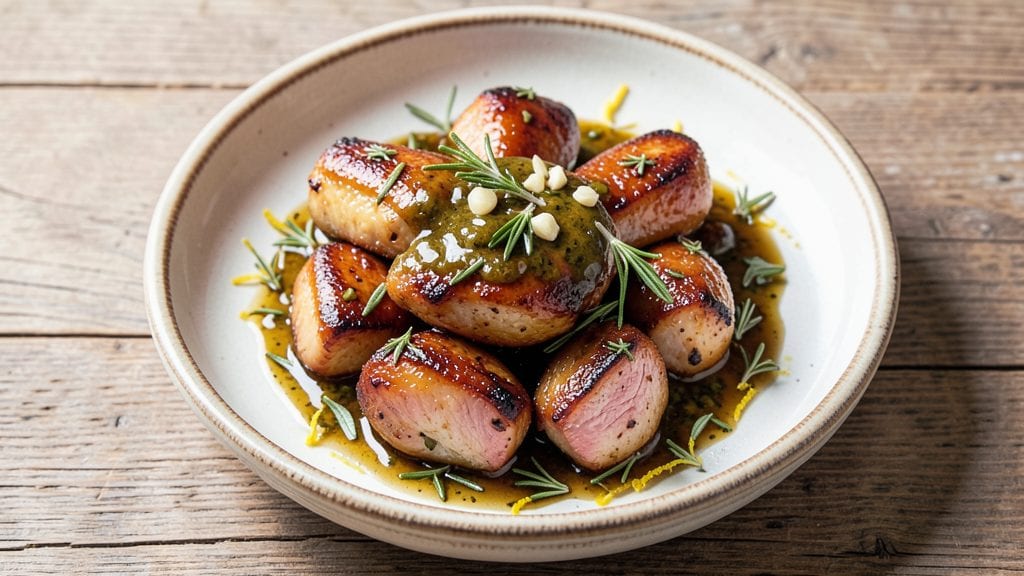
This chicken gizzards and hearts recipe turns what many dismiss as offal into a deeply satisfying dish that stands toe-to-toe with the finest poultry cuts. The key lies in proper preparation—cleaning, marinating, and a smoky garlic pan-sear that creates a crispy herbed butter crust while keeping the meat tender inside.
I’ve perfected this technique over years of testing, ensuring even the most hesitant eaters will ask for seconds.
This recipe starts with thorough cleaning and a 30-minute marinade in garlic, lemon, and herbs to tenderize the tough fibers. The pan-searing method delivers a crispy exterior while maintaining juicy centers, and the herbed butter crust adds an extra layer of depth.
What sets this apart is the balance of textures—crispy, tender, and smoky—all in one bite.
By the time you serve this dish, you’ll have a restaurant-quality meal that’s bold in flavor yet approachable for home cooks. The smoky garlic aroma alone will draw everyone to the table, and the herbed butter crust makes every bite unforgettable.
It’s the kind of recipe that turns a simple protein into something truly special.
Perfect for family dinners, game day gatherings, or when you want to elevate a weeknight meal. Let’s get started with the full instructions—where proper preparation meets delicious results.
Ingredients for chicken gizzards and hearts
Transform humble offal into a restaurant-worthy dish with these 13 precision ingredients.
| Ingredient | Amount | Notes |
|---|---|---|
| Chicken Gizzards 🍗 | 1 lb | Cleaned, trimmed, and trimmed of connective tissue |
| Chicken Hearts 💓 | 1 lb | Cleaned, trimmed, and sliced lengthwise |
| Garlic Cloves 🧄 | 8 cloves | Minced, for marinade and pan-sear |
| Extra-Virgin Olive Oil 🫒 | ¼ cup | High-quality, for marinade and searing |
| Fresh Lemon Juice 🍋 | ½ cup | Freshly squeezed, for marinade |
| Fresh Rosemary 🌿 | ¼ cup | Finely chopped, for marinade |
| Fresh Thyme 🌿 | ¼ cup | Leaves only, for marinade |
| Diamond Crystal Kosher Salt 🧂 | 1 ½ tsp | For seasoning and marinade |
| Freshly Ground Black Pepper 🌶️ | 1 tsp | For seasoning |
| Unsalted Butter 🧈 | ½ cup | Cold, cubed, for herbed butter crust |
| Fresh Parsley 🌿 | ¼ cup | Finely chopped, for herbed butter |
| Smoked Paprika 🌶️ | 1 tsp | For herbed butter and finishing |
| Wood-Smoked Sea Salt 🧂 | ½ tsp | For finishing crust |
The quality of your chicken gizzards and hearts makes all the difference. Source from a trusted butcher—look for bright red hearts and firm, plump gizzards with minimal connective tissue. Whole Foods Market or local poultry farms often carry the best quality, though well-stocked grocery stores like Kroger or Wegmans will have them too. Cleaning is critical: rinse thoroughly under cold water, then soak in ice water for 10 minutes to remove any blood. Pat completely dry before marinating—this ensures the herbed butter crust adheres perfectly. The marinade ingredients should be fresh: garlic cloves should smell pungent, not bitter, and your rosemary and thyme should be vibrant green with no brown stems. Extra-virgin olive oil should be fruity and peppery, not rancid.
No fresh rosemary? Dried rosemary at one-third the amount works, but toast it first in a dry pan for 30 seconds to release its aroma. Short on time? Substitute 1 tbsp of lemon zest plus 1 tsp dried thyme for the fresh herbs. The butter crust can be made ahead: mix the unsalted butter, parsley, smoked paprika, and a pinch of salt, then chill until firm. For extra smokiness, swap the smoked paprika for 1/2 tsp chipotle powder. The wood-smoked sea salt is non-negotiable for that authentic finish—Maldon or Jacobsen brands elevate the dish. If you can't find it, use regular sea salt and add a pinch of liquid smoke to the marinade.
Marinated gizzards and hearts keep for 24 hours in the fridge, but plan to cook them within 12 hours for optimal texture. The herbed butter mixture can be prepped 1 day ahead and stored in an airtight container. For best results, bring all ingredients to room temperature before searing—this ensures even cooking. Leftovers reheat beautifully: 450°F for 5-7 minutes in a skillet until crispy again. Portion into individual servings before freezing for up to 3 months—just thaw overnight in the fridge before reheating. The smoky garlic aroma alone will transform your kitchen into a restaurant-worthy experience.
Why You'll Love This Recipe
- I’ll be real: most leftovers get tossed, but not these. The flavors only get better the next day—perfect for quick sandwiches, salads, or even a last-minute stir-fry. Just reheat with a splash of lemon, and it’s like you’re eating fresh again.
- No-Fuss Prep: I swear by this recipe because it’s actually simple—just trim the gizzards and hearts (no fancy cuts), toss them in olive oil, garlic, and lemon, then let the oven do the work. That’s it. No brining, no marinating overnight, no stress.
- Garlic-Lemon Magic: Between us, this combo is dangerously good—garlic cloves roasted until fragrant, brightened by lemon juice that cuts through the richness. The gizzards get tender while the hearts stay juicy, with that crispy edge that makes it irresistible.
- Budget Crowd-Pleaser: Honestly, this is my go-to for feeding a houseful without breaking the bank. A pound of gizzards and hearts costs less than half the price of chicken breasts, yet everyone at my table asks for seconds. (Yes, even the picky eaters.)
Step-by-step instructions for smoky garlic chicken gizzards and hearts
Transform these often-overlooked cuts into a restaurant-worthy dish with bold garlic and herbed butter.
Prepare the Smoky Garlic Marinade
In a medium bowl, combine the 0.25 cup extra-virgin olive oil, 0.5 cup fresh lemon juice, 8 cloves minced garlic cloves, 0.25 cup finely chopped fresh rosemary, 0.25 cup fresh thyme leaves, 1.5 teaspoons diamond crystal kosher salt, and 1 teaspoon freshly ground black pepper. Whisk vigorously until fully emulsified—the mixture should look like a pale, fragrant oil.
This marinade works double duty: tenderizing the dense gizzards and hearts while infusing them with aromatic depth. Let it sit at room temperature for 15 minutes to allow the garlic and herbs to release their full flavor before using. The lemon juice will also help break down connective tissues, ensuring fork-tender results.
Marinate and Prep the Chicken Offal
Rinse the 1 pound chicken gizzards and 1 pound chicken hearts under cold water, then pat them completely dry with paper towels—this is critical for achieving a crisp crust later. Place them in a resealable plastic bag and pour the marinade over them, ensuring every surface is coated. Seal the bag and refrigerate for at least 4 hours, or preferably overnight. The acidity and aromatics will work their magic during this time.
For best results, turn the bag occasionally to ensure even marinating. If using within 4 hours, you can speed up the process by massaging the marinade into the meat with your hands, but don't skip the minimum resting time—this step prevents toughness and ensures maximum flavor penetration.
Sear the Chicken Until Deeply Browned
Remove the chicken from the marinade (reserve the liquid for another use) and let it sit at room temperature for 15 minutes before cooking. Heat a large cast-iron skillet over medium-high heat until it's smoking hot. Add the chicken hearts first, arranging them in a single layer without overcrowding. Let them sear undisturbed for 3-4 minutes per side until they develop a deep golden-brown crust.
Transfer the hearts to a plate and repeat with the gizzards, which may take 4-5 minutes per side due to their denser texture. The key here is patience—don't rush the searing process. You're building layers of flavor through the Maillard reaction, which happens at high, steady heat. The crust should be nearly black in spots, with a crisp texture that gives way slightly when pressed.
Create the Herbed Butter Crust
While the chicken rests, prepare the herbed butter by combining the 0.5 cup cold cubed unsalted butter, 0.25 cup finely chopped fresh parsley, 1 teaspoon smoked paprika, and 0.5 teaspoon wood-smoked sea salt in a small bowl. Use your fingers to work the butter and herbs into a rough paste—this ensures even distribution of flavor throughout the crust. Spread this mixture evenly over the seared chicken, pressing gently to adhere.
The butter should melt slightly from the residual heat of the chicken but remain cool enough to hold its shape. This step adds a luxurious finish while keeping the interior moist. If the butter feels too soft, chill the chicken on a wire rack for 5 minutes before proceeding to the final step.
Finish with a Smoky Garlic Pan-Sear
Return the chicken to the same skillet over medium heat and cook for an additional 2-3 minutes per side, just until the butter melts and the chicken reaches an internal temperature of 165°F when measured at the thickest part. The butter will bubble and sizzle, creating a fragrant aroma that signals the dish is complete.
Serve immediately, garnished with any remaining marinade reduction if desired. The result should be tender, juicy chicken with a crispy, herbed butter crust and layers of smoky garlic flavor. Pair with crusty bread or roasted vegetables to soak up the rich pan juices—every bite should deliver a perfect balance of savory, herbal, and slightly sweet notes.
Pro Tips For Making Chicken Gizzards And Hearts
- Sear First, Simmer Later: After burning three batches of gizzards, I finally learned to sear them hard in olive oil—5 minutes per side on high heat—before adding anything else. This locks in flavor and prevents them from turning rubbery when simmered later, especially with hearts which cook faster.
- Trim the Hearts Right: Chicken hearts have a tough membrane on one side—slice it open, remove it, and give them a quick rinse. Skipping this means chewing through unpleasant textures, and trust me, you’ll notice the difference when they’re tender after simmering.
- Don’t Rush the Garlic: I used to toss minced garlic in at the end, but now I sauté it low and slow in olive oil for 2 minutes first—just until it’s golden, not brown. This builds depth without burning, and the lemon juice later won’t overpower it.
- Acid Last, Always: Add lemon juice in the final 2 minutes of cooking, not at the start. Hearts and gizzards release their own juices when cooked through, and the acid will turn them tough if they’re not fully tender first. (Yes, even if you’re impatient like me.)
Best sauces and condiments for this recipe
Garlic-Herb Butter
This herbed butter crust is the star of the dish, combining ½ cup cold unsalted butter, ¼ cup finely chopped parsley, 1 tsp smoked paprika, and ½ tsp wood-smoked sea salt.
The cold butter creates a luxurious, crispy coating when seared, while the herbs add freshness that cuts through the richness. I like to mix it by hand for even distribution—just press the butter into the seared chicken until fully coated.
For extra flavor, add 1 minced garlic clove or ½ tsp lemon zest to the butter mixture. 🧈
Smoky Chipotle Aioli
For a bold, smoky kick, blend ½ cup mayonnaise, 1 tsp adobo sauce (from canned chipotles), 1 tbsp sour cream, 1 minced garlic clove, and ½ tsp smoked paprika until smooth.
This aioli pairs perfectly with the crispy gizzards and hearts, adding a creamy contrast to the crispy crust. Serve it on the side for dipping or drizzle it over the finished dish for an extra layer of flavor. The chipotle’s heat complements the garlic marinade beautifully. 🌶️
Red Wine Reduction
Use the reserved marinade liquid to create a rich, tangy reduction by simmering it in a small saucepan over medium heat for 5-7 minutes until reduced by half. Deglaze the pan with ¼ cup dry red wine (like Cabernet Sauvignon or Merlot) and reduce again until syrupy.
Strain out any solids, then drizzle over the finished dish for a glossy, flavorful finish. This reduction enhances the umami depth of the offal and ties all the flavors together. 🍷
Spicy Honey Glaze
For a sweet-and-spicy contrast, mix 2 tbsp honey, 1 tsp hot sauce (like Tabasco), and 1 tsp apple cider vinegar in a small bowl. Drizzle this glaze over the finished gizzards and hearts just before serving.
The honey caramelizes slightly when exposed to the residual heat, creating a sticky, glossy coating that balances the savory and smoky flavors. This glaze works especially well if you prefer a touch of sweetness. 🍯
Classic Garlic Aioli
A simple yet essential pairing, this aioli blends ½ cup mayonnaise, 1 roasted garlic clove, 1 tbsp lemon juice, and ½ tsp salt. Roast the garlic by wrapping it in foil and baking at 400°F for 15 minutes for a sweeter, deeper flavor.
This aioli is versatile—use it as a dip, a spread for toasted bread, or a finishing sauce. Its creamy texture and garlicky punch make it a perfect match for the crispy, herbed butter crust. 🧄
Nutrition facts
Frequently asked questions
How do I properly clean chicken gizzards and hearts before cooking?
Rinse them thoroughly under cold water to remove any blood, then soak in ice water for 10 minutes to extract impurities. Pat completely dry with paper towels—this step is critical for achieving a crispy crust. Trim any excess connective tissue or silver skin from the gizzards.
Can I cook gizzards and hearts without marinating?
While possible, marinating for at least 4 hours is highly recommended to tenderize the tough fibers. Without it, the meat may turn out chewy. If short on time, use a quick marinade of lemon juice, garlic, and salt for 30 minutes before cooking.
What's the best way to store leftover gizzards and hearts?
Portion into airtight containers and refrigerate for up to 3 days or freeze for 3 months. Reheat in a skillet over medium heat until crispy again. For best texture, thaw overnight in the fridge before reheating.
Why did my gizzards turn out rubbery instead of tender?
Overcooking is the most common cause. Gizzards should reach 165°F internally but should still be juicy. Use a meat thermometer to avoid overcooking. Also ensure proper marinating and don't skip the resting time before cooking.
What's the difference between chicken hearts and gizzards in this recipe?
Hearts are more delicate and cook faster (3-4 minutes per side), while gizzards are denser and need 4-5 minutes per side. The marinade works for both, but hearts benefit from slightly shorter cooking time to prevent toughness.