
Soups & Stews
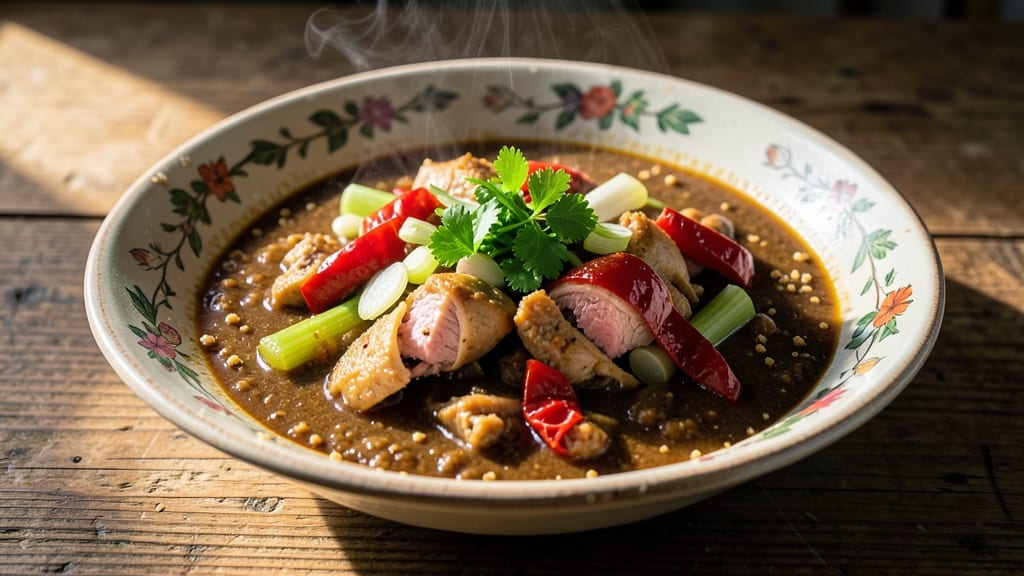
Mastering a traditional chicken gumbo recipe means embracing the slow, smoky art of building a dark roux and letting okra infuse its signature depth.
Growing up in small-town Georgia, I learned that gumbo isn't just a dish—it's a celebration of technique, patience, and the kind of flavors that linger long after the last bite.
The secret lies in the roux, where flour and fat transform from golden to mahogany before becoming the soul of the stew.
This recipe stays true to Cajun roots by starting with the "holy trinity"—onions, bell peppers, and celery—sautéed until they melt into the broth. The chicken browns deeply, locking in flavor, while thyme, bay leaves, and cayenne build the spice foundation.
Okra, not filé powder, gives that signature gumbo texture—silky yet substantial—when simmered just right. Every step honors the tradition while delivering restaurant-quality results at home.
What you'll end up with is a pot of rich, smoky gumbo where tender chicken, okra, and vegetables swim in a velvety broth thickened by that dark roux. The aroma alone will have everyone gathering around the table, and each spoonful delivers layers of savory, spicy, and slightly sweet complexity.
This is the kind of dish that transforms a simple meal into a family tradition.
Serve it over steamed white rice or with crusty bread to soak up every last drop of that flavorful broth. The leftovers only get better the next day, making this the ultimate comfort food for cold evenings or gatherings. Let's get cooking—this gumbo is worth the wait.
Ingredients for traditional chicken gumbo
Sixteen ingredients, one transformative roux. The foundation of authentic Cajun gumbo starts here.
| Ingredient | Amount | Notes |
|---|---|---|
| Chicken Thighs 🍗 | 2 ½ lb | Bone-in, skin-on preferred |
| All-Purpose Flour 🌾 | 1 ½ cups | White or whole wheat |
| Unsalted Butter 🧈 | 1 cup | Cold, cubed for roux |
| Yellow Onion 🧅 | 2 whole | Medium, diced small |
| Green Bell Pepper 🌶️ | 1 whole | Medium, diced small |
| Celery Stalks 🥬 | 3 whole | Medium, diced small |
| Fresh Okra Pods 🌿 | 1 ½ lb | Trimmed, sliced into rounds |
| Garlic Cloves 🧄 | 4 cloves | Fresh, minced |
| Dried Thyme 🌿 | 1 tbsp | Or 1 tbsp fresh thyme |
| Bay Leaves 🍃 | 2 whole | Dried, standard size |
| Cayenne Pepper 🔥 | 1 tsp | Adjust for heat preference |
| Ground Black Pepper 🌶️ | 1 tsp | Freshly ground |
| Sea Salt 🧂 | 1 ½ tsp | Kosher or coarse grain |
| Chicken Broth 💧 | 6 cups | Low-sodium preferred |
| Long-Grain White Rice 🍚 | 2 cups | Uncooked, for serving |
The roux is non-negotiable—this is where the magic happens. Use unsalted butter (salted can burn the roux) and all-purpose flour for that classic mahogany color. I recommend Land O'Lakes unsalted butter for consistency, but any good-quality brand works. The holy trinity—yellow onion, green bell pepper, and celery—should be diced small and uniform for even cooking. For the okra, fresh is best (frozen works in a pinch), but avoid anything slimy or overly mature. The chicken thighs? Bone-in, skin-on for maximum flavor—skip the breasts unless you're short on time. Costco or local butchers usually have the best prices for whole thighs, and you can trim them yourself for even cooking.
No cayenne? Smoked paprika at half the amount gives a similar depth without the heat. Short on thyme? Dried oregano at the same quantity works, but fresh thyme is ideal. The chicken broth can be homemade (use low-sodium for balance) or a quality store-bought like Swanson or Pacific Foods. For the rice, jasmine or basmati adds a nice aroma, but long-grain white is traditional. The okra can be substituted with filé powder (but that's a different style—this recipe prioritizes okra's natural texture). If you're making this ahead, prep the roux first—it can sit at room temperature for up to 2 hours before adding the broth.
This gumbo tastes even better the next day—double the batch if you know you'll have leftovers. Store in the fridge for up to 5 days or freeze for 3 months (the roux thickens further when reheated). For serving, steam the rice separately—it absorbs the broth beautifully. The okra and chicken hold up well to freezing, so portion the stew into airtight containers for easy reheating. If you're serving a crowd, make the roux in batches—it requires constant attention, and patience is key to that perfect dark color.
Why You'll Love This Recipe
- No-Fuss Roux Magic: I swear by that butter-and-flour roux—it’s the secret weapon. No fancy techniques, just melt butter, whisk in flour, and let it deepen to a rich peanut butter color. (Yes, it’s worth the occasional burnt attempt.)
- Deep, Smoky Goodness: The chicken thighs get so tender they fall off the bone, while the bell pepper and onion add that sweet, caramelized backbone. That’s the kind of flavor that lingers—like a hug in a bowl.
- Leftovers That Beg for More: This gumbo only gets better the next day. The flavors meld overnight, and reheating it? Pure satisfaction. I’ve brought it to potlucks, and no one ever leaves with seconds—until they’ve had the leftovers.
- Budget-Friendly Crowd-Pleaser: Chicken thighs are affordable, and this recipe stretches easily. Feed six for dinner, then reheat for lunches all week. Honestly, it’s the kind of meal that makes grocery bills feel lighter.
Step-by-step instructions for traditional chicken gumbo
Mastering this classic requires patience and precision—here's how to build rich, smoky depth layer by layer.
Develop the Dark Roux Foundation
In a heavy-bottomed Dutch oven, melt the 1 cup unsalted butter over medium-low heat. Immediately add the 1.5 cups all-purpose flour and stir constantly with a wooden spoon. The mixture will bubble and foam—this is normal. Reduce heat to low and continue stirring vigorously for 30 minutes, watching closely.
As the roux darkens from golden to peanut butter brown (about 45-60 minutes total), the aroma will become nutty and deep. This is where the magic happens—don't rush it. If it burns, start over; there's no recovery. The roux should coat the back of a spoon smoothly when fully developed, with no graininess remaining. This rich base carries the entire dish's flavor profile.
Sauté the Holy Trinity and Okra
Once the roux reaches the perfect dark stage, immediately add the 2 whole yellow onion, 1 whole green bell pepper, and 3 whole celery stalks, all diced small. Cook for 8-10 minutes over medium heat, stirring frequently, until the vegetables soften and begin to caramelize. Add the 1.5 lb fresh okra pods, sliced into rounds, and cook another 5 minutes until tender.
Here's the thing—okra releases its natural thickening properties when cooked properly. You'll see it break down slightly in the pot, contributing to that signature gumbo texture. Don't skip this step; it's what gives traditional gumbo its authentic body. Season with 1.5 tsp sea salt, 1 tsp ground black pepper, and 1 tsp cayenne pepper now—the heat will mellow as the gumbo simmers.
Brown the Chicken and Build the Stock
Push the vegetables to one side of the Dutch oven and add the 2.5 lb chicken thighs, skin-side down. Cook for 5-6 minutes until the skin is crispy and golden. Flip and brown the other side for 3-4 minutes. Remove the chicken and set aside, reserving any accumulated juices in the pot.
Add the 4 cloves minced garlic, 1 tbsp dried thyme, and 2 whole bay leaves to the pot. Stir for 30 seconds until fragrant. Pour in the 6 cups chicken broth, scraping up any browned bits from the bottom. Bring to a gentle simmer, then return the chicken to the pot. Cover and cook for 45 minutes on low heat, allowing the chicken to poach in its own juices.
Simmer and Develop Flavor
Remove the chicken from the pot and shred the meat, discarding the bones and skin. Return the shredded chicken to the pot. Simmer the gumbo uncovered for 30-45 minutes on low heat, stirring occasionally. The liquid should reduce slightly, and the flavors should meld into a harmonious blend. Taste and adjust seasoning—you may need to add more salt or cayenne depending on your preference.
This is where traditional gumbo earns its reputation. The roux's depth, the okra's natural thickening, and the chicken's rich flavor come together in perfect balance. The gumbo should coat the back of a spoon with a velvety texture, not be watery. If it's too thick, add a splash of water or broth; if too thin, simmer longer to reduce.
Serve Over Steamed Rice
While the gumbo simmers, cook the 2 cups long-grain white rice according to package instructions—traditionally, gumbo is served over white rice. Once the rice is perfectly steamed, ladle the gumbo generously over each serving. The rice should absorb some of the gumbo's rich sauce, creating the ideal texture contrast.
Garnish with additional ground black pepper and serve immediately. Each bowl should deliver layers of smoky okra, dark roux richness, and tender chicken in every bite. The aroma alone will transport you to Louisiana kitchens where this dish originated. For best results, serve with crusty bread to soak up every last drop of that precious gumbo.
Pro Tips For Making Traditional Chicken Gumbo
- CRISP THE THIGHS FIRST: Pat the chicken thighs bone-dry with paper towels before searing—this isn’t just about browning, it’s about building flavor. I used to skip this and ended up with pale, bland chicken that soaked up the roux instead of contributing its own richness. High heat for 5-6 minutes per side until golden, then pull them out while they’re still juicy. They’ll finish cooking in the gumbo, but that initial crust is non-negotiable.
- DON’T RUSH THE ROUX: Start the butter-flour roux on medium-low heat and walk away for 10 minutes—yes, even if you’re impatient like me. Stirring constantly is key, but so is letting it develop color naturally. After that initial phase, drop the heat to low and keep an eye on it; a dark roux (like peanut butter) is traditional, but if it hits smoke point, you’re too late. This isn’t the part to multitask.
- CHOP VEGETABLES SMALL AND UNIFORM: Dice the onion and bell pepper into ¼-inch pieces—no big chunks hiding in the gumbo. I learned this the hard way when I left a hunk of onion whole; it turned mushy while the rest of the veggies stayed crisp. Small pieces cook evenly and blend into the dish instead of sitting like foreign objects. (Pro move: Pulse them in a food processor for consistency.)
- SALT THE CHICKEN BEFORE SEARING: Generously season the thighs with salt at least 30 minutes before cooking—this ensures the seasoning penetrates deeply. I used to salt them after browning, and the flavor felt superficial. Use about ½ teaspoon per thigh (more if your butter is unsalted), and don’t wipe off the excess; that’s flavor you’re losing. The salt also helps render fat, which you’ll use to build the roux.
Creative variations of this traditional chicken gumbo
Cajun Seafood Twist
Swap the chicken for a mix of 1 lb shrimp, 1 lb firm white fish (like cod or tilapia), and ½ lb andouille sausage for a seafood gumbo that stays true to Louisiana roots. Sauté the sausage first until crispy, then remove and set aside.
Add the shrimp and fish in the last 10 minutes of simmering so they stay tender. I like using Louisiana Gulf shrimp for that briny sweetness—it's a game-changer. 🌊
Smoky Sausage Version
For a meatier gumbo, replace the chicken with 2.5 lb smoked andouille sausage (cut into rounds) and 1 lb pork shoulder (cubed). Brown the sausage first, then remove and set aside. Cook the pork shoulder until tender, then shred before returning to the pot.
The smoky depth from the sausage transforms this into a hearty, satisfying stew. I often use Hopkins Farms andouille for that authentic Cajun flavor. 🔥
Vegetarian Okra Stew
Skip the meat entirely and build a rich vegetarian gumbo using 2 cans (15 oz each) white beans, 1 cup chopped mushrooms, and 1 cup diced sweet potato.
Add the mushrooms and sweet potatoes with the holy trinity, then stir in the beans after the gumbo has simmered for 30 minutes. The okra still delivers that signature texture, while the beans add hearty substance. Top with avocado slices for freshness and a squeeze of lime. 🌱
Spicy Filé Powder Upgrade
For a quicker version, replace the okra with 2 tbsp filé powder (ground sassafras leaves) stirred in during the final 10 minutes of simmering. This creates a smoother, slightly thinner gumbo with a distinct earthy flavor.
I like using Louisiana filé powder for authenticity. Add an extra ½ tsp cayenne pepper to balance the sassafras's mildness. This version cooks in 15 minutes less than the traditional okra method. ⚡
Creamy Tomato Addition
Add 1 can (14.5 oz) diced tomatoes with the holy trinity for a slightly sweeter, more complex gumbo. The tomatoes blend seamlessly with the roux and okra, adding acidity that brightens the dish.
I prefer Mueller's brand tomatoes for their rich flavor. This variation works especially well with the seafood version, balancing the brininess of the shrimp. 🍅
Herb-Infused Variations
Experiment with different herbs to customize the flavor profile. Swap the thyme for 1 tbsp fresh rosemary or 1 tbsp fresh parsley for a more Mediterranean touch. For a Southern twist, add ½ tsp smoked paprika during the roux stage.
I often keep a small batch of Penzeys dried herbs on hand for these kinds of experiments. Each herb brings a unique depth to the gumbo's aromatic profile. 🌿
Nutrition facts
Frequently asked questions about traditional chicken gumbo
Why does my roux burn so easily?
Roux burns when heat gets too high or you walk away. Always use low heat and stir constantly with a wooden spoon. A heavy-bottomed Dutch oven prevents hot spots. If it darkens too fast, start over—there's no saving a burnt roux. The key is patience: let it develop gradually from peanut butter brown to mahogany.
Can I use filé powder instead of okra?
Yes, but it creates a different texture. Filé powder makes a smoother gumbo without okra's natural thickening. Add it at the end (last 10 minutes) to prevent clumping. For authenticity, stick with okra—it's what gives traditional gumbo its signature body. If you prefer filé, reduce the cayenne slightly as it's more potent.
How do I make this gumbo spicier?
Start with the 1 tsp cayenne pepper and adjust to taste. For extra heat, add ½ tsp crushed red pepper flakes during the roux stage or serve with hot sauce on the side. Freshly ground black pepper also intensifies the spice. Remember: gumbo flavors mellow as it cools, so taste before serving.
What's the best way to reheat leftover gumbo?
Gently reheat on low heat over 15-20 minutes—never microwave. The roux can separate if heated too quickly. Stir occasionally and add a splash of water or broth if it thickens too much. Leftover gumbo tastes even better the next day as flavors meld further. Store in airtight containers for up to 5 days in the fridge.
Can I make this gumbo in a slow cooker?
Not recommended for the roux—it needs constant stirring to develop properly. However, you can make the roux separately on the stovetop, then transfer everything to the slow cooker on low for 4-6 hours. The texture will be slightly thinner, but the flavors will still develop beautifully. For best results, stick to the stovetop method.