
Soups & Stews
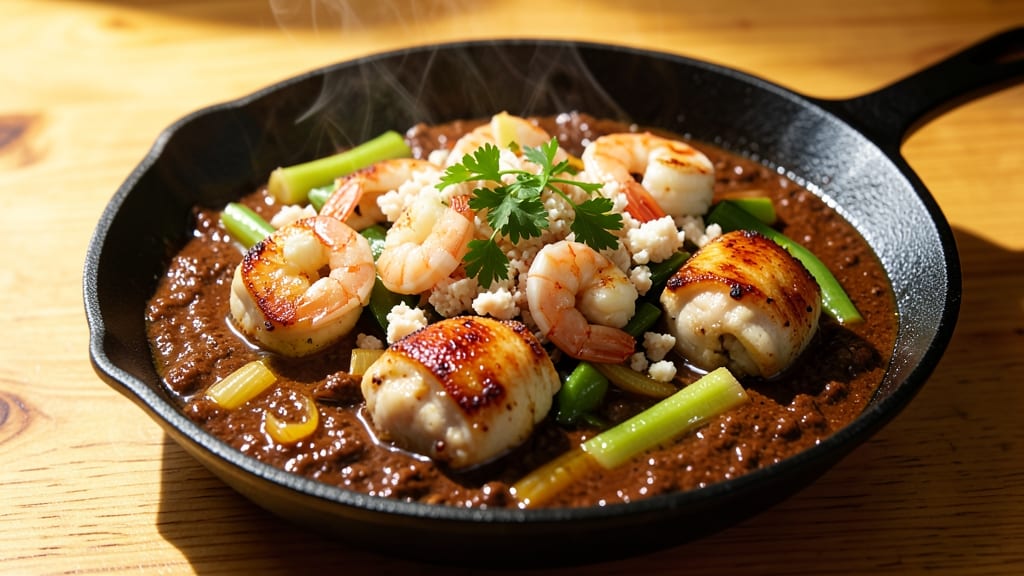
A chicken and seafood gumbo recipe with a deep, smoky roux and three proteins creates the ultimate Cajun feast—rich, complex, and brimming with tradition.
The key lies in a dark, nutty roux that forms the flavor foundation while balancing tender chicken, delicate seafood, and the holy trinity of onions, celery, and bell peppers. I’ve perfected this version to ensure seafood stays perfectly cooked without overpowering the dish’s hearty character.
This gumbo builds flavor layer by layer, starting with the roux and ending with a medley of shrimp, crab, and chicken—each protein adding its own texture and depth. The secret? Cooking the seafood separately and adding it at the last moment to preserve its tenderness.
Traditional techniques like deglazing and simmering slowly develop the gumbo’s signature depth, ensuring every spoonful delivers a harmonious blend of smoky, spicy, and savory notes.
By the time you serve it over fluffy white rice or with a side of cornbread, you’ll have a restaurant-quality gumbo that’s hearty enough for a family gathering but refined enough for a special dinner.
The aroma alone—smoky, aromatic, and slightly spicy—will draw everyone to the table. Ready to master this Cajun classic?
Whether you’re a seasoned cook or new to gumbo, this recipe delivers foolproof results with a few key techniques. The roux is the star, but the balance of proteins and vegetables ensures every bite is rich yet light, creamy yet bold. Let’s get cooking!
Ingredients for chicken and seafood gumbo
Gumbo's heart starts with these 19 ingredients—smoky, fresh, and packed with Cajun soul.
| Ingredient | Amount | Notes |
|---|---|---|
| Chicken Thighs 🍗 | 1 ½ lb | Bone-in, skin-on preferred |
| Large Shrimp 🦐 | 1 lb | Peeled, deveined, tails on |
| Lump Crabmeat 🦀 | 1 lb | Picked for shells, fresh preferred |
| Yellow Onions 🧅 | 2 whole | Medium, diced small |
| Green Bell Peppers 🌶️ | 2 whole | Stems removed, diced small |
| Celery Stalks 🥬 | 4 whole | Trimmed, diced small |
| All-Purpose Flour 🌾 | ½ cup | White, for roux |
| Vegetable Oil 🫒 | ½ cup | For roux, neutral flavor |
| Garlic Cloves 🧄 | 6 cloves | Minced, fresh preferred |
| Dried Thyme 🌿 | 1 tbsp | Or 1 tbsp fresh thyme leaves |
| Dried Oregano 🍃 | 1 tbsp | Mexican oregano if possible |
| Smoked Paprika 🌶️ | 1 tbsp | For deep smoky flavor |
| Cayenne Pepper 🔥 | ½ tsp | Adjust for heat preference |
| Salt 🧂 | 2 tsp | Kosher or sea salt |
| Black Pepper 🌶️ | ½ tsp | Freshly ground preferred |
| Chicken Stock 💧 | 4 cups | Low-sodium preferred |
| Lemon Juice 🍋 | 2 tbsp | Freshly squeezed |
| Parsley Leaves 🌿 | ¼ cup | Fresh, chopped for garnish |
| Green Onions 🧅 | 4 whole | Sliced, for garnish |
The roux is non-negotiable here. All-purpose flour and neutral vegetable oil are your base—no shortcuts. For the best flavor, grab Penzeys or local spice shops for your smoked paprika and cayenne; the difference is noticeable. Chicken thighs with skin-on give the most flavor, but boneless works in a pinch. Seafood matters too—Costco or Whole Foods usually have the freshest lump crabmeat and shrimp. Look for bright, vibrant colors in your seafood, not dull or grayish hues. The holy trinity (onions, peppers, celery) should be finely diced—about 1/8-inch pieces—so they melt into the gumbo instead of staying chunky.
No smoked paprika? Substitute 1/2 tbsp regular paprika plus 1/4 tsp liquid smoke. Dried thyme works fine, but fresh is better—just use half the amount. Short on chicken stock? Clarified fish stock or even good-quality beef stock will work, but keep it mild. The seafood cooks fast, so add it last—3-4 minutes max in the simmering gumbo. For the roux, don't rush the color—it should be a deep, rich brown, almost like peanut butter. If it burns, start over. And if you're missing green onions, substitute extra parsley—just don't skip the garnish, it adds freshness.
This gumbo tastes even better the next day, so make extra. Store in the fridge for 4-5 days or freeze for up to 3 months. The roux thickens when cold, so stir it well before reheating. For serving, I always keep a bowl of hot cooked rice and a side of cornbread ready—it's the perfect trio. The seafood reheats best gently, so I usually add it back to the pot just before serving. Garnish with parsley and green onions right before digging in—fresh herbs make all the difference.
Why You'll Love This Recipe
- One-Pot Magic: That’s right—just one pot, no fussing with multiple pans. Toss in the chicken thighs, shrimp, and crabmeat all at once, and let the roux and stock work their magic while you sip your coffee. Honestly, the cleanup is so minimal I almost feel guilty for how easy it is.
- Seafood Luxe: Between the plump shrimp, sweet crabmeat, and tender chicken, this isn’t just gumbo—it’s a celebration. The onions and bell peppers add just enough brightness to cut through the richness, but the real star? That deep, smoky roux that makes every bite taste like a hug from your favorite chef.
- Weeknight to Party: Serve it with crusty bread on a Tuesday for a cozy dinner, or double the batch for a Sunday gathering. The flavors only get better as it sits, so it’s perfect for when you’re short on time but still want to impress. (Yes, even on a Tuesday night.)
- Budget-Friendly Feast: Chicken thighs and shrimp stretch further than you’d think, and the crabmeat adds that restaurant-worthy touch without breaking the bank. Plus, leftovers reheat like a dream—just add a splash of water and stir. My wallet and my freezer both thank me.
Step-by-step instructions for chicken and seafood gumbo
Here's how to build a rich, smoky gumbo with three proteins and perfect roux.
Make the Dark Roux Foundation
Heat the 0.5 cup vegetable oil in a heavy-bottomed pot over medium heat. Gradually whisk in the 0.5 cup all-purpose flour to create a smooth paste. This is where the magic begins—your roux will determine the entire flavor profile of the gumbo.
Cook the roux, stirring constantly with a wooden spoon, until it turns a deep, chocolate brown color—about 30-40 minutes. The smell will be nutty and intense, and the roux should coat the back of a spoon without being grainy. Here's the thing: don't rush this step. A light roux will make your gumbo taste flat and one-dimensional. If it starts to smoke or burn, reduce the heat immediately and keep stirring. You're aiming for that rich, molasses-like consistency that's the soul of gumbo.
Sauté the Holy Trinity
Once your roux is perfect, immediately add the 2 whole yellow onions, 2 whole green bell peppers, and 4 whole celery stalks, all diced small. Stir well to coat everything in that dark roux. Cook over medium heat for 8-10 minutes, stirring occasionally, until the vegetables soften and release their moisture.
Here's where it gets fun—add the 6 cloves minced garlic, 1 tbsp dried thyme, 1 tbsp dried oregano, 1 tbsp smoked paprika, 0.5 tsp cayenne pepper, 2 tsp salt, and 0.5 tsp black pepper. Stir everything together and cook for another 2 minutes until fragrant. You'll smell that deep, smoky, herby aroma filling your kitchen—that's your gumbo's flavor foundation taking shape. If the mixture starts to stick, add 1-2 tablespoons of chicken stock to loosen it up.
Build the Gumbo Base
Pour in the 4 cups chicken stock, stirring constantly to incorporate. Bring to a gentle simmer, then add the 1.5 lb chicken thighs. Partially cover the pot and let it simmer for 30 minutes, until the chicken is cooked through and the bones are starting to separate from the meat. This is the moment that matters: the chicken should be fork-tender but not falling apart.
Remove the chicken thighs from the pot and let them cool slightly before shredding the meat off the bones. Discard the bones and skin. You'll have about 1½ cups of shredded chicken—set this aside for later. The broth should now be rich and flavorful, with all those aromatic spices dissolved into it. If it's too thin, simmer uncovered for another 5-10 minutes to reduce it slightly. You want a broth that coats the back of a spoon but isn't gluey.
Add Seafood and Finish
Add the 1 lb large shrimp and 1 lb lump crabmeat to the pot. Stir gently to combine with the broth. Simmer for 5-7 minutes—just enough time to heat through the seafood without overcooking it. Shrimp should turn opaque and crabmeat should be warmed through but still slightly firm. The seafood will cook quickly, so keep an eye on it.
Stir in the 2 tbsp lemon juice and taste. You might need to adjust the seasoning with a little more salt or cayenne if needed. Real talk: this is where many gumbo recipes fail. The lemon juice brightens everything up, cutting through the richness of the roux and balancing the flavors. The gumbo should taste rich, smoky, and slightly spicy with a touch of acidity. If it's too thick, add a splash of hot water or chicken stock to reach your desired consistency.
Serve with Fresh Garnishes
Ladle the gumbo into bowls and top each serving with 0.25 cup chopped parsley leaves and 4 sliced green onions. The fresh herbs add a bright contrast to the deep, smoky flavors. Serve immediately with hot crusty bread or rice on the side. The gumbo will continue to thicken slightly as it sits, so don't wait too long before serving.
Each bite should deliver that perfect balance: tender chicken, sweet shrimp, delicate crabmeat, and that unmistakable roux flavor that ties it all together. The gumbo should be rich but not heavy, spicy but not overpowering. If it's too thick the next day, just stir in a little more stock or water to loosen it up. This gumbo tastes even better the next day as the flavors meld further.
Pro Tips For Making Chicken And Seafood Gumbo
- CRISP THE CHICKEN FIRST: Toss the chicken thighs in cornstarch—about 2 tablespoons—before browning. I learned this the hard way when my gumbo turned out soggy instead of rich; the extra step makes all the difference for that deep, caramelized flavor that carries through the whole pot.
- PEEL SHRIMP LAST MINUTE: Leave the shrimp in their shells until you’re ready to add them to the gumbo. The shells release flavor, but if you peel them ahead, you’ll lose that subtle sweetness that balances the seafood. (Yes, even if you’re impatient like me.)
- SIMMER LOW AND COVERED: After the roux is done, reduce heat to a bare simmer and keep the pot covered. I used to rush this, and the gumbo would either burn or turn watery—both are dealbreakers. Let it cook gently for at least 45 minutes so the flavors meld properly.
- SAVE THE CRABSHELL JUICE: Drain the lump crabmeat but reserve the juice—it’s liquid gold for gumbo. Mix a splash back into the pot when you add the crab; it keeps the texture rich and prevents the dish from tasting dry. (Your future self will thank you.)
Perfect pairings for this dish
Roux-Ready Sides
The rich, smoky depth of gumbo demands sides that cut through its richness. A simple white rice pilaf with 1 tbsp butter, 1 tsp garlic powder, and ½ cup chicken stock per 1 cup rice absorbs the gumbo beautifully.
Cook it in a heavy-bottomed skillet for extra crispiness at the edges. 🍚
For a Southern twist, serve hot cornbread with a honey butter drizzle. I use a 1:1:1 ratio of cornmeal, all-purpose flour, and sugar, plus 1 cup buttermilk and 1 egg for binding.
Brush the top with melted butter before baking—it adds a golden crust that’s perfect for soaking up gumbo.
Seafood-Friendly Garnishes
Fresh green onions and parsley brighten every bite with their citrusy notes. Thinly slice 4 green onions and chop ¼ cup parsley for garnish—just before serving to keep them vibrant. For extra flair, add ¼ tsp lemon zest to the parsley for a zesty kick. 🌿
For heat lovers, sprinkle crushed red pepper flakes or hot sauce (like Crystal or Tabasco) on top. I like Tabasco because it adds a smoky depth that complements the gumbo’s flavors without overpowering them.
Beverage Pairings
A dry white wine like Sauvignon Blanc from New Zealand cleanses the palate between bites. Its crisp acidity and citrus notes balance the gumbo’s smokiness. For a non-alcoholic option, try sparkling lemonade with 1 tbsp honey and a splash of ginger beer for a refreshing contrast. 🍷
If you prefer beer, a light lager like Corona or Stella Artois works well—its mild carbonation and subtle maltiness won’t clash with the gumbo’s bold flavors. Avoid heavy stouts or IPAs, as they can overpower the dish.
Make-Ahead Additions
Prep andouille sausage or smoked ham hocks ahead of time to deepen the gumbo’s flavor. Brown ½ lb andouille in the pot after the roux stage, then remove and set aside. Add it back during the final 5 minutes of cooking to heat through. 🥓
For extra richness, stir in 2 tbsp heavy cream or 1 tbsp unsalted butter just before serving. This adds a velvety texture that makes the gumbo feel even more luxurious—especially when paired with the seafood’s delicate flavors.
Nutrition facts
Frequently asked questions
Why cook the seafood separately in this gumbo recipe?
Seafood cooks in just 3-5 minutes—adding it too early turns it rubbery. By cooking shrimp and crab separately at the end, you preserve their delicate texture while letting the chicken and roux flavors develop fully. This technique keeps every bite perfectly tender.
Can I substitute another type of seafood?
Swap crab for mussels or clams (steam them open first) or use scallops (add them last for 2 minutes max). For a budget option, try frozen shrimp—just thaw and pat dry before cooking. Avoid fish like tilapia (it gets mushy) and stick to shellfish or firm white fish.
How do I fix a burnt roux?
Don't panic! If your roux burns, immediately remove from heat and let cool. Scrape off the burnt bits, then start fresh with 2 tbsp oil and 2 tbsp flour to rebuild flavor. The key is constant stirring—never leave it unattended. A burnt roux ruins the gumbo, so take your time!
Is this gumbo spicy enough for kids?
You can easily adjust the heat! Reduce cayenne to ¼ tsp or omit it completely. For extra mildness, add 1 tbsp sugar to balance the spices. Serve kids' portions with extra rice to dilute the flavors. The smoky, savory base still shines even without heat!
Can I make this gumbo in a slow cooker?
Yes, but with adjustments. Brown the chicken first, then transfer everything (except seafood) to the slow cooker. Cook on Low for 6 hours or High for 3 hours. Add seafood and lemon juice in the last 15 minutes to prevent overcooking. The roux may break down, so stir well before serving.