
Main Courses
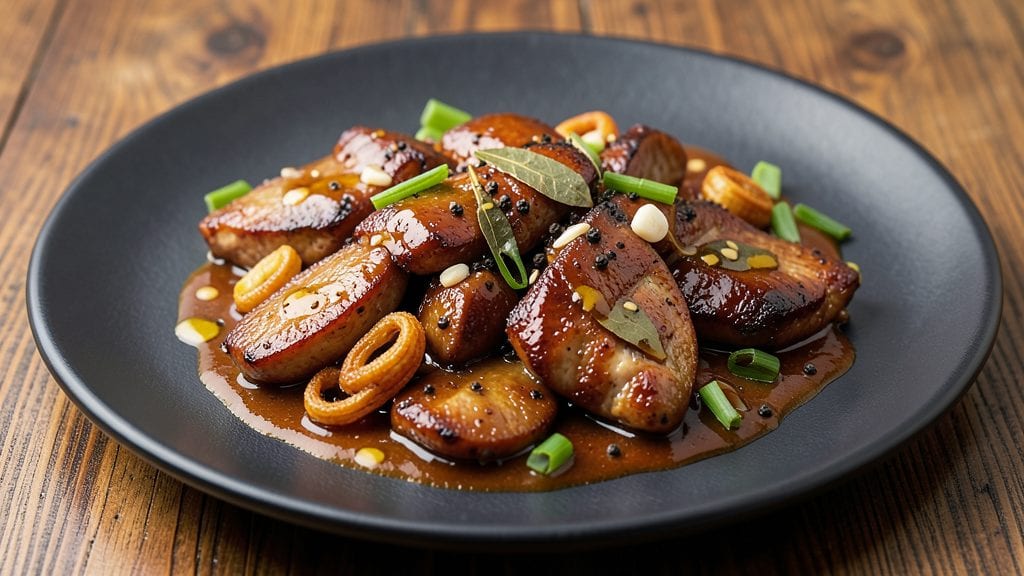
This Filipino-style chicken liver adobo transforms humble offal into a deeply flavorful, restaurant-worthy dish that balances tangy vinegar with savory soy and aromatic garlic. The secret lies in the slow braising process, where chicken livers develop a tender yet firm texture while absorbing the rich, slightly sweet-sour sauce.
I first discovered this recipe during a visit to a local Filipino restaurant, where the owner insisted it was the perfect way to elevate an often-overlooked ingredient.
The beauty of adobo lies in its simplicity—just a handful of pantry staples create an explosion of umami and acidity.
Chicken livers are first soaked in vinegar to tenderize and remove any bitterness, then braised with garlic, bay leaves, and black peppercorns until the sauce reduces into a glossy, caramelized finish.
This method ensures every bite delivers a perfect balance of textures and flavors, making it ideal for weeknight dinners or special occasions.
What you’ll achieve is a dish where tender, slightly crisp-edged livers float in a glossy sauce that’s both tangy and deeply savory. The aroma alone—garlicky, vinegary, and slightly smoky—will have everyone at the table anticipating the first bite.
Serve it with steamed rice to soak up every last drop of that luxurious sauce, or pair it with crusty bread for a heartier meal.
This recipe bridges tradition and accessibility, using classic Filipino techniques while adapting them for home cooks. Whether you're a seasoned chef or a curious beginner, the step-by-step process ensures foolproof results every time. Let’s get cooking—your taste buds will thank you.
Ingredients for chicken liver adobo
Pantry staples meet Filipino tradition—just 12 ingredients for bold, tangy richness.
| Ingredient | Amount | Notes |
|---|---|---|
| Chicken Livers 🍗 | 1 ½ lb | Fresh, trimmed of connective tissue |
| White Vinegar 💧 | 1 cup | Distilled or cane vinegar preferred |
| Soy Sauce 🍶 | ½ cup | Light or all-purpose soy sauce |
| Garlic Cloves 🧄 | 8 cloves | Fresh, peeled and smashed |
| Bay Leaves 🍃 | 2 whole | Dried, for deep aroma |
| Black Peppercorns 🌶️ | 1 tsp | Whole, lightly crushed |
| Olive Oil 🫒 | 2 tbsp | Extra-virgin, for searing |
| Brown Sugar 🍯 | 1 tbsp | Light or dark, for balance |
| Salt 🧂 | 1 tsp | Kosher or sea salt |
| Water 💧 | ½ cup | For deglazing and simmering |
| Green Onions 🧅 | 2 whole | Sliced, for garnish |
| Steamed White Rice 🍚 | 2 cups | Cooked, for serving |
The chicken livers are the star, so pick the freshest you can find—look for vibrant red color and no yellowing. Most grocery stores carry them in the butcher section, but Asian markets often have them pre-packaged and ready to go. If you're squeamish about offal, don't worry—the vinegar soak removes any bitterness and tenderizes them perfectly. I like to buy mine from local farms when possible, but the frozen section works in a pinch. Just thaw them overnight in the fridge before using. The garlic? Fresh is non-negotiable here—it's the backbone of the flavor, so don't skip on quality.
No white vinegar? Apple cider vinegar or rice vinegar will work, but the flavor profile shifts slightly. Short on soy sauce? Coconut aminos or tamari are great substitutes, though the color will be different. The brown sugar can be swapped for white sugar or even a touch of honey if you prefer. For the peppercorns, if you can't find whole ones, crushed black pepper at half the amount works fine. The bay leaves are crucial—they add that deep, earthy aroma that makes this dish sing. If you don't have any, dried thyme at a quarter teaspoon can stand in, but it won't be exactly the same.
This dish tastes even better the next day as the flavors meld together. Store leftovers in an airtight container in the fridge for up to 4 days. The sauce thickens as it cools, so you might want to add a splash of water when reheating. For serving, I always make extra rice—everyone will want seconds. The livers keep well in the sauce, so you can reheat just the portions you need. Freezing isn't recommended for the livers themselves, but the sauce can be frozen for up to 3 months if you want to make a big batch ahead of time.
Why You'll Love This Recipe
- Pantry Magic: I swear by this recipe when I’m staring at my fridge wondering what to make. Chicken livers, vinegar, and soy sauce? That’s it. No fancy shopping trips—just pull what you’ve got and go.
- Umami Bomb: The garlic and bay leaves simmered into that soy-vinegar sauce? It’s the kind of flavor that hits you in the best way—savory, tangy, and just a little funky in the right spots.
- Leftovers That Shine: This isn’t the kind of dish that gets sad in the fridge. Reheat it, toss it with rice, or even stuff it into an omelet the next day—it’s that good, that reliable.
- Budget Powerhouse: Chicken livers are cheap, and this recipe stretches them far. Honestly, I make it twice a month just to keep my grocery bill in check without sacrificing taste.
Step-by-step instructions for chicken liver adobo
Here's how to transform simple ingredients into a rich, savory Filipino classic with tender chicken livers.
Prepare the Chicken Livers
Start by trimming the chicken livers of any connective tissue or silver skin using a sharp knife. Rinse them thoroughly under cold water and pat completely dry with paper towels—this step is crucial for preventing a greasy final dish. Cut each liver into 1-inch pieces for even cooking.
In a large skillet, heat the 2 tablespoons olive oil over medium-high heat until shimmering. Add the chicken liver pieces in a single layer and cook undisturbed for 2-3 minutes per side until they develop a golden-brown crust. You'll see the edges start to crisp—that's your signal to flip. Once browned on both sides, remove the livers from the pan and set aside on a plate.
Build the Adobo Base
In the same skillet (no need to wipe it clean—the browned bits add flavor), add the 8 smashed garlic cloves and cook for 30 seconds until fragrant. Be careful not to let them burn, as garlic turns bitter quickly. Add the 2 whole bay leaves and 1 teaspoon lightly crushed black peppercorns, stirring for 10 seconds to release their aromas.
Pour in the 1 cup white vinegar and the 0.5 cup soy sauce, scraping up any browned bits from the bottom of the pan. Bring the mixture to a simmer over medium heat, then reduce heat to low and let it cook uncovered for 5 minutes. This step develops the complex flavors that make adobo so special.
Simmer the Livers in Sauce
Return the browned chicken livers to the skillet and add the 1 tablespoon brown sugar, 1 teaspoon salt, and 0.5 cup water. Stir gently to combine, then increase heat to medium-high and bring the mixture to a gentle boil. Once boiling, reduce heat to low, cover the skillet, and let it simmer for 15-20 minutes, stirring occasionally.
You'll know the livers are perfectly cooked when they're tender and the sauce has thickened slightly. The livers should be fork-tender with no pink remaining in the center. If the sauce reduces too quickly, add 1-2 tablespoons of water to maintain the right consistency.
Finish and Serve
Remove the 2 whole bay leaves from the sauce. Taste and adjust seasoning if needed—you might want to add a bit more salt or soy sauce to balance the flavors. Stir in the sliced green onions just before serving to keep them bright and crisp.
Serve the chicken liver adobo hot over 2 cups steamed white rice. The rich, tangy sauce will pair beautifully with the neutral rice, creating a satisfying balance of flavors. This dish serves 4, so you'll have leftovers that taste even better the next day!
Pro Tips For Making Chicken Liver Adobo
- Blanching First: Drop those livers in boiling water for 30 seconds before cooking—this removes the iron-rich blood and keeps your adobo from turning muddy. I learned this the hard way after making a batch that looked like a science experiment gone wrong.
- Sear, Don’t Simmer: High heat is your friend here—get those livers golden brown in a hot pan before adding vinegar. Low and slow turns them rubbery, and nobody wants that. Think of it like searing a steak, not poaching fish.
- Toast the Garlic: Crush those cloves and fry them in oil until they’re golden, not just fragrant. That extra crunch and depth cut through the vinegar’s sharpness. Skip this, and your adobo will taste like it’s missing something—because it is.
- Reduce the Vinegar: Don’t pour in all the vinegar at once—simmer it down first to mellow the acid. Start with half, reduce it until syrupy, then add the rest. This keeps the dish balanced, not like you’re drowning in a salad dressing.
Troubleshooting this recipe
Overcooked Livers
If your chicken livers turn rubbery or dry, you’ve likely overcooked them. The key is timing—remove them from the sauce as soon as they’re fork-tender (about 15-20 minutes total cooking time). Overcooking happens when the heat is too high or the livers sit too long in the sauce.
To fix this, reduce the simmering time by 5 minutes next time, and cover the pan tightly to retain moisture. 🌡️
Sauce Too Thin
A watery sauce usually means the vinegar and soy mixture didn’t reduce enough. Simmer uncovered for an extra 5-10 minutes to thicken it naturally. If it’s still too thin, remove the livers and reduce the sauce over high heat until it coats the back of a spoon.
Stir in 1 teaspoon cornstarch mixed with 1 tablespoon water to thicken it quickly—just don’t overdo it, or the sauce will turn gluey.
Bitterness Lingers
If your adobo tastes bitter, the vinegar soak wasn’t long enough. Soak the trimmed livers in 1 cup vinegar for at least 30 minutes before cooking—this removes bitterness and tenderizes them.
If you skipped the soak, try adding 1 teaspoon sugar or ½ teaspoon baking soda to the sauce to balance the flavor. Rinse the livers in cold water before cooking to remove excess bitterness.
Garlic Burns Quickly
Burnt garlic ruins the dish’s aromatic base. Cook it over medium-low heat for just 30 seconds until fragrant, not golden. If it starts to brown too fast, remove the pan from heat for 10 seconds** to cool it down slightly.
For extra insurance, add the garlic to the vinegar and soy sauce right away—this lowers the heat and prevents burning.
Livers Stick to Pan
Sticking happens when the livers aren’t dry enough or the oil isn’t hot enough. Pat them completely dry with paper towels before searing, and heat the oil until it shimmers (350°F).
Use a 12-inch cast-iron skillet—its heavy base distributes heat evenly. If they still stick, add 1 tablespoon butter to the oil for extra lubrication.
Sauce Too Salty
If the sauce tastes overwhelmingly salty, dilute it with 2-3 tablespoons water and simmer for another 5 minutes to let the flavors rebalance. For a quicker fix, add 1 tablespoon rice** (uncooked) to absorb excess salt—strain it out before serving.
To prevent this, taste the sauce before adding salt, and start with just ½ teaspoon** instead of the full amount.
Nutrition facts
Frequently asked questions
Why do I need to soak chicken livers in vinegar before cooking?
The vinegar soak serves two crucial purposes: it tenderizes the livers and removes any bitterness. Chicken livers contain natural enzymes that can make them tough if not properly prepared. The acidity of the vinegar breaks down these enzymes while also mellowing the flavor. For best results, soak them for at least 30 minutes before cooking. This step is non-negotiable for achieving that perfect silky texture.
Can I substitute chicken livers with another type of liver?
While chicken livers work beautifully in this recipe, you can use duck or pork livers as substitutes. However, the cooking time may vary slightly—duck livers are richer and may require 10-15 minutes less simmering time, while pork livers need about the same duration as chicken. Keep in mind that duck livers will make the sauce even more luxurious, but they're pricier. Always trim excess fat to avoid a greasy dish.
What's the best way to reheat leftover chicken liver adobo?
Reheat gently to preserve the sauce's texture. Place the leftovers in a saucepan and warm over low heat for 5-7 minutes, stirring occasionally. If the sauce thickens too much, add 1-2 tablespoons water to restore its consistency. Microwaving is possible but can make the sauce watery—if you choose this method, heat in 30-second intervals, stirring between each. The dish tastes even better the next day as flavors meld!
Is this recipe suitable for beginners?
This adobo recipe is perfect for beginners because it uses simple techniques and minimal ingredients. The key steps—soaking, searing, and simmering—are all beginner-friendly. Just follow the instructions carefully, especially the 2-3 minute searing time for the livers, and you'll achieve restaurant-quality results. The vinegar soak also forgives minor mistakes in cooking time. Don't be intimidated by offal—this recipe makes it approachable!
Can I make this adobo without soy sauce?
While soy sauce is traditional, you can substitute it with ½ cup coconut aminos or ½ cup tamari for a gluten-free version. For a deeper umami flavor, try ½ cup fish sauce (reduce to taste, as it's saltier). If you're avoiding soy entirely, a mix of ½ cup vinegar and 1 teaspoon salt can mimic some of its savory depth, though the sauce will be less complex. The dish will still be delicious, just with a slightly different profile.