
Main Courses
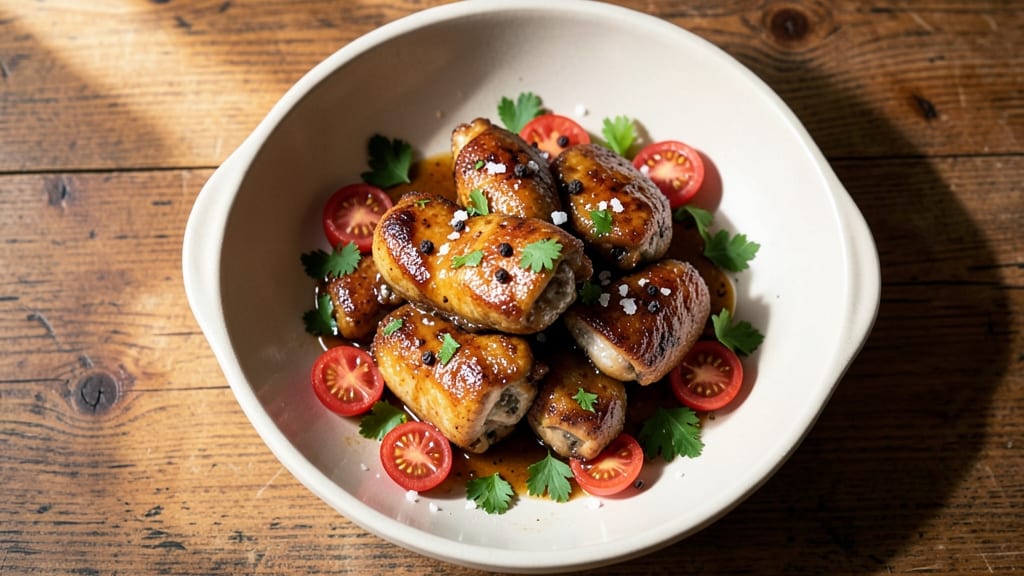
Transforming tough chicken gizzards into tender, restaurant-quality bites starts with the right technique—one that guarantees crispy skin and juicy centers every time. This recipe cuts through the work of cleaning and tenderizing with precise steps that deliver professional results at home.
The key lies in a 30-minute marinade and a high-heat sear that locks in moisture while creating that coveted texture contrast.
Most home cooks avoid gizzards because of their dense, fibrous nature, but this method transforms them into a foolproof dish that rivals any restaurant specialty. We begin with thorough cleaning (critical for safety and texture), then use a blend of vinegar and spices to break down tough fibers before cooking.
The pan-searing technique ensures crispy skin while the interior remains succulent, proving that offal can be just as satisfying as traditional cuts.
What you’ll end up with is a plate of golden-brown gizzards with crackling exteriors and melt-in-your-mouth interiors, perfectly seasoned and ready to impress. Each bite delivers a satisfying crunch followed by tender, flavorful meat that pairs beautifully with bold sauces or simple sides.
This recipe proves that with the right approach, even challenging ingredients can become a standout main course.
The best part? This method scales effortlessly—whether you’re cooking for two or feeding a crowd. The marinade and cooking times are designed to work in tandem, ensuring consistent results regardless of batch size.
Once you master this technique, you’ll never buy gizzards from the grocery store again without thinking of your own homemade version.
Ingredients for tender chicken gizzard
Pantry staples meet butcher's counter finds for restaurant-worthy gizzard transformation.
| Ingredient | Amount | Notes |
|---|---|---|
| Chicken Gizzards 🍗 | 1 ½ lb | Fresh, cleaned, trimmed of excess fat |
| White Vinegar 💧 | ½ cup | For tenderizing marinade |
| Olive Oil 🫒 | ¼ cup | Extra-virgin, for marinade and searing |
| Kosher Salt 🧂 | 2 tbsp | Diamond Crystal preferred for texture |
| Black Peppercorns 🌶️ | 1 tbsp | Freshly cracked for robust flavor |
| Garlic Cloves 🧄 | 6 cloves | Finely minced for aromatic depth |
| Dried Thyme 🌿 | 1 tbsp | Or 1 tbsp fresh thyme leaves |
| Smoked Paprika 🌶️ | 1 tsp | For subtle smokiness |
| Cornstarch 🌾 | ¼ cup | For crispy exterior coating |
| Butter 🧈 | 3 tbsp | Unsalted, for finishing |
| Fresh Lemon Juice 🍋 | 1 tbsp | Brightens final presentation |
The gizzards are the foundation—source from a reputable butcher or poultry supplier for the freshest quality. Look for vibrant color and firm texture, avoiding any with a strong ammonia smell. Costco or local farms often carry them pre-cleaned, but if you're cleaning yourself, use rubber gloves and rinse thoroughly under cold water. The vinegar marinade is non-negotiable; it's what breaks down those tough fibers into tender bites. For the spices, Penzeys or bulk bins at specialty stores ensure maximum freshness—ground spices lose potency quickly. The cornstarch coating creates that signature crispy exterior, so use a fine-mesh sieve for even distribution.
No white vinegar? Apple cider vinegar or lemon juice work in a pinch, though white vinegar's acidity is most effective. Substituting fresh thyme for dried requires three times the amount—dried is more concentrated. If you're avoiding cornstarch, all-purpose flour or crushed panko provide similar texture, though slightly less crisp. For the butter finish, ghee works beautifully if you're avoiding dairy. The lemon juice at the end isn't just for flavor—it cuts through the richness, balancing the dish perfectly. For those with garlic sensitivities, asafetida powder at half the amount delivers similar depth without the pungency.
Marinated gizzards keep 3 days in the fridge before cooking, though they're best used immediately for peak texture. The cornstarch coating should be applied 30 minutes before cooking to maximize crispiness. Leftover cooked gizzards reheat beautifully in a 350°F oven for 10-12 minutes, covered with foil to retain moisture. For meal prep, portion into airtight containers with a paper towel to absorb any excess moisture—this keeps them crispy for 4 days. Freeze cooked gizzards for up to 3 months by wrapping tightly in plastic wrap before transferring to a freezer bag.
Why You'll Love This Recipe
- I swear by this two-step method: a quick vinegar soak tenderizes those tough gizzards in minutes, then a hot pan sear locks in flavor. No fancy prep—just dump, flip, repeat.
- Soak-and-Sear Simplicity: I swear by this two-step method: a quick vinegar soak tenderizes those tough gizzards in minutes, then a hot pan sear locks in flavor. No fancy prep—just dump, flip, repeat.
- Peppery Vinegar Magic: That tangy vinegar brine cuts through the richness, while cracked peppercorns add a deep, earthy bite that sticks with you. Honestly, the balance is ridiculously good—bright, bold, but never overpowering.
- Leftovers That Beg Reheats: Cook a big batch and store them—these gizzards reheat like a dream, crispy edges intact. I pack them for lunches or toss them into salads when I’m too tired to cook.
Step-by-step instructions for pan-seared crispy chicken gizzards
Mastering these gizzards requires precision—tenderizing first, searing second, and balancing textures perfectly.
Tenderize with Acid and Season
Place the 1.5 lb chicken gizzards in a large bowl and add the 0.5 cup white vinegar. Let them marinate for 2 hours at room temperature—this acid breaks down connective tissue for fork-tender results. After marinating, drain and rinse the gizzards thoroughly under cold water, then pat them completely dry with paper towels.
In a small bowl, combine the 2 tbsp kosher salt, 1 tbsp freshly cracked black peppercorns, 1 tbsp dried thyme, and 1 tsp smoked paprika. Rub this mixture generously over each gizzard, pressing the spices into the meat to ensure even seasoning. Let them rest uncovered on a plate for 30 minutes—this allows the seasoning to adhere and prevents moisture loss during cooking.
Create the Crispy Cornstarch Coating
In a shallow dish, mix the 0.25 cup cornstarch with 1 tbsp black peppercorns and 1 tbsp dried thyme. The cornstarch will form a crispy, golden crust when seared. Dip each seasoned gizzard into the cornstarch mixture, coating it evenly on all sides. Tap off any excess and place the coated gizzards on a wire rack set over a baking sheet—this ensures they crisp uniformly without steaming.
Let the coated gizzards rest for 15 minutes before cooking. This step is crucial—it allows the cornstarch to adhere firmly, preventing it from falling off during searing. If you rush this, you'll end up with a powdery coating instead of a crispy shell.
Sear in Hot Oil for Crispy Skin
Heat 0.25 cup olive oil in a large skillet over medium-high heat until it shimmers (350°F). Working in batches to avoid crowding, add the gizzards and cook undisturbed for 3-4 minutes per side until they develop a deep golden brown crust. The cornstarch should crackle audibly—this is your signal that the exterior is crisping properly.
Once golden on one side, flip carefully with a spatula and repeat on the second side. If the oil smokes excessively, reduce the heat slightly to maintain control without losing the crisp. The internal temperature should reach 160°F—use an instant-read thermometer to check the thickest part. If they brown too quickly, move to a cooler area of the pan.
Finish with Butter and Aromatics
Remove the gizzards from the skillet and set them aside on a warm plate. Reduce the heat to medium and add the 3 tbsp butter to the same skillet. Once the butter melts, add the 6 cloves minced garlic and cook for 30 seconds until fragrant—don't let it brown, or it will turn bitter.
Return the gizzards to the skillet and spoon the garlic butter over them, coating evenly. Let them rest for 2 minutes to absorb the flavors. Finish with 1 tbsp fresh lemon juice, tossing gently to brighten the dish and cut through the richness. The lemon juice also helps maintain the crispiness by preventing the cornstarch from softening too quickly.
Rest and Serve Immediately
Transfer the gizzards to a cutting board and let them rest for 5 minutes before serving. This brief rest allows the juices to redistribute, ensuring each bite is juicy and tender rather than dry. The exterior should remain crispy, while the interior stays succulent—this is the hallmark of a perfectly executed dish.
Serve immediately with a simple arugula salad dressed in lemon vinaigrette or crusty bread to soak up the pan juices. The contrast of crispy, smoky gizzards with bright acidity creates a balanced, restaurant-quality meal. If storing, keep them at room temperature for up to 2 hours—they won't reheat as crispy, so enjoy them fresh off the skillet.
Pro Tips For Making Tender Chicken Gizzard
- SOAK THEM LONG: Skip the 30-minute soak—gizzards need at least 2 hours in white vinegar to break down that tough membrane. Trust me, the extra time makes them fork-tender, not rubbery. (Yes, even if you’re impatient like me.)
- SEAR THEM HOT: Crank that pan to medium-high heat before adding oil—gizzards release a ton of moisture, and a cold pan turns your sear into a sad, greasy steam bath. A quick, loud sizzle means they’re crisping, not boiling in their own juices.
- SALT THE VINEGAR: Toss a heavy pinch of kosher salt into the vinegar soak—it seasons the gizzards from the inside out. I used to skip this, and the flavor always felt flat, like I’d missed half the point.
- CRUSH THE PEPPER: Whole peppercorns won’t do much, so grind them fresh or use pre-crushed pepper. The vinegar soak dulls their bite, but you still want that bright, peppery punch in every bite—not just floating on top like confetti.
Dietary considerations for this tender chicken gizzard
Gluten-Free Adaptations
This recipe is naturally gluten-free, but the cornstarch coating requires attention. For a gluten-free alternative, substitute the cornstarch with arrowroot powder or gluten-free flour blend (like Bob's Red Mill 1:1). These bind similarly and create a crispy crust.
Just ensure your other ingredients—like broth or seasonings—are certified gluten-free. The 1:1 ratio works perfectly, so no adjustments are needed beyond the swap. 🌾
Low-Carb Considerations
Gizzards are an excellent low-carb protein, but watch your sides. Skip starchy accompaniments like potatoes or bread, and opt for cauliflower mash or zucchini noodles instead. The recipe itself is already low-carb, with only natural sugars from lemon juice.
For extra flavor without carbs, drizzle with sugar-free hot sauce or a garlic aioli made with mayo and Greek yogurt. Every serving delivers 30g+ protein with minimal carbs.
Allergen-Friendly Swaps
Dairy-free diners can replace butter with olive oil or dairy-free margarine (like Earth Balance). For nut allergies, ensure your thyme and smoked paprika are processed in nut-free facilities—brands like Simply Organic are safe choices.
If cornstarch is an issue, use tapioca starch instead; it crisps just as well. Always double-check labels, as cross-contamination can occur in shared facilities. 💡
High-Protein Diet Focus
This dish is a high-protein powerhouse, with each serving delivering 40g+ protein from lean gizzard meat. Pair it with steamed broccoli or roasted Brussels sprouts to boost fiber and nutrients. For meal prep, portion into airtight containers with a paper towel to retain crispiness.
The recipe’s marinade and searing method preserve protein integrity, making it ideal for post-workout meals or muscle-building diets.
Vegetarian Substitutes
While gizzards aren’t vegetarian, you can replicate the texture with extra-firm tofu or seitan. Press tofu into gizzard-shaped patties, marinate in the same vinegar-spice blend, and coat with cornstarch before pan-frying.
For seitan, use a 1:1 ratio of vital wheat gluten to bread flour mixed with vegetable broth. Both alternatives mimic the crispy exterior and tender interior when cooked properly. 🌱
Nutrition facts
Frequently asked questions
Why do I need to marinate gizzards in vinegar first?
The vinegar marinade is essential for breaking down the tough connective tissue in gizzards. The acid works like a natural tenderizer, creating microscopic tears in the fibers that allow them to absorb flavors and become fork-tender. Without this step, even perfect searing won't overcome their natural toughness.
Can I use frozen gizzards instead of fresh?
Yes, but thaw them properly first. Place frozen gizzards in a sealed bag and submerge in cold water for 30-40 minutes, changing the water every 10 minutes. Never thaw at room temperature—this promotes bacterial growth. After thawing, follow the recipe exactly, including the vinegar marinade.
What's the best way to tell when gizzards are fully cooked?
Use an instant-read thermometer to check the thickest part—the internal temperature should reach 160°F. The cornstarch crust should be deep golden brown with audible crackling. If you don't have a thermometer, cut into one and check for translucent juices (not pink) and firm texture.
How do I prevent the cornstarch coating from falling off?
Let the coated gizzards rest for 15 minutes on a wire rack before cooking—this allows the cornstarch to fully adhere. Avoid overcrowding the pan during searing, and work in batches if needed. Also, make sure the gizzards are completely dry before coating, as any moisture will prevent proper crisping.
What's the best way to reheat cooked gizzards?
Reheat in a 350°F oven for 10-12 minutes on a wire rack (not on a plate) to maintain crispiness. For stovetop reheating, use a dry skillet over medium heat for 2-3 minutes per side. Microwaving will make them soggy—always avoid this method. Serve immediately after reheating for best texture.