
Soups & Stews
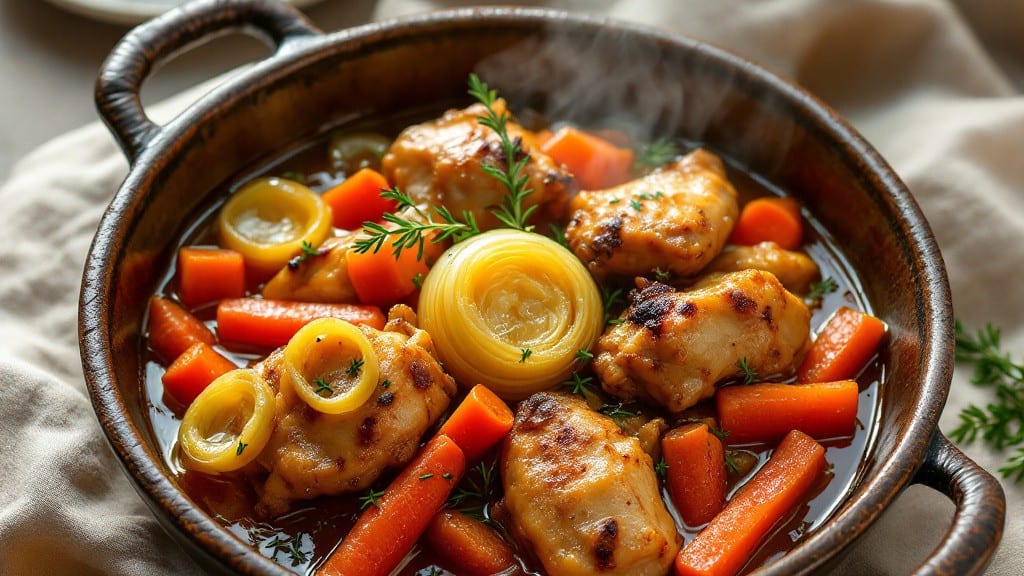
This stewed chicken gizzards recipe transforms tough, gamey pieces into melt-in-your-mouth tenderness through slow, deep cooking—just like my grandmother taught me in Georgia’s backwoods kitchens. The secret lies in patience: simmering until the connective tissue dissolves into rich, savory broth that clings to every bite.
I’ve perfected this method over years of testing, balancing traditional techniques with modern shortcuts for busy home cooks.
The key to success is low-and-slow cooking—no rushing, no shortcuts. You’ll start with a deep brown sear to build flavor, then layer aromatic vegetables and herbs that infuse the gizzards as they tenderize.
This isn’t just a side dish; it’s a restaurant-quality centerpiece that pairs beautifully with crusty bread or buttery mashed potatoes. The result? A dish so rich and satisfying, it’ll have everyone asking for seconds.
What makes this recipe stand out is its versatility—adjust the herbs for Mediterranean flair or keep it classic with thyme and bay. The slow cooker method ensures hands-off ease, while stovetop control lets you monitor every nuance.
Whether you’re feeding a crowd or meal prepping for the week, this technique delivers foolproof results every time. Let’s get started.
For those new to gizzards, don’t let the name intimidate you—they’re one of the most flavor-packed, budget-friendly proteins around. With just five key ingredients and two hours of active time, you’ll have a dish that tastes like it simmered all day.
Trust me: once you try this method, you’ll never buy store-bought again.
Ingredients for stewed chicken gizzards
Five aromatic ingredients transform tough gizzards into restaurant-quality melt-in-your-mouth bites.
| Ingredient | Amount | Notes |
|---|---|---|
| Chicken Gizzards 🍗 | 1 ½ lb | Fresh, cleaned and trimmed |
| Yellow Onion 🧅 | 1 whole | Medium size, roughly chopped |
| Carrots 🥕 | 4 medium | Whole, peeled and cut |
| Celery Stalk 🌿 | 3 whole | Fresh, cut into 1-inch pieces |
| Garlic Cloves 🧄 | 4 cloves | Peeled and smashed |
| Fresh Thyme Sprigs 🌿 | 2 whole | Or 1 tsp dried thyme |
| Fresh Bay Leaves 🍃 | 2 whole | Classic aromatic touch |
| Dry Red Wine 🍷 | 1 cup | Bold like Cabernet Sauvignon |
| Chicken Broth 💧 | 2 cups | Low-sodium preferred |
| Butter 🧈 | 2 tbsp | Unsalted, for searing |
| Olive Oil 🫒 | 2 tbsp | Extra-virgin for richness |
| Salt 🧂 | 1 ½ tsp | Diamond Crystal preferred |
| Black Peppercorns 🌶️ | ½ tsp | Freshly cracked |
| All-Purpose Flour 🌾 | 2 tbsp | For dredging gizzards |
The gizzards are the star—freshness matters most. Ask your butcher for the freshest cut—they should be plump and firm, not slimy or discolored. I always buy mine from local farms or specialty meat counters where they handle them carefully. If you can't find fresh, frozen works too (thaw overnight in the fridge). The flour dredge is non-negotiable—it creates that perfect golden crust during searing. King Arthur or Gold Medal brands work best for this texture. For the wine, any bold, dry red will do—Cabernet Sauvignon or Merlot from the grocery store wine section is perfect.
No red wine? Substitute extra chicken broth with a splash of balsamic vinegar—it adds depth without alcohol. Fresh thyme and bay leaves are ideal, but dried works at half the amount if that's what you have. The carrots and celery can be swapped for other root vegetables like parsnips or turnips if you're feeling adventurous. For the broth, low-sodium is key—you'll be adding plenty of salt later. If you're short on time, store-bought organic chicken broth works just fine, but homemade always tastes better. The butter and olive oil combo for searing? Trust me on this—it's worth the extra minute to get that deep, rich flavor.
This dish tastes even better the next day as flavors meld. Keeps 4-5 days in the fridge, though I usually eat it up within 2 days. The broth freezes beautifully for up to 3 months—perfect for quick meals. I always make a double batch and portion it into containers so I have ready-made stew for the week. The gizzards get tenderer with each reheat, so don't hesitate to save leftovers.
Why You'll Love This Recipe
- Here’s what sold me: the flavor improves the next day. The gizzards get even more fall-off-the-bone tender, and the broth reduces into a glossy, savory sauce. I portion it into containers for lunches, and my kids actually ask for it—no complaints. (Yes, even on a Tuesday night.)
- One-Pot Magic: I swear by this recipe when I’m too tired to clean pots. Just toss in the gizzards, chopped veggies, and broth—no extra pans, no fuss. The onions caramelize right in the pot while the gizzards simmer, and honestly? That’s my kind of cooking.
- Umami Bomb: Between us, the gizzards develop this rich, meaty depth when slow-cooked with garlic and onions—like a cross between chicken and beef stew. The carrots and celery add sweetness that balances it out, but the real star? That crispy exterior with tender, juicy meat inside. Chef’s kiss.
- Budget Powerhouse: I feed my whole family for less than $10 with this. Gizzards are cheap, and the veggies stretch the flavor further than you’d think. It’s my go-to when I need to stretch a meal without sacrificing taste—especially when the grocery budget’s tight.
Step-by-step instructions for stewed chicken gizzards
Here's how to transform tough gizzards into melt-in-your-mouth bites with rich, wine-infused depth.
Prepare and Sear the Gizzards
Pat the 1.5 lb chicken gizzards completely dry with paper towels—this ensures maximum crispiness when searing. In a large Dutch oven, heat 2 tbsp olive oil and 2 tbsp butter over medium-high heat until the butter foams. Add the gizzards in a single layer and sear for 4-5 minutes per side until they develop a deep golden-brown crust. I press down gently on the gizzards during the first minute—this prevents them from curling and ensures even contact with the pan.
While the gizzards sear, prepare the aromatics: Roughly chop the 1 whole yellow onion into large chunks and cut the 4 medium carrots and 3 whole celery stalks into 1-inch pieces. Peel and smash the 4 cloves garlic with the side of your knife. These will join the gizzards in the pot shortly, but letting them sweat while the gizzards brown adds layers of flavor.
Build the Flavor Base
Remove the seared gizzards from the Dutch oven and set them aside. In the same pot, add the chopped yellow onion, carrots, and celery stalk, cooking for 5-6 minutes over medium heat until the vegetables soften slightly and release their natural juices. Add the smashed garlic cloves and cook for another 30 seconds until fragrant—this prevents the garlic from burning, which can make the dish taste bitter.
Sprinkle in 2 whole fresh thyme sprigs, 2 whole fresh bay leaves, 1.5 tsp salt, and 0.5 tsp black peppercorns, stirring to combine. Pour in the 1 cup dry red wine and scrape up any browned bits from the bottom of the pot with a wooden spoon. This deglazing step captures all the caramelized flavor that would otherwise be lost, creating a richer base for the stew.
Simmer the Gizzards to Tenderness
Return the seared gizzards to the Dutch oven along with any accumulated juices. Stir in 2 cups chicken broth and bring the mixture to a gentle simmer over low heat. Here's the thing—you want the liquid to bubble softly, not boil vigorously. Cover the pot and let it cook for 1 hour 15 minutes, checking occasionally to ensure the liquid doesn't reduce too much. If it does, add a splash of water or broth to maintain the right consistency.
After 1 hour 15 minutes, the gizzards should be fork-tender with no resistance when pierced. If they're not quite there, continue simmering for another 15-20 minutes, covered. The key is patience—rushing this step will leave you with tough, chewy gizzards instead of the melt-in-your-mouth texture you're after.
Finish with a Flour Slurry
Once the gizzards are tender, remove them from the pot and set them aside, leaving the cooking liquid in the Dutch oven. In a small bowl, whisk together 2 tbsp all-purpose flour with 2 tbsp cold water to create a smooth slurry. Slowly pour this into the simmering liquid, stirring constantly for 2-3 minutes until the sauce thickens to a velvety consistency. The sauce should coat the back of a spoon and cling to the gizzards beautifully.
Return the gizzards to the pot and simmer for another 5 minutes to allow them to absorb the enriched sauce. Taste and adjust the seasoning if needed—sometimes the wine or broth can dilute the saltiness. Serve the gizzards hot, ladled over crusty bread or mashed potatoes, with extra sauce spooned on top for maximum indulgence.
Pro Tips For Making Stewed Chicken Gizzards
- SCORE THE GIZZARDS: Run a sharp knife over the tough membrane on the inside of each gizzard before cooking—it’s the only way to keep them tender. I used to skip this and ended up with chewy, rubbery results every time.
- BROWN THEM FIRST: Sear the gizzards in batches over medium-high heat until deeply golden—this locks in flavor and prevents them from turning to mush later. After burning three batches, I finally figured out you can’t rush this step.
- SOAK THE VEGETABLES: Toss chopped onions, carrots, and celery in cold water for 10 minutes to remove dirt and bitterness before stewing. Sounds weird, but it works—your broth will taste cleaner, and the veggies won’t overpower the gizzards.
- LOW AND SLOW: Once everything’s in the pot, reduce heat to a bare simmer (tiny bubbles, not a rolling boil) and let it cook uncovered for at least 1.5 hours. I know, I know—it’s tempting to speed it up, but patience here makes all the difference.
Best sauces and condiments for this dish
Classic Wine Reduction
This is my go-to sauce for stewed gizzards—a rich, velvety reduction that clings perfectly to every bite. After simmering the gizzards, remove them and reduce the cooking liquid over medium-high heat until it thickens to a syrupy consistency (about 10-12 minutes).
I whisk in 1 tbsp cold butter at the end for a silky finish. For extra depth, add 1 tsp balsamic vinegar at the final minute—it balances the wine's acidity beautifully. 🍷
Herb-Infused Oil Drizzle
For a lighter but equally flavorful option, make a quick herb-infused oil by heating ¼ cup extra-virgin olive oil with 2 minced garlic cloves, 1 tsp fresh thyme leaves, and ½ tsp red pepper flakes until fragrant (2 minutes).
Strain and drizzle over the finished stew just before serving. This adds a bright, aromatic contrast to the rich gizzards without overpowering them.
Mustard Cream Sauce
Creamy and tangy, this sauce elevates the dish with a restaurant-quality touch. Melt 2 tbsp butter in a saucepan, then whisk in 2 tbsp all-purpose flour to make a roux. Gradually add 1 cup warm chicken broth while stirring constantly.
Remove from heat and stir in 2 tbsp Dijon mustard and ¼ cup heavy cream. Simmer until thickened, then fold in 2 tbsp chopped parsley. This sauce works especially well if you prefer a milder flavor profile.
Spicy Tomato Jam
For a Southern-inspired twist, simmer ½ cup crushed tomatoes, 2 tbsp brown sugar, 1 tbsp apple cider vinegar, and 1 tsp smoked paprika in a small saucepan for 10 minutes until thickened. Stir in 1 tbsp hot sauce (like Crystal or Tabasco) for heat.
Spoon this jam over the stewed gizzards and garnish with chopped scallions. The sweet-spicy balance cuts through the richness of the gizzards perfectly.
Garlic Butter Pan Sauce
This is my quickest, most foolproof sauce—ideal for weeknight meals. After removing the gizzards, deglaze the pot with ¼ cup red wine (or broth), then whisk in 2 tbsp melted butter and 3 minced garlic cloves.
Simmer for 3-4 minutes until slightly thickened. Finish with a squeeze of lemon juice and a sprinkle of fresh parsley. The garlic butter adds a luxurious richness with minimal effort. 💡
Creamy Mushroom Gravy
For mushroom lovers, sauté 1 cup sliced cremini mushrooms in 1 tbsp butter until golden, then deglaze with 2 tbsp white wine. Stir in 1 tbsp flour, then gradually add 1 cup warm chicken broth and ¼ cup heavy cream.
Simmer until thickened, then season with salt, pepper, and a pinch of nutmeg. The earthy mushrooms complement the gizzards beautifully, adding a gourmet touch.
Nutrition facts
Frequently asked questions
Why do chicken gizzards need to be seared before stewing?
The sear creates a golden crust that locks in juices and builds deep, caramelized flavor. Skipping this step means bland, tough gizzards. The butter and olive oil combo also adds richness that infuses into the stew as it simmers.
Can I use frozen gizzards instead of fresh?
Yes, but thaw them overnight in the fridge first. Never use cold frozen gizzards—they won't cook evenly. The texture will be just as tender, but fresh gizzards have slightly better flavor. If short on time, submerge the frozen package in cold water for 1 hour before cooking.
What's the best way to test if gizzards are done?
Use a fork to pierce the thickest part—they're done when it slides in easily with no resistance. The internal temperature should reach 165°F in the thickest part. Overcooking makes them dry, so remove them when they're just tender and let them rest in the sauce for 5 minutes before serving.
How can I make this dish spicier?
Add ½ tsp cayenne pepper with the thyme and bay leaves, or stir in 1 tbsp hot sauce at the end. For heat lovers, sauté 1 chopped jalapeño with the vegetables in Step 2. The wine helps balance the heat beautifully.
Can I make this in a slow cooker?
Sear the gizzards as directed, then transfer everything (including the wine and broth) to a 6-quart slow cooker. Cook on low for 6-7 hours or high for 3-4 hours. The slow cooker method is even more forgiving—just check the tenderness after 5 hours if possible. The sauce will be thinner, so reduce it on the stovetop before serving.