Main Courses
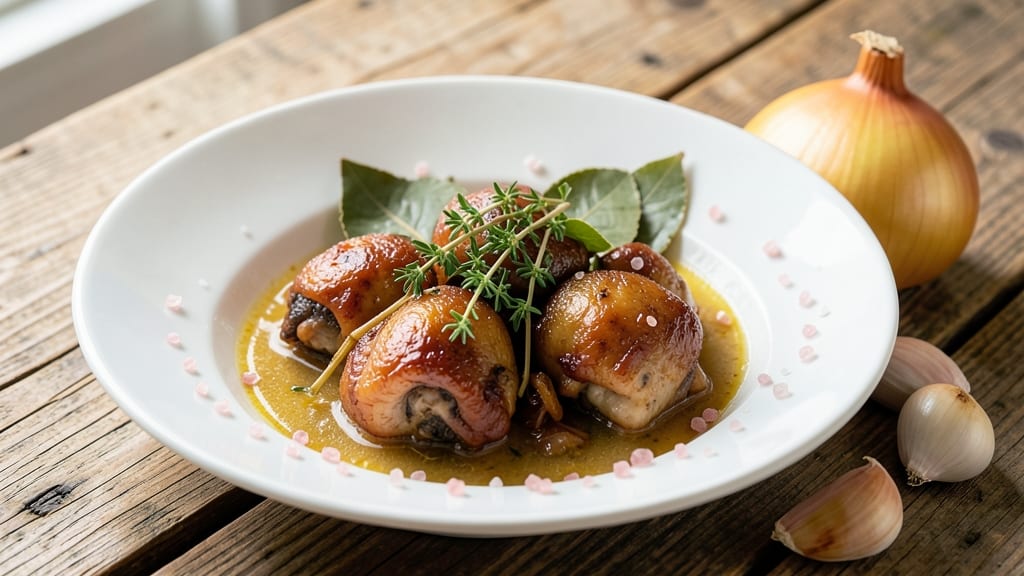
Mastering boiled chicken gizzards transforms tough, gamey meat into juicy, tender bites that shine in any dish. Growing up in small-town Georgia, I learned this technique from my grandmother, who swore by slow simmering and fresh herbs to unlock their full potential.
The key lies in proper preparation—cleaning, trimming, and seasoning—before the gentle cooking process that renders fat and infuses flavor.
This method delivers restaurant-quality results without requiring fancy equipment. A simple pot of boiling water, aromatic herbs, and a touch of salt work together to break down connective tissue while preserving moisture.
For maximum tenderness, I recommend simmering for 30 minutes after the water returns to a boil—just enough time to achieve that melt-in-your-mouth texture without drying out.
The finished gizzards will have a delicate, herby aroma and a velvety consistency that pairs beautifully with everything from creamy dips to hearty soups. Serve them warm alongside roasted vegetables or toss them into a rich gumbo for added depth.
This technique works equally well for pressure cooking or sous-vide adaptations, giving you flexibility in the kitchen.
Whether you're preparing for a family gathering or simply craving a comforting side, these herb-infused gizzards deliver foolproof satisfaction. The secret? Patience and attention to detail—both of which pay off in every bite. Let's get started with this timeless Southern technique refined through generations.
Ingredients for boiled chicken gizzard
Fresh herbs and careful prep turn tough gizzards into melt-in-your-mouth Southern bites—no shortcuts needed.
| Ingredient | Amount | Notes |
|---|---|---|
| Fresh Chicken Gizzards 🍗 | 1 ½ lb | Cleaned, trimmed, and rinsed |
| Fresh Bay Leaves 🌿 | 2 whole | For aromatic depth |
| Fresh Thyme Sprigs 🌿 | 4 whole | Stems attached for easy removal |
| Garlic Cloves 🧄 | 4 cloves | Smashed lightly for flavor |
| Large Yellow Onion 🧅 | 1 whole | Quartered, peeled, and halved |
| Diamond Crystal Kosher Salt 🧂 | 2 tbsp | For seasoning and flavor balance |
| Black Peppercorns 🌶️ | 1 tbsp | Coarsely cracked for texture |
| Fresh Parsley Stems 🌿 | 4 whole | For bright herbal finish |
| Lemon Wedges 🍋 | 2 whole | For acid balance (juiced) |
| Cold Water 💧 | 6 cups | Filtered preferred for clarity |
| Extra-Virgin Olive Oil 🫒 | 1 tbsp | For finishing drizzle |
The gizzards are the star, so source them fresh from a trusted butcher or poultry counter—avoid pre-packaged frozen gizzards unless you're thawing them overnight. Look for pale pink, plump gizzards with minimal gamey smell; the fresher, the better. Costco or local farms often have the best quality, but grocery store meat departments work too. Trim off any excess fat or connective tissue using kitchen scissors—this speeds up cooking and keeps them tender. I always ask the butcher to clean them first, but if you're doing it yourself, soak them in cold water for 10 minutes to remove any blood or impurities. The herbs? Fresh is non-negotiable—dried just won’t cut it here. Grab a bunch of thyme and parsley from the grocery store’s produce section, and pick up a few bay leaves while you’re there.
No fresh thyme? Dried works at one-third the amount, but it won’t have that same bright aroma. Short on parsley? Fresh cilantro or dill adds a different but still lovely herbal note. The onion and garlic are non-negotiable—they’re the flavor anchors. If you’re in a pinch, asafetida powder (1/4 tsp) can mimic onion’s depth, but fresh is always better. The lemon? Juice only—no zest, as the acidity helps tenderize but too much zest can overpower. For the water, filtered is ideal—it keeps the gizzards from absorbing any off-flavors, but tap water works in a bind. And that olive oil at the end? Don’t skip it—it adds richness and helps the herbs cling.
These gizzards reheat beautifully—steam or simmer for 3-4 minutes until warmed through. Store them in the fridge for up to 5 days, covered in their cooking liquid, or freeze for up to 3 months in an airtight container. For maximum tenderness, let them cool completely before refrigerating. I like to portion them into small glass jars so they’re ready to toss into soups or salads anytime. The herbs and lemon juice in the cooking liquid keep them fragrant—just warm it up with the gizzards when reheating. Leftovers? Toss them into gumbo, pair with cornbread, or serve with a creamy dill dip.
Why You'll Love This Recipe
- Pantry-to-Pot Speed: I swear by this recipe when I’m starving but short on time—just gizzards, a chopped onion, and a few whole spices tossed in boiling water. No chopping boards, no fancy techniques, just 20 minutes of hands-off simmering while I handle whatever else life throws at me.
- Herb-Packed Punch: That first bite? The garlic cloves and thyme sprigs infuse the gizzards with a deep, savory warmth—almost like a hug for your taste buds. (Yes, even if you’re not usually a fan of offal, this combo changes minds.)
- Leftovers That Shine: Boiled gizzards keep beautifully for days, so I make a big batch and use them in everything—fried rice, wraps, or even tossed with pasta. Honestly, the second day’s flavor only gets better as the spices meld.
- Budget Game-Changer: A whole chicken gives you gizzards for pennies compared to other proteins, and they’re packed with flavor. I’ll be real: this is how I stretch my grocery budget without sacrificing taste—especially when paired with a simple tomato sauce or rice.
Step-by-step instructions for herb-infused boiled chicken gizzards
Here's how to transform tough gizzards into melt-in-your-mouth bites that stay juicy and tender.
Prepare the Gizzards for Maximum Tenderness
Start by rinsing the 1.5 lb fresh chicken gizzards under cold water and patting them completely dry with paper towels. This step is crucial—any moisture left on the surface will prevent proper seasoning and create steam instead of a flavorful simmer. I like to make a small slit on the thicker side of each gizzard with a sharp knife to help them cook more evenly.
In a medium bowl, combine the 2 tbsp diamond crystal kosher salt and 1 tbsp coarsely cracked black peppercorns. Rub this mixture all over the gizzards, pressing it into the meat so it penetrates deeply. Let them sit at room temperature for 30 minutes while you prepare the aromatics—this resting time allows the salt to break down proteins and start the tenderizing process.
Build the Herb and Aromatic Base
Quarter the 1 whole large yellow onion and peel away the outer layers. Halve each quarter lengthwise so you have four onion pieces. Smash the 4 cloves garlic lightly with the flat side of your knife—just enough to bruise them so their flavor infuses the water without becoming bitter. Tie the 2 whole fresh bay leaves and 4 whole fresh thyme sprigs together with kitchen twine to create a bouquet garni.
Heat a large pot over medium heat and add the 1 tbsp extra-virgin olive oil. Add the onion pieces and cook for 3-4 minutes until they begin to soften and release their sweet aroma. Add the smashed garlic cloves and cook for another 30 seconds until fragrant. This step develops the flavor foundation before adding the water—don't skip it, or your gizzards will taste flat.
Simmer Gently for Perfect Texture
Pour in the 6 cups cold water and bring to a gentle simmer over medium-low heat. The water should bubble lightly but not boil vigorously—you're looking for a temperature around 185-190°F. Add the gizzards, bouquet garni, and lemon wedges (squeeze the juice from them directly into the pot). The lemon acid helps break down connective tissue and adds brightness to the final dish.
Cover the pot and maintain this gentle simmer for 45-50 minutes. Here's the thing—don't lift the lid during cooking. Every time you peek, you release steam and extend the cooking time. Instead, check for doneness by inserting a fork into the thickest part of a gizzard. It should slide in easily with no resistance, and the meat should pull apart cleanly when gently tugged.
Finish with Herbal Brilliance
Once the gizzards are tender, remove them from the pot with a slotted spoon and transfer to a serving platter. Strain the cooking liquid through a fine-mesh sieve to remove any impurities, then return the strained broth to the pot. Reduce the heat to low and simmer for 5-7 minutes to concentrate the flavors. This step creates a rich, herb-infused liquid that will elevate your dish.
Garnish the gizzards with the 4 whole fresh parsley stems, chopped finely. Drizzle each serving with about 1 teaspoon of the reduced cooking liquid and a light coating of the remaining extra-virgin olive oil from the pot. The parsley adds a fresh finish that cuts through the richness of the gizzards, while the olive oil ties all the flavors together in one luxurious bite.
Pro Tips For Making Boiled Chicken Gizzard
- Scald First, Simmer Second: Start by bringing a pot of water to a rolling boil, then add the gizzards—this breaks down the connective tissue faster than a slow simmer. Once the water returns to a full boil, lower to a gentle simmer (small bubbles, not rolling) or the gizzards toughen. I used to skip the initial boil and wondered why my gizzards stayed chewy.
- Slash the Gizzards: Cut a shallow crosshatch into each gizzard before boiling—it keeps them from curling into dense, rubbery lumps. A sharp knife and quick strokes do the trick; no need to overthink it. This is the thing that actually changes the texture for the better.
- Don’t Crowd the Pot: Boil gizzards in batches if needed—overloading the pot drops the temperature and turns them into a sad, mushy mess. Aim for 2-3 gizzards per quart of water, and resist the urge to stuff the pot. Your future self will thank you when the texture is right.
- Toast the Aromatics: Sauté the onions and garlic in a separate pan until deeply golden before adding them to the boiling gizzards—this builds flavor way more than raw aromatics ever could. Skip this, and your broth tastes like a sad attempt at soup. (Yes, even if you're impatient like me.)
Flavor customization for boiled chicken gizzard
Herb-Infused Classic
Stick with the original formula of fresh thyme, bay leaves, and parsley for a timeless Southern flavor profile. This combination balances the gizzards' natural richness with bright, aromatic herbs.
I always add 1 tsp smoked paprika to the seasoning blend for a subtle smoky depth—it reminds me of my grandmother's kitchen. 🌿
Spicy Cajun Kick
For a bold, heat-packed variation, swap the thyme for 2 tbsp Cajun seasoning (I use Tony Chachere's for authenticity) and add 1 tbsp hot sauce to the cooking water.
Finish with ½ tsp cayenne pepper tossed over the gizzards before serving. This version pairs perfectly with cooling avocado crema or sour cream. 🌶️
Garlic-Lemon Zing
Double the garlic to 8 cloves and add 1 tbsp lemon zest (not juice) to the cooking water for a bright, citrusy twist. Finish each gizzard with a drizzle of lemon-infused olive oil (mix 2 tbsp olive oil with 1 tbsp lemon juice and 1 tsp lemon zest).
This variation works beautifully as a cold appetizer or in warm salads.
Smoky Chipotle Infusion
For a smoky-sweet profile, add 1-2 chipotle peppers in adobo (minced) to the simmering water along with 1 tbsp brown sugar. This creates a slow-cooked, caramelized flavor that pairs well with pickled red onions and tortilla chips for dipping.
I like to serve this version with guacamole for a Tex-Mex-inspired dish. 🔥
Earthy Mushroom Boost
Add 8 oz sliced cremini mushrooms to the pot with the onions for an umami-rich depth. Use 1 tbsp dried porcini powder (reconstituted in ¼ cup hot water) to intensify the earthy notes.
This variation works exceptionally well in creamy soups or as a hearty side dish with crusty bread. The mushrooms absorb the herb flavors beautifully.
Sweet and Tangy Glaze
After simmering, reduce the cooking liquid by half, then stir in 2 tbsp honey and 1 tbsp apple cider vinegar. Brush this glaze over the gizzards in the last 5 minutes of simmering.
The result is a sticky, caramelized finish that balances the savory meat. Serve with cucumber salad or roasted sweet potatoes for a sweet-savory contrast. 💫
Nutrition facts
Frequently asked questions about boiled chicken gizzards
Why do I need to clean chicken gizzards before boiling?
Cleaning removes any blood or impurities that can make the meat taste bitter or gamey. Soak them in cold water for 10 minutes if needed, then pat completely dry—this ensures proper seasoning and even cooking. Skipping this step can leave your gizzards tough and off-flavored.
Can I use frozen chicken gizzards instead of fresh?
Yes, but thaw them overnight in the refrigerator first. Never use frozen gizzards straight from the freezer—they won't cook evenly and may stay rubbery. For best results, place them in a sealed bag submerged in cold water for 2-3 hours to speed up thawing.
How do I know when boiled chicken gizzards are fully cooked?
They're done when they're fork-tender with no resistance. Insert a fork into the thickest part—the meat should pull apart cleanly. For 1.5 lb of gizzards, this takes about 45-50 minutes of gentle simmering. Overcooking turns them dry, so resist the urge to peek!
What's the best way to store leftover boiled gizzards?
Store them in an airtight container with their cooking liquid for up to 5 days in the fridge. For longer storage, freeze for 3 months. Reheat gently in the cooking liquid or with a splash of water to prevent drying out.
Can I make these gizzards in a pressure cooker?
Use the same seasoning and aromatics, then cook on high pressure for 12 minutes after the pressure builds. Quick-release the valve and let them rest 5 minutes before serving. The texture will be just as tender—if not more so!