
Soups & Stews
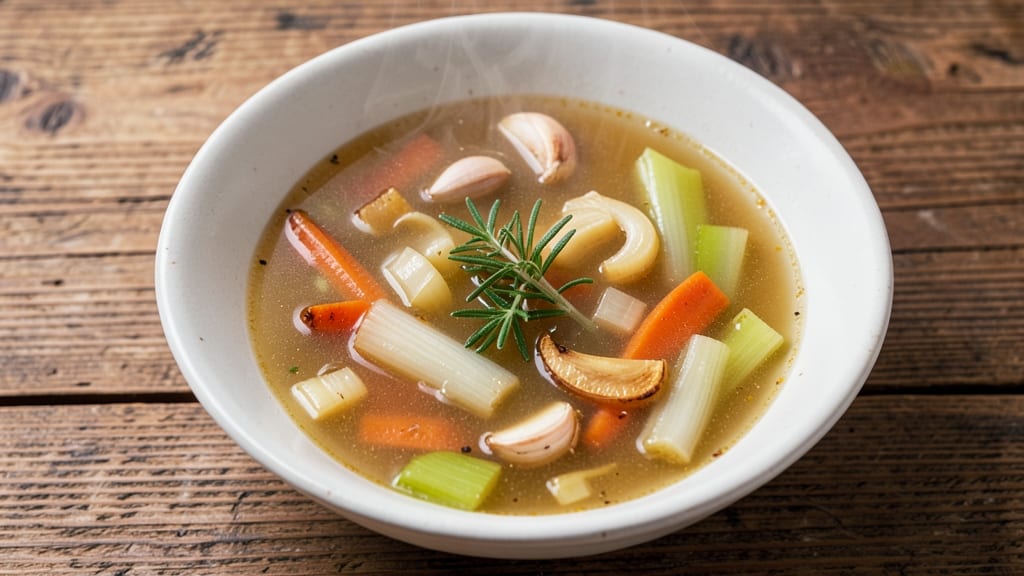
Transforming a simple can of Swanson chicken broth into a rich, restaurant-worthy soup is easier than you think—this one-pot recipe delivers savory depth in just 20 minutes. The secret lies in balancing the broth with aromatics, fresh herbs, and a touch of creaminess that elevates every spoonful.
I developed this while testing techniques for quick, no-fuss meals that still pack professional-level flavor.
This version skips the heavy cream but still delivers velvety texture through a simple cornstarch slurry that thickens the broth beautifully. The combination of carrots, celery, and onions creates the classic "holy trinity" base, while garlic and thyme add layers of aroma that build as it simmers.
What starts as a basic broth becomes a complex, aromatic soup with just a few thoughtful additions.
By the time you taste the first spoonful, you'll understand why this method works—warm, fragrant broth loaded with tender vegetables and herbs, finished with a swirl of butter that adds richness without overpowering.
The beauty of this recipe is its adaptability: use it as a starter, a light main, or as the base for a heartier meal when you're short on time.
Perfect for weeknight dinners when you need something comforting yet elegant, this soup proves that gourmet results don't require complicated techniques. The one-pot method means minimal cleanup, and the ingredients are simple—just quality Swanson broth and fresh produce. Let's make this soup that tastes like it simmered all day.
Ingredients for swanson chicken broth soup
Four cups of Swanson broth plus fresh veggies transform into restaurant-style soup in one pot.
| Ingredient | Amount | Notes |
|---|---|---|
| Swanson Chicken Broth 🍲 | 4 cups | Low-sodium preferred for balance |
| Yellow Onion 🧅 | 1 whole | Medium size, diced small |
| Carrots 🥕 | 2 medium | Peeled, sliced into thin rounds |
| Celery Stalks 🌿 | 2 whole | Trimmed, chopped small |
| Garlic Cloves 🧄 | 3 cloves | Fresh, minced fine |
| Fresh Thyme 🌿 | ¼ cup | Leaves only, chopped |
| Cornstarch 🌾 | 1 tbsp | For slurry thickening |
| Cold Water 💧 | 1 tbsp | For slurry mixture |
| Unsalted Butter 🧈 | 2 tbsp | Cold, cut into small cubes |
| Salt 🧂 | ½ tsp | Adjust to taste |
| Black Pepper 🌶️ | ¼ tsp | Freshly ground |
| Fresh Parsley 🌿 | ⅛ cup | Chopped, for garnish |
The Swanson broth is the foundation, so grab the low-sodium version—you'll add your own salt for perfect balance. Costco or Walmart usually have it on sale in bulk, and it keeps for months unopened. For the veggies, farmers markets have the freshest carrots and celery, but grocery store produce works fine if it's crisp. The holy trinity (onion, celery, carrots) should be finely chopped—small pieces cook faster and blend better into the broth. Thyme is key here: fresh is ideal, but if you're using dried, cut the amount to one-third of what's listed.
No fresh thyme? Dried thyme or even oregano works in a pinch—just use less. Swapping carrots for sweet potatoes? Dice them small and add 5 minutes to cooking time. The cornstarch slurry is the secret weapon for that velvety texture. Mix it with cold water first, then whisk into the hot broth—never add dry cornstarch directly, or you'll get lumps. Butter finishes the soup beautifully, but if you're watching calories, olive oil works too. The parsley is just for garnish, but it adds that fresh pop of color that makes the soup look (and taste) restaurant-worthy.
This soup tastes even better the next day—make extra and save half for lunch. Keeps in the fridge for 4-5 days in an airtight container, or freeze portions for up to 3 months. I like to portion it into jars so I can grab and go. The butter should be cold when you add it at the end—cut it into tiny cubes so it melts smoothly into the broth. If you're serving this as a starter, double the batch—it disappears fast.
Why You'll Love This Recipe
- Pantry to Pot in 15: I swear by this one—just chop the onion, carrots, and celery (no fancy dice, just rough chunks), toss them in a pot with the broth, and let it simmer. The Swanson broth does all the heavy lifting, so you’re basically done by the time you’re done reading this.
- Garlic Kiss Magic: That first whiff of garlic and celery softening in the broth? Instant mood booster. The Swanson broth’s savory depth pairs perfectly with the natural sweetness of carrots and the sharp bite of fresh garlic—no bouquet garni or fancy herbs needed.
- Leftovers That Save Me: Make a big batch on Sunday, and you’ve got lunch or dinner covered for days. I freeze half in portions, and when I’m too tired to cook, I just thaw and heat—warm, comforting, and zero effort.
- Budget-Friendly Powerhouse: Onion, carrots, celery, and garlic? That’s your dollar-stretch dream team. The Swanson broth adds richness without breaking the bank, and you’ll end up with enough for seconds (or thirds, no judgment). Honestly, it’s my go-to when I need to feed the family without stressing.
Step-by-step instructions for Swanson chicken broth soup recipe
This one-pot wonder delivers restaurant-quality flavor in record time—no chopping stress, no cleanup mess.
Sauté the Vegetable Base
Heat the 2 tablespoons unsalted butter in a large pot over medium heat until it melts and begins to foam. Add the 1 whole yellow onion, 2 medium carrots, and 2 whole celery stalks—all prepped exactly as specified. Cook for 5-6 minutes, stirring occasionally, until the vegetables soften slightly and the onion becomes translucent.
This is where the foundation happens. You'll know it's ready when the vegetables release easily from the bottom of the pot and smell sweetly aromatic. If the butter starts to brown too quickly, reduce the heat slightly. Don't rush this step—properly sautéed vegetables mean deeper flavor in your finished soup.
Add Aromatics and Simmer
Stir in the 3 cloves minced garlic and 0.25 cup chopped fresh thyme. Cook for 30 seconds until the garlic becomes fragrant—you'll smell that unmistakable aroma that means it's ready. Immediately pour in the 4 cups Swanson chicken broth and bring everything to a gentle boil.
Once boiling, reduce heat to medium-low and let it simmer uncovered for 10 minutes. This simmering time allows the flavors to meld beautifully while the vegetables continue to soften. You'll see the broth turn a rich, golden color as it absorbs the vegetable flavors. Taste occasionally—this is when you can adjust the 0.5 teaspoon salt if needed, though the low-sodium broth should be balanced.
Thicken the Soup
In a small bowl, whisk together the 1 tablespoon cornstarch and 1 tablespoon cold water until completely dissolved. This creates a smooth slurry that will gently thicken your soup without making it gluey. Return the pot to medium heat and slowly ladle in the cornstarch mixture while stirring constantly.
Cook for 2-3 minutes until the soup thickens to your desired consistency—it should coat the back of a spoon but still be light enough to pour easily. You're aiming for that perfect balance between brothy and velvety. If it thickens too quickly, add a splash of hot broth from the pot to loosen it. The 0.25 teaspoon black pepper should be added now for maximum flavor infusion.
Finish and Serve
Remove the pot from heat and let it sit for 2 minutes. This brief resting period allows the flavors to settle and the soup to thicken slightly more. Stir in the 0.125 cup chopped fresh parsley just before serving—this adds a bright, fresh finish that cuts through the richness of the broth.
Ladle the soup into bowls immediately and serve hot. The butter will create a delicate sheen on top, and each spoonful should deliver that perfect balance of savory broth, tender vegetables, and aromatic herbs. This one-pot method keeps everything simple while delivering maximum flavor—exactly what you want when you're short on time but not on taste.
Pro Tips For Making Swanson Chicken Broth Soup
- Sweat the Veggies First: I learned this the hard way—dumping raw onion, carrot, and celery straight into the broth just makes your soup taste dull. Instead, chop them into even ¼-inch pieces and cook them in a dry pot over medium heat for 5 minutes until they soften and release their flavor. The color will deepen, and the broth will taste richer.
- Use Whole Garlic Cloves: Peeling and mincing garlic is a hassle, but crushing whole cloves with the flat side of your knife (then leaving them whole) gives a cleaner flavor without the bitter aftertaste of overcooked garlic. Just drop them in with the broth and remove them after 10 minutes—your soup won’t taste like a garlic factory.
- Simmer, Don’t Boil: This isn’t a race. Once everything’s in the pot, keep the heat at a gentle simmer (small bubbles, occasional swirls) instead of a rolling boil. Boiling burns off the broth’s depth and makes the veggies turn to mush. Ten minutes of simmering is enough—any longer, and you’re just waiting for the carrots to dissolve.
- Add a Splash of Acid: Your soup’s missing something? A tablespoon of lemon juice or a splash of apple cider vinegar brightens the whole dish. I was skeptical until I tried it—it cuts through the richness of the Swanson broth and makes the flavors pop without overpowering. Add it at the end, right before serving.
Common mistakes when making your swanson chicken broth soup
Skipping the Sauté
One of the biggest mistakes I see is rushing the vegetable prep. Many people add the onions, carrots, and celery directly to the broth without sautéing first. This step is CRITICAL—it develops the Maillard reaction that creates deep, caramelized flavors.
If you skip it, your soup will taste flat and one-dimensional. Take those 5-6 minutes to properly soften and sweeten the vegetables over medium heat. 🔥
Over-Simmering the Broth
Another common error is letting the soup simmer too long after adding the broth. While 10 minutes of simmering is perfect, some cooks leave it on the heat for 20-30 minutes, which can make the vegetables mushy and the broth lose its brightness.
Taste your soup after 10 minutes—it should be flavorful but still vibrant, not reduced to a thick paste. If it's too thin, that's when you add the cornstarch slurry, not before.
Adding Cornstarch Wrong
Many home cooks make the mistake of adding cornstarch directly to the hot broth without first mixing it into a slurry. This creates lumps that turn into gluey spots in your soup.
Always whisk the 1 tablespoon cornstarch with 1 tablespoon cold water until completely dissolved before slowly ladling it into the pot. Stir constantly while heating to ensure a smooth, velvety texture. I've seen this mistake ruin perfectly good soups more times than I can count.
Ignoring the Rest Time
After adding the cornstarch slurry, some people immediately serve the soup, but this is a mistake. Letting the soup rest for 2 minutes off the heat allows the starch to fully set and the flavors to meld.
Skipping this step can leave your soup slightly grainy or uneven in texture. It's a small detail, but it makes a HUGE difference in the final result. Think of it like letting coffee steep—patience pays off.
Using High Heat for Butter
Finally, I often see people add cold butter cubes to hot soup and then immediately stir it in over high heat. This can cause the butter to separate or even burn, creating an off-flavor.
Instead, add the butter to the soup when it's off the heat and let it melt gently. The residual heat will be enough to incorporate it smoothly.
If you're worried about separation, stir gently in 2 tablespoons of the hot soup first to emulsify the butter before adding it to the pot.
Over-Salting Early
Since Swanson low-sodium broth is already seasoned, many cooks add extra salt early in the cooking process. But this is a mistake because the flavors develop over time, and you can't take salt out if you've added too much.
Instead, taste the soup after the 10-minute simmer and adjust the 0.5 teaspoon salt then. This way, you ensure the broth is perfectly balanced without overpowering the other flavors. Trust the process—your taste buds will thank you.
Nutrition facts
Frequently asked questions
Can I use Swanson chicken broth in other recipes besides soup?
This versatile broth works perfectly for rice dishes, pasta sauces, or even as a base for braising meats. For rice, use a 1:1 ratio of broth to water, and for braising, deglaze the pan with 1 cup of broth after searing your protein. The low-sodium version gives you better flavor control when adjusting seasonings in other recipes.
How can I make this soup vegetarian?
Swap the chicken broth for a high-quality vegetable broth and add 1 cup of mushrooms or 1 diced potato> to the vegetable base. For extra protein, stir in 1 cup of cooked lentils or white beans at the end. The cornstarch thickening method works the same way, and the herbs will still shine through beautifully.
What's the best way to reheat leftover soup?
Gently reheat on the stove over low heat until just warm—never boil. Add a splash of water or broth if the soup gets too thick. For microwave reheating, cover with a damp paper towel and heat in 30-second intervals, stirring between each. This prevents the butter from separating and keeps the texture velvety.
Can I substitute butter with something else?
Yes! For a dairy-free option, use 2 tablespoons olive oil> or coconut oil. If you want extra richness without dairy, try 2 tablespoons cream cheese> (whisked into the hot soup at the end). Just remember that olive oil has a stronger flavor, so use it sparingly if you're sensitive to its taste.
What if I don't have fresh thyme?
Dried thyme works perfectly—use just one-third> the amount (about 1/8 teaspoon>). Other dried herbs like oregano or rosemary will also work, though they have different flavor profiles. For a quick substitute, even a pinch of dried basil can add brightness, though it's not as aromatic as thyme.