
Main Courses
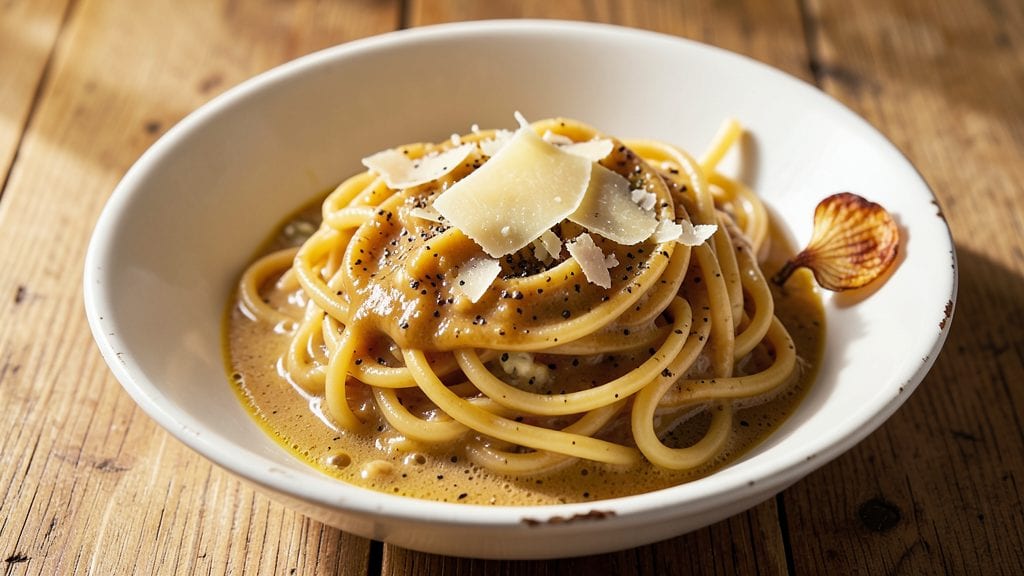
Transforming a pantry staple into a restaurant-quality one-pot meal, this Campbell's Cream of Chicken Spaghetti recipe delivers creamy comfort in just 20 minutes. The secret lies in balancing the canned soup's rich flavor with perfectly cooked pasta and a touch of Parmesan for depth—no fancy techniques required.
I developed this during a particularly busy week when I needed dinner on the table fast, and it's been my go-to ever since for satisfying weeknight meals.
What makes this dish special is its foolproof nature—just combine the ingredients in one pot, simmer until the pasta is tender, and you've got a creamy, hearty meal that feels indulgent without the effort.
The Campbell's soup provides the creamy chicken base, while a splash of milk enhances the texture, creating a sauce that clings beautifully to each strand of pasta. It's the kind of recipe that transforms simple ingredients into something truly comforting.
By the time you're done, you'll have a steaming bowl of creamy spaghetti with tender pasta, rich chicken flavor, and just the right amount of cheesy goodness.
The aroma alone will have everyone gathering around the table, and the first bite delivers that perfect balance of creamy, savory, and slightly tangy notes. This is comfort food at its finest—quick, satisfying, and impossible to resist.
Serve with a sprinkle of fresh parsley or extra Parmesan for added freshness, and pair with garlic bread for the ultimate one-pot meal experience. Let's get cooking!
Ingredients for campbell's cream of chicken spaghetti
Pantry staples meet restaurant-style comfort in one pot—no fancy skills needed.
| Ingredient | Amount | Notes |
|---|---|---|
| Campbell's Cream of Chicken Soup 🍲 | 2 cans | Condensed, 10.5 oz each |
| Spaghetti 🍝 | 8 oz | Dry, medium thickness |
| Whole Milk 🥛 | ½ cup | Full-fat for creaminess |
| Parmesan Cheese 🧀 | ½ cup | Freshly grated from block |
| Butter 🧈 | 2 tbsp | Unsalted, for richness |
| Garlic Cloves 🧄 | 2 cloves | Minced for aroma |
| Fresh Parsley 🌿 | ¼ cup | Chopped, for garnish |
| Salt 🧂 | ½ tsp | Kosher or sea salt |
| Black Pepper 🌶️ | ¼ tsp | Freshly ground preferred |
| Olive Oil 🫒 | 1 tbsp | For pasta coating |
| Red Pepper Flakes 🌶️ | ¼ tsp | Optional, for heat |
The Campbell's soup is the backbone here, so grab the condensed version—it's creamier than the ready-to-serve kind. I always check the expiration date, because stale soup makes everything flat. Costco sells the condensed cans in bulk, which saves money for those busy weeks. For the pasta, medium thickness holds up better to the creamy sauce without getting mushy. If you're using dried spaghetti, measure by weight—8 oz is about 2 cups uncooked. Fresh pasta cooks faster, so adjust your timing. The Parmesan? Freshly grated from a wedge makes all the difference—pre-grated gets clumpy and loses flavor.
No Campbell's? Homemade cream of chicken soup works—just simmer chicken thighs with milk, flour, and seasonings until thickened. Short on milk? Heavy cream at half the amount gives you that ultra-rich texture. The butter and olive oil combo adds depth, but butter alone works too. Want extra flavor? Sauté the garlic in the olive oil for 30 seconds before adding the pasta. The red pepper flakes are optional, but they add a nice kick if you're feeling adventurous. Fresh parsley is ideal, but dried works in a pinch—just use a quarter of the amount.
This dish reheats beautifully—just add a splash of milk to loosen the sauce if it's too thick. Keeps for 3-4 days in the fridge, but honestly, it disappears faster than that. The leftovers freeze well for up to 3 months, though the texture changes slightly after thawing. I always double the batch because it's just too good to save for later. Store the extra in portions so you can grab and heat individual servings. The sauce clings to the pasta best when served right away, but it's still delicious cold for lunches.
Why You'll Love This Recipe
- Here’s what sold me: that perfect balance of rich soup and smooth milk, with just enough Parmesan to make it feel fancy. The butter ties it all together—no heavy cream, no fancy techniques. Just deep, comforting flavor that tastes like someone took the time.
- Five-Ingredient Magic: I swear by this when my brain’s too fried to think. One pot, five ingredients—boil pasta, stir in soup and milk, toss with butter and cheese. That’s it. The kind of meal that makes you wonder why you ever complicate dinner.
- Creamy Without Effort: Here’s what sold me: that perfect balance of rich soup and smooth milk, with just enough Parmesan to make it feel fancy. The butter ties it all together—no heavy cream, no fancy techniques. Just deep, comforting flavor that tastes like someone took the time.
- Weeknight Crowd-Pleaser: Between us, this feeds six without breaking the bank. My college roommates lived on it—cheap, filling, and no one ever complained. Double the batch, freeze half, and you’ve got a backup for lazy days or unexpected guests. (Yes, even on a Tuesday night.)
Step-by-step instructions for Campbell's cream of chicken spaghetti
This one-pot dish comes together faster than you'd expect—creamy, comforting, and ready in under 20 minutes.
Cook the Spaghetti in the Sauce Base
In a large pot or deep skillet, combine the 2 cans Campbell's Cream of Chicken Soup, 8 oz spaghetti, and 4 cups of water. Stir well to ensure the spaghetti is fully coated in the sauce—this prevents sticking and helps the pasta absorb flavor. Bring to a boil over medium-high heat, then reduce to a gentle simmer.
Cook uncovered for 12-14 minutes, stirring occasionally, until the spaghetti is al dente—just slightly firm to the bite. You'll know it's ready when you can see the edges of the strands starting to soften but still have a bit of resistance. If the sauce thickens too much before the pasta is done, add ¼ cup of water to keep it flowing. This one-pot method ensures every bite is coated in that rich, creamy sauce.
Add the Milk and Butter for Creaminess
Once the spaghetti is nearly done, stir in the 0.5 cup whole milk and 2 tbsp butter. The milk will create a silky texture while the butter adds richness—this is where the comfort factor kicks in. Let the mixture simmer for an additional 2-3 minutes, stirring frequently, until the sauce thickens slightly and the pasta absorbs all the liquid.
Here's the thing—don't rush this step. The milk needs time to blend fully into the sauce, and the butter should melt completely. If the sauce starts to look too thick, add another splash of water, but only 1 tablespoon at a time to avoid diluting the flavor. You're aiming for a sauce that clings to the pasta without being watery.
Sauté the Garlic and Season
In a small separate pan, heat the 1 tbsp olive oil over medium heat. Add the 2 minced garlic cloves and sauté for 30-45 seconds until fragrant—you'll know it's ready when the kitchen fills with that irresistible aroma. Be careful not to let it brown, or it'll turn bitter.
Once the garlic is fragrant, transfer it to the pot with the spaghetti. Stir in the 0.5 tsp salt, 0.25 tsp black pepper, and 0.25 tsp red pepper flakes (if using). Taste and adjust the seasoning—this is your chance to make it perfectly balanced. The red pepper flakes add a subtle kick, but you can skip them if you prefer a milder flavor. Let the pasta sit off the heat for 1-2 minutes so the flavors meld together.
Finish with Parmesan and Fresh Parsley
Remove the pot from heat and stir in the 0.5 cup freshly grated Parmesan cheese. The cheese should melt into the sauce, creating a luxurious finish. If the sauce looks too thick, add a splash of the pasta water to loosen it—just enough to create a smooth, creamy consistency.
Finally, fold in the 0.25 cup chopped fresh parsley. This adds a bright, fresh contrast to the rich sauce and a pop of color. Let the dish sit for 2-3 minutes before serving—this gives the Parmesan a chance to fully melt and the flavors to settle. The result should be a creamy, comforting bowl of spaghetti that's ready to serve in one pot, just as promised.
Pro Tips For Making Campbell'S Cream Of Chicken Spaghetti
- Boil Milk First: Heat the whole milk in a small saucepan until it’s steaming but not boiling—just enough to take the chill off. Pouring cold milk straight into the soup makes it separate like a sad, lumpy mess. I learned this the hard way after staring at a curdled bowl of soup like it owed me money.
- Toss Pasta While Hot: Drain the spaghetti, but don’t rinse—you’re losing flavor. Immediately add it to the warm soup mixture while it’s still hot. The residual heat from the pasta helps melt the butter and Parmesan faster, giving you that creamy, cohesive texture without extra stirring. (Yes, even if you’re impatient like me.)
- Skip the Crowded Pot: If you’re making this for more than two people, cook the spaghetti in batches. A packed pot of noodles steams instead of cooks, turning them mushy and waterlogged. Trust me, your future self will curse you if you ignore this—no one wants a bowl of soup with noodles that feel like wet shoelaces.
- Whisk in Butter Slowly: Melt the butter first, then drizzle it into the soup while stirring constantly. Adding it all at once creates a greasy, unappetizing film on top. A slow pour keeps the sauce smooth and velvety—this is the thing that makes homemade taste better than boxed, no question.
Troubleshooting this recipe
Sauce Too Thin?
If your sauce ends up too thin after cooking, don't panic—this happens when the pasta absorbs too much liquid. The fix is simple: remove the pot from heat and let it sit for 5 minutes to thicken naturally.
If it's still too loose, stir in 1 tbsp cornstarch mixed with 2 tbsp cold water and simmer for 2-3 minutes until it reaches your desired consistency. I've found that using medium-thickness spaghetti instead of thin noodles helps the sauce cling better.
For extra insurance, reduce the water by ½ cup next time—this keeps the sauce rich and creamy. 💡
Pasta Sticking Together
Sticky pasta is a classic one-pot problem, but it's easily prevented. Always coat the spaghetti thoroughly in the soup before adding water—this creates a protective barrier. Stir every 2 minutes during cooking to prevent clumping.
If it still happens, add 1 tbsp olive oil to the pot and toss gently with tongs. For future batches, I recommend breaking the spaghetti in half before cooking—this reduces surface area and minimizes sticking.
Also, avoid overcrowding the pot; if you're cooking for more than 4 people, use a larger pot. 🍝
Sauce Separating or Breaking
Creamy soups can separate when they cool, but a quick fix gets it back to smooth perfection. Gently reheat the dish over low heat while stirring constantly with a hand mixer or immersion blender for 1-2 minutes. This re-emulsifies the sauce.
To prevent separation next time, stir in the milk and butter while the pasta is still cooking—don't let it cool before adding them. I also recommend keeping the dish at simmering temperature for no more than 5 minutes after adding the cheese to avoid curdling. 🔥
Pasta Overcooked or Mushy
Overcooked pasta ruins the texture, but you can salvage it with a few tricks. Drain ½ cup of the pasta water into a separate bowl, then stir it back into the pot—this helps restore some bite.
For a quicker fix, chill the spaghetti in an ice bath for 5 minutes before serving. To prevent this in the future, start checking for doneness 2 minutes before the package's suggested cook time.
I test pasta by tasting a strand—it should have a slight resistance, like biting into a fresh ear of corn. 🥗
Flavor Too Mild
If your dish tastes bland, it's likely missing acidity or depth. Brighten it up by stirring in 1 tsp lemon juice or 1 tbsp apple cider vinegar at the end. For extra richness, add 1 tbsp cream cheese or 2 tbsp heavy cream while reheating.
I also keep penzeys smoked paprika on hand—just ½ tsp adds a smoky depth that elevates the flavor. For a quick boost, sauté 1 diced celery stalk with the garlic for an earthy note. Taste as you go and adjust seasonings gradually. 🌶️
Cheese Not Melting Properly
If your Parmesan stays in chunks, it's likely because the sauce isn't hot enough. Remove the pot from heat and let it sit for 1 minute, then return it to low heat and stir vigorously with a wooden spoon for 30 seconds.
For a smoother finish, mix the cheese with 1 tbsp pasta water before adding it to the pot. I've also had success using young, fresh Parmesan (aged 12-18 months) instead of the standard 24-month variety—it melts more easily while still delivering great flavor.
If all else fails, serve it with extra cheese on the side for sprinkling. 🧀
Nutrition facts
Frequently asked questions
Can I make this recipe without Campbell's Cream of Chicken Soup?
For a homemade version, simmer 2 cups shredded cooked chicken with 1 cup milk, 2 tbsp flour, 1 tsp chicken bouillon, and ½ tsp onion powder until thickened. Use this base instead of the canned soup, then follow the same cooking method. The flavor will be fresher, but the canned soup adds convenience for quick meals.
How do I prevent the pasta from getting mushy in one-pot cooking?
Use medium-thickness spaghetti and cook it 2 minutes less than package instructions. Stir frequently and add pasta water 1 tbsp at a time if the sauce thickens too fast. For extra insurance, break the spaghetti in half before cooking to reduce surface area.
Can I add other vegetables to this recipe?
Yes! Sauté diced mushrooms, bell peppers, or zucchini with the garlic before adding to the pot. For heartier meals, try ½ cup frozen peas or corn—just add them during the last 3 minutes of cooking. Steer clear of leafy greens like spinach, as they'll wilt in the creamy sauce.
Why does my sauce separate when reheating?
Creamy sauces separate when cooled or reheated too quickly. Fix it by stirring vigorously over low heat with a hand mixer for 1-2 minutes to re-emulsify. To prevent separation, add the milk and butter while the pasta is still cooking, not after. Keep the sauce at simmering temperature for no more than 5 minutes after adding cheese.
How do I make this dish kid-friendly?
Skip the red pepper flakes and reduce garlic to 1 clove. Use whole milk instead of heavy cream for a lighter texture. Cut the spaghetti into 1-inch pieces before cooking for easier eating. Serve with buttered breadsticks on the side for dipping.