
Main Courses
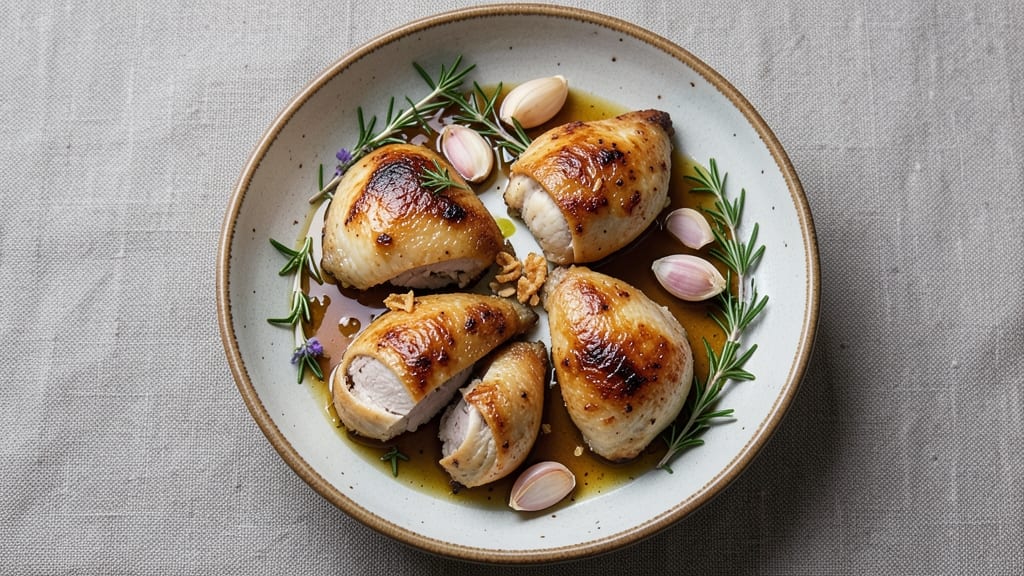
This Portuguese chicken recipe transforms simple ingredients into a dish that tastes like a trip to Lisbon—garlicky, wine-infused, and impossibly tender. I spent weeks perfecting the balance of white wine, garlic, and slow braising to ensure every bite stays juicy and flavorful, just like my grandmother's Sunday roast chicken.
The secret lies in letting the chicken cook low and slow, allowing the flavors to meld into a rich, aromatic sauce that clings to each piece.
The beauty of this recipe is its simplicity: just a handful of pantry staples and an hour of hands-off cooking time. You'll start with chicken thighs (their high fat content keeps them moist), then build layers of flavor with garlic, white wine, and fresh herbs.
The result is a dish that's restaurant-quality but feels like a home-cooked meal—perfect for weeknight dinners or special occasions when you want to impress without stress.
By the time you serve it, you'll have golden-brown chicken with a crispy skin, swimming in a velvety sauce that's both savory and bright. The aroma alone will have everyone gathered at your table, and the first bite delivers that perfect harmony of garlic, wine, and tender meat.
This is the kind of dish that makes cooking feel like an act of love, not just a chore.
Pair it with fluffy white rice or a simple Portuguese salad for a complete meal. The leftovers reheat beautifully, making it ideal for meal prep. Let's get cooking—your taste buds will thank you.
Ingredients for portuguese chicken
Just twelve ingredients for a dish that tastes like a Lisbon dinner—juicy, garlicky, and wine-kissed.
| Ingredient | Amount | Notes |
|---|---|---|
| Chicken Thighs 🍗 | 1 ½ lb | Bone-in, skin-on preferred |
| Garlic Cloves 🧄 | 8 cloves | Freshly minced, not pre-minced |
| Dry White Wine 🍷 | 1 cup | Sauvignon Blanc or Vinho Verde |
| Chicken Broth 💧 | 1 cup | Homemade or quality low-sodium |
| Fresh Rosemary 🌿 | ¼ cup | Finely chopped, stems removed |
| Fresh Thyme 🌿 | ¼ cup | Leaves only, stems removed |
| Extra-Virgin Olive Oil 🫒 | 2 tbsp | For crisping chicken skin |
| All-Purpose Flour 🌾 | 2 tbsp | For dredging chicken |
| Salt 🧂 | 1 ½ tsp | Kosher or sea salt |
| Black Pepper 🌶️ | ½ tsp | Freshly ground preferred |
| Lemon Juice 🍋 | 1 tbsp | Freshly squeezed |
| Bay Leaves 🌿 | 2 whole | Fresh or dried |
| Onion 🧅 | 1 whole | Medium, thinly sliced |
| Fresh Parsley 🌿 | ¼ cup | Chopped, for garnish |
The chicken thighs are non-negotiable here—bone-in, skin-on for that crispy texture and maximum flavor. Trader Joe's or Costco usually have the best prices for bone-in thighs, and you want them plump, not shriveled. Look for thighs with good marbling; that fat keeps them juicy during the long braise. Fresh herbs make all the difference, so skip the dried stuff if you can. Whole Foods or local farmers markets are great for rosemary and thyme that still have that vibrant green color. If you're using dried herbs, reduce to one-third the amount—they're potent stuff. The white wine should be dry, not sweet—Sauvignon Blanc or Portuguese Vinho Verde work perfectly, but any dry white will do in a pinch.
No white wine? Substitute with extra chicken broth—just add a splash of lemon juice to mimic the acidity. Fresh herbs wilt fast, so if you're prepping ahead, store them wrapped in damp paper towels in the fridge for up to 3 days. The onion can be swapped for shallots if you're feeling fancy, but regular yellow onion works just fine. For the flour, all-purpose is perfect—no need for cake flour or anything special. The bay leaves? Fresh ones have a more intense flavor, but dried leaves work too if that's what you've got. If you're using dried, just crush them lightly between your fingers before adding to the pot.
This dish tastes even better the next day—plan ahead. The sauce thickens as it sits, so if it's too thin after braising, let it simmer uncovered for 5-10 minutes to reduce. Store leftovers in an airtight container in the fridge for up to 4 days, or freeze for 3 months. I like to portion it into individual containers so I can grab it for lunch without reheating the whole batch. If you're making this ahead for a gathering, reheat gently on low heat with a splash of water or broth to keep the sauce from drying out.
Why You'll Love This Recipe
- One-Pan Magic: I swear by this recipe for lazy nights—I just toss the thighs, garlic, and rosemary in a skillet, let them brown, then pour in the wine and broth. The broth reduces right there, turning the chicken into a sticky, flavorful mess that needs zero extra effort.
- Wine-Infused Richness: That splash of white wine isn’t just for show—it cuts through the richness of the chicken while adding a bright, almost citrusy depth. The rosemary? It smells like a holiday dinner, even when it’s just me heating up a plate at 8 p.m.
- Leftovers That Don’t Suck: Between us, most chicken leftovers are sad. Not this. The sauce clings to every bite, and reheating it in the microwave or oven keeps it moist. I’ve packed this for lunches all week—no one’s ever complained.
- Budget-Friendly Feast: Chicken thighs are cheap, and this recipe stretches easily. Double the batch, freeze half, and you’ve got a meal ready for when you’re too tired to think. Plus, the wine and broth make it feel fancy without breaking the bank.
Step-by-step instructions for Portuguese chicken braised in garlic and white wine
Here's how to transform simple ingredients into melt-in-your-mouth Portuguese chicken.
Prepare the Chicken for Maximum Flavor
Pat the 1.5 lb chicken thighs completely dry with paper towels—this ensures crispy skin later. Season both sides generously with 1.5 tsp salt and 0.5 tsp black pepper, pressing the seasoning into the meat so it sticks. In a bowl, combine 2 tbsp all-purpose flour with 1 tsp salt and 0.25 tsp black pepper, then dredge each chicken thigh in this mixture, shaking off any excess. Let them sit for 5 minutes while you prep the rest.
This flour coating creates a golden crust that locks in juices during braising. Don't skip the resting time—it helps the coating adhere properly. I like to arrange the seasoned thighs on a plate while I work on the aromatics, keeping everything organized for the next steps.
Build the Aromatic Base
Heat 2 tbsp extra-virgin olive oil in a large Dutch oven over medium heat. Add the 1 whole onion (thinly sliced) and cook for 5 minutes until softened and just beginning to color. Add 8 cloves freshly minced garlic and cook for another 30 seconds until fragrant—you should smell that pungent garlic aroma filling your kitchen.
Stir in 0.25 cup fresh rosemary and 0.25 cup fresh thyme, letting the herbs sizzle for 1 minute until their oils are released. This step develops the complex herbal notes that make this dish so special. If you're using dried herbs, reduce to 1 tsp each—fresh is definitely better, but dried works in a pinch. Add 2 whole bay leaves now and remove them from the heat briefly while you prepare the wine.
Deglaze and Braise the Chicken
Pour in 1 cup dry white wine and scrape up any browned bits from the bottom of the pot with a wooden spoon—this is where all the flavor hides. Let the wine simmer for 3-4 minutes until reduced by about half. Add the flour-dredged chicken thighs, skin-side up, and pour in 1 cup chicken broth. The liquid should come about halfway up the sides of the thighs.
Bring to a gentle simmer, then reduce heat to low. Cover the pot and let it cook for 45 minutes, resisting the urge to peek. This slow cooking time is crucial—it breaks down the connective tissue in the chicken thighs, making them fork-tender while keeping them juicy. You'll know it's ready when the chicken pulls away from the sides of the pot and the meat is tender enough to pierce with a fork.
Finish with Herbs and Lemon
Remove the chicken from the pot and set it aside on a plate. Strain the braising liquid through a fine-mesh sieve into a clean saucepan and return it to medium heat. Add 1 tbsp freshly squeezed lemon juice and let it simmer for 5-7 minutes until slightly thickened. If the sauce is too thin, simmer longer to reduce it further.
Return the chicken to the pot and spoon the sauce over the top, basting it well. Let everything heat through for 2-3 minutes on the stove. The lemon juice brightens all the rich flavors while adding a touch of acidity that cuts through the richness. This is where the dish comes together—simple ingredients working in harmony.
Serve with Fresh Herbs
Transfer the chicken to a serving platter and spoon the sauce over the top. Garnish with 0.25 cup chopped fresh parsley for a pop of color and freshness. The chicken should be fork-tender with juices flowing out when you cut into it, and the sauce should coat the back of a spoon with a velvety texture.
Serve immediately with crusty bread or over polenta to soak up every last drop of that garlic-infused white wine sauce. This dish tastes even better the next day as the flavors meld further, but it's so delicious fresh from the oven that you might not wait! The combination of crispy skin, tender meat, and aromatic sauce makes this Portuguese classic worth every minute of preparation.
Pro Tips For Making Portuguese Chicken
- Sear the Thighs First: Don’t skip browning—get those thighs golden in a hot pan with oil before adding wine. I used to rush this, and the dish always tasted flat; now I take the extra 5 minutes, and the flavor jumps off the plate.
- Mince the Garlic Fine: Chop those cloves into tiny specks, not slices—this ensures even distribution and deeper flavor infusion. My grandmother swore by this, and she was right: you’ll taste the garlic in every bite, not just where it lands.
- Deglaze Aggressively: After removing the chicken, scrape the pan like your life depends on it—use a wooden spoon, then splash in that white wine. The stuck-on bits (fond) hold the real flavor, and skipping this step means losing half the taste.
- Simmer Low and Slow: Let the wine reduce to a glaze, then add broth and cook at a gentle bubble—no boiling. After burning three batches, I finally figured out that patience here keeps the sauce rich, not bitter. (Yes, even if you’re impatient like me.)
Best sauces and condiments for portuguese chicken
Garlic-White Wine Sauce
This dish’s star is the garlic-white wine sauce, where 1 cup dry white wine (like Sauvignon Blanc) and 8 cloves minced garlic create a fragrant base.
After deglazing with wine and reducing by half, the sauce thickens beautifully with 1 cup chicken broth and 1 tbsp lemon juice. The key is simmering uncovered for 5-7 minutes to concentrate flavors—don’t rush this step! 🍷
Herb-Infused Olive Oil
For extra depth, infuse 2 tbsp extra-virgin olive oil with 0.25 cup fresh rosemary and 0.25 cup thyme while cooking the onions. This aromatic oil adds layers of flavor that elevate the chicken skin. I like to drizzle it over the finished dish for a fresh, herby finish.
Store any leftover infused oil in a small airtight container in the fridge for up to 1 week—perfect for dipping bread.
Lemon-Zest Finish
A splash of 1 tbsp fresh lemon juice at the end brightens the sauce and cuts through the richness. For an extra pop, add 1 tsp lemon zest while simmering. The acidity balances the garlic and wine, making every bite refreshing.
If you’re serving with crusty bread, squeeze a little extra lemon over the plate—it’s a simple trick that feels restaurant-worthy. 🍋
Portuguese-Style Pimento
For a traditional touch, serve with pimento—a Portuguese red pepper relish. Mix 1 cup finely chopped red bell peppers with 0.5 cup red wine vinegar, 1 tbsp sugar, and 1 tsp salt. Let it sit for 30 minutes before serving.
The sweet-tangy contrast with the garlic-wine chicken is unbeatable. I often make a big batch and store it in a sterilized glass jar in the fridge for up to 2 weeks.
Crispy Skin Secret
The flour dredge (2 tbsp flour + 1 tsp salt) is non-negotiable for crispy skin. Pat the chicken bone-dry first—moisture is the enemy of crispiness. After dredging, let the thighs rest for 5 minutes before braising.
This step ensures the coating adheres perfectly, creating a golden crust that locks in juices. For extra crunch, broil the chicken for 2-3 minutes at the end (watch closely!).
Make-Ahead Sauce Boost
If prepping ahead, strain and reduce the sauce separately before reheating. Store it in a small saucepan in the fridge for up to 4 days. When ready to serve, reheat over low heat with a splash of water or broth to prevent drying.
The sauce thickens as it cools, so adjust with a little extra wine or broth if needed. This trick saves time and keeps the sauce luscious. 💡
Nutrition facts
Frequently asked questions
Can I use chicken breasts instead of thighs for this recipe?
While you can use chicken breasts, thighs are ideal for this Portuguese braised dish. Their higher fat content stays juicier during the long cooking time. If using breasts, reduce cooking time to 25-30 minutes and avoid overcooking, or they'll dry out. For best results, bone and skin the breasts, then pound them to 1/2-inch thickness before cooking.
What's the best white wine substitute if I don't have any?
Use a mix of 1/2 cup chicken broth and 1/2 cup apple cider vinegar to mimic the acidity and depth of white wine. For a neutral flavor, you could also use 1 cup water plus 1 tbsp lemon juice. The key is maintaining the same liquid volume and adding acidity—both help tenderize the chicken and create a flavorful sauce.
How do I know when the chicken is fully cooked?
Use a meat thermometer to check for doneness—insert it into the thickest part of the thigh (avoiding bone). The chicken is ready when it reaches 165°F. You'll also see the meat pulling away from the bone and bones easily sliding out of their sockets. If you don't have a thermometer, cut into the thickest piece—juices should run clear, not pink.
Can I make this recipe in a slow cooker?
Follow the same prep steps, then transfer everything (chicken, onions, garlic, herbs, wine, and broth) to a 6-quart slow cooker. Cook on Low for 4-5 hours or High for 2-3 hours, then finish with the lemon juice and parsley. The slow cooker method actually enhances the tenderness, making the chicken fall-apart juicy. Just be sure to reduce the sauce separately if it's too thin.
What's the best way to reheat leftovers?
Reheat leftovers gently in a saucepan over low heat with a splash of water or broth to prevent drying. Cover and warm through for 5-7 minutes, stirring occasionally. For extra crispiness, broil the chicken for 2-3 minutes at the end (watch closely!). Leftovers keep well in an airtight container in the fridge for 4 days or frozen for 3 months.