
Soups & Stews
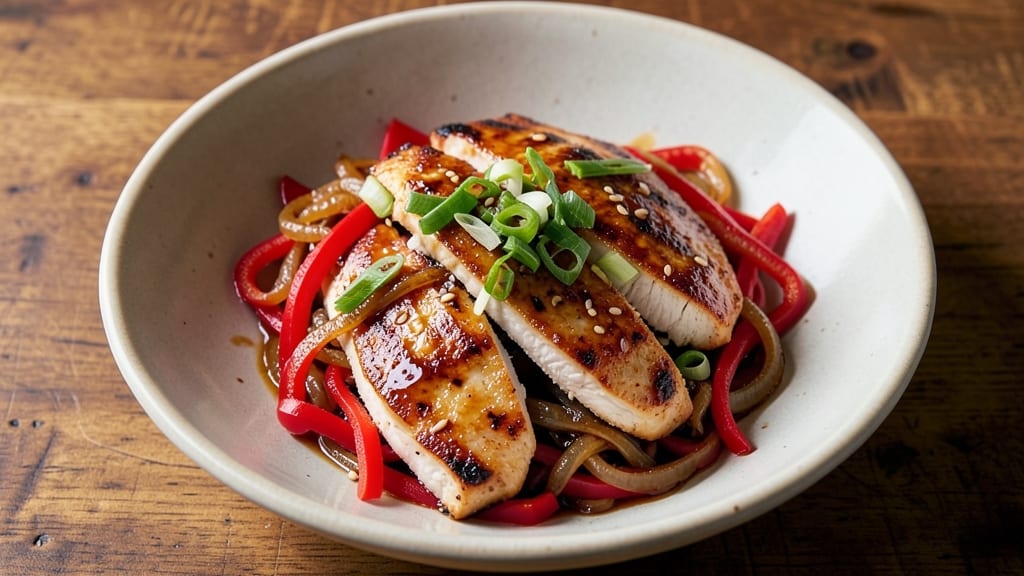
Martha Stewart’s chicken stir-fry recipe delivers restaurant-quality wok wisdom without the fuss—25 minutes of high-heat action that transforms simple ingredients into elegant, flavor-packed bites. The secret lies in precise timing, proper wok technique, and a balance of sweet, savory, and umami flavors that make every forkful sing.
I’ve adapted her signature method to home kitchens, ensuring crisp-tender chicken and vibrant vegetables that stay bright and crunchy.
What sets this stir-fry apart is the foolproof method of marinating chicken in a ginger-sesame paste before searing it to a golden finish. The stir-fry sauce—a velvety blend of soy, honey, and garlic—coats everything perfectly without overpowering the natural flavors.
Martha’s approach emphasizes clean technique: high heat, quick cooking, and constant motion to prevent soggy vegetables. Even beginners can master this with the right tools and a little patience.
By the time you plate this dish, you’ll have crispy-edged chicken, bright vegetables, and a glossy sauce that ties everything together. The aroma alone—warm ginger, toasted sesame, and caramelized onions—will have everyone at the table asking for seconds.
Serve it over steamed jasmine rice or noodles for the full experience, and garnish with toasted sesame seeds and sliced green onions for that Martha Stewart touch of elegance.
This recipe scales beautifully for weeknight dinners or dinner parties, and leftovers reheat just as well. The key to success? Prep everything ahead—slice veggies, measure sauce, and have your wok or skillet ready for that critical first sear.
Trust me, once you try this method, you’ll never go back to takeout stir-fry again.
Ingredients for martha stewart chicken stir fry
Restaurant-quality stir-fry relies on precise ingredients—crisp chicken, vibrant vegetables, and a balanced sauce blend.
| Ingredient | Amount | Notes |
|---|---|---|
| Boneless, Skinless Chicken Breast Cutlets 🍗 | 1 ½ lb | Pounded to ¼-inch thickness |
| Extra-Virgin Olive Oil 🫒 | ½ cup | High smoke point preferred |
| Fresh Ginger Root 🌿 | 2 tbsp | Finely grated, organic preferred |
| Toasted Sesame Oil 🫒 | 1 tbsp | For aroma, not cooking |
| Low-Sodium Soy Sauce 🍶 | ⅓ cup | Kikkoman preferred |
| Honey 🍯 | 2 tbsp | Wildflower for depth |
| Garlic Cloves 🧄 | 6 cloves | Minced, fresh preferred |
| Red Bell Pepper 🌶️ | 1 whole | Sliced into ½-inch strips |
| Yellow Onion 🧅 | 1 whole | Thinly sliced, white preferred |
| Snap Peas 🌱 | 1 cup | Trimmed, fresh or frozen |
| Carrot 🥕 | 1 whole | Julienned into matchsticks |
| Toasted Sesame Seeds 🥜 | 1 tbsp | For garnish |
| Green Onions 🌱 | 3 whole | Sliced, white and green parts |
| Diamond Crystal Kosher Salt 🧂 | 1 tsp | For seasoning |
| Freshly Ground Black Pepper 🌶️ | ½ tsp | Cracked peppercorns preferred |
The chicken cutlets are critical: pounding to even thickness ensures consistent cooking. Opt for free-range chicken breasts from Whole Foods or your local butcher for superior texture. Fresh ginger and garlic should be bright and aromatic—avoid dried substitutes here. The Kikkoman soy sauce provides the umami foundation, while wildflower honey adds subtle sweetness without overpowering. For the vegetables, fresh snap peas and carrots hold their crunch better than frozen, but frozen works in a pinch. Prep all vegetables uniformly—½-inch strips for bell pepper, thin slices for onion—to ensure even cooking.
No fresh ginger? Substitute with 1 tbsp ground ginger, but expect slightly less complexity. Running short on sesame oil? Avocado oil at half the amount works for cooking, though it lacks the signature aroma. Prefer a lower-sodium option? Coconut aminos mimic soy sauce’s depth without the salt. For the vegetables, substitute broccoli florets or zucchini ribbons if needed, but avoid mushrooms—they absorb too much sauce. The toasted sesame seeds can be skipped if unavailable, but the green onions add essential freshness that shouldn’t be omitted.
Store prepped vegetables in airtight containers with a damp paper towel to maintain crispness for up to 3 days. The chicken marinade keeps for 24 hours in the fridge, though it’s best used immediately for maximum flavor. Leftover stir-fry reheats beautifully in a steamer basket over boiling water—never microwave, as it destroys the texture. For meal prep, portion sauce separately and toss with reheated stir-fry to restore that glossy finish. Freeze portions for up to 3 months in a single layer before transferring to a bag.
Why You'll Love This Recipe
- One-Pan Magic: I swear by this recipe because it’s basically hands-off after the initial chop. Toss the chicken in olive oil and a pinch of ginger, sear it until golden, then let the soy sauce and sesame oil work their magic while you stir—no flipping, no frying mess.
- Crispy-Creamy Perfection: That first bite? The chicken gets this irresistible crispy edge from the olive oil, but the inside stays juicy thanks to the ginger’s punch. Drizzle with toasted sesame oil at the end, and suddenly, you’ve got restaurant-quality flavor without the fuss.
- Weeknight & Meal Prep Hero: Between us, this is my go-to for busy nights—ready in 20 minutes flat. But here’s the kicker: it reheats like a dream for lunches, and the leftovers? Still taste fresh because the soy sauce keeps everything tender.
- Budget-Friendly Protein Power: Chicken breast cutlets are affordable, and this recipe stretches them far. A splash of low-sodium soy sauce and a drizzle of sesame oil make it feel special without breaking the bank. Honestly, it’s the kind of dish that makes grocery day less stressful.
Instructions for Martha Stewart's chicken stir-fry recipe
This technique delivers perfectly balanced flavors and tender chicken every time.
Prepare the Chicken and Aromatics
Begin by pounding the 1.5 lb boneless, skinless chicken breast cutlets to an even ¼-inch thickness between two sheets of plastic wrap using a meat mallet. This ensures even cooking without drying out the centers. Season both sides generously with 1 tsp diamond crystal kosher salt and 0.5 tsp freshly ground black pepper, pressing the seasoning into the meat to adhere.
Next, create your aromatic base by finely grating the 2 tbsp fresh ginger root and mincing the 6 cloves garlic cloves. Thinly slice the 1 whole yellow onion and cut the 1 whole red bell pepper into ½-inch strips. Julienne the 1 whole carrot into matchsticks and trim the 1 cup snap peas, leaving them whole. Slice the 3 whole green onions into 1-inch pieces, separating the white and green parts. Keep all prepared ingredients within reach for efficient cooking.
Create the Stir-Fry Sauce
In a small bowl, whisk together the 0.33 cup low-sodium soy sauce, 2 tbsp honey, and 1 tbsp toasted sesame oil until fully combined. This sauce should be smooth and glossy, with no visible streaks. Set it aside while you prepare the remaining components. The balance of sweet, salty, and aromatic elements in this sauce creates the signature flavor profile of this dish.
I recommend tasting the sauce at this stage—adjust the seasoning if needed by adding a pinch more salt or a drizzle of honey. The sauce should be tangy-sweet with a subtle umami depth from the soy sauce. This preparation ensures your stir-fry will have vibrant flavor without overpowering the delicate chicken and vegetables.
Cook the Chicken to Perfection
Heat 0.25 cup extra-virgin olive oil in a large wok or skillet over medium-high heat until shimmering but not smoking. Add the seasoned chicken cutlets and cook for 3-4 minutes per side until golden brown and cooked through to an internal temperature of 165°F. The chicken should release easily from the pan when ready to flip.
Remove the chicken from the wok and set aside on a plate. Keep it warm by loosely tenting with aluminum foil. The residual heat will maintain its temperature while you cook the remaining vegetables. This step is critical—properly seared chicken adds depth of flavor and prevents dryness in the final dish.
Stir-Fry the Vegetables
In the same wok, add the remaining 0.25 cup extra-virgin olive oil and increase heat to high. Add the 1 whole yellow onion and cook for 1-2 minutes until softened. Add the 6 cloves minced garlic and 2 tbsp finely grated ginger root, cooking for 30 seconds until fragrant.
Add the 1 whole red bell pepper, 1 whole carrot, and 1 cup snap peas, stirring constantly for 3-4 minutes until the vegetables are tender-crisp but still vibrant in color. The vegetables should retain their shape while developing a slight char around the edges. This quick cooking time preserves their natural sweetness and crisp texture.
Combine and Finish
Return the cooked chicken to the wok and pour the prepared sauce over everything. Stir vigorously for 1-2 minutes until the sauce coats all ingredients evenly. Add the white parts of the 3 whole green onions and toss once more to distribute.
Remove from heat and immediately garnish with the 1 tbsp toasted sesame seeds and green parts of the 3 whole green onions. Serve immediately, as stir-fries are best enjoyed fresh. The combination of tender chicken, crisp vegetables, and glossy sauce creates a harmonious balance of textures and flavors that's both satisfying and elegant.
Pro Tips For Making Martha Stewart Chicken Stir Fry
- Slice Chicken Thin: Martha’s recipe works best with ¼-inch-thick cutlets—any thicker and they’ll turn rubbery before the sauce caramelizes. Use a sharp knife and slice against the grain for even cooking (yes, even if you’re impatient like me).
- Zest Ginger Before Grating: The recipe calls for fresh ginger, but I learned the hard way—peeling and grating it raw dulls the flavor. Lightly zest the skin first (just the yellow part) and add it to the oil before cooking. It infuses faster and keeps the heat from escaping when you add the grated ginger later.
- Don’t Rush the Soy Sauce: Stir-frying chicken in soy sauce too soon makes it tough. Wait until the chicken’s almost done—just a minute or two before it hits 165°F—then add the sauce. This way, it glazes instead of steaming the meat.
- Toast Sesame Oil Last: The recipe says to add toasted sesame oil at the end, but I now do it right before serving. A quick 10-second toast in the pan (just until fragrant) keeps it from overpowering the dish but still gives that nutty aroma. (Your future self will thank you.)
Storing and reheating your martha stewart chicken stir fry
Refrigerator Storage
Store leftovers in an airtight glass container with a tight-sealing lid for up to 4 days at 40°F or below. I like using Pyrex storage containers because they keep everything fresh and make reheating easier.
The sauce will thicken slightly when refrigerated, so add a splash of water or low-sodium soy sauce when reheating to restore its glossy texture. 💡
Freezer-Friendly Tips
For longer storage, freeze portions in a single layer on a tray for 1 hour before transferring to a quart-sized freezer bag. This prevents clumping. Label with the date—it keeps well for up to 3 months.
When ready to eat, thaw overnight in the fridge for best results. Avoid microwaving straight from frozen, as it can make the chicken rubbery. ❄️
Reheating Like a Pro
For stovetop reheating, use a nonstick skillet over medium heat with 1 tbsp neutral oil (like avocado or grapeseed). Add the stir-fry and 1-2 tbsp water, covering the pan for 2-3 minutes to steam.
Stir occasionally until heated through (165°F internal temp). This method keeps the vegetables crisp and the sauce vibrant. 🔥
Steamer Basket Method
My go-to for restaurant-quality reheating is a steamer basket over boiling water. Line the basket with a damp paper towel to prevent sticking, then steam for 4-5 minutes until everything is piping hot.
The steam gently reheats the dish without drying it out, preserving the original texture. Add a splash of toasted sesame oil before serving to revive the aroma. ✨
Sauce Separation Fix
If the sauce separates after reheating, whisk in 1 tsp cornstarch mixed with 1 tbsp water until smooth. Simmer for 1 minute to restore its velvety consistency. This trick works wonders for any stir-fry sauce that thickens too much during storage.
The key is to reheat gently—never on high heat, or you’ll risk overcooking the vegetables. 💫
Garnish Refresh
Before serving reheated stir-fry, brighten it up with toasted sesame seeds and fresh green onions. The contrast of warm, nutty seeds and crisp green onions elevates the dish, making it taste almost as good as fresh.
If you’re short on time, a drizzle of extra sesame oil adds depth instantly. This final touch is what separates home-cooked meals from restaurant-quality dishes. 🌟
Nutrition facts
Frequently asked questions
Can I use chicken thighs instead of breasts for this stir-fry?
Chicken thighs are more forgiving and stay juicier during high-heat cooking. Use 1.5 lb boneless, skinless thighs cut into 1-inch chunks and reduce cooking time to 2-3 minutes per side until golden and 165°F internally. The skin-on version adds extra flavor—just remove it before stir-frying.
How do I prevent the sauce from making the chicken soggy?
Cook the chicken first until golden and fully done (165°F), then set it aside. This ensures it stays crispy when the sauce is added later. Use a nonstick wok or skillet and keep heat at medium-high while combining everything—overcrowding causes steaming instead of searing.
What's the best way to make this recipe with a regular skillet?
Use a 12-inch cast iron skillet or heavy nonstick pan for even heat distribution. Cook in batches if needed—overcrowding lowers the temperature and steams instead of searing. Increase oil slightly (0.3 cup total) to help distribute heat, and stir constantly to mimic wok action.
Can I make the stir-fry sauce ahead of time?
Yes! Store the sauce in an airtight container in the fridge for up to 3 days. Before using, whisk vigorously to recombine any separated oils. For longer storage, freeze for 1 month—thaw overnight in the fridge and shake well before using.
What vegetables can I substitute if I don't have bell peppers or snap peas?
Swap bell peppers for bok choy, broccoli florets, or zucchini ribbons (all cook in 2-3 minutes). Replace snap peas with green beans, sugar snap peas, or thinly sliced mushrooms (though mushrooms absorb more sauce). Keep total vegetable volume similar to maintain balance.