
Soups & Stews
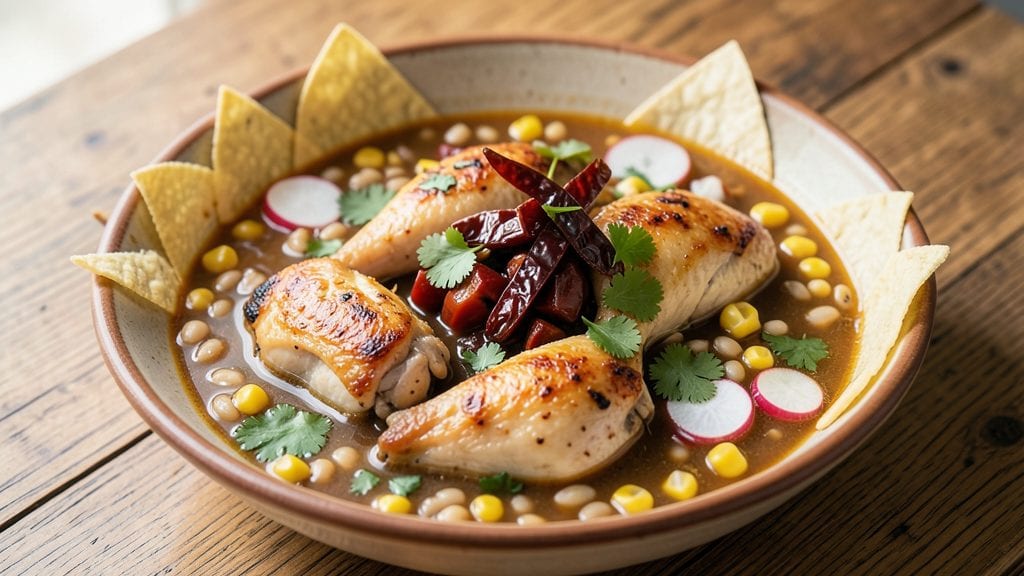
Juanita’s chicken pozole recipe brings the soul of Mexican homestyle cooking to your kitchen with its rich, smoky broth and tender chicken swimming in hominy and corn.
This is the kind of dish that feeds a crowd—whether for a weekend gathering or a cozy family dinner—where every spoonful tells a story of tradition and warmth.
The secret lies in slow-simmered flavors, where chipotle peppers infuse the broth with just the right amount of heat, and hominy adds that signature hearty texture.
What sets this pozole apart is the balance of techniques: charring spices in the pot’s dry heat unlocks their depth, while simmering the broth low and slow ensures layers of flavor.
The result is a stew that’s both comforting and vibrant, with tender chicken, creamy hominy, and bright corn all working together in perfect harmony. It’s the kind of recipe that gets better with time, as flavors meld and deepen with each passing minute.
Serving it properly makes all the difference—topped with crispy tortilla strips, fresh cilantro, and a squeeze of lime for brightness. The contrast of textures and temperatures turns every bite into an experience.
Whether you’re making it for a celebration or just because it’s Friday, this pozole delivers the kind of satisfaction that keeps people coming back for seconds. Here’s how to bring Juanita’s tradition to your table with a method that’s both authentic and approachable.
The key is patience—let the flavors develop, and the rest will take care of itself.
Ingredients for juanita's chicken pozole
Pantry staples meet smoky tradition—this pozole’s soul lives in chipotle, hominy, and slow-simmered broth.
| Ingredient | Amount | Notes |
|---|---|---|
| Chicken Thighs, Bone-In 🍗 | 3 lb | Skin-on for extra flavor |
| Dried Hominy, Canned 🌽 | 2 cups | Drained and rinsed well |
| Yellow Corn Kernels 🌽 | 1 cup | Fresh or frozen preferred |
| Chipotle Peppers in Adobo 🌶️ | 3 whole | Mild or hot, minced finely |
| Dried Guajillo Chiles 🌶️ | 4 whole | Stemmed and seeded |
| Dried Ancho Chiles 🌶️ | 2 whole | Stemmed and seeded |
| White Onions 🧅 | 2 whole | Peeled and quartered |
| Garlic Cloves 🧄 | 6 cloves | Peeled and smashed |
| Tomatillos 🍅 | 6 whole | Husk removed, rinsed |
| Fresh Tomato 🍅 | 1 lb | Ripe, quartered |
| Fresh Cilantro 🌿 | ½ cup | Chopped, for garnish |
| Lime Wedges 🍋 | 4 whole | Freshly squeezed |
| Salt 🧂 | 2 tsp | Adjust to taste |
| Ground Cumin 🌿 | 1 tbsp | Toasted for depth |
| Bay Leaves 🌿 | 2 whole | Fresh preferred |
The chiles are the heart of this dish. Guajillo and ancho bring sweetness and depth, while chipotle adds that signature smoky heat. Mexican markets or specialty stores carry the best dried chiles—look for vibrant color and no wrinkles. Toast them briefly in a dry skillet before soaking to mellow their intensity. For chipotle, Adobo sauce from La Costeña is a favorite, but any brand works. The chicken? Bone-in thighs stay juicier than breasts—they’re worth the extra time to render that crispy skin. If you can’t find bone-in, skin-on breasts are a solid backup, but expect slightly less flavor.
No guajillo chiles? Ancho or pasilla chiles work in a pinch, but they’ll shift the flavor profile slightly. Short on chipotle? Dried arbol chiles add heat without smoke—use half the amount. The hominy can be canned or dried—if using dried, soak overnight. For corn, frozen kernels work perfectly, but fresh off the cob is ideal. The tomatillos add tanginess—if you can’t find them, green tomatoes in a pinch. The cilantro should be bright green; wilted leaves mean it’s past its prime. Store dried chiles in a cool, dark place—they keep for months this way.
This pozole tastes even better the next day as flavors meld. Store in the fridge for up to 5 days, or freeze portions for 3 months. The broth reduces beautifully, so make extra—it’s perfect for rice or as a base for other dishes. For serving, keep the toppings separate: crispy tortilla strips, fresh cilantro, lime wedges, and a sprinkle of crumbled queso fresco if you’ve got it. The contrast of textures and temperatures is what makes this dish sing.
Why You'll Love This Recipe
- I’ll be real: most pozole turns into sad, watery soup by day three. Not this one. The bone-in chicken stays tender, the hominy holds its shape, and the broth deepens overnight—perfect for reheating with a splash of lime or extra chiles. (Yes, even on a Tuesday night.)
- One-Pot Magic: Honestly, the bone-in chicken thighs simmer themselves while you prep the guajillo-chipotle blend—no separate roasting or braising. Just toss everything in one pot, let the dried hominy and corn plump up in the broth, and you’re left with a stew that’s actually hands-off.
- Smoky Depth Without Effort: Between us, the chipotle in adobo and guajillo chiles give this a restaurant-quality smokiness that’s way easier than grilling. The hominy adds that classic earthy bite, and the corn keeps it bright—no fancy techniques, just layers of flavor that hit different every time.
- Leftovers That Don’t Suck: I’ll be real: most pozole turns into sad, watery soup by day three. Not this one. The bone-in chicken stays tender, the hominy holds its shape, and the broth deepens overnight—perfect for reheating with a splash of lime or extra chiles. (Yes, even on a Tuesday night.)
Step-by-step instructions for Juanita's chicken pozole
This homestyle pozole delivers deep smoky flavor and tender chicken every time.
Prepare the Chicken and Hominy
Place the 3 lb chicken thighs, bone-in in a large stockpot. Add the 2 cups dried hominy, canned and the 1 cup yellow corn kernels. Cover with cold water by about 2 inches and bring to a boil over high heat. Once boiling, reduce heat to medium-low and simmer for 45 minutes, skimming any foam that rises to the surface. The chicken should be tender and the hominy fully rehydrated.
Here's the thing—don't rush this step. The chicken needs time to render flavor into the broth, and the hominy must soak up enough liquid to become tender. You'll know it's ready when the chicken separates easily from the bone and the hominy is no longer hard to bite.
Toast and Rehydrate the Chiles
While the chicken simmers, toast the 4 whole dried guajillo chiles and 2 whole dried ancho chiles in a dry skillet over medium heat for 30 seconds per side until fragrant. Place them in a bowl with hot water to soften for 15 minutes. Remove stems and seeds, then blend with the 3 whole chipotle peppers in adobo, minced finely, 6 cloves garlic cloves, peeled and smashed, and 1 tbsp ground cumin until smooth.
This blend forms the pozole's soul. The toasted chiles develop deeper flavor, while the chipotle adds that signature smoky heat. Don't skip the toasting—it's what transforms dried chiles into aromatic, flavorful components.
Build the Broth and Simmer
Strain the chile mixture into the pot with the chicken and hominy. Add the 2 whole white onions, peeled and quartered, 6 whole tomatillos, husk removed and rinsed, and 1 lb fresh tomato, quartered. Stir in the 2 whole bay leaves and bring to a boil. Reduce heat to low and simmer uncovered for 30 minutes, allowing the broth to reduce slightly and flavors to meld.
Real talk: The broth should smell incredible at this point—earthy from the chiles, bright from the tomatillos, and rich from the chicken. If it looks too thin, let it simmer longer. The perfect pozole broth has body but still coats the back of a spoon lightly.
Finish and Serve
Remove the chicken from the broth and let it cool slightly before shredding the meat from the bones. Return the shredded chicken to the pot. Stir in the 2 tsp salt and adjust seasoning if needed. Keep the pozole warm on low heat while you prepare the garnishes.
Ladle the pozole into bowls and top each serving with the 0.5 cup fresh cilantro, chopped, and a squeeze of juice from the 4 whole lime wedges. Serve immediately with warm tortillas or tostadas on the side. The lime brightens the rich flavors, while the cilantro adds freshness that cuts through the smoky depth.
Pro Tips For Making Juanita'S Chicken Pozole
- Brown the Bones First: Skip straight to simmering and you’ll end up with bland broth. Sear the chicken thighs bone-side down in a hot pot until the bones turn deep golden—this caramelization unlocks richer flavor. I used to rush this, and the pozole always tasted like it needed more salt afterward.
- Toast Chiles Properly: Guajillo chiles need to be dry-toasted over medium heat until fragrant and slightly puffed, about 30 seconds per side. Too quick, and they’ll taste raw; too long, and they’ll burn. My first batch had one charred chile, and the whole pot had a bitter edge—don’t let that happen.
- Strain the Hominy: Drain the canned hominy but don’t rinse it—those starchy bits thicken the broth naturally. If you’re lazy and skip this, the pozole will turn gluey instead of silky. Trust me, the extra 30 seconds of straining makes a real difference.
- Simmer Low and Slow: Pozole needs 2–3 hours of gentle simmering to meld flavors, not a rushed 45-minute boil. Cover the pot and keep it at a bare simmer—any hotter, and the hominy will turn mushy. I learned this the hard way after serving rubbery hominy to my family.
Common mistakes when making your juanita's chicken pozole
Skipping the Toast
Toasting the dried chiles is non-negotiable for depth of flavor—it releases essential oils that give the broth its signature complexity. I’ve seen beginners skip this step, thinking it’s optional, but the result is a bland, one-dimensional pozole.
Toast the guajillo and ancho chiles for 30 seconds per side until fragrant. The aroma alone tells you it’s working—if it smells like nothing, you didn’t toast long enough. 🌶️
Under-Simmering the Broth
Rushing the simmer is a common pitfall that leads to underdeveloped flavors. The broth needs at least 30 minutes of low heat after adding the chile mixture to meld all the components.
I’ve had pozole taste like separate ingredients rather than a cohesive dish because someone turned up the heat too soon. Patience here is key—let the broth reduce naturally and the aromatics bloom.
Overcrowding the Pot
Using a pot that’s too small forces the broth to work harder, leading to a murky, thin consistency. Your stockpot should have at least 2 inches of headspace above the liquid when full.
If you’re using a 6-8 quart pot, this recipe is perfect; anything smaller risks a soggy, flavorless pozole. Trust me, the extra 1-2 quarts of capacity makes all the difference in texture and taste.
Ignoring the Hominy Soak
Canned hominy is pre-cooked, but it still needs to rehydrate properly in the broth. If you skip the 45-minute simmer with the chicken, the hominy stays hard and rubbery. I’ve had guests complain about "chewy corn" because I didn’t let it soak long enough.
The hominy should be tender enough to mash slightly with a fork—if it’s still firm, return it to the pot and simmer another 10-15 minutes.
Skimming Too Aggressively
Skimming foam from the broth removes some natural fats that contribute to richness. While you should remove scum (the first 5 minutes of boiling), don’t overdo it—leave some surface foam to protect the broth from burning.
I’ve seen pozole turn out greasy because someone skimmed everything, including the good stuff. Aim for a light skim, not a deep clean.
Neglecting the Rest
Letting the pozole rest for 10-15 minutes off the heat before serving allows flavors to settle and the broth to thicken slightly. Skipping this step means serving a broth that’s still actively cooking, which can make it taste raw or uneven.
I always cover the pot with a lid and let it sit while I prep garnishes—it’s a small step that makes a big difference in the final dish. ✨
Nutrition facts
Frequently asked questions
Can I make this pozole with chicken breasts instead of thighs?
While you can use chicken breasts, thighs are ideal because they stay juicier and render more flavor into the broth. If using breasts, opt for skin-on pieces and add 1 extra cup of chicken broth to prevent drying. The skin adds richness, but if you must use boneless breasts, simmer them 10 minutes less to avoid toughness.
What’s the difference between red and green pozole?
This recipe makes red pozole, using guajillo and ancho chiles for a deep, smoky flavor. For green pozole, swap the chiles for tomatillos and serrano peppers, plus cilantro stems and epazote. The green version is lighter and tangier, while red is richer and heartier. Both work with chicken!
How do I adjust the heat level for kids or sensitive eaters?
Reduce the chipotle peppers to 1-2 whole peppers (minced) and skip the serrano or jalapeño garnishes. For extra mildness, remove the seeds from guajillo and ancho chiles before blending. Always taste the broth before serving—you can always add more chile later, but you can’t remove it!
Can I prep this pozole ahead of time?
The broth and chicken can be made 2 days ahead and stored in the fridge. Reheat gently on low heat, adding ½ cup water if it’s too thick. For freezing, portion into airtight containers for up to 3 months. Thaw overnight in the fridge—never microwave directly from frozen.
What are the best toppings to serve with this pozole?
Classic toppings include warm tortilla strips, crumbled queso fresco, sliced radishes, and extra cilantro. For crunch, add toasted pepitas or avocado slices. A squeeze of lime brightens every bite, and a sprinkle of crumbled chorizo adds extra flavor if you’re feeling adventurous!