
Main Courses
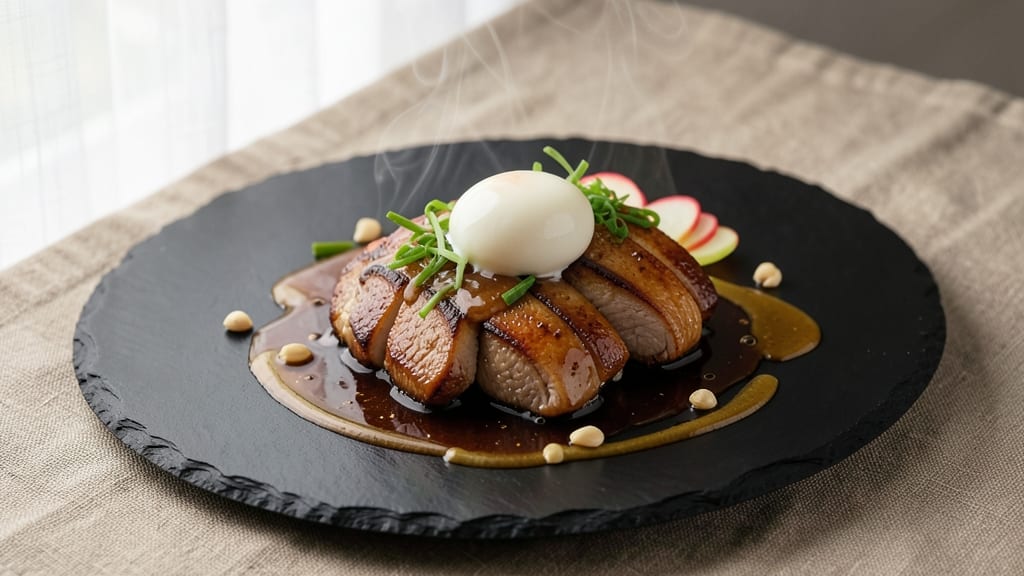
Japanese chicken liver simmered in soy and mirin transforms an often-overlooked ingredient into a restaurant-worthy dish with rich umami depth. This traditional technique—slow-cooked until tender and infused with aromatic Japanese flavors—delivers a dish that balances earthy liver with bright, savory notes.
The key lies in proper preparation: tenderizing the livers before simmering them in a fragrant blend of soy sauce, mirin, and mirin, which creates a glossy, flavorful sauce that clings perfectly to each bite.
The beauty of this recipe is its simplicity combined with professional results. With just a handful of ingredients and 30 minutes of active time, you'll achieve a dish that feels both rustic and refined.
The livers develop a delicate texture—tender yet firm—while absorbing the complex flavors of the simmering liquid. This method also allows for easy customization: add a touch of sake for extra depth or a splash of honey for subtle sweetness to suit your taste.
What makes this dish truly special is its versatility. Serve it over steamed rice for a classic presentation, or pair it with a crisp cucumber salad to balance the richness. The umami-packed sauce also makes it an excellent topping for noodles or a filling for dumplings.
Each bite delivers a harmonious blend of textures and flavors that showcase the liver's natural richness without overpowering it.
Perfect for special occasions or weeknight dinners, this recipe brings a taste of Japan to your table with minimal effort. The technique is foolproof once you understand the key steps, and the results are consistently impressive.
Whether you're a seasoned home cook or new to Japanese cuisine, this dish offers a rewarding culinary experience that highlights one of nature's most nutrient-dense ingredients.
Ingredients for japanese chicken liver
A precise blend of umami-rich ingredients transforms delicate chicken livers into a restaurant-quality dish.
| Ingredient | Amount | Notes |
|---|---|---|
| Chicken Livers 🍗 | 1 lb | Fresh, trimmed of connective tissue |
| Japanese Soy Sauce 🥄 | ½ cup | High-quality, like Kikkoman or Hacenda |
| Mirin 🍶 | ¼ cup | Sweet rice wine, not mirin substitute |
| Sake 🍶 | ¼ cup | Dry, preferably junmai |
| Fresh Ginger 🧡 | 1 tbsp | Finely grated, aromatic |
| Garlic Cloves 🧄 | 3 cloves | Minced, aromatic |
| Sesame Oil 🫒 | 1 tbsp | Toasted, for finishing |
| White Rice Vinegar 🍶 | 1 tbsp | For brightness |
| Neutral Oil 🫒 | 1 tbsp | Like vegetable or canola |
| Diamond Crystal Kosher Salt 🧂 | ½ tsp | For seasoning |
| Ground Black Pepper 🌶️ | ¼ tsp | Freshly cracked |
| Unsalted Butter 🧈 | 2 tbsp | Cold, for finishing |
| Green Onions 🧅 | 2 whole | Thinly sliced, for garnish |
The quality of your chicken livers is paramount—opt for fresh, bright red livers from a trusted butcher or specialty market like Whole Foods. Trim all connective tissue meticulously, as it remains tough even after cooking. For the Japanese ingredients, Kikkoman soy sauce and Hacenda mirin are industry standards, though any high-quality brand will suffice. The ginger should be freshly grated just before cooking to preserve its aromatic compounds. If using frozen livers, thaw them completely in the refrigerator overnight for optimal texture. The sake and mirin can often be found in the Asian foods aisle at major grocery chains like Walmart or Target.
No mirin on hand? Replace with 1 tbsp sugar plus 1 tbsp dry white wine, though the texture will differ slightly. Substituting sake with dry white wine works in a pinch, but the depth of flavor will be noticeably reduced. For the ginger, substitute 0.5 tbsp ground ginger if fresh isn't available, though the flavor profile will be less complex. The sesame oil is non-negotiable for finishing—toasted sesame oil provides the nutty aroma that elevates the dish. If you're serving this to guests who prefer milder flavors, reduce the soy sauce to 0.4 cup and increase the mirin to 0.3 cup. The butter should be cold and cubed when added at the end for optimal texture.
Store any unused livers in an airtight container in the refrigerator for up to 2 days. The cooked dish keeps well in the fridge for 3 days, though the texture becomes slightly firmer upon reheating. For longer storage, freeze the cooked livers in single portions with a thin layer of sauce to prevent freezer burn. When reheating, use a gentle simmer with a splash of water to restore moisture. The dish pairs beautifully with steamed Japanese short-grain rice, which helps balance the richness of the livers. Garnish with the green onions just before serving to maintain their vibrant color and crisp texture.
Why You'll Love This Recipe
- I swear by this trick: slice the livers thick—no delicate dicing, no fuss. The sake and mirin do the work, turning them tender in 15 minutes flat while I chop veggies for the side. (Yes, even on a Tuesday night.)
- Fewer Cuts, Big Payoff: I swear by this trick: slice the livers thick—no delicate dicing, no fuss. The sake and mirin do the work, turning them tender in 15 minutes flat while I chop veggies for the side. (Yes, even on a Tuesday night.)
- Umami Magic: That first bite? The ginger’s sharp zing cuts through the rich, caramelized livers, while the Japanese soy sauce adds this deep, savory punch—like a tiny burst of izakaya flavor. Honestly, it’s the kind of dish that makes you want to skip dessert.
- Leftovers? Please.: This keeps perfectly for days in the fridge—great cold in rice bowls or reheated with a splash of water. Between us, I’ve turned last night’s batch into today’s lunch and tomorrow’s bento. No food waste, just smart cooking.
Step-by-step instructions for Japanese chicken liver simmer
This method transforms delicate chicken livers into a rich, umami-packed dish with perfect texture and depth.
Prep and Blanch the Chicken Livers
Rinse the 1 lb chicken livers under cold water and pat them completely dry with paper towels. Trim away any connective tissue or silver skin using a sharp knife—this ensures a tender final texture. Place the livers in a medium saucepan and cover them with cold water by about 1 inch.
Bring the water to a gentle simmer over medium heat, then immediately reduce to a low boil. Simmer for exactly 2 minutes—this brief blanching removes any bitterness and prepares the livers for the main cooking process. Drain the livers in a colander and rinse them under cold water to stop the cooking process completely. This step is critical; overcooking at this stage will result in tough livers.
Build the Flavor Base
In a large skillet, heat the 1 tbsp neutral oil over medium heat until shimmering. Add the 3 cloves minced garlic and 1 tbsp finely grated fresh ginger, cooking for 30 seconds until fragrant but not browned. Add the blanched chicken livers in a single layer and cook undisturbed for 2 minutes per side until lightly browned. This initial sear develops a rich foundation for the sauce.
Remove the livers from the skillet and set them aside. In the same skillet, increase heat to medium-high and carefully pour in the 0.5 cup Japanese soy sauce, 0.25 cup mirin, and 0.25 cup sake. Bring to a vigorous simmer and reduce by half—about 3-4 minutes—until the liquid thickens slightly and clings to the back of a spoon. This reduction concentrates the flavors and creates the silky sauce that defines this dish.
Finish with Butter and Acid
Return the chicken livers to the skillet and add the 2 tbsp cold unsalted butter. Stir gently to coat the livers and melt the butter completely, which will create a glossy finish. Reduce heat to low and pour in the 1 tbsp white rice vinegar, allowing it to simmer gently for 1 minute. Season with 0.5 tsp diamond crystal kosher salt and 0.25 tsp freshly cracked ground black pepper.
The vinegar brightens the rich umami flavors while the butter adds a luxurious mouthfeel. The livers should be tender but still hold their shape—if they appear slightly undercooked, return them to the skillet for an additional 30 seconds. Taste and adjust seasoning, adding a pinch more salt if needed. The sauce should coat the livers beautifully without being overly thick.
Plate with Garnish
Transfer the chicken livers to a warm serving platter and drizzle with any remaining sauce in the skillet. Thinly slice the 2 whole green onions and scatter them evenly over the top, along with a final drizzle of 1 tbsp toasted sesame oil. The green onions add a fresh contrast to the rich flavors, while the sesame oil enhances the aromatic profile.
Serve immediately while the livers are still warm and the sauce remains glossy. This dish pairs beautifully with steamed jasmine rice or buttered noodles, which help balance the richness. The combination of sweet mirin, salty soy sauce, and bright vinegar creates a harmonious umami experience that showcases the natural richness of the chicken livers.
Pro Tips For Making Japanese Chicken Liver
- Trim the Membrane: Chicken livers have a tough white membrane—leave it on, and you’ll be chewing rubber. Slit the livers open, then scrape it out with your thumb (or a spoon) before cooking. Takes 30 seconds but makes the texture silky, not tough.
- Sear in Batches: Crowd the pan, and they’ll steam instead of brown. Use a 12-inch skillet and cook 4-5 livers at a time over medium-high heat—just 2-3 minutes per side—until the edges crisp. Overfilling = soggy, not seared.
- Deglaze with Sake First: Skip the soy sauce in the pan until the livers are done. Deglaze with sake after removing them, then add mirin and ginger. The alcohol burns off first, so you get deeper flavor without overpowering the livers with salt upfront.
- Soak Ginger in Cold Water: Grate ginger right before using—it oxidizes fast and turns bitter. Toss the grated pieces in a bowl of ice water for 10 minutes, then drain. The cold stops the enzymes, and the texture stays fresh even when simmering. (Yes, it’s weird, but it works.)
Serving suggestions for japanese chicken liver
Classic Rice Pairings
Serve your umami-rich chicken livers over steamed Japanese short-grain rice—the slightly sticky texture perfectly absorbs the glossy sauce. I recommend using Koshihikari rice (available at specialty stores like Weee! or Nijiya Market) for its ideal balance of stickiness and firmness.
Cook the rice with a 1:1.1 rice-to-water ratio and let it rest for 10 minutes after cooking to achieve optimal texture. 🍚
Crisp Vegetable Contrast
A light cucumber salad with rice vinegar dressing cuts through the richness beautifully. Thinly slice 1 English cucumber and toss with 1 tbsp rice vinegar, ½ tsp sugar, and a pinch of salt.
For extra texture, add ¼ cup thinly sliced red bell pepper and 1 tbsp toasted sesame seeds. This refreshing side balances the deep flavors of the livers while adding a vibrant pop of color to your plate.
Miso Soup Harmony
Complete your meal with a warm bowl of traditional miso soup featuring tofu, wakame seaweed, and scallions. I use Miso Master red miso paste (available at Trader Joe's or Asian grocery stores) for its rich, fermented depth.
Simmer 2 tbsp miso paste with 4 cups dashi stock (or chicken broth), then add ½ block silken tofu, 1 tsp dried wakame, and 2 chopped scallions. Serve in small bowls for an authentic Japanese dining experience.
Pickled Ginger Refresh
Add a small bowl of pickled ginger (beni shoga) as a palate cleanser between bites. Look for Hajime brand in the refrigerated section of Asian markets. The bright, tangy flavor contrasts perfectly with the umami-rich livers.
Alternatively, make your own by thinly slicing 2-inch ginger, simmering with ½ cup rice vinegar, 1 tbsp sugar, and ¼ tsp red pepper flakes for 10 minutes. Let it cool before serving.
Noodle Fusion Option
For a heartier meal, serve the chicken livers over udon or soba noodles. Cook 8 oz fresh udon noodles according to package instructions, then toss with 1 tbsp toasted sesame oil and 1 tsp soy sauce.
Top with the livers and drizzle with extra sauce from the skillet. The chewy texture of the noodles complements the tender livers beautifully. 🍜
Garnish Like a Pro
Elevate your presentation with thinly sliced green onions, toasted sesame seeds, and a final drizzle of sesame oil. For extra flair, add microgreens or shiso leaves if available.
I like to arrange the livers on a warmer plate (like Oya Ceramic) to keep them warm while plating. The contrast of colors and textures makes the dish visually stunning while enhancing the dining experience. 💫
Nutrition facts
Frequently asked questions
Why do Japanese recipes often blanch chicken livers first?
Blanching removes natural bitterness and prepares the livers for even cooking. The 2-minute simmer in water also helps tenderize the meat, preventing it from becoming tough during the main cooking process. This step is especially important for chicken livers, which can easily overcook and dry out.
Can I substitute mirin with something else?
Yes, but the texture and flavor will change. Use 1 tbsp sugar plus 1 tbsp dry white wine as a substitute. For deeper umami, try 1 tbsp honey plus 1 tbsp rice vinegar. However, authentic mirin adds a delicate sweetness and helps balance the soy sauce's saltiness—it's worth tracking down for the best results.
What's the secret to perfect texture in Japanese chicken liver dishes?
The key is gentle cooking and proper timing. Don't overcrowd the pan when searing, and cook the livers in one layer for even browning. The final sauce should coat the livers without making them soggy—adding butter at the end creates a glossy finish while keeping the interior tender. Overcooking by even 30 seconds can turn them rubbery.
How do I store leftovers without drying them out?
Store cooked livers in an airtight container with a thin layer of sauce to keep them moist. They'll keep in the fridge for 3 days. For longer storage, freeze them in single portions with sauce. When reheating, simmer gently with a splash of water or broth—never microwave directly, as it makes them tough. The sauce can be reheated separately and drizzled over reheated livers.
What's the best way to serve this dish for guests?
Present it on a warm platter with steamed rice and miso soup for an authentic Japanese meal. Garnish with green onions and a final drizzle of sesame oil just before serving. For a modern twist, pair with udon noodles or a crisp cucumber salad. The key is keeping everything warm—serve the livers immediately after cooking while the sauce remains glossy.