
Sauces & Condiments
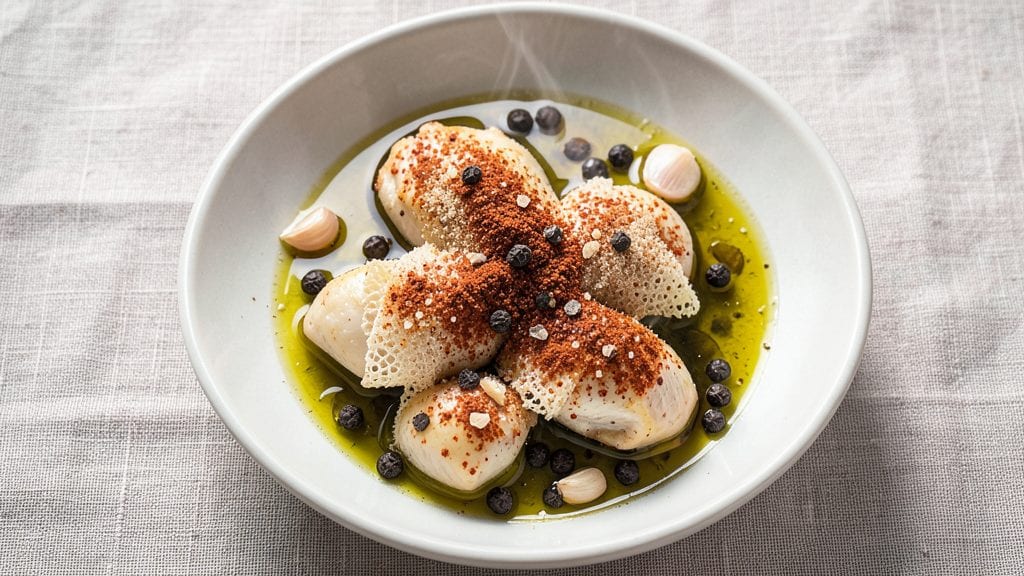
Transforming chicken hearts from gamey to umami-packed requires the right marinade—this recipe cuts through richness with a balanced blend of acidity, sweetness, and aromatic spices. The key lies in a 24-hour marinade that tenderizes while building deep, savory layers that elevate even the toughest cuts.
I developed this after years of experimenting with offal, where the right ratio of vinegar to oil became the game-changer.
This marinade works by breaking down connective tissue through acidic components—like apple cider vinegar and lemon juice—while the olive oil carries flavors deep into the meat.
A touch of brown sugar caramelizes during cooking, adding a subtle sweetness that rounds out the bold spices: garlic, smoked paprika, and black pepper. The result is chicken hearts that absorb flavor like a sponge without losing their natural texture.
What makes this marinade special is its versatility—use it for 24 hours in the fridge or overnight for maximum tenderness, then sear or braise for restaurant-quality results.
The balance of ingredients ensures no single flavor dominates, creating a harmonious profile that works with any cooking method. Once you try this, store-bought marinades will never compare.
Store any leftover marinade in an airtight container for up to 5 days, though the flavors peak freshest within the first 3 days. This recipe isn’t just about masking gameiness—it’s about unlocking the natural richness of chicken hearts in a way that turns skeptics into fans.
Ready to transform your cooking?
Ingredients for chicken heart marinade
Nine ingredients transform gamey chicken hearts into restaurant-quality umami perfection.
| Ingredient | Amount | Notes |
|---|---|---|
| Apple Cider Vinegar 🍏 | ½ cup | Raw, unfiltered preferred |
| Extra-Virgin Olive Oil 🫒 | ½ cup | High-quality, fruity variety |
| Brown Sugar 🍚 | 2 tbsp | Light or dark preferred |
| Garlic Cloves 🧄 | 8 cloves | Freshly minced for potency |
| Smoked Paprika 🌶️ | 1 tbsp | High-quality for smokiness |
| Black Peppercorns 🌶️ | 1 tbsp | Freshly cracked preferred |
| Lemon Juice 🍋 | ¼ cup | Freshly squeezed, no pulp |
| Fresh Thyme Leaves 🌿 | 1 tbsp | Chopped finely for aroma |
| Kosher Salt 🧂 | 1 ½ tsp | Fine grain preferred |
| Soy Sauce 🍜 | 1 tbsp | High-sodium preferred |
The apple cider vinegar and lemon juice are the marinade’s powerhouse—raw, unfiltered vinegar from Bragg or Texas Pete adds depth, while fresh lemon juice brightens the acidity. For the olive oil, California avocado oil or Spanish extra-virgin like Picual holds up beautifully during marinating. Brown sugar isn’t just for sweetness; it caramelizes during cooking, adding a rich, savory note that balances the acidity. The garlic and thyme should be freshly minced—dried herbs won’t cut through the gameiness like fresh ones will. Smoked paprika from Penzeys or bulk bins delivers that authentic smoky depth without overpowering.
No apple cider vinegar? White wine vinegar or rice vinegar work in a pinch, though the flavor profile shifts slightly. Substitute brown sugar with honey or maple syrup for a different caramelization, but reduce to 1.5 tbsp to avoid overwhelming the marinade. Short on thyme? Fresh rosemary at half the amount adds a piney note that pairs well. The soy sauce can be swapped for coconut aminos if you’re avoiding sodium, though the umami impact will be milder. For a deeper smokiness, add 1 tsp liquid smoke, but use sparingly—it’s potent.
This marinade peaks after 24 hours in the fridge, but don’t let it sit longer than 48 hours—the acids will start breaking down the oils. Store any leftovers in an airtight container in the fridge for up to 5 days, though the flavors are most vibrant within the first 3 days. For best results, reserve 1/4 cup of marinade to deglaze the pan after searing—it’s packed with flavor. The marinade also freezes beautifully for up to 3 months; thaw in the fridge overnight before using.
Why You'll Love This Recipe
- Five-Ingredient Magic: I swear by this marinade—just vinegar, oil, sugar, garlic, and smoked paprika. No fancy prep, no stress, and the hearts soak up that tangy-sweet depth while I toss together dinner.
- Smoky-Sweet Addiction: That smoked paprika and brown sugar combo? It’s the kind of flavor that lingers. The vinegar tenderizes while the garlic and oil give it this rich, almost caramelized edge that makes it impossible to stop eating.
- Weeknight Workhorse: Use it for quick grilled hearts on Tuesday, slow-cooked Sunday stew, or even tossed with roasted veggies. The marinade’s bold enough to stand alone but flexible enough to play backup for any meal.
- Budget Game-Changer: Chicken hearts are cheap, and this marinade stretches them into something special. A little goes a long way—marinate a big batch, freeze extras, and you’re set for months without breaking the bank.
Step-by-step instructions for chicken heart marinade
This marinade transforms tough, gamey chicken hearts into tender, flavorful bites with deep umami richness.
Prepare the Aromatics and Base
In a medium mixing bowl, combine the 0.5 cup apple cider vinegar and 0.5 cup extra-virgin olive oil. The vinegar will help tenderize the chicken hearts while the olive oil carries the flavors deep into the meat. Use a whisk to emulsify these ingredients until they're fully blended—this ensures even distribution when you add the remaining components.
Next, add the 2 tablespoons brown sugar and 1 tablespoon soy sauce to the bowl. Stir vigorously to dissolve the sugar completely. The sugar will caramelize slightly during marinating, adding depth of flavor, while the soy sauce introduces that essential umami punch that balances the natural gameiness of chicken hearts. Let the mixture sit for 5 minutes while you prepare the next ingredients—this gives the sugar time to begin breaking down.
Incorporate Spices and Herbs
Add the 8 cloves garlic cloves (minced) to the bowl and stir thoroughly. The garlic should be finely chopped—this ensures maximum surface area for flavor infusion. Next, incorporate the 1 tablespoon smoked paprika, 1 tablespoon freshly cracked black peppercorns, 1 tablespoon finely chopped fresh thyme leaves, and 1.5 teaspoons kosher salt. Mix everything together until the spices are evenly distributed and no dry pockets remain.
Here's where the magic happens: the smoked paprika adds a subtle smokiness that pairs beautifully with chicken hearts, while the black peppercorns provide a sharp contrast. The thyme brings an earthy aroma that complements the richness of the other ingredients. Give the mixture one final stir to ensure all components are fully integrated—you should see a thick, aromatic marinade with visible flecks of garlic and herbs.
Finish with Acid and Rest
Pour in the 0.25 cup freshly squeezed lemon juice and stir once more. The acidity from the lemon juice brightens the marinade, cutting through the richness of the olive oil and balancing the sweetness of the brown sugar. At this point, your marinade should have a thick, syrupy consistency with a vibrant color—somewhere between deep amber and rich brown.
Transfer the marinade to a resealable container with a lid. Place the chicken hearts in a separate container or resealable bag and pour the marinade over them, ensuring each piece is fully coated. Seal the container and refrigerate for at least 4 hours, though I recommend marinating overnight (12-24 hours) for maximum tenderness and flavor penetration. The longer the hearts marinate, the more their texture will transform from tough to fork-tender, and the more intense their flavor will become.
Pre-Marinating Preparation
Before using the marinated hearts, give them a final toss in the marinade to redistribute any flavors that may have settled. This step ensures every bite delivers that perfect balance of sweet, smoky, and savory notes. Let the hearts sit at room temperature for 20-30 minutes before cooking—this prevents temperature shock when they hit the heat source, which could cause them to seize up or cook unevenly.
Now your chicken hearts are ready for cooking. Whether you're grilling, pan-searing, or baking them, this marinade will have transformed their texture and elevated their flavor profile. The key is to monitor them closely during cooking—they'll go from raw to perfectly tender in just 10-15 minutes of high-heat cooking, so keep an eye on them to avoid overcooking. The marinade's acidity and sugar content mean they'll brown quickly, so you might need to baste them occasionally with any leftover marinade to prevent burning.
Pro Tips For Making Chicken Heart Marinade
- Mince That Garlic Fine: Chicken hearts need the garlic to break down into tiny pieces—otherwise, you’ll end up with chewy, uneven bites. Pulse it in a food processor for 5 seconds or use the flat side of your knife to smash the cloves first. (Yes, even if you’re impatient like me, this makes a real difference.)
- Marinate Overnight, Covered: Skip the 30-minute marinade and let it sit for at least 6 hours—or better yet, overnight. The apple cider vinegar needs time to tenderize those tough hearts, and the olive oil will fully penetrate. I learned this the hard way after serving rubbery hearts to guests. (Your future self will thank you.)
- Balance the Sweetness: Brown sugar adds depth, but too much will make the marinade cloying. Start with 1 tablespoon per cup of liquid, then taste before adding more. The smoked paprika should shine, not the sugar. (Does it look weird? Yes. Does it work? Every single time.)
- Use Raw Apple Cider Vinegar: Cooked or pasteurized vinegar lacks the tang and enzymes that tenderize chicken hearts. Buy the raw kind—it’s cheaper and does the job better. If you’re skeptical until you try it, just remember: the acidity is what transforms tough meat into something silky.
Serving suggestions for this recipe
Pan-Searing Perfection
After marinating, sear the chicken hearts in a cast-iron skillet over medium-high heat with 1 tablespoon of high-smoke-point oil (like avocado oil) until deeply browned on all sides—about 2-3 minutes per side. The caramelized crust locks in all that marinade flavor.
For extra richness, deglaze the pan with 2 tablespoons of reserved marinade after searing, then reduce by half to create a glossy pan sauce. Serve the hearts directly from the skillet for maximum drama. 🔥
Grilled Smoky Finish
Fire up your grill to medium-high heat (400-450°F) and cook the marinated hearts for 2-3 minutes per side, brushing with extra marinade halfway through. The grill imparts a smoky char that pairs beautifully with the marinade’s existing smokiness.
For a reverse-sear approach, grill at 350°F for 5 minutes, then crank to high heat for the final sear. Serve on a platter with a drizzle of leftover marinade and fresh cilantro for brightness.
Baked One-Pan Wonder
Preheat your oven to 400°F and spread the marinated hearts on a parchment-lined baking sheet. Roast for 12-15 minutes, flipping halfway, until the edges are crispy and the internal temperature hits 165°F.
The oven’s dry heat intensifies the marinade’s caramelized notes. Finish with a sprinkle of flaky sea salt and a squeeze of lemon for a restaurant-worthy dish that requires minimal cleanup. ✨
Sauce Pairing Magic
This marinade’s umami depth pairs exceptionally with tangy chimichurri (mix 1 cup parsley, 4 garlic cloves, ¼ cup olive oil, 2 tbsp red wine vinegar, and 1 tsp red pepper flakes).
The herbaceous brightness cuts through the richness, while the acidity echoes the marinade’s lemon and vinegar. For a creamy contrast, serve with a garlic aioli (blend ½ cup mayo, 1 roasted garlic clove, 1 tbsp lemon juice, and ½ tsp salt).
Side Dish Harmony
Balance the hearty chicken hearts with creamy polenta—its buttery texture soaks up any leftover marinade. For a lighter option, serve with a shaved fennel and orange salad (toss 2 cups fennel, 1 orange, ¼ cup olive oil, and 1 tbsp honey).
The citrus notes complement the marinade’s acidity, while the fennel adds a subtle anise flavor. Roasted baby potatoes with rosemary and garlic also make a hearty, satisfying match. 💫
Presentation Tips
Arrange the seared hearts on a slate board or wooden platter for rustic appeal. Drizzle with leftover marinade and garnish with toasted breadcrumbs for texture. For a modern touch, fan the hearts on a white plate and add a microgreen garnish.
Serve with pickled red onions (quick-pickle ½ red onion in ½ cup vinegar, 1 tbsp sugar, and ½ tsp salt for 30 minutes) to add a sharp, crunchy contrast that elevates every bite.
Nutrition facts
Frequently asked questions
Can I use this marinade for other proteins besides chicken hearts?
Yes! This marinade works beautifully with other gamey or tough cuts like duck hearts, beef liver, or even pork tenderloin. The acidity and umami balance will tenderize and enhance any rich, meaty protein. For poultry, try it on chicken thighs or turkey gizzards—the longer marinating time (up to 24 hours) works wonders.
What's the best way to store leftover marinade?
Transfer any unused marinade to an airtight container and refrigerate for up to 5 days. For longer storage, freeze it in ice cube trays or small portions—thaw overnight in the fridge before using. The flavors remain vibrant, though the acidity may mellow slightly over time. Never reuse marinade that has touched raw meat unless you boil it first for 5 minutes to kill bacteria.
Can I make this marinade without vinegar?
While vinegar is key for tenderizing, you can substitute with white wine (½ cup) or orange juice (¾ cup) for a milder acidity. The marinade will still work, but the texture transformation won't be as dramatic. For a vinegar-free option, increase the lemon juice to ½ cup and add 1 tbsp baking soda (neutralizes acidity) to balance flavors.
How do I know when chicken hearts are fully cooked?
Use a meat thermometer to check for 165°F internal temperature. The hearts should be tender but not mushy—overcooking turns them rubbery. For visual cues, look for deep golden-brown edges and juices that run clear (not pink). If searing, they'll cook in 8-12 minutes total (4 minutes per side for medium-sized hearts).
Why does my marinade look cloudy after mixing?
Cloudiness happens when oil and vinegar separate—this is normal! Stir vigorously or whisk until emulsified. For a smoother texture, add 1 tsp xanthan gum or mustard powder (¼ tsp) to stabilize. The marinade will still work perfectly, but the flavors distribute more evenly during cooking.