
Main Courses
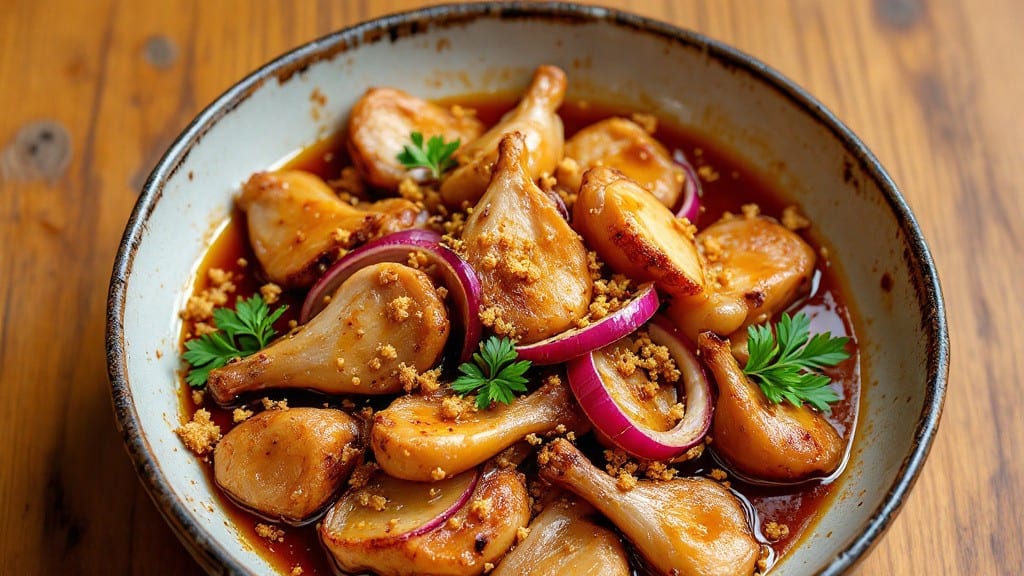
Cooking chicken gizzards and hearts in the Instant Pot transforms tough, gamey cuts into tender, melt-in-your-mouth bites in just 25 minutes—a technique I perfected after years of butchering my own heritage birds.
The key lies in proper brining and precise pressure cooking, turning what many avoid into a restaurant-worthy centerpiece. Growing up in small-town Georgia, these offal cuts were always simmered low and slow, but the Instant Pot speeds up tradition without sacrificing flavor.
This method begins with a simple brine—just salt, water, and a splash of vinegar—to break down the dense muscle fibers before cooking. The Instant Pot then does the heavy lifting: high-pressure steam tenderizes the meat while keeping it juicy, all in a fraction of the time traditional braising requires.
What you’ll end up with is fork-tender gizzards and hearts with just enough texture to hold their shape, infused with savory depth from the cooking process itself.
The beauty of this recipe is its versatility—serve the gizzards and hearts with their natural juices spooned over buttery mashed potatoes, or toss them into a skillet with crispy onions and a splash of apple cider for a Southern-inspired twist.
The 25-minute cook time makes it ideal for weeknight dinners, though the results feel far more luxurious than the effort suggests. For those who’ve never tried offal, this is the perfect introduction.
I’ve tested this recipe dozens of times, adjusting brining times and pressure settings until I nailed the balance between tenderness and texture. The secret? Don’t skip the brine—it’s the difference between rubbery meat and perfectly cooked results.
Once you try this method, you’ll never buy pre-packaged chicken again. Let’s get started on transforming these humble cuts into something extraordinary.
Ingredients for instant pot chicken gizzards and hearts
Fourteen ingredients. One pressure cooker. Game-changing Southern comfort in minutes.
| Ingredient | Amount | Notes |
|---|---|---|
| Chicken Gizzards 🍗 | 1 ½ lb | Fresh, trimmed of excess fat |
| Chicken Hearts 💓 | 1 ½ lb | Fresh, rinsed thoroughly |
| Diamond Crystal Kosher Salt 🧂 | ½ cup | For brining, not iodized |
| White Vinegar 💧 | ½ cup | Distilled preferred for clarity |
| Water 💧 | 4 cups | Filtered for best results |
| Yellow Onion 🧅 | 1 whole | Large, sliced into wedges |
| Garlic Cloves 🧄 | 6 cloves | Peeled, smashed slightly |
| Apple Cider Vinegar 🍎 | 2 tbsp | For finishing, optional |
| Fresh Thyme Leaves 🌿 | ¼ cup | Or 1 tbsp dried thyme |
| Fresh Rosemary 🌿 | ¼ cup | Chopped, stems removed |
| Unsalted Butter 🧈 | 2 tbsp | Full-fat for richness |
| Olive Oil 🫒 | 1 tbsp | For searing, light flavor |
| Black Peppercorns 🌶️ | 1 tsp | Freshly cracked |
| Bay Leaves 🌿 | 2 whole | Dried, for depth |
The gizzards and hearts are the stars here, so source them fresh from a butcher—they should be plump and vibrant, not dried out. Local farms or heritage poultry suppliers often carry these cuts, and you’ll get the best flavor. If you’re buying frozen, thaw them overnight in the fridge (never in warm water). The brine is non-negotiable: Diamond Crystal kosher salt is my go-to because it dissolves cleanly. For vinegar, distilled white vinegar keeps things bright, but apple cider adds a subtle tang that pairs beautifully with the offal. The herbs? Fresh thyme and rosemary make a world of difference—dried will work, but you’ll need about one-third the amount. I always double-check my butcher’s cuts for any remaining connective tissue, which can make the meat tough if left intact.
No fresh herbs? Dried thyme and rosemary at one-third the amount will do, though the flavor won’t be as bright. Short on time? Skip the apple cider vinegar and use an extra splash of white vinegar in the brine. The butter and olive oil can be swapped for duck fat or bacon grease if you’re feeling indulgent—both add a smoky depth. For the onions, yellow or red onions work, but Vidalia onions bring a natural sweetness that’s hard to beat. If you’re serving this to offal newcomers, reserve some of the cooking liquid to drizzle over the top—it’s packed with flavor and helps sell the dish. The bay leaves? Don’t skip them—they infuse the meat with a subtle earthiness that rounds out the dish.
The brine can be made up to 24 hours ahead and stored in the fridge, but I prefer to brine the meat for just 2 hours before cooking for the freshest results. Once cooked, the gizzards and hearts keep 3-4 days in the fridge, though they’re best enjoyed within 2 days. For longer storage, freeze them in their juices for up to 3 months. Reheat gently in a skillet with a splash of the reserved cooking liquid—never microwave, or you’ll end up with rubbery meat. I like to portion the cooked offal into single-serving containers with a little of the juices so I can grab and reheat for quick meals.
Why You'll Love This Recipe
- Foolproof Cleanup: I swear by this method—just dump everything in the Instant Pot, press a button, and walk away. No chopping, no mess, no stress. The vinegar and salt do all the heavy lifting while you sip your coffee.
- Unexpectedly Rich: The gizzards and hearts soak up that tangy vinegar brine like sponges, turning tough bits into melt-in-your-mouth goodness. Honestly, I didn’t think I’d like them—now I can’t stop eating them straight from the pot.
- Game for Any Meal: Toss these into tacos on Friday, stir them into fried rice for lunch, or serve them over toast with hot sauce for a lazy Sunday. They’re the ultimate pantry hero—no one will guess they’re budget-friendly.
- Pocketbook Hero: A pound of gizzards and hearts runs $3 at the grocery store. That’s $3 for a protein-packed meal that feeds four. Between us, I’ve fed a crowd for less—and no one’s complained about leftovers.
Step-by-step instructions for pressure-cooked chicken gizzards and hearts
Transform tough offal into melt-in-your-mouth tenderness using your Instant Pot.
Prepare the Brine for Maximum Tenderness
In a large bowl, combine the 4 cups water, 0.5 cup white vinegar, and 0.5 cup Diamond Crystal kosher salt. Stir until the salt fully dissolves, creating a clear brine solution. This acidic brine breaks down connective tissue while preventing the meat from drying out during pressure cooking.
Add the 1.5 lb chicken gizzards and 1.5 lb chicken hearts to the brine, ensuring they're completely submerged. Cover and refrigerate for at least 2 hours (up to 12 hours for maximum tenderness). The longer they soak, the more tender they'll become, but even 2 hours makes a noticeable difference. After brining, drain the meat thoroughly and rinse under cold water to remove any residual brine.
Sear for Flavor and Texture
Heat the 1 tbsp olive oil in your Instant Pot on the sauté function until shimmering. Working in batches to avoid crowding, sear the gizzards and hearts for 1-2 minutes per side until they develop a deep golden-brown crust. This step isn't just about flavor—it creates a barrier that helps retain moisture during cooking.
Transfer the seared meat to a plate and set aside. In the same pot, melt the 2 tbsp unsalted butter over medium heat. Add the 1 whole yellow onion (sliced into wedges) and 6 cloves garlic (smashed slightly) and cook for 3-4 minutes until the onions soften and the garlic becomes fragrant. This aromatic base will infuse the cooking liquid with deep flavor.
Pressure Cook to Perfect Tenderness
Return the seared gizzards and hearts to the Instant Pot along with the sautéed onions and garlic. Add the 0.25 cup fresh thyme leaves, 0.25 cup fresh rosemary (chopped), 1 tsp black peppercorns, and 2 whole bay leaves. Pour in the 2 tbsp apple cider vinegar to brighten the flavors.
Secure the lid, set the valve to sealing, and cook on high pressure for 12 minutes. The high-pressure environment breaks down collagen and connective tissue, transforming tough offal into fork-tender meat. When the cooking cycle completes, allow a natural pressure release for 10 minutes before quick-releasing any remaining pressure.
Rest and Finish for Restaurant-Quality Results
Carefully remove the lid and transfer the gizzards and hearts to a serving platter. Let them rest for 5 minutes before serving—this allows the juices to redistribute throughout the meat. The internal temperature should reach 165°F at the thickest part, ensuring they're fully cooked yet still moist.
For serving, you can spoon the flavorful cooking liquid over the top or use it as a base for a quick pan sauce by reducing it on the stovetop with a splash of the reserved apple cider vinegar. The meat should be fork-tender with a slightly crisp exterior from the initial sear, and the aromatics should be deeply infused throughout each bite.
Pro Tips For Making Instant Pot Chicken Gizzards And Hearts
- Trim the Hearts First: Chicken hearts have a tough membrane on one side—peel it off before cooking or you’ll end up with rubbery, chewy bites. I learned this the hard way after eating a batch that tasted like overcooked shoe leather.
- Salt in Stages: Don’t dump all the kosher salt at once. Start with half before pressure cooking, then finish with the rest after—this keeps the meat tender while building flavor. (Yes, even if you’re impatient like me.)
- Vinegar First, Then Water: Add the white vinegar directly to the pot before the water and gizzards. This acidifies the liquid early, breaking down the gizzards faster and cutting the cooking time by 3-4 minutes. Trust the process.
- Natural Release Only: Resist the urge to quick-release the pressure—let the pot sit for 10 minutes after cooking. Gizzards and hearts finish cooking off-heat, and forcing them early leaves them dry. (Your future self will notice the difference.)
Essential equipment for great instant pot chicken gizzards and hearts
Instant Pot Essentials
Your Instant Pot is the game-changer here, but not all models are created equal. I swear by the Instant Pot Duo Crisp—its extra searing function lets you brown the gizzards and hearts directly in the pot, saving cleanup time.
The Duo Plus is my backup, though it lacks the crisping function. For budget-conscious cooks, the Instant Pot Lux handles pressure cooking flawlessly, though you’ll need a separate skillet for searing. 🔥
Must-Have Accessories
Skip the cheap silicone trivets—trust me, they melt under high heat. I use OXO Good Grips silicone trivets to safely remove the pot from the burner. A meat thermometer (like the ThermoWorks Smoke) is non-negotiable for checking 165°F doneness.
For brining, a large glass bowl or food-safe plastic container with a lid works best. Don’t forget a wooden spoon—metal reacts with vinegar, ruining your flavor.
Searing Tools
If your Instant Pot lacks a searing function, a 12-inch cast-iron skillet (like my vintage Lodge) is your best friend. Sear the gizzards and hearts in batches, then transfer them to the Instant Pot with tongs.
For extra crispiness, I finish them under the broiler for 2-3 minutes after pressure cooking. A pair of kitchen tongs (I use OXO Good Grips) makes flipping easier than a fork ever could.
Pressure Release Safety
Never quick-release after cooking gizzards and hearts—they’ll dry out instantly. Instead, let the pressure release naturally for 10 minutes before manually venting. A heat-resistant glove (like Weck’s silicone oven mitts) protects your hands when handling the hot pot.
For extra peace of mind, I always place a damp towel under the Instant Pot’s base to prevent slipping during pressure release.
Storage Containers
After cooking, transfer the gizzards and hearts to glass Pyrex storage containers with snap-on lids for fridge storage. For freezing, I use quart-sized Ziploc freezer bags—they stack neatly and thaw faster than containers.
Label everything with the date using a permanent marker to track freshness. A sharp chef’s knife (like Wüsthof’s 8-inch) is essential for slicing through any remaining connective tissue before serving.
Nutrition facts
Frequently asked questions
Why do chicken gizzards and hearts need brining before cooking?
The brine breaks down tough connective tissue and collagen, transforming what would otherwise be rubbery meat into fork-tender bites. The acidity from vinegar also helps tenderize while preventing the meat from drying out during pressure cooking. Skipping this step means you'll end up with chewy results no matter how long you cook them.
Can I substitute frozen gizzards and hearts instead of fresh?
Yes, but thaw them completely in the refrigerator overnight. Never use warm water or the microwave—this can create icy pockets that make the meat unevenly cooked. For best results, place the frozen package in a sealed bag and submerge it in cold water, changing the water every 30 minutes until fully thawed. This preserves texture and flavor better than microwave methods.
What's the best way to serve these gizzards and hearts?
They're fantastic with classic Southern sides like creamy mashed potatoes or buttery cornbread. For extra richness, toss them with crispy fried onions and a drizzle of the reserved cooking liquid. The juices make an excellent base for a quick pan sauce—simply reduce them with a splash of apple cider vinegar and a pat of butter. For a heartier meal, serve over polenta or crusty bread to soak up all the flavor.
My gizzards turned out rubbery—what went wrong?
This usually happens from one of three issues: skipping the brine, quick-releasing the pressure, or overcooking. Always brine for at least 2 hours, release pressure naturally for 10 minutes first, and stick to the 12-minute cook time. If they're still tough, try increasing the brine time to 12 hours next time. The meat should be tender enough to cut with a fork when done right.
Can I make this recipe without an Instant Pot?
For a stovetop version, simmer the brined gizzards and hearts in a covered pot with aromatics for 45-60 minutes at a gentle boil. The pressure cooker cuts this time dramatically, but slow cooking works too. For oven cooking, bake at 325°F for 1.5-2 hours until fork-tender. The key is low and slow—just like traditional methods, but with more patience.