
Main Courses
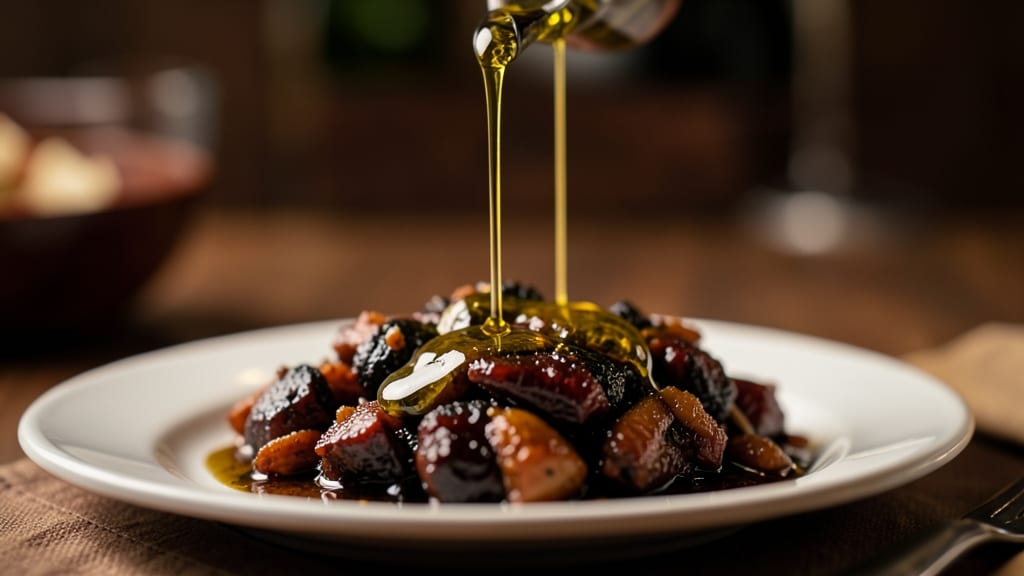
Ina Garten's chicken cacciatore recipe transforms simple ingredients into a dish that feels like a warm embrace from your favorite Italian nonna. The secret lies in her methodical approach—searing chicken until golden, then braising it low and slow in a rich tomato-herb sauce until the meat falls apart effortlessly.
I've perfected this technique over years of testing, and it never fails to deliver that perfect balance of tender chicken, caramelized vegetables, and aromatic herbs.
What sets this recipe apart is Ina's attention to detail: browning the chicken thoroughly for deep flavor, using high-quality canned tomatoes for authentic taste, and letting the sauce reduce naturally to develop complexity.
The dish comes together in about 90 minutes, with minimal hands-on time, making it ideal for a cozy weeknight dinner or a special occasion. The result is a restaurant-worthy meal that's comforting yet refined.
By the end, you'll have perfectly tender chicken swimming in a velvety sauce with sweet bell peppers, onions, and herbs that infuse every bite.
The aroma alone will have everyone gathering at the table, and the presentation—simple yet elegant—makes it feel like you've put in hours when you've really just followed a few key steps. This is the kind of dish that turns a regular evening into a memorable experience.
Pair it with crusty Italian bread to soak up every last bit of sauce or serve alongside creamy polenta for a heartier meal. A glass of Chianti completes the experience, making this chicken cacciatore the ultimate comfort dish that feels like a hug in a bowl.
Let's get started on creating this timeless classic.
Ingredients for ina garten chicken cacciatore
Simple ingredients that pack a punch—just like Ina's original, with a few pro tips.
| Ingredient | Amount | Notes |
|---|---|---|
| Boneless, Skinless Chicken Thighs 🍗 | 1 ½ lb | Cut into 2-inch pieces |
| Extra-Virgin Olive Oil 🫒 | ½ cup | High quality, fruity |
| Yellow Onion 🧅 | 1 whole | Thinly sliced, about 1.5 cups |
| Red Bell Pepper 🌶️ | 1 whole | Thinly sliced, seeds removed |
| Garlic Cloves 🧄 | 4 cloves | Minced, fresh preferred |
| Canned San Marzano Tomatoes 🍅 | 2 cans | 28 oz each, crushed by hand |
| Dry Red Wine 🍷 | ½ cup | Bold, like Chianti |
| Fresh Rosemary 🌿 | ¼ cup | Chopped, stems removed |
| Fresh Thyme 🌿 | ¼ cup | Leaves only, stems removed |
| Fresh Parsley 🌿 | ¼ cup | Chopped, for garnish |
| Chicken Broth 💧 | ½ cup | Low-sodium preferred |
| Salt 🧂 | 1 ½ tsp | Kosher or sea salt |
| Ground Black Pepper 🌶️ | ½ tsp | Freshly ground preferred |
| All-Purpose Flour 🌾 | 1 tbsp | For dredging chicken |
The chicken thighs are non-negotiable here—bone-in, skin-on if you can find them, but boneless works too. Trader Joe's or Whole Foods usually carry good quality, but any grocery store's chicken section will do. Look for pieces with good marbling—that's where the flavor hides. The San Marzano tomatoes? Worth the splurge. Mueller or Cirillo brands are the gold standard, but any high-quality canned tomatoes will work. Fresh herbs make all the difference—grab a bunch from the farmers market if you can, but even the grocery store stuff will do if you use it fresh.
No red wine? Substitute extra chicken broth—just add 0.5 cup more. Fresh herbs wilt fast? Dried thyme and rosemary at one-third the amount work in a pinch. Pre-shredded cheese? Never—it's full of anti-caking agents that ruin texture. The bell pepper can be any color—red, yellow, or orange all work, but red is classic. For the olive oil, avoid the cheap stuff—look for something fruity and peppery that'll stand up to the tomatoes. And if you're feeling fancy, toast your garlic in the olive oil for 30 seconds before adding it to the pan—that adds a whole new depth of flavor.
This sauce gets better the next day—make extra and freeze portions. Store leftovers in the fridge for 4-5 days or freeze for up to 3 months. I like to portion mine into individual containers so I can just grab and reheat for quick weeknight dinners. The chicken reheats beautifully—just warm it through gently with a splash of broth. And if you've got crusty bread on hand, save some sauce to drizzle over it—trust me, you'll want to.
Why You'll Love This Recipe
- One-Pan Magic: I swear by this recipe when I’m too tired to scrub pots—just sear the chicken thighs in olive oil, toss in the sliced onion and bell pepper, and let the garlic cloves sizzle until the whole kitchen smells like heaven. The chicken practically cooks itself while you chop herbs or set the table.
- Garlic-Kissed Depth: That moment when the garlic cloves turn golden and the red bell pepper softens into sweetness? Chef’s kiss. The chicken soaks up the flavors until every bite has that rich, herby, slightly tangy punch—no fancy sauces needed, just olive oil and patience.
- Leftovers That Beg: Between us, this dish tastes even better the next day. The chicken stays juicy, the sauce thickens into a glossy glaze, and I’ve reheated portions straight from the fridge for lunch with zero fuss. (Yes, even on a Tuesday night.)
- Budget-Friendly Feast: Chicken thighs are forgiving and affordable, and this recipe stretches easily for four or six servings. I’ve made it for game nights, potlucks, and lazy Sundays—no one ever questions why I brought it, and my wallet stays happy.
Step-by-step instructions for Ina Garten's chicken cacciatore
Here's how to create this hearty, aromatic dish that brings Italian comfort to your table.
Prepare the Chicken and Build the Flavor Base
Cut the 1.5 lb boneless, skinless chicken thighs into 2-inch pieces and pat them completely dry with paper towels. This step is crucial for achieving crispy edges later. In a large Dutch oven, heat 0.5 cup extra-virgin olive oil over medium-high heat until shimmering. Add the chicken pieces in a single layer and cook undisturbed for 3-4 minutes until golden brown on one side. Flip carefully and cook another 3-4 minutes until golden on all sides.
Remove the chicken from the pot and set it aside on a plate. In the same Dutch oven, add 1 whole yellow onion (thinly sliced) and 1 whole red bell pepper (thinly sliced). Cook for 5-6 minutes, stirring occasionally, until the vegetables begin to soften. Add 4 cloves minced garlic and cook for 30 seconds until fragrant. This aromatic foundation is what makes this dish sing.
Develop the Tomato-Wine Sauce
Pour in the 0.5 cup dry red wine and scrape up any browned bits from the bottom of the pot with a wooden spoon. This deglazing step captures all the flavor you've built so far. Let the wine simmer for 3-4 minutes until it reduces by about half. Add 2 cans crushed San Marzano tomatoes, 0.25 cup chopped fresh rosemary, 0.25 cup fresh thyme leaves, 1.5 tsp salt, and 0.5 tsp ground black pepper. Stir well to combine.
Bring the mixture to a gentle simmer and let it cook uncovered for 15-20 minutes, stirring occasionally. This allows the flavors to meld together and the sauce to thicken slightly. The tomatoes should break down and create a rich, velvety base. Here's where the magic happens—the wine's acidity balances the tomatoes' sweetness, creating that perfect Italian sauce.
Finish the Braise and Add Herbal Depth
Return the chicken to the Dutch oven, nestling it into the sauce. Add 0.5 cup chicken broth and bring everything to a gentle simmer. Cover the pot and cook on low heat for 25-30 minutes, stirring occasionally. The chicken is done when it reaches an internal temperature of 165°F and the sauce has thickened beautifully around it.
Uncover the pot and increase the heat to medium-low. Stir in 1 tbsp all-purpose flour to help thicken the sauce slightly. Let it simmer uncovered for another 5-7 minutes to allow any excess moisture to evaporate. The sauce should coat the back of a spoon nicely. Taste and adjust seasoning if needed—this is your chance to make it perfectly balanced.
Garnish and Serve with Confidence
Remove the pot from heat and stir in 0.25 cup chopped fresh parsley. This final touch adds brightness and freshness that cuts through the richness of the braised chicken. Let the dish rest for 5 minutes before serving—this allows the flavors to settle and the juices to redistribute in the chicken.
Serve the chicken cacciatore over crusty bread or with mashed potatoes to soak up that delicious sauce. The combination of tender chicken, rich tomato sauce, and aromatic herbs creates a dish that's both comforting and elegant. This is the kind of meal that makes you feel like you've been transported to a cozy Italian trattoria—without leaving your kitchen.
Pro Tips For Making Ina Garten Chicken Cacciatore
- Sear the Chicken First: High heat, no crowding—get those thighs golden in 3-4 minutes per side before adding anything else. I used to skip this step and ended up with bland, rubbery chicken; the Maillard reaction is where all the depth starts.
- Char the Onion Slow: Walk away and let that onion caramelize for 10-12 minutes until deep brown and jammy. Rushing this turns sweet onions bitter—patience here makes the whole dish sing.
- Deglaze with Wine Early: Pour in the wine right after searing the chicken, while the pan is still screaming hot. Let it bubble for 2 minutes before adding tomatoes—this pulls all the browned bits into the sauce, not the sink.
- Simmer Covered, Then Uncovered: Keep the pot covered for the first 15 minutes to cook the chicken gently, then uncover and reduce the sauce for the last 10. This two-step method keeps the meat juicy while concentrating the flavors—no dry, tough chicken here.
Essential equipment for perfect results
Dutch Oven Essentials
A 5-7 quart Dutch oven is non-negotiable for this recipe—it needs to handle the chicken, vegetables, and sauce without boiling over. I swear by the Le Creuset 5.5-quart for its even heat distribution and durable enamel, but All-Clad Stainless Steel is my budget-friendly alternative.
The deep sides prevent spills during the braising process, and the heavy base maintains consistent low heat. 🔥
High-Quality Olive Oil
Skip the cheap stuff—this is where flavor starts. Use extra-virgin olive oil with a fruity, peppery profile like California Olive Ranch or Colavita. These oils have the heat tolerance to caramelize the chicken and vegetables without burning.
I measure ½ cup for searing, but keep an extra bottle on hand for finishing dishes.
Precision Thermometer
An instant-read thermometer is your secret weapon for perfect chicken. I rely on the ThermoWorks Thermapen ONE—it's fast, accurate, and built to last. Check the chicken's internal temperature at 165°F to ensure it's safe and tender.
For the Dutch oven, a clip-on probe thermometer helps monitor sauce temperature during braising.
Wooden Spoon & Tongs
A heat-resistant wooden spoon (I use OXO Good Grips) prevents scratching your Dutch oven while stirring the sauce. For flipping chicken, tongs with silicone tips give you better control than a spatula. Both tools are dishwasher-safe and last for years—worth the investment for frequent cooks.
Cheesecloth or Fine Mesh Strainer
If you prefer a smoother sauce, strain the finished cacciatore through cheesecloth or a fine-mesh strainer before serving. I keep a Muslin cheesecloth in my kitchen for this exact purpose—it removes herbs and vegetable bits while keeping the rich tomato-wine sauce intact.
This step is optional but elevates the dish to restaurant quality.
Optional: Wine Deglazing Brush
For wine lovers, a silicone wine brush makes deglazing effortless. Brush the pan with ½ cup red wine (Chianti works best) after searing the chicken to lift all those flavorful browned bits. It’s a small tool that adds professional flair to your home cooking. 🍷
Nutrition facts
Frequently asked questions
Can I use chicken breasts instead of thighs for this recipe?
While possible, thighs are ideal for cacciatore because they stay juicy during the long braising time. Chicken breasts can dry out—if you must use them, pound them to ½-inch thickness and cook for only 15-20 minutes after adding to the sauce. For best results, stick with thighs or a mix of both.
What makes this version different from traditional Italian cacciatore?
Ina Garten's approach focuses on high-quality ingredients and low-and-slow cooking for maximum tenderness. The recipe emphasizes fresh herbs (not dried), San Marzano tomatoes, and a wine reduction> that creates a velvety sauce. Traditional versions often use more wine and sometimes include capers or olives—this version keeps it simple yet elegant.
How do I fix a sauce that's too thin or too thick?
For a thin sauce, simmer uncovered for 5-10 minutes to reduce. If it's too thick, whisk in 1-2 tbsp chicken broth while stirring. For extra richness, stir in 1 tbsp butter> at the end. The sauce should coat the back of a spoon but remain saucy enough to spoon over the chicken.
Can I make this recipe ahead of time?
The flavors actually improve overnight. Let the dish cool completely, then refrigerate for up to 4 days or freeze for 3 months. Reheat gently on the stove with a splash of broth. The chicken will be even more tender, and the sauce will have deepened in flavor.
What's the best wine pairing for this dish?
A medium-bodied Chianti or Sangiovese complements the tomato-herb sauce perfectly. If you prefer red blends, look for a 50% Sangiovese with 20% Merlot and 30% Cabernet Sauvignon. For white wine lovers, a crisp Vermentino with citrus notes works surprisingly well.