
Main Courses
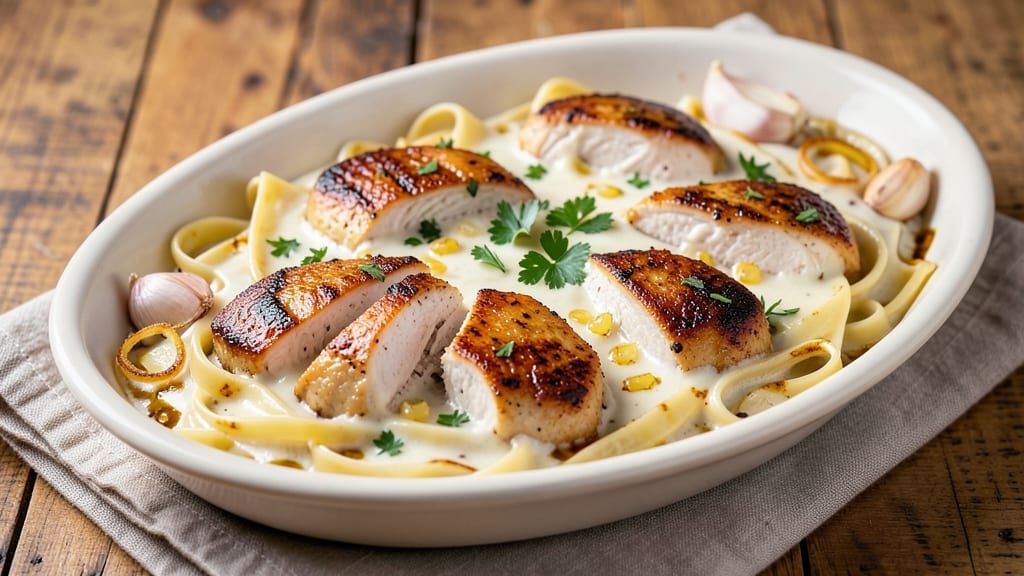
Grandma’s restaurant-style chicken tetrazzini recipe delivers the kind of comfort food that feels like a homecoming every time.
The tender chicken, al dente pasta, and velvety cheese sauce swirled together create a dish that tastes like it belongs on a fine-dining menu—yet it’s made with simple, heartfelt techniques passed down through generations.
What makes this version special is the balance of herbs and cheese that melts into golden, bubbling swirls over the top, turning an ordinary weeknight dinner into something extraordinary.
This recipe isn’t just about following steps—it’s about recreating the warmth of a family tradition where every element matters. The chicken is cooked just until tender, the pasta al dente for structure, and the sauce reduced to a perfect consistency that clings to every strand.
The secret lies in the slow simmering of the sauce and the careful layering of ingredients, ensuring each bite delivers that restaurant-quality depth. It’s the kind of dish that disappears quickly, leaving everyone asking for seconds.
What you’ll end up with is a golden, bubbling casserole that’s rich yet balanced, with tender chicken pieces peeking through the creamy cheese swirls. The aroma alone will have your kitchen filled with the kind of comfort that’s hard to resist.
This isn’t just a recipe—it’s a memory waiting to be made, one forkful at a time. Ready to bring Grandma’s table to your own?
The beauty of this dish lies in its versatility—serve it as a main course for a family dinner or bring it to a gathering where it’ll be the star of the meal.
The leftovers reheat beautifully, making it perfect for meal prep or feeding a crowd. Here’s how to make it exactly as Grandma would have.
Ingredients for grandma's restaurant chicken tetrazzini
Simple ingredients with restaurant-quality technique. Everything you need for Grandma's signature comfort dish.
| Ingredient | Amount | Notes |
|---|---|---|
| Boneless, Skinless Chicken Breast 🍗 | 2 ½ lb | Pounded to even thickness |
| Fettuccine Pasta 🍝 | 12 oz | Al dente preferred |
| Heavy Cream 🥛 | 1 cup | Full-fat for richness |
| Whole Milk 🥛 | ½ cup | Warmed for sauce |
| Yellow Onion 🧅 | 1 whole | Finely diced |
| Garlic Cloves 🧄 | 4 cloves | Minced for aroma |
| Fresh Thyme 🌿 | ¼ cup | Leaves only, chopped |
| Dried Parsley 🌿 | 1 tbsp | For garnish |
| Shredded Gruyère Cheese 🧀 | 2 cups | Freshly grated preferred |
| Shredded Parmesan Cheese 🧀 | 1 cup | Freshly grated |
| Unsalted Butter 🧈 | 4 tbsp | For sauce base |
| All-Purpose Flour 🌾 | 2 tbsp | For thickening |
| Salt 🧂 | 1 ½ tsp | Kosher preferred |
| Ground Black Pepper 🌶️ | ½ tsp | Freshly cracked |
| Dry Sherry 🍷 | ¼ cup | Substitute with white wine |
The chicken is the foundation—boneless, skinless breasts ensure tender results without drying out. Pound them to even thickness so they cook uniformly. For the pasta, fettuccine holds the sauce beautifully, but angel hair or penne work in a pinch. The cheese matters here: Gruyère adds nutty depth while Parmesan brings the umami punch. Whole Foods or local cheese shops carry the best pre-shredded options, but grating your own makes all the difference. Fresh herbs should be bright green—Trader Joe's often has excellent thyme and parsley at reasonable prices.
No sherry? Dry white wine or chicken broth works perfectly. The butter should be unsalted—adding salt later gives you full control. For the flour, all-purpose works fine, but bread flour adds a slight chewiness if you're feeling fancy. The onions and garlic can be prepped ahead—dice and store in the fridge for up to 3 days—but the herbs are best added fresh at the end. If you're short on time, dried thyme at half the amount keeps the flavor profile intact, though fresh is ideal for that restaurant-quality aroma.
This dish reheats beautifully—cover with foil and bake at 350°F for 20 minutes. Keeps for 4 days in the fridge or 3 months frozen. For freezing, portion into individual containers before adding the cheese sauce—it reheats more evenly that way. Leftovers make fantastic lunches, and the sauce thickens slightly overnight, making it even more luxurious the next day.
Why You'll Love This Recipe
- Here’s what sold me: the balance of heavy cream and whole milk makes it rich but not heavy. The chicken stays tender, the pasta soaks up just enough sauce without turning mushy, and that onion base adds sweetness without overpowering. It’s the kind of dish that feels indulgent but leaves you satisfied, not stuffed.
- One-Pot Magic: I swear by this recipe because it’s basically a dump-and-stir situation. Sauté the onions, toss in the chicken, add the cooked fettuccine and that creamy milk mixture—no extra pans, no fuss. The only real work is waiting for the sauce to thicken, and honestly? That’s the best part.
- Creamy Yet Light: Here’s what sold me: the balance of heavy cream and whole milk makes it rich but not heavy. The chicken stays tender, the pasta soaks up just enough sauce without turning mushy, and that onion base adds sweetness without overpowering. It’s the kind of dish that feels indulgent but leaves you satisfied, not stuffed.
- Leftovers That Don’t Suffer: Between us, most casseroles turn into sad, dry bricks the next day. Not this one. The creamy sauce actually improves overnight—thicker, deeper, and still creamy. I’ve reheated portions for lunch all week, and it’s always a hit. (Yes, even on a Tuesday night.)
Step-by-step instructions for Grandma's restaurant-style chicken tetrazzini
Here's the method that delivers tender chicken and creamy cheese swirls every time.
Prepare the Chicken and Pasta
Begin by pounding the 2.5 lb boneless, skinless chicken breast to an even ½-inch thickness using plastic wrap and a meat mallet. This ensures even cooking. Season both sides generously with 1 tsp salt and ¼ tsp ground black pepper, then set aside. In a large pot of boiling salted water, cook the 12 oz fettuccine pasta until al dente—about 1 minute less than package instructions. Drain immediately and toss with 1 tbsp dried parsley to prevent sticking.
While the pasta cooks, heat 2 tbsp unsalted butter in a large skillet over medium-high heat. Add the chicken and cook for 4-5 minutes per side until golden brown and reaching an internal temperature of 165°F. Remove from heat and let rest for 5 minutes before slicing into thin strips. This resting period keeps the chicken juicy when combined with the sauce later.
Build the Herb-Infused Sauce Base
In the same skillet, reduce heat to medium and add the finely diced 1 whole yellow onion. Cook for 5-6 minutes until softened and translucent. Add the 4 minced garlic cloves and cook for 30 seconds until fragrant—don't let it brown or it'll become bitter. Stir in the 0.25 cup chopped fresh thyme leaves and cook for another minute to release their aromatic oils.
Pour in the 0.25 cup dry sherry and scrape up any browned bits from the bottom of the pan. Let it simmer for 2-3 minutes until reduced by half. This step develops deep flavor that forms the foundation of the sauce. The alcohol will cook off completely, leaving behind a rich, savory base.
Create the Creamy Cheese Sauce
Lower heat to medium-low and whisk in the 2 tbsp all-purpose flour, cooking for 1 minute to remove the raw flour taste. Gradually whisk in the 1 cup heavy cream and 0.5 cup whole milk, stirring constantly to prevent lumps. Let the mixture simmer gently for 5-6 minutes until thickened enough to coat the back of a spoon. Season with the remaining ½ tsp salt and ¼ tsp ground black pepper.
Reduce heat to low and gradually stir in the 2 cups shredded Gruyère cheese and 1 cup shredded Parmesan cheese until completely melted and smooth. The sauce should be velvety with a slight sheen—if it's too thick, whisk in 1-2 tablespoons of pasta water. This step creates the signature creamy texture that makes this dish restaurant-worthy.
Combine and Create the Signature Swirls
Add the sliced chicken and cooked fettuccine to the skillet, tossing gently to coat everything evenly in the sauce. Let the mixture simmer together for 2-3 minutes until heated through. The chicken should be fully coated with the creamy sauce, and the pasta should absorb some of the flavorful liquid.
For the signature swirls, transfer the mixture to a greased 9x13-inch baking dish. Using a rubber spatula, create parallel ridges in the mixture by dragging the spatula through the dish at 1-inch intervals. Sprinkle the remaining 1 tbsp dried parsley evenly over the top. This technique creates the beautiful visual presentation that makes this dish special.
Bake to Golden Perfection
Preheat your oven to 375°F. Bake the tetrazzini uncovered for 15-20 minutes until the top is golden brown and bubbly. The edges should be slightly crisp while maintaining a creamy center. Watch closely in the last 5 minutes to prevent over-browning.
Let the dish rest for 5 minutes before serving. The internal temperature should reach 160°F at the center. This resting period allows the sauce to set slightly, making it easier to serve without losing the beautiful cheese swirls. Serve immediately with a side of garlic bread or a simple green salad to complement the rich flavors.
Pro Tips For Making Grandma'S Restaurant Chicken Tetrazzini
- SEAR CHICKEN IN BATCHES: Chicken breasts release a ton of moisture when cooked, and dumping them all in the pan at once turns your sauce into soup. Sear 2-3 pieces at a time over medium-high heat for 3-4 minutes per side, then set aside on a plate—this keeps the pan hot for proper browning and prevents steaming. I learned this the hard way when my first batch of tetrazzini looked more like a creamy chicken stew than a restaurant-worthy dish.
- DON’T BOIL THE PASTA: Fettuccine for tetrazzini should be al dente but not mushy—it’ll finish cooking in the sauce. Toss it in salted boiling water for 1 minute less than the package says, then drain and rinse briefly under cold water to stop cooking. The starch from the rinse helps thicken the sauce later, and slightly undercooked pasta absorbs the creamy sauce better. (Yes, even if you’re impatient like me.)
- LOW AND SLOW FOR SAUCE: The creamy sauce is where the magic happens, but rushing it leads to curdled milk or a gluey mess. After adding the chicken, milk, and cream, reduce heat to low and simmer uncovered for at least 10 minutes, stirring occasionally. If it thickens too fast, splash in a tablespoon of pasta water—this keeps it silky instead of turning into a heavy, separated blob. Grandma swore by this, and she was right: patience here makes all the difference.
- SAUTE ONIONS UNTIL GOLDEN: Skip the quick sauté, and your tetrazzini will taste bland. Dice the onion finely (1/4-inch pieces) and cook it in butter or oil over medium-low heat for 10-12 minutes, stirring often, until it’s deep golden and sweet—not browned or crispy. The longer you cook it, the more flavor it develops, and that caramelized depth carries through the whole dish. (Does it look weird to cook onions that long? Yes. Does it work? Every single time.)
Dietary considerations for grandma's restaurant chicken tetrazzini
Gluten-Free Adaptation
Replace the traditional fettuccine with gluten-free pasta like Brown Rice Pasta or Chickpea Pasta from brands such as Barilla GF or Trader Joe's. Cook it according to package instructions—gluten-free pasta often requires 1-2 extra minutes to reach al dente texture.
For the sauce, use cornstarch instead of flour to thicken: mix 2 tbsp cornstarch with 2 tbsp cold water before whisking into the cream. This ensures a smooth, lump-free sauce without gluten. 🌾
Dairy-Free Options
Swap the heavy cream and milk for full-fat coconut milk (use 1 can for the cream + 0.25 cup for the milk) and replace the Gruyère with nutritional yeast or dairy-free mozzarella shreds like Miyoko's.
For extra richness, add 2 tbsp cashew cream (blend ¼ cup soaked cashews with 2 tbsp water). The Parmesan can be omitted or replaced with dairy-free Parmesan like Violife. Taste as you go—dairy-free versions need extra seasoning.
Lower-Carb Version
Skip the pasta entirely and use zucchini noodles or shirataki noodles (rinsed thoroughly) for a low-carb twist. For the chicken, marinate it in 1 tbsp olive oil, 1 tsp garlic powder, and ½ tsp onion powder before cooking.
Reduce the cheese to 1 cup total (half Gruyère, half Parmesan) and thicken the sauce with 1 tbsp xanthan gum mixed into the cream for stability. Serve with a side of cauliflower rice to keep it hearty. 🥦
Vegetarian Swap
Replace the chicken with chickpea protein (like Tofuworks) or mushroom medley (shitake + cremini, sliced). For extra texture, add ½ cup cooked quinoa or lentils to the dish. Boost umami with 1 tbsp soy sauce or miso paste in the sauce.
The cheese remains the star, but adding 1 tsp smoked paprika to the sauce gives depth without meat. 🍄
Allergy-Friendly Notes
For nut allergies, avoid cashew cream and stick to coconut milk. If you're sensitive to dairy, ensure all cheeses are certified dairy-free (check labels for cross-contamination warnings). For gluten-free kitchens, use separate utensils and baking dishes to avoid cross-contact.
I always double-check labels on pre-shredded cheeses—they often contain anti-caking agents with gluten. When in doubt, grate your own cheese from a block. 🧀
Nutrition facts
Frequently asked questions
Can I make this recipe ahead of time?
This dish actually tastes better the next day. Assemble it completely (including the cheese swirls) and refrigerate for up to 24 hours before baking. When ready to serve, bake at 375°F for 20-25 minutes until bubbly. The sauce will thicken slightly overnight, making each bite even more decadent.
What's the secret to the perfect cheese swirls?
The key is using a rubber spatula to create clean, parallel ridges in the baking dish before baking. Make sure your sauce is at room temperature when layering, and don't overmix after adding the cheese—just stir until melted. The ridges should be about 1-inch apart and the sauce should be thick enough to hold its shape during baking.
Can I substitute the sherry with something else?
Yes! Use dry white wine or chicken broth in equal amounts. For a non-alcoholic version, try apple cider vinegar (reduce by half) or just omit it entirely—your dish will still be delicious. The sherry adds depth, but these substitutes work beautifully in a pinch.
Why did my sauce get grainy?
This usually happens when the cheese isn't fully melted or the sauce is too hot when adding cold cheese. Always melt the cheese over low heat and whisk constantly. If your sauce gets too thick, thin it with 1-2 tablespoons of warm milk or pasta water. For extra smoothness, strain the sauce through a fine-mesh sieve before adding the chicken and pasta.
How do I make this dish vegetarian?
Replace the chicken with mushrooms (cremini + shiitake) or chickpea protein for texture. Add ½ cup cooked quinoa or lentils for heartiness. Boost umami with 1 tbsp soy sauce or miso paste in the sauce. The cheese remains the star—just keep the same amount for that rich flavor.