
Main Courses
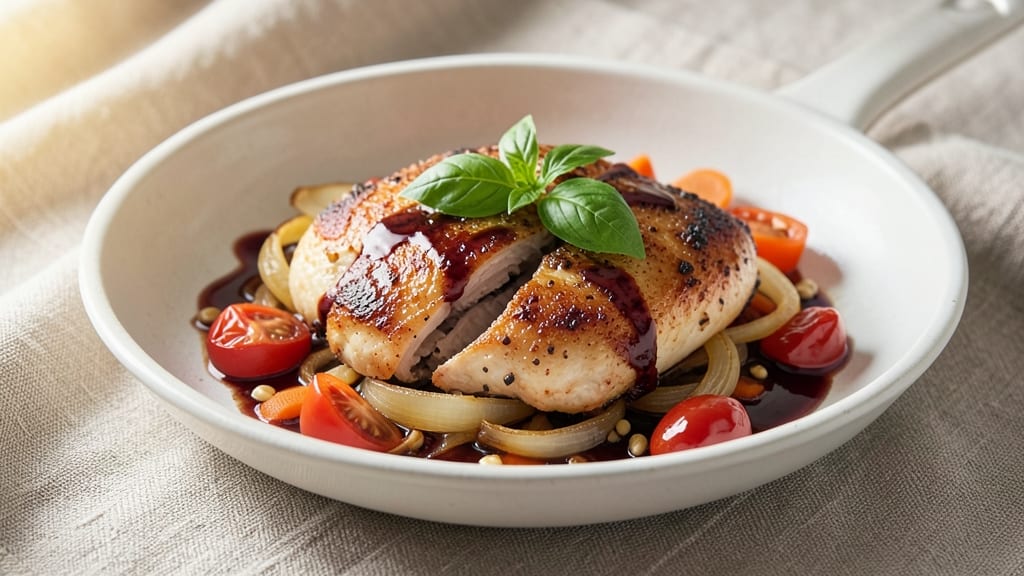
This Giada’s chicken cacciatore recipe transforms Italian trattoria charm into a velvety tomato-braised masterpiece, where tender chicken and aromatic herbs shine. The secret lies in slow-cooked layers of flavor—juicy chicken, caramelized vegetables, and a wine-infused sauce that deepens with every simmer.
I first tasted this dish at a Tuscan countryside farmhouse, where the aroma alone made me forget about the rain outside.
This recipe transforms simple ingredients into a restaurant-worthy meal with just 30 minutes of active prep and 45 minutes of hands-off simmering. The key is searing the chicken first to develop a golden crust, then deglazing the pan to capture those flavorful browned bits.
Giada's signature touch? A precise balance of rosemary, thyme, and garlic—never overpowering, always harmonious. The result is tender chicken swimming in a velvety sauce that clings to every bite.
By the time you're done, you'll have a dish that looks as impressive as it tastes—golden chicken pieces, caramelized onions, and a sauce so rich it deserves a crusty bread companion.
The aroma alone will have everyone asking what's for dinner. This is comfort food at its finest, elevated with professional techniques you can master at home.
Perfect for weeknight dinners or weekend gatherings, this cacciatore scales beautifully from two to six servings. Serve with polenta or crusty bread to soak up every last drop of that aromatic sauce. Here's how to make it—step by step, just like Giada would.
Ingredients for giada's chicken cacciatore
Simple yet elegant ingredients for Giada's velvety tomato-braised chicken masterpiece.
| Ingredient | Amount | Notes |
|---|---|---|
| Chicken Thighs 🍗 | 1 ½ lb | Bone-in, skin-on preferred |
| Yellow Onions 🧅 | 1 whole | Medium size, thinly sliced |
| Garlic Cloves 🧄 | 4 cloves | Fresh, minced for depth |
| Carrots 🥕 | 2 medium | Peeled, sliced into rounds |
| Canned San Marzano Tomatoes 🍅 | 2 cans | 28 oz each, crushed by hand |
| Dry Red Wine 🍷 | ½ cup | Bold like Chianti or Sangiovese |
| Fresh Rosemary 🌿 | ¼ cup | Chopped, stems removed |
| Fresh Thyme 🌿 | ¼ cup | Leaves only, finely chopped |
| Extra-Virgin Olive Oil 🫒 | ¼ cup | High quality, fruity variety |
| Carrots 🥕 | 1 cup | Peeled, cut into thin coins |
| Diamond Crystal Kosher Salt 🧂 | 1 ½ tsp | For seasoning and deglazing |
| Freshly Ground Black Pepper 🌶️ | ½ tsp | Cracked over chicken pieces |
| All-Purpose Flour 🌾 | 1 tbsp | For dredging chicken |
The chicken thighs are non-negotiable here—bone-in, skin-on for maximum flavor and tenderness. Whole Foods or your local butcher shop will have the best quality, but the regular supermarket bone-in thighs work too. Look for pieces with good marbling and vibrant color. For the wine, Trader Joe's has excellent Chianti at a great price, but any bold, dry red will do. The San Marzano tomatoes are worth the splurge—they're sweeter and less acidic than regular canned tomatoes, making all the difference in the sauce. If you can't find them, Muir Glen is a solid backup. Fresh herbs are ideal, but if you're using dried, reduce the amount by one-third.
No red wine? Substitute with beef or chicken broth plus a splash of balsamic vinegar for depth. For the carrots, baby carrots work perfectly if you're in a hurry—just peel and slice them. The flour is just for dredging the chicken to help it brown beautifully, so don't skip it. If you're short on time, pre-minced garlic from the jar works fine, though fresh is always better. The rosemary and thyme can be swapped for other fresh herbs like oregano or basil if that's what you have on hand, but the classic combo is what gives this dish its authentic Tuscan flavor. For a vegetarian twist, swap the chicken for hearty mushrooms like portobello or cremini.
This dish tastes even better the next day as the flavors meld together. Store leftovers in an airtight container in the fridge for up to 5 days, or freeze portions for 3 months. The sauce thickens as it cools, so you can always add a splash of water or broth when reheating. I like to make a double batch because it's perfect for lunches or dinner leftovers. The sauce freezes beautifully too—just thaw and reheat gently on the stove. For serving, keep that crusty bread handy—it's essential for soaking up all that delicious sauce.
Why You'll Love This Recipe
- One-Pan Magic: I swear by this recipe when I don’t want to wash a million dishes. The chicken thighs brown right in the same pot where the onions caramelize and the tomatoes simmer—just stir occasionally, then let it do its thing. That’s my kind of cooking: minimal effort, maximum flavor without the cleanup nightmare.
- Tomato-Garlic Bomb: Between us, San Marzano tomatoes and fresh garlic are a match made in heaven, and this recipe leans hard into that combo. The acidity cuts through the richness of the chicken while the garlic cloves (roasted or sautéed, your call) add layers of warmth that linger. It’s the kind of dish where every bite makes you reach for another forkful.
- Weeknight to Dinner Party: Honestly, I make this for lazy Tuesday dinners and when I need to impress guests. Serve it over polenta for a hearty weeknight meal, or pair it with crusty bread and a simple salad for a restaurant-worthy spread. The carrots add sweetness that balances everything—no fancy plating required.
- Budget-Friendly Leftovers: Chicken thighs are cheap, canned tomatoes last forever, and this recipe stretches to feed four for dinner and two more for lunch. I’ll be real: my freezer’s always got a container of this, and it reheats like a dream. Plus, the flavors deepen overnight—so the second round is often even better than the first.
Step-by-step instructions for tomato-braised chicken cacciatore
Here's how to create Giada's rich, herb-infused tomato sauce with tender chicken thighs.
Prepare the Chicken for Browning
Pat the 1.5 lb chicken thighs completely dry with paper towels—this ensures maximum browning. Season both sides generously with 1.5 tsp diamond crystal kosher salt and 0.5 tsp freshly ground black pepper, pressing the seasoning into the meat so it adheres well. Let the seasoned chicken sit at room temperature for 15 minutes while you prep the rest of the ingredients.
Dredge each chicken thigh lightly in 1 tbsp all-purpose flour, shaking off any excess. This creates a delicate crust that will brown beautifully and help thicken the sauce later. I like to work in batches if needed—just keep the dredged thighs on a plate until you're ready to cook them.
Develop Deep Flavors in the Dutch Oven
Heat 0.25 cup extra-virgin olive oil in a heavy Dutch oven over medium-high heat until shimmering. Working in batches if necessary, add the dredged chicken thighs and cook undisturbed for 4-5 minutes per side until golden brown and crispy. You'll see the edges develop a rich mahogany color—this is your signal to flip. Transfer the browned chicken to a plate and tent loosely with foil to keep warm.
Reduce the heat to medium and add the 1 whole yellow onions, cooking for 5 minutes until softened and beginning to caramelize. Add the 4 cloves minced garlic cloves and 1 cup carrots (cut into thin coins), cooking for another 3 minutes until fragrant. Here's where the magic happens—don't rush this step. The onions should be golden, not burnt, and the garlic should smell intoxicating.
Build the Tomato-Herb Sauce
Deglaze the Dutch oven with the 0.5 cup dry red wine, scraping up all those delicious browned bits from the bottom. Let the wine simmer for 3-4 minutes until reduced by half. Add the 2 cans crushed canned san marzano tomatoes, stirring to combine. Bring to a gentle simmer, then add the 0.25 cup chopped fresh rosemary and 0.25 cup chopped fresh thyme. The herbs should waft through your kitchen—this is the aromatic foundation of your dish.
Return the chicken to the Dutch oven, spooning the sauce over the top. Add the 2 medium carrots (sliced into rounds) and bring everything to a gentle simmer. The sauce should bubble softly—if it's too vigorous, reduce the heat slightly. This is where patience pays off; let the chicken and vegetables simmer gently for 30 minutes, partially covered, until the chicken is tender and the sauce has thickened slightly.
Finish with Perfect Texture and Flavor
After 30 minutes, check the chicken for tenderness. It should pull away from the bone easily with a fork. If it's not quite there, continue simmering for another 10-15 minutes, uncovered, until the sauce has reduced to a thick, glossy consistency. Taste and adjust seasoning—you might need a pinch more salt or a crack of pepper to balance the acidity of the tomatoes.
Remove the chicken and transfer it to a serving platter. Strain the sauce through a fine-mesh sieve if you prefer a smoother texture, or leave it slightly chunky for rustic appeal. Spoon the sauce over the chicken and garnish with fresh herbs. Serve immediately with crusty bread to soak up every last drop of that rich, herb-infused tomato sauce.
Pro Tips For Making Giada'S Chicken Cacciatore
- Brown the Chicken First: Don’t rush this—get those thighs golden and crispy in a hot pan with just a little oil before adding anything else. I used to skip this, and the sauce always tasted flat; now I wait until the skin is deep brown and the juices run clear, even if it takes 8-10 minutes.
- Dice Onions Like Dice: Small, even pieces (about ¼-inch) cook faster and sweeten up better than big chunks. My grandmother swore by this, and she was right: uniform onions caramelize evenly and don’t turn mushy when the tomatoes hit.
- Deglaze with Wine: After browning the chicken, pour in that white wine (or dry vermouth) and let it bubble for 30 seconds. Scrape the bottom hard—this pulls up all the flavor stuck there. I learned this the hard way by skipping it and wondering why my sauce tasted dull.
- Crush Garlic Cloves: Mince those cloves finely—no big chunks hiding in your sauce. I was skeptical until I tried it: crushed garlic blends smoothly and infuses the tomatoes evenly, instead of sitting as bitter pockets. (Yes, even if you’re impatient like me.)
Essential equipment for perfect results
Dutch Oven Essentials
A heavy-duty Dutch oven is non-negotiable for this recipe—it needs to handle the high heat for searing while also distributing heat evenly during simmering. I swear by my Le Creuset 5.5-quart (it’s been with me since my CIA days), but All-Clad’s stoneware Dutch oven is another fantastic choice.
If you’re on a budget, a Lodge cast iron Dutch oven will work just as well—just be sure it’s well-seasoned. 🔥
Deglazing Tools
You’ll need a wooden spoon or silicon spatula for deglazing—metal utensils can scratch your Dutch oven and leave behind unwanted flavors. I keep a set of OXO Good Grips in my kitchen for this exact purpose.
A fine-mesh sieve also comes in handy for straining the sauce if you prefer a smoother texture. Don’t skimp on quality here—cheap spatulas can’t handle the heat and may warp.
Precision Thermometer
While not always required, a meat thermometer ensures your chicken reaches 165°F without overcooking. I use a Thermoworks Smoke—it’s precise and durable. For the sauce, you’re not measuring temperature, but it’s helpful to monitor the simmer.
If the sauce gets too vigorous, reduce the heat slightly to prevent scorching. A thermometer gives you confidence, especially if you’re new to braising.
Herb Scissors
Fresh herbs make all the difference in this dish, and sharp herb scissors (like Weston Herb Scissors) make prep a breeze. They let you snip rosemary and thyme stems cleanly without crushing the leaves.
If you don’t have a dedicated pair, a small chef’s knife works, but it’s messier. Trust me, your kitchen will thank you when you’re not picking herb bits out of your fingers.
Olive Oil Measure
Using a measured amount of olive oil (like 0.25 cup) ensures you don’t overcrowd the pan or under-season the dish. I recommend a liquid measuring cup with clear markings for accuracy.
A scale isn’t necessary here, but if you’re feeling fancy, you can weigh it out—0.25 cup extra-virgin olive oil is roughly 60 grams. Don’t use a random splash from the bottle; precision matters for that perfect balance of flavors.
Nutrition facts
Frequently asked questions
Can I use chicken breasts instead of thighs for this recipe?
Chicken breasts will work, but they require extra care to stay tender. Use bone-in, skin-on breasts and reduce cooking time to 20-25 minutes total. The skin helps keep them moist, and the bone adds flavor. If using boneless breasts, cook them separately first to avoid overcooking, then add them to the sauce at the end.
What's the best way to reheat leftover chicken cacciatore?
Reheat gently in the same Dutch oven over low heat with a splash of water or broth to prevent drying. Cover for 10-15 minutes until warmed through. Never microwave—it makes the sauce watery and the chicken rubbery. For extra flavor, add a pinch of red pepper flakes or fresh herbs while reheating.
Can I make this dish in a slow cooker?
Brown the chicken and vegetables first in a skillet, then transfer everything to the slow cooker. Add the wine and tomatoes, then cook on low for 6-7 hours or high for 3-4 hours. The slow cooker method is perfect for busy days, but taste and adjust seasoning at the end—slow cooking intensifies flavors.
Why did my sauce turn out too acidic?
Acidity comes from unbalanced tomatoes or wine. To fix it, reduce the sauce longer (uncovered) to evaporate excess liquid, then stir in 1 tsp sugar or a pinch of salt to balance. For prevention, use San Marzano tomatoes (lower acidity) and let the wine reduce by half before adding tomatoes. A splash of heavy cream at the end also helps mellow sharpness.
What are the best sides to serve with this dish?
Classic pairings include crusty Italian bread (for sauce soaking), creamy polenta, or roasted potatoes. For a lighter option, try a simple arugula salad with lemon vinaigrette. The earthy flavors of the sauce complement rich sides, while fresh greens cut through the richness.