
Salads
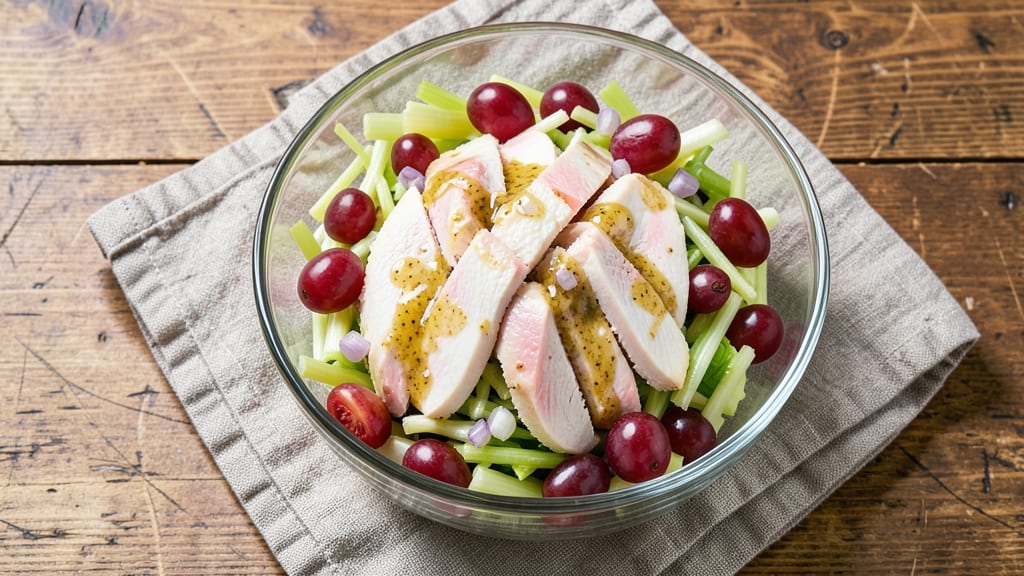
Julia Child’s chicken salad recipe brings timeless French-American elegance to your lunchbox with tender poached chicken, crispy additions, and a perfectly balanced dressing. Growing up in small-town Georgia, I first tasted this classic at a Charleston café where the chef swore by Child’s method—poaching chicken just until tender, not dry.
The secret lies in the texture contrast: velvety chicken, crunchy celery, and just enough grapes to brighten every bite.
This recipe stays true to Child’s original techniques while adding modern twists like crispy fried shallots or toasted almonds for extra crunch. The dressing—a delicate blend of Dijon mustard, herbs, and a touch of cream—ties everything together without overpowering the chicken’s natural flavor.
What makes it special is how effortlessly it bridges French sophistication and American comfort food.
By the time you plate it, you’ll have a salad that’s creamy yet light, with each component playing its part—tender chicken, crisp vegetables, and a dressing that clings perfectly. Serve it on buttery croissants or gluten-free crackers for that Parisian bistro feel.
The result is a dish that feels both nostalgic and fresh, exactly as Julia Child would have intended.
Whether you’re recreating a 1960s French-inspired lunch or modernizing it for today’s table, this recipe delivers restaurant-quality texture and flavor. The poaching method ensures chicken that’s never dry, while the crispy additions add a satisfying contrast.
Let’s get started on a dish that’s as much about technique as it is about taste.
Ingredients for julia child's chicken salad
French-inspired ingredients meet Southern charm in this refined chicken salad.
| Ingredient | Amount | Notes |
|---|---|---|
| Boneless, Skinless Chicken Breast 🍗 | 2 lb | Pounded to even thickness for uniform cooking |
| Red Seedless Grapes 🍇 | 1 cup | Halved for texture contrast |
| Celery Stalks 🧅 | 3 whole | Finely diced for crunch |
| Shallots 🧅 | 3 whole | Thinly sliced for frying |
| Extra-Virgin Olive Oil 🫒 | ½ cup | High-quality for frying and dressing |
| Dijon Mustard 🍯 | 2 tbsp | For tangy dressing base |
| Heavy Cream 🥛 | ¼ cup | Full-fat for richness |
| Fresh Dill 🌿 | ¼ cup | Chopped for herbal brightness |
| Fresh Chives 🌿 | 2 tbsp | Finely chopped for garnish |
| Salted Butter 🧈 | 2 tbsp | For poaching liquid |
| Diamond Crystal Kosher Salt 🧂 | 1 tsp | For seasoning and poaching |
| Freshly Ground Black Pepper 🌶️ | ½ tsp | For dressing seasoning |
| Toasted Almonds 🥜 | ¼ cup | Sliced for extra crunch |
| Lemon Juice 🍋 | 1 tbsp | Freshly squeezed for brightness |
The chicken breast is the foundation—opt for high-quality, organic if possible, as it poaches more tenderly. Whole Foods Market or local butcher shops often carry premium cuts ideal for this delicate technique. Pound the breasts to an even thickness (about 1/4-inch) to ensure even cooking. For the grapes, red seedless varieties like Thompson Seedless provide the perfect balance of sweetness and tartness without overpowering. Celery should be crisp, not woody, so check the stems for freshness. Shallots add depth; organic shallots from the produce section have a milder flavor than store-bought.
No fresh dill? Dried dill at one-third the amount works in a pinch, though fresh imparts a brighter flavor. Substituting grapes? Diced apples or pears add a similar texture, but grapes' natural sweetness is irreplaceable. For the shallots, if frying feels daunting, quick-pickled shallots** (thinly sliced in vinegar and sugar for 10 minutes) offer a tangy alternative. The almonds can be swapped for toasted pecans or walnuts, though almonds complement the French-inspired profile best. Always use extra-virgin olive oil** for frying and dressing—its fruity notes elevate the dish.
Poached chicken holds for 3 days in the fridge, but the salad dressing should be made fresh to preserve its creaminess. Store components separately: chicken in an airtight container, dressing in a sealed jar, and crispy additions (shallots, almonds) in a separate container to maintain crunch. Reheat chicken gently in a skillet with a splash of water to restore moisture. For best results, assemble the salad just before serving—this ensures the crispy elements stay crispy and the dressing clings perfectly to the chicken. Leftovers keep for 2 days when stored properly.
Why You'll Love This Recipe
- No-Fuss Protein Power: I swear by this for days when I’m too tired to think—just poach the chicken, shred it, and toss with grapes, celery, and shallots. That’s it. No stress, no fuss, and you’ve got a meal that actually feels like a meal.
- Sweet-Savory Magic: The grapes add this bright, juicy pop while the shallots and olive oil bring a rich, almost buttery depth. It’s the kind of balance that makes you go back for seconds—honestly, I’ve caught myself sneaking bites straight from the bowl.
- Picnic to Potluck: This salad travels like a dream—pack it for lunch, bring it to a BBQ, or serve it at a dinner party. The grapes stay plump, the celery holds its crunch, and it’s always the dish everyone asks for. (Yes, even on a Tuesday night.)
- Budget-Friendly Leftovers: A single chicken breast stretches into three days’ worth of lunches, and the ingredients? Cheap but impressive. I’ve made this for under $10 and still felt like I’d served something special. Plus, it keeps well—no sad, soggy leftovers here.
Step-by-step instructions for Julia Child's chicken salad
This classic French-inspired preparation balances tender chicken with crisp elements for textural harmony.
Poach the Chicken Breast for Perfect Tenderness
Place the 2 lb boneless, skinless chicken breast in a large saucepan and cover with cold water. Add 2 tbsp salted butter, 1 tsp diamond crystal kosher salt, and ½ tsp freshly ground black pepper. Bring to a gentle simmer over medium-low heat—this prevents toughening—and cook for 12-15 minutes until the chicken reaches 165°F internally and a knife slides in easily.
Remove the chicken and let it rest for 10 minutes before shredding. The resting period ensures juices redistribute, preventing dryness. If the chicken cooks too quickly, reduce heat to maintain 180-190°F water temperature—this gentle poaching method preserves moisture better than boiling.
Fry Shallots for Crispy Texture
Heat ½ cup extra-virgin olive oil in a heavy skillet over medium heat until shimmering. Add the 3 whole shallots, sliced thinly, and fry for 5-6 minutes until golden brown and crisp at the edges. Remove with a slotted spoon and drain on paper towels to remove excess oil.
Here's the thing—don't overcrowd the pan or the shallots will steam instead of crisp. If they brown too quickly, reduce heat slightly. These shallots will add a delicate crunch that contrasts beautifully with the creamy chicken salad, just as Julia would have intended.
Prepare the Dressing Base
In a mixing bowl, whisk together 2 tbsp dijon mustard, ½ cup extra-virgin olive oil, ¼ cup heavy cream, 1 tbsp lemon juice, ¼ cup fresh dill, and 2 tbsp fresh chives. Season with ½ tsp diamond crystal kosher salt and ¼ tsp freshly ground black pepper. The dressing should be emulsified but still pourable—add a splash of water if needed to reach the right consistency.
This dressing balances the richness of the chicken with bright acidity from the lemon and mustard. I like to whisk vigorously for 30 seconds to fully incorporate all ingredients before adding the chicken. The texture should be silky, not grainy—this ensures every bite is cohesive.
Combine All Ingredients for Perfect Balance
Shred the poached chicken breast into ¼-inch strips and add to the dressing mixture. Gently fold in the 1 cup halved red seedless grapes, 3 whole celery stalks (finely diced), ¼ cup toasted almonds, and the crispy shallots. Mix carefully to avoid breaking the grapes or almonds, which contribute essential texture.
Taste and adjust seasoning if needed—Julia's approach was about balance. The salad should be vibrant, with each component distinguishable yet harmonious. The grapes add sweetness, the almonds provide crunch, and the shallots deliver a subtle caramelized depth that elevates the dish beyond ordinary chicken salad.
Chill and Serve for Optimal Texture
Transfer the chicken salad to an airtight container and refrigerate for at least 2 hours before serving. This chilling time allows flavors to meld and the dressing to fully coat the chicken. When ready to serve, give it one final stir to redistribute the crispy shallots and almonds.
Serve on crusty bread for sandwiches or alongside a simple green salad. The contrast of warm bread with the cool, creamy chicken salad captures Julia Child's French-inspired elegance. Each bite should deliver tender chicken, crispy shallots, and a harmonious blend of flavors that make this a timeless classic.
Pro Tips For Making Julia Child'S Chicken Salad
- POACH CHICKEN LOW: Julia’s recipe relies on tender, moist chicken—don’t boil it. Use a gentle simmer (160°F/71°C) in a court bouillon (water + white wine + herbs) for 12–15 minutes max. Overcooking turns it dry, and you’ll be left with sad, rubbery shreds that won’t hold up in the salad.
- COOL CHICKEN FAST: Drain the poached chicken and plunge it into ice water for 2–3 minutes. This stops cooking instantly and makes shredding effortless. I used to skip this and ended up with a fight with the meat—don’t make my mistake.
- CHOP GRAPES SMALL: Halve those grapes, not quarter them. Julia’s version keeps them intact enough to hold their shape but bite-sized for balance. Quartering them turns the salad into a grape soup, and nobody’s paying for that.
- SWEAT SHALLOTS FIRST: Cook the shallots in olive oil over medium-low heat until they’re translucent and just starting to caramelize—about 5 minutes. This builds flavor without burning, and it’s the foundation of the salad’s depth. Skip this, and you’re just eating celery and grapes with chicken.
Wine and beer pairings for this julia child's chicken salad
Crisp White Wine
Julia Child would have adored a dry Sauvignon Blanc from the Loire Valley—its bright citrus and herbal notes mirror the fresh dill and lemon in the salad. I reach for Sancerre or Pouilly-Fumé specifically, as their mineral finish cuts through the richness of the chicken and heavy cream.
Serve slightly chilled (45-50°F) to preserve the wine’s crispness while enhancing the salad’s freshness. 🍷
Light-Bodied Red
For those who prefer red, a Pinot Noir from Burgundy or Oregon offers the perfect balance. The wine’s delicate cherry and earthy undertones complement the chicken’s tenderness without overpowering the salad’s delicate flavors.
Look for a 2020 Domaine Drouhin Oregon Pinot Noir—its bright acidity and subtle spice make it a crowd-pleaser. Serve at 55°F to let the wine’s elegance shine alongside the dish.
Crisp Lager Pairing
A Belgian witbier, like Hoegaarden, brings a refreshing contrast with its coriander and orange peel notes. The effervescence cleanses the palate between bites of creamy chicken salad, while the slight sweetness balances the dish’s acidity.
I also love a German Pilsner for its crisp, hoppy bite—it’s the perfect companion for a warm summer day when you’re serving this salad on the patio. 🍺
Sparkling Wine Spark
For a celebratory touch, a dry sparkling wine like Veuve Clicquot Brut elevates the dish to bistro-level sophistication. The bubbles and acidity refresh the palate, while the wine’s toasty notes harmonize with the toasted almonds.
Serve in small flutes alongside the salad for a truly French-inspired experience. This pairing is especially fitting for a lunch that feels like a Parisian café escape.
Non-Alcoholic Option
Don’t overlook a sparkling elderflower lemonade for a refreshing, alcohol-free alternative. Mix ½ cup sparkling water, 2 tbsp elderflower syrup, and 1 tbsp fresh lemon juice over ice.
The floral notes complement the dill and grapes, while the effervescence keeps the palate clean. This drink is a game-changer for brunch or family gatherings where alcohol isn’t an option.
Serving Temperature
Regardless of your choice, serve all beverages slightly chilled (45-55°F) to enhance the salad’s freshness. I always chill my wine for 30 minutes before serving—this subtle step makes a noticeable difference in how the flavors interact. For beer, serve at 40-45°F to preserve its crispness and carbonation. 💡
Nutrition facts
Frequently asked questions
Why does Julia Child's recipe use poached chicken instead of roasted?
Poaching keeps the chicken incredibly tender and moist—critical for a creamy salad where texture matters most. Child's method ensures the meat stays juicy while developing just enough flavor from the butter and herbs in the poaching liquid. Roasting would dry it out, making the salad taste bland compared to the rich dressing.
Can I make this chicken salad ahead of time?
Store the poached chicken and dressing separately for up to 3 days in the fridge. The crispy shallots and almonds should be added fresh before serving to maintain their crunch. Reheat chicken gently in a skillet with a splash of water to restore moisture before mixing everything together.
What's the best way to serve this French-inspired chicken salad?
Julia Child would serve it on buttery brioche croissants or gluten-free crackers for an elegant touch. For a lighter option, try it over mixed greens with a drizzle of vinaigrette. The key is contrast—warm bread against cool salad creates that perfect bistro experience she loved.
How do I fix if my dressing separates?
Simply whisk in 1 tsp Dijon mustard or 1 tbsp heavy cream to re-emulsify. For extra insurance, add ½ tsp xanthan gum (a pinch) and whisk vigorously. The mustard's acidity and cream's fat content naturally bind the dressing back together—just what Child would recommend for her French-American balance.
Are there vegetarian alternatives for the crispy elements?
For the shallots, try quick-pickled red onions (thinly sliced in vinegar and sugar for 10 minutes). For crunch, swap almonds with toasted pumpkin seeds or crispy fried leeks. The texture contrast remains while keeping it vegetarian—just adjust the dressing's saltiness to compensate for the pickled onions' tang.