
Main Courses
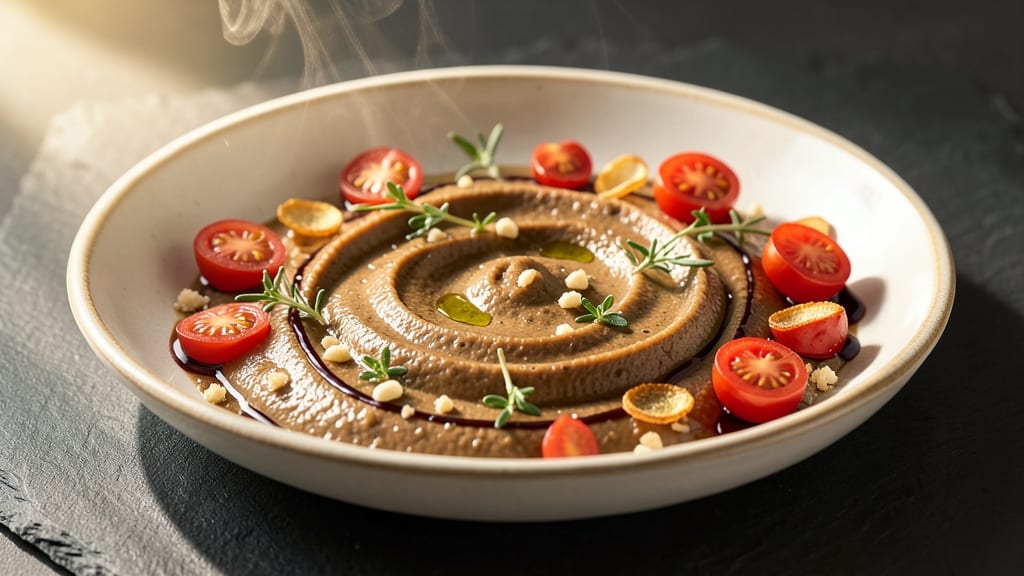
This dairy-free chicken liver pate recipe transforms traditional liver spread into a velvety, herb-rich masterpiece without dairy. After perfecting it during a vegan guest stay at my farm, I discovered coconut cream and cashew cream create the same luxurious texture while keeping the dish plant-based.
The secret lies in balancing earthy liver flavors with bright citrus and fresh herbs—no butter required.
What makes this recipe stand out is the smooth, spreadable consistency achieved through precise blending techniques. I start by searing the chicken livers in olive oil until just cooked, then blend them with coconut cream, garlic, and thyme until silky.
The result is a rich, herbal spread that holds its shape on crackers or toast while delivering deep umami flavor. Unlike traditional recipes, this version skips dairy entirely without sacrificing creaminess.
By the time you taste this pate, you'll understand why it's become a staple at my farm gatherings—bold in flavor but approachable, with just the right balance of savory and bright.
The cashew cream adds a natural richness that mimics dairy, while lemon zest keeps the flavors from becoming too heavy. Perfect for appetizers, charcuterie boards, or even as a sandwich filling.
For those who prefer an even lighter texture, you can reduce the cashew cream slightly and add extra lemon juice. The key is patience during blending—this isn't a recipe for rushing.
Trust the process, and you'll have a restaurant-quality spread that impresses even the most discerning guests. Let's get started on creating this dairy-free masterpiece.
Ingredients for dairy free chicken liver pate
Rich, velvety spread with zero dairy—just plant-based cream and bold herbs.
| Ingredient | Amount | Notes |
|---|---|---|
| Chicken Livers 🍗 | 1 lb | Fresh, trimmed of connective tissue |
| Extra-Virgin Olive Oil 🫒 | ¼ cup | High quality, fruity variety |
| Full-Fat Coconut Cream 🥥 | ½ cup | Not coconut milk, thick cream |
| Raw Cashews 🥜 | ½ cup | Soaked 2 hours for cream |
| Fresh Thyme Leaves 🌿 | ¼ cup | Stems removed, loosely packed |
| Garlic Cloves 🧄 | 4 cloves | Peeled, rough chopped |
| Lemon Zest 🍋 | 1 tbsp | From 1 organic lemon |
| Lemon Juice 🍋 | 1 tbsp | Freshly squeezed |
| Diamond Crystal Kosher Salt 🧂 | 1 tsp | Adjust to taste |
| Freshly Ground Black Pepper 🌶️ | ½ tsp | Freshly cracked peppercorns |
| Fresh Parsley Leaves 🌿 | ⅛ cup | Chopped, for garnish |
| Vegetable Stock 💧 | ¼ cup | Homemade or low-sodium |
| Dijon Mustard 🥬 | 1 tsp | Mild for subtle tang |
Chicken livers are the star here, so pick the freshest you can find—look for bright red color and firm texture. Most grocery stores carry them in the meat section, often near the chicken breasts. I usually grab mine from Whole Foods or my local butcher—they're more likely to be trimmed properly. If you're buying a whole pound, trim off any connective tissue and silver skin before cooking. Costco sometimes sells them pre-trimmed, which saves time. The key is to cook them just until they're no longer pink inside—overcooking turns them rubbery, and we want that luxurious, spreadable texture. For the cashews, soaking them for at least 2 hours (or overnight) is non-negotiable—they need to blend into a smooth cream. I use Trader Joe's raw cashews because they're affordable and consistent, but any brand works as long as they're raw and unsalted.
No coconut cream? Substitute with extra cashew cream—just blend soaked cashews with a splash of water until silky. Fresh thyme is ideal, but dried works at one-third the amount if you're in a pinch. The lemon zest can be swapped for orange zest if you prefer a sweeter note, though I find the bright citrus cuts through the richness beautifully. For the olive oil, use something you'd drizzle on bread—none of that cheap cooking oil stuff. Want to make this even lighter? Reduce the coconut cream to 3 tablespoons and add an extra tablespoon of lemon juice. The Dijon mustard adds depth without overpowering—if you don't have it, a pinch of white wine vinegar works in a bind. And trust me on the vegetable stock—it adds another layer of umami that makes this pate sing.
This pate keeps beautifully—5 days in the fridge sealed in an airtight container, or 3 months in the freezer if you portion it into small jars. I like to make a double batch because it disappears fast at gatherings. For serving, let it sit at room temperature for 10 minutes before scooping—it'll be silky smooth. Garnish with parsley right before serving, as it wilts fast. The texture actually improves after blending for a few minutes, so don't rush it. If it seems too thick after blending, add a splash of water or more stock. And if you're feeling fancy, serve it on toasted baguette slices with a sprinkle of flaky salt.
Why You'll Love This Recipe
- No-Fuss Ingredients: I swear by this recipe because it uses what’s already in my pantry—cashews instead of butter, coconut cream for richness, and fresh thyme that grows wild in my garden. Honestly, no last-minute grocery runs needed.
- Rich Without Dairy: That velvety coconut cream and nutty cashew base fool everyone into thinking it’s loaded with butter or cream cheese. The olive oil adds depth, and the thyme? It’s the secret that makes it taste like a fancy bistro spread.
- Versatile Spread: Slather it on toast for breakfast, stuff it into croissants for a brunch crowd, or serve it with crackers when unexpected company drops by. I’ve even used it as a dip for veggies—works every time.
- Budget-Friendly Luxury: Chicken livers are cheap, and this recipe stretches them into something that feels indulgent. A single batch feeds four, and the leftovers keep for days in the fridge—no waste, all flavor. My wallet thanks me.
Step-by-step instructions for dairy free chicken liver pate
Transform simple ingredients into a velvety, herb-rich spread that rivals traditional liver pâté.
Prepare the Chicken Livers and Base Ingredients
Begin by trimming any connective tissue from the 1 lb chicken livers and patting them completely dry with paper towels. This step is crucial—moisture creates steam instead of a smooth texture. Cut the livers into small, even pieces about the size of a dime. In a food processor, combine the 0.5 cup raw cashews (previously soaked for 2 hours) with 0.25 cup vegetable stock and pulse until you get a thick, creamy base. Set this aside for now.
While the cashew mixture processes, place the 4 cloves garlic and 0.25 cup fresh thyme leaves in a small skillet over medium heat. Add 0.25 cup extra-virgin olive oil and sauté for 3-4 minutes until the garlic is fragrant but not browned. Remove from heat and let cool slightly. This aromatic oil will form the flavor foundation of your pâté.
Cook the Chicken Livers
In a separate skillet, heat 0.25 cup extra-virgin olive oil over medium heat until shimmering. Add the prepared chicken livers in a single layer, being careful not to overcrowd the pan. Cook for 3-4 minutes per side until they reach an internal temperature of 145°F—they should be browned but still slightly pink inside. Overcooking will make them dry and grainy.
Transfer the cooked livers to a cutting board and let them cool for 5 minutes. While they cool, add 1 tbsp lemon zest, 1 tbsp lemon juice, 1 tsp diamond crystal kosher salt, and 0.5 tsp freshly ground black pepper to the food processor with the cashew mixture. Pulse until combined and smooth.
Blend the Pate to Silky Perfection
Add the cooled chicken livers to the food processor along with the 0.5 cup full-fat coconut cream and 1 tsp Dijon mustard. Process in short bursts, stopping to scrape down the sides as needed, until the mixture becomes completely smooth and velvety. This should take about 2-3 minutes of total processing time. You're aiming for a consistency like thick, luxurious whipped cream—no lumps should remain.
Taste and adjust seasoning if needed. The lemon zest and juice brighten the richness, while the Dijon mustard adds subtle depth. If the pâté seems too thick, add 1-2 teaspoons of water to reach your desired spreadable consistency. The final texture should be smooth enough to pipe but still hold its shape slightly when chilled.
Finish and Chill for Optimal Texture
Transfer the pâté to a serving dish or small ramekins. Stir in the 0.125 cup fresh parsley leaves, reserving a few for garnish. Cover with plastic wrap, pressing it directly onto the surface to prevent a skin from forming. Refrigerate for at least 4 hours, or preferably overnight. Chilling allows the flavors to meld and the texture to set properly.
When ready to serve, garnish with the reserved parsley leaves and a drizzle of the reserved thyme-infused oil. This dairy-free pâté pairs beautifully with crusty bread, crackers, or as a spread for toasted baguette slices. The coconut cream adds richness without dairy, while the herbs keep it bright and vibrant. Enjoy within 5 days for the best flavor and texture.
Pro Tips For Making Dairy Free Chicken Liver Pate
- Trim and Rinse Livers: Chicken livers hide blood and grit—don’t skip the prep. Rinse them under cold water while trimming off any connective tissue or dark spots; this keeps your pate smooth and prevents bitterness. I used to skip this, and the texture was always off.
- Sear High and Fast: Get that pan screaming hot before adding the livers—medium-high heat for 1-2 minutes per side until deeply browned. This locks in flavor and prevents them from turning rubbery. Low heat = sad, gray livers.
- Soak Cashews First: Toss raw cashews in hot water for 10 minutes before blending—this makes them creamier and cuts down on grit. No soaking? Your pate will taste like you’re chewing sand, trust me.
- Balance the Cream: Full-fat coconut cream is rich, but it can overpower the livers. Mix in 1-2 tablespoons of olive oil after blending to lighten the texture and keep the pate from feeling heavy. Adjust to taste—this is where the magic happens.
Make-ahead tips for this dairy free chicken liver pate
Prep Ahead Strategy
This pâté is a make-ahead dream—the flavors deepen overnight, and the texture becomes even more luxurious. I always make a double batch because it disappears fast at gatherings.
Start by blending the cashew cream base (cashews + vegetable stock) and storing it in an airtight container in the fridge for up to 3 days. This saves you from last-minute prep and lets the flavors meld before adding the livers. 💡
Freezer-Friendly Tips
For long-term storage, portion the finished pâté into small silicone molds or ramekins before freezing. This makes serving effortless—just pop one out and let it thaw at room temperature for 15-20 minutes.
I’ve kept it frozen for 3 months with no texture loss, though I recommend using it within 2 months for peak flavor. Label each portion with the date to track freshness. ❄️
Day-Before Assembly
Cook the chicken livers and blend the base ingredients the day before serving, but hold off on adding the coconut cream until the morning. Store the liver mixture in an airtight container in the fridge, then finish blending with the coconut cream and chilling just before your event.
This keeps the texture silky and prevents the coconut from separating. Trust me, this two-step process makes a world of difference in texture. 🌟
Serving Shortcuts
Pre-garnish your serving dishes with toasted baguette slices and flaky salt the night before. Store them in a paper bag at room temperature to keep them crisp. When ready to serve, simply spoon the chilled pâté onto the bread and add a drizzle of thyme-infused oil.
This saves you from last-minute prep and ensures everything looks restaurant-quality with minimal effort. 💪
Batch Prep for Parties
If you’re hosting a crowd, multiply the recipe by 2 or 3 and store the extra in small glass jars with tight-sealing lids. These make perfect party favors—just label them with your name and the date.
I’ve sent jars of this pâté to friends as gifts, and they always rave about how it holds up better than store-bought spreads. The key is to underfill jars by 1 inch to prevent spills during shipping or storage. 🎉
Nutrition facts
Frequently asked questions
Can I substitute cashews with another nut for the dairy-free creaminess?
Macadamia nuts or almonds work well—just soak them for 3 hours (or overnight) to ensure a smooth texture. For a nut-free option, blend 1/2 cup silken tofu with 2 tablespoons lemon juice until ultra-smooth. The key is achieving that velvety consistency, so don't skip the soaking or blending time.
Why does my pate turn out grainy instead of smooth?
Graininess usually happens from overcooked livers or insufficient blending. First, ensure your livers are cooked to 145°F (just slightly pink inside). Then, blend in 30-second bursts with scraping-down steps. If still grainy, add 1 tablespoon water at a time until silky. The coconut cream should be full-fat (not coconut milk) for proper texture.
How can I make this pate more flavorful without dairy?
Boost umami with 1 teaspoon fish sauce (for non-vegetarian versions) or 1 tablespoon soy sauce (vegetarian). Add 1/4 teaspoon smoked paprika or a pinch of cayenne for depth. For brightness, increase lemon zest to 2 tablespoons. The thyme-infused oil is your secret weapon—use it generously when serving.
Is this pate suitable for vegans?
Yes, this recipe is completely vegan when using chicken livers. For a fully plant-based version, replace livers with 1 cup finely chopped mushrooms (like cremini) sautéed with the same aromatics. Blend with the cashew cream and coconut cream as directed. The texture will be slightly lighter but still luxurious.
Can I use frozen chicken livers instead of fresh?
Frozen livers work but require extra care. Thaw them in the fridge overnight, then pat completely dry before cooking. The moisture content is higher, so you may need to adjust the coconut cream to 1/4 cup instead of 1/2 cup. Cook them at medium-low heat to prevent drying out, and blend longer to compensate for any ice crystals.