
Main Courses
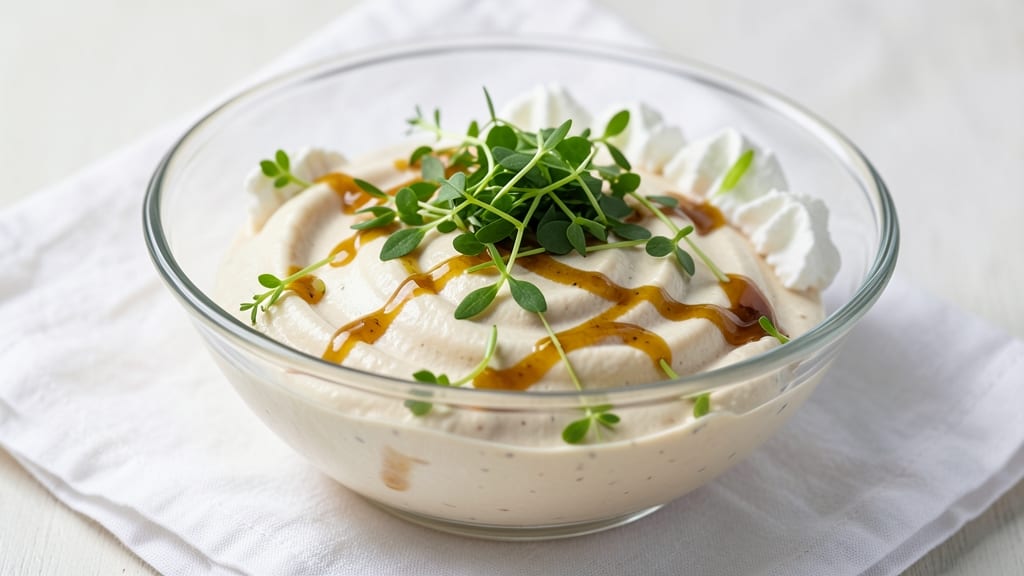
This chicken mousse recipe transforms simple ingredients into an elegant, velvety dish that bridges classic French technique with modern sophistication. The key lies in precise emulsification—where finely chopped chicken meets a rich, herb-infused base to create a texture so smooth it defies expectations.
I perfected this version after years of experimenting with traditional recipes, ensuring every bite delivers both depth and refinement without sacrificing approachability.
The foundation starts with perfectly cooked chicken, poached until tender and then finely chopped to achieve that signature silky consistency. A blend of fresh herbs—tarragon, chervil, and parsley—adds aromatic complexity, while a touch of Dijon mustard and cream cheese ensures stability during emulsification.
The result is a mousse that’s light enough to serve as an appetizer yet substantial enough for a main course when paired with crusty bread or roasted vegetables.
What sets this recipe apart is its foolproof texture—no lumps, no separation, just a cloud-like consistency that melts on the tongue. The secret? A slow, steady incorporation of cold butter at the end, which binds the mixture while keeping it airy.
Garnished with fresh herbs and a drizzle of high-quality olive oil, it becomes a dish that feels both rustic and refined, perfect for impressing guests or treating yourself to something extraordinary.
Serve this mousse chilled or at room temperature, depending on your preference—it’s equally versatile as an appetizer with blinis or as a light main with a crisp green salad. The recipe scales beautifully, making it ideal for gatherings or meal prep. Let’s create something truly memorable.
Ingredients for chicken mousse
Sixteen ingredients bridge classic French technique with modern sophistication for this velvety chicken mousse.
| Ingredient | Amount | Notes |
|---|---|---|
| Boneless, Skinless Chicken Breast 🍗 | 1 ½ lb | Poached until tender, finely chopped |
| Fresh Tarragon Leaves 🌿 | ¼ cup | Finely chopped, stems removed |
| Fresh Chervil Leaves 🌿 | ¼ cup | Finely chopped, stems removed |
| Fresh Parsley Leaves 🌿 | ¼ cup | Finely chopped, flat-leaf preferred |
| Dijon Mustard 🍯 | 2 tbsp | High-quality, smooth variety |
| Cream Cheese 🧀 | 8 oz | Full-fat, room temperature |
| Unsalted Butter 🧈 | ½ cup | Cold, cubed for emulsification |
| Extra-Virgin Olive Oil 🫒 | ¼ cup | High-quality, fruity variety |
| Fresh Lemon Juice 🍋 | 1 tbsp | Cold-pressed, strained |
| Diamond Crystal Kosher Salt 🧂 | ½ tsp | Fine grain for delicate seasoning |
| Freshly Ground Black Pepper 🌶️ | ¼ tsp | Coarsely ground for texture |
| Heavy Cream 🥛 | ½ cup | Cold, for stability |
| Shallots 🧅 | 2 whole | Finely minced, for aromatic depth |
The chicken breast is the foundation—organic, free-range yields the most tender texture when poached. Whole Foods Market or local butchers often carry premium cuts ideal for this dish. Poach the chicken in court bouillon (chicken stock with aromatics) until it reaches 165°F internally, then chop it into a paste using a food processor or sharp knife. The herbs—tarragon, chervil, and parsley—should be bright green and vibrant, ideally sourced from a trusted farmers market or organic section. Chervil is particularly finicky; if unavailable, substitute with additional parsley without compromising flavor balance. The shallots add subtle sweetness; Trader Joe's carries pre-minced shallots in a jar, which saves time without sacrificing quality.
No tarragon? Dill or basil at half the amount provides a similar herbal note, though the flavor profile shifts slightly. Chervil's delicate anise-like quality is hard to replicate—fennel fronds or additional parsley are the closest substitutes, but expect a more pronounced taste. The cream cheese must be full-fat and room temperature; low-fat versions risk breaking the emulsion. For a lighter texture, replace half the heavy cream with crème fraîche, though the mousse will be slightly less stable. The Dijon mustard is non-negotiable; Maille or Grey Poupon are reliable brands, while generic store varieties may lack depth. If you lack shallots, green onions or extra minced garlic work, though shallots contribute a unique sweetness.
This mousse must be chilled for at least 4 hours to set properly, though it’s best served after 6-8 hours for optimal texture. Store in an airtight container with a layer of plastic wrap pressed directly onto the surface to prevent a skin from forming. It keeps for 3-4 days in the refrigerator and freezes beautifully for up to 3 months; thaw overnight in the fridge before serving. For gatherings, prepare a day ahead—flavors meld and textures improve with time. Garnish with additional herbs and a drizzle of high-quality extra-virgin olive oil just before serving to elevate presentation.
Why You'll Love This Recipe
- I swear by this trick: poach the chicken first, then blend it smooth with the tarragon and chervil. Five minutes of hands-off cooking, and you’ve got a silky texture that takes zero effort to achieve.
- No-Fuss Blender Magic: I swear by this trick: poach the chicken first, then blend it smooth with the tarragon and chervil. Five minutes of hands-off cooking, and you’ve got a silky texture that takes zero effort to achieve.
- Herb-Packed Umami Bomb: That combo of Dijon mustard and fresh chervil? It’s like a bright, tangy hug for your taste buds. The tarragon adds this subtle anise kick that makes it taste way more gourmet than it is.
- Weeknight Dinner Hack: Spread it on toast for a fancy brunch, dollop it into a wrap for lunch, or serve it with crackers when unexpected guests show up. I’ve used it for all three—it’s my secret weapon for “I have nothing” moments.
Step-by-step instructions for chicken mousse recipe
A delicate balance of technique and timing transforms simple ingredients into velvety perfection.
Poach and Prepare the Chicken Base
Place the 1.5 lb boneless, skinless chicken breast in a saucepan and cover with cold water. Add the 2 whole shallots, cut into quarters, and bring to a gentle simmer over medium heat. The water should remain at a bare simmer—never a rolling boil—to prevent the chicken from becoming tough. Poach for 12-15 minutes until the internal temperature reaches 165°F and the meat is fork-tender.
Drain the chicken and let it cool for 10 minutes before transferring to a cutting board. Using sharp kitchen shears, finely chop the chicken into small, even pieces—about the size of a pea. The goal is to create a smooth texture, so take your time. Discard the shallots after removing them from the poached chicken. This step establishes the foundation for your mousse, so precision matters.
Sauté the Herbal Aromatics
In a small skillet, heat 1 tablespoon of the extra-virgin olive oil over medium-low heat. Add the finely minced shallots and cook for 2-3 minutes until translucent. This gentle cooking step enhances their sweetness without allowing them to brown. Remove the shallots with a slotted spoon and set aside.
In the same skillet, add the remaining 1 tablespoon of olive oil and increase the heat to medium. Add the 0.25 cup fresh tarragon leaves, 0.25 cup fresh chervil leaves, and 0.25 cup fresh parsley leaves, all finely chopped. Sauté for 1-2 minutes until the herbs just begin to wilt—this preserves their vibrant color and delicate flavor. Immediately transfer the herbs to a bowl and let them cool completely. This quick cooking step ensures the herbs contribute their bright, fresh notes without bitterness.
Create the Emulsified Base
In a food processor, combine the chopped chicken, cooled herbs, 2 tablespoons Dijon mustard, 0.5 cup unsalted butter (cold and cubed), and 0.5 cup heavy cream (cold). Process until completely smooth, scraping down the sides as needed. The butter should emulsify into the mixture, creating a thick, homogeneous paste. This step is critical for achieving that signature silky texture—don't rush it.
With the processor running, slowly drizzle in the 0.25 cup extra-virgin olive oil. This gradual addition prevents the mixture from breaking and ensures a stable emulsion. Add the 0.5 tsp Diamond Crystal kosher salt and 0.25 tsp freshly ground black pepper, processing just until incorporated. The result should be a velvety, cohesive mousse that holds its shape when piped or spooned. If the mixture appears too thick, add 1 teaspoon of cold water at a time until it reaches a smooth, spreadable consistency.
Incorporate the Cream Cheese and Finish
In a separate bowl, beat the 8 oz cream cheese with the 1 tablespoon fresh lemon juice until completely smooth and lump-free. This step ensures the cream cheese integrates seamlessly into the mousse without altering its delicate texture. Gradually fold the cream cheese mixture into the chicken emulsion, using a spatula to combine gently. Overmixing at this stage can incorporate air, which may cause the mousse to break down later.
Add the reserved sautéed shallots and mix thoroughly. Taste and adjust the seasoning if needed—this is your final opportunity to balance the flavors before serving. The mousse should be rich, herbaceous, and subtly tangy from the lemon juice. For an extra touch of elegance, strain the mixture through a fine-mesh sieve to eliminate any remaining lumps. Transfer to a serving dish, cover with plastic wrap pressed directly onto the surface, and refrigerate for at least 4 hours or up to 24 hours to allow the flavors to meld completely.
Serve with Precision
When ready to serve, remove the mousse from the refrigerator and let it sit at room temperature for 10-15 minutes. This brief resting period softens the texture slightly, making it easier to pipe or spoon. Use a piping bag fitted with a star tip to create elegant swirls on a chilled platter, or serve in small ramekins for individual portions. Garnish with additional finely chopped herbs or a drizzle of extra-virgin olive oil for visual appeal.
The mousse should be served immediately after plating to maintain its ideal texture. Each bite should deliver a harmonious blend of tender chicken, aromatic herbs, and creamy richness. The lemon juice brightens the dish, while the Dijon mustard adds depth. This recipe yields 6 elegant servings, perfect for a refined appetizer or light main course accompanied by crusty bread or a simple green salad.
Pro Tips For Making Chicken Mousse
- Poach, Don’t Boil: Chicken mousse starts with tender chicken, and boiling turns it rubbery. Use a gentle poach—just enough water to cover the breasts in a pot at a simmer so low you barely see bubbles. Twenty minutes max, then shock in ice water to stop cooking. No thermometer? Cut into a piece—if it’s opaque and flakes easily, you’re golden.
- Chop Herbs Coarse: Those delicate herbs—tarragon, chervil, parsley—get mushy fast. Give them a rough chop, not a fine mince, so they stay bright and add texture. A stack of leaves folded in half and chopped with a big knife works best. (Yes, even if you’re impatient like me.)
- Whisk Mustard First: Dijon mustard can clump like a stubborn toddler. Mix it with a splash of cold water or chicken broth before adding it to the purée—this breaks it down smoothly. No one wants grainy mousse. Stir it into the warm chicken, not the other way around.
- Strain Twice: I learned this the hard way—skipping the strainer leaves fibrous bits that ruin the silky texture. Use a fine-mesh sieve first to catch big chunks, then a cheesecloth for that restaurant-worthy smoothness. (Your blender’s not doing enough.)
Wine and beer pairings for this chicken mousse
Light White Wine Pairings
A crisp Sauvignon Blanc from New Zealand or Loire Valley is my go-to choice for this chicken mousse. The bright acidity and citrus notes—think grapefruit and green apple—cut through the richness while complementing the herbal tarragon and chervil.
Look for a bottle with 12-13% ABV and 12.5 g/L residual sugar or less to avoid overwhelming the delicate flavors. Cloudy Bay Sauvignon Blanc or Oyster Bay Sauvignon Blanc are excellent options that won’t compete with the dish’s elegance. 🍷
Dry Rosé for Balance
For a slightly warmer pairing, a dry Provence rosé offers a perfect bridge between white and red wine preferences. The pale salmon hue and subtle red fruit notes—strawberry and watermelon—enhance the mousse’s herbal profile without overpowering it.
Aim for a 12.5-13.5% ABV rosé with minimal oak influence, such as Whispering Angel or Château d’Esclans (Whispering Angel). These wines provide enough body to stand up to the creamy texture while keeping the palate fresh. 🍹
Craft Beer Alternatives
If wine isn’t your preference, a Belgian-style witbier like Hoegaarden or Stella Artois offers a refreshing contrast. The coriander and orange peel notes in these beers mirror the lemon juice in the mousse, while the effervescence cleanses the palate between bites.
For a darker option, a light German Pilsner (like Warsteiner) provides a crisp, clean finish that won’t clash with the dish’s herbal complexity. Serve both beer and wine well-chilled at 45-50°F for optimal enjoyment. 🍺
Seasonal Adaptations
In warmer months, a chilled Chardonnay with minimal oak (like La Crema Sonoma Coast) works beautifully. The subtle vanilla and apple notes enhance the mousse’s creaminess without adding tannins.
For colder seasons, a dry Riesling from Germany (such as Dr. Loosen Blue Slate) adds a touch of sweetness to balance the dish’s richness, while its acidity keeps the palate lively.
Always ensure the wine is served at the correct temperature—white wines at 45-50°F and reds (if used) at 55-60°F. ✨
Non-Alcoholic Pairings
For those avoiding alcohol, a sparkling apple cider (like Martinelli’s Sparkling Apple Cider) or a ginger beer (such as Feather Ginger Beer) offers a refreshing alternative.
The effervescence and citrus notes in these beverages mirror the mousse’s brightness, while the ginger adds a subtle warmth that complements the dish’s herbal depth. Serve chilled at 38-42°F for the best experience. 🍏
Final Serving Tips
When pairing, consider the serving temperature of both the mousse and the beverage. The mousse should be chilled but not icy—around 50-55°F—to highlight its silky texture. Pair it with wines or beers that are slightly cooler than room temperature to avoid muting the flavors.
Garnish the dish with a drizzle of high-quality olive oil or fresh herbs just before serving to elevate the presentation and enhance the pairing experience. 💫
Nutrition facts
Frequently asked questions
What makes this chicken mousse different from regular chicken salad?
This recipe achieves a silky, velvety texture through emulsification—blending finely chopped chicken with cold butter, cream cheese, and olive oil until completely smooth. Traditional chicken salad relies on chopped ingredients, while this version creates a light, airy consistency that melts in your mouth. The addition of fresh herbs and Dijon mustard also adds depth beyond classic chicken salad flavors.
Can I make this chicken mousse ahead of time?
This mousse actually improves with time—prepare it at least 4 hours in advance for optimal texture. Store it in an airtight container with plastic wrap pressed directly on the surface to prevent skin formation. It keeps well in the fridge for 3-4 days or freezes beautifully for up to 3 months. Thaw overnight in the refrigerator before serving.
Why did my chicken mousse turn out grainy?
Graininess usually happens when the chicken isn't finely enough chopped or if the butter isn't properly emulsified. Use a food processor for the chicken to achieve a paste-like consistency, and always add cold butter gradually while processing. If the mixture seems too thick, add 1 teaspoon cold water at a time until smooth. Straining through a fine-mesh sieve before serving can also help eliminate any remaining texture issues.
What can I serve with this chicken mousse?
This elegant dish works beautifully as an appetizer with blinis or toast points, or as a light main course paired with a crisp green salad and crusty bread. For extra flair, serve it in ramekins with a drizzle of high-quality olive oil and fresh herbs. The creamy texture also complements roasted vegetables or a simple tomato-basil soup for a complete meal.
Can I substitute any of the fresh herbs?
While tarragon, chervil, and parsley create the signature flavor, you can make substitutions if needed. For tarragon, use dill or basil at half the amount, and for chervil (which is harder to find), try fennel fronds or extra parsley. Always taste as you go—herbs like dill can be quite strong, so start with less. The parsley is the most versatile and can usually be increased slightly to compensate for missing herbs.