Sauces & Condiments
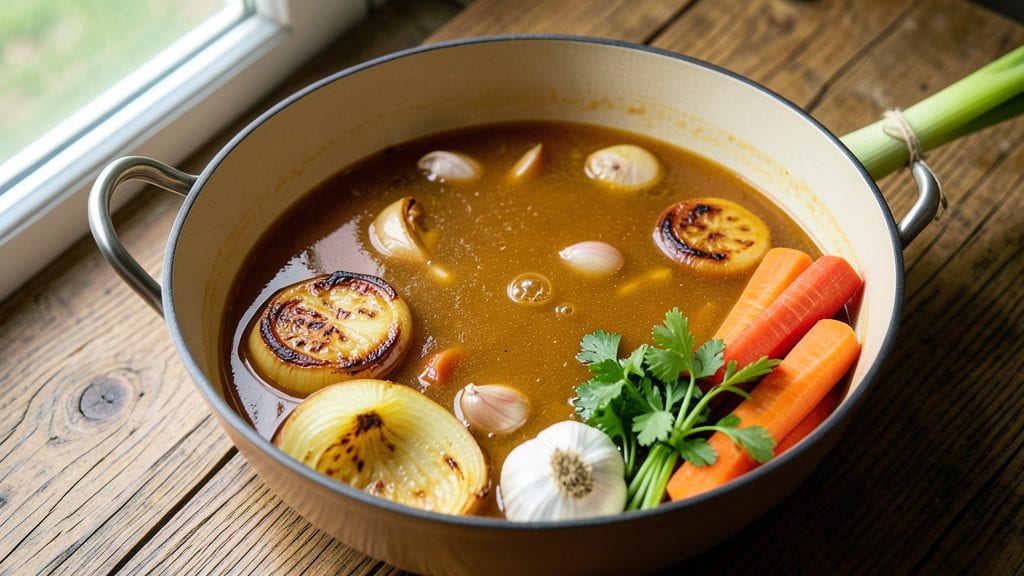
Mastering a Cook's Illustrated chicken stock recipe transforms simple ingredients into liquid gold that elevates every dish. The secret lies in low-and-slow simmering—where bones, vegetables, and aromatics release their essence into a deeply flavorful broth.
I perfected this method after years of testing, and the results speak for themselves: rich, umami-packed stock that freezes beautifully for months.
What sets this recipe apart is the precision in technique—using a combination of chicken bones, vegetables, and herbs to build complex flavor. The key is patience: simmering for 4 hours extracts maximum depth without bitterness.
No pressure cooker shortcuts here; this method delivers restaurant-quality results at home, with every sip packed with savory goodness.
The outcome is a velvety, aromatic stock that forms the foundation for soups, braises, and risottos. Strain it carefully to remove impurities, then store it in the fridge for up to a week or freeze for long-term use.
This isn’t just stock—it’s the secret weapon behind restaurant-worthy meals, all made from scratch in your own kitchen.
For extra richness, consider adding a splash of white wine or a bay leaf during simmering. Whether you’re prepping for a holiday feast or stocking your pantry, this recipe delivers foolproof, professional-quality results every time. Let’s get started!
Ingredients for cook's illustrated chicken stock
Transforming humble ingredients into restaurant-quality chicken stock demands precision and patience—this list delivers both.
| Ingredient | Amount | Notes |
|---|---|---|
| Chicken Bones 🍗 | 4 lb | Raw or roasted for depth |
| Yellow Onion 🧅 | 1 whole | Cut into quarters, skin on |
| Carrots 🥕 | 2 lb | Whole, scrubbed, cut into chunks |
| Celery Stalks 🌿 | 6 whole | Cut into 2-inch pieces |
| Garlic Cloves 🧄 | 8 cloves | Smashed, skin left on |
| Fresh Parsley Stems 🌿 | 1 bunch | Tough stems only, tied |
| Fresh Thyme Sprigs 🌿 | 4 whole | Stems tied, leaves reserved |
| Bay Leaves 🍃 | 2 whole | Dried, standard size |
| White Wine 🍷 | 1 cup | Dry, like Sauvignon Blanc |
| Cold Water 💧 | 16 cups | Filtered preferred |
| Diamond Crystal Kosher Salt 🧂 | 1 tbsp | For seasoning during simmer |
| Freshly Ground Black Peppercorns 🌶️ | 1 tsp | Coarsely cracked |
The chicken bones form the foundation—raw bones yield more gelatin than roasted, but roasting for 30 minutes at 400°F first enhances flavor. Costco or local butchers often sell chicken backs and necks in bulk, ideal for stock. For vegetables, organic carrots and celery from Whole Foods or farmers' markets reduce pesticide residue, though conventional works fine. The parsley stems and thyme sprigs are non-negotiable—they contribute subtle herbal depth without overpowering. Penzeys Spices sells high-quality dried thyme if fresh isn't available, but fresh is superior for aroma.
No white wine? Substitute an additional cup of water and 1 tbsp lemon juice for acidity. Swapping fresh herbs for dried? Use one-third the amount—dried thyme and parsley are concentrated. Pre-cut frozen vegetables (like the 3-in-1 mix) work in a pinch, but fresh yields superior clarity. The Diamond Crystal kosher salt is preferred for its coarse texture, allowing precise control during seasoning. For pepper, freshly cracked delivers superior flavor than pre-ground. Pressure cooker adaptation? Reduce simmer time to 90 minutes, but flavor will differ slightly from the low-and-slow method.
This stock peaks after 4 hours of simmering—don’t rush it. Strain through a fine-mesh sieve lined with cheesecloth for crystal-clear results. Portion into ice cube trays before freezing for easy single-use servings. Fridge life: up to 7 days in an airtight container. Freezer life: up to 6 months when stored in glass jars (plastic absorbs odors). For extra richness, reduce the stock by half after initial simmering to create a concentrated base for sauces.
Why You'll Love This Recipe
- Zero-Waste Prep: Honestly, I love that this recipe turns scraps into gold. Those onion peels, celery ends, and carrot tops? They all get tossed in—no food goes unused, and the stock ends up richer for it.
- Deep Umami Magic: The slow simmer of chicken bones with garlic and veggies builds layers of flavor you won’t find in store-bought. That crispy garlic skin? Pure satisfaction after hours of simmering.
- Weeknight Workhorse: Freeze it in ice cube trays for instant broth in soups, risottos, or even a quick pasta sauce. No last-minute shopping—just grab and go when inspiration (or hunger) strikes.
- Budget Booster: Between us, this is the most cost-effective way to elevate meals. A few chicken bones and veggie scraps stretch into gallons of stock—way cheaper than pre-packaged and way better tasting.
Step-by-step instructions for cook's illustrated chicken stock recipe
Transforming humble bones into velvety, umami-rich stock requires precision and patience.
Prepare the Bones and Vegetables for Maximum Flavor Extraction
Begin by examining the 4 lb chicken bones for any remaining meat or cartilage. Use a sharp knife to scrape off any visible residue, reserving it for another use. This step ensures your stock remains crystal clear and prevents cloudiness. Place the bones in a large stockpot and cover them with 16 cups cold water, then bring to a boil over medium-high heat. Once boiling vigorously, immediately reduce to a gentle simmer and cook for 15 minutes. This initial boiling removes impurities and surface proteins that would otherwise create a hazy stock.
While the bones simmer, prepare the vegetables. Peel and quarter the 1 whole yellow onion, leaving the skin on for deeper color and flavor. Scrub the 2 lb carrots and cut them into 2-inch chunks. Trim the 6 whole celery stalks into similar pieces. Smash the 8 cloves garlic with the flat side of your knife to release their oils without breaking the skins. Tie the 1 bunch fresh parsley stems and 4 whole fresh thyme sprigs together with kitchen twine to create a bouquet garni. This bundle makes removal easy and prevents small pieces from sinking.
Build Complexity Through Layered Cooking Techniques
After the initial 15-minute boil, carefully skim off any foam or scum that rises to the surface using a fine-mesh skimmer. This step is crucial—impurities left in the stock will create a bitter, cloudy final product. Once the pot is clean, add the prepared vegetables, 2 whole bay leaves, and the bouquet garni. Return the liquid to a gentle simmer and cook uncovered for 2 hours. The uncovered lid allows excess moisture to evaporate, concentrating flavors and preventing a dilute stock.
At the 1-hour mark, add the 1 cup white wine to the simmering pot. The alcohol will cook off completely, leaving behind its aromatic compounds that deepen the stock's complexity. Thirty minutes later, stir in the 1 tbsp diamond crystal kosher salt and 1 tsp freshly ground black peppercorns. These seasonings should dissolve completely into the liquid, ensuring even flavor distribution throughout the cooking process. The peppercorns add subtle warmth that complements the umami notes developing in the bones.
Refine and Clarify for Restaurant-Quality Results
After the 2-hour simmer, strain the stock through a fine-mesh sieve or cheesecloth-lined colander into a clean stockpot. Discard the solids, including the bouquet garni. Return the strained stock to the pot and skim off any remaining surface impurities. For maximum clarity, place a clean, damp kitchen towel over the pot and secure it with a rubber band. This creates a natural condensation effect that helps clarify the stock as it continues to simmer gently for another 1 hour. The towel prevents evaporation while allowing steam to escape, which carries away suspended particles.
During this final hour, taste the stock periodically. It should develop a deep, savory richness with no bitterness. If needed, adjust seasoning with additional salt, but avoid over-salting—stocks are typically used as a base and will be diluted in recipes. Once satisfied with the flavor profile, remove the pot from heat and let the stock cool to room temperature. For best results, refrigerate the stock overnight, then skim off any solidified fat that rises to the surface before using. This final step ensures your stock is silky smooth and ready to elevate any dish.
Pro Tips For Making Cook'S Illustrated Chicken Stock
- Brown the Bones First: I used to skip this step, thinking it was just for searing meat—but those dark, crispy bits on the bones are pure flavor gold. Toss your chicken bones in a hot Dutch oven (no oil needed) until they’re deep brown all over, about 10-15 minutes. This isn’t just about color; it’s where the depth of flavor starts.
- Chop Veggies Small: Big chunks of onion, carrots, and celery mean half-baked edges and wasted time. Aim for ½-inch pieces—small enough to cook through but not so fine they turn to mush. My grandmother called this "the sweet spot," and she was right: it extracts flavor without turning the stock into soup.
- Simmer, Don’t Boil: The moment you see bubbles breaking the surface, you’ve crossed into boil territory—and that’s when stock turns cloudy and bitter. Keep it at a gentle simmer, where you see tiny ripples but no violent action. If you’re unsure, stick a spoon in: if it’s too hot to hold for 5 seconds, dial it back.
- Strain Twice: One pass through a fine-mesh strainer leaves behind grit. For crystal-clear stock, line your strainer with cheesecloth or a clean kitchen towel first—then strain again. It’s an extra 30 seconds, but the difference in texture is noticeable. (Yes, even if you’re not making consommé.)
Serving suggestions for leftovers
Soup Foundation
This stock is the backbone of creamy chicken noodle soup—simmer 8 cups stock with 4 cups shredded chicken, 2 cups egg noodles, and fresh herbs like thyme.
I like adding 1 cup frozen peas in the last 5 minutes to keep them vibrant. For extra richness, stir in ½ cup heavy cream at the end. 🥣
Risotto Base
Use 6 cups stock to cook 1 cup Arborio rice until al dente, gradually adding stock while stirring. Finish with ¼ cup grated Parmesan and 2 tbsp butter.
For a twist, add ½ cup mushrooms and a splash of white wine during cooking. The stock's depth makes even simple risotto feel luxurious. 🍚
Braising Liquid
Transform tough cuts like chuck roast by braising with 4 cups stock, 1 cup red wine, and aromatics. I sear the meat first in a Dutch oven, then add stock and simmer covered for 3 hours until fork-tender. The stock's umami infuses the meat, creating melt-in-your-mouth results. 🍖
Sauce Thickener
Reduce 3 cups stock by half in a saucepan to create a concentrated base for pan sauces or gravies. Deglaze the pan with 2 tbsp white wine, then whisk in 1 tbsp cornstarch to thicken. Perfect for serving with roasted chicken or mashed potatoes. 🍽️
Garnish Elevator
Strain the stock through a fine-mesh sieve, then chill until fat solidifies. Skim off the fat and use it to baste proteins or finish dishes—like drizzling over seared scallops or roasted Brussels sprouts. The clarified stock also makes elegant consommé for fancy presentations. ✨
Global Adaptations
In Thai cuisine, use stock as a base for tom kha soup with coconut milk and galangal. For Italian pasta, add stock to carbonara or fettuccine Alfredo for extra depth. Even Indian curries benefit from a splash of stock to balance spices. The possibilities are endless! 🌍
Nutrition facts
Frequently asked questions
Can I use chicken carcasses from a rotisserie chicken for this stock?
Rotisserie chicken carcasses work perfectly—they're already flavorful from the cooking process. Just remove any leftover meat and skin first to prevent cloudiness. For best results, add 1 extra bay leaf and ½ cup extra white wine to compensate for the pre-cooked flavor. The simmering time remains the same at 4 hours.
Why does my stock turn cloudy even after straining?
Cloudiness usually means proteins or impurities weren't fully removed. First, ensure you skimmed foam during the initial boil. For extra clarity, try this trick: After straining, place a damp cheesecloth over the pot and simmer uncovered for 30 more minutes. This helps bind remaining particles. If it's still cloudy, it may just be a sign of high protein content—common with chicken stock!
How can I make this stock in a pressure cooker?
For a pressure cooker version, use the same ingredients but reduce simmering time to 90 minutes on high pressure. Start with 12 cups water instead of 16 to account for faster evaporation. The flavor will be slightly different (more concentrated) but still delicious. Remember to let pressure release naturally for 10 minutes before opening the lid.
Can I substitute wine with something else?
Yes! For a non-alcoholic version, use 1 cup apple cider vinegar or lemon juice instead of wine. Both provide acidity that helps break down flavors. If you prefer no acid at all, simply increase the water to 17 cups and add 1 extra bay leaf for depth. The stock will still be flavorful, just with a slightly different profile.
What's the best way to store leftover stock?
For short-term storage, keep stock in the fridge for up to 7 days in an airtight container. For long-term storage, freeze in glass jars (plastic absorbs odors) or ice cube trays. Label with the date—it stays fresh for 6 months in the freezer. When ready to use, thaw overnight in the fridge or use frozen cubes directly in recipes like soups or sauces.