
Main Courses
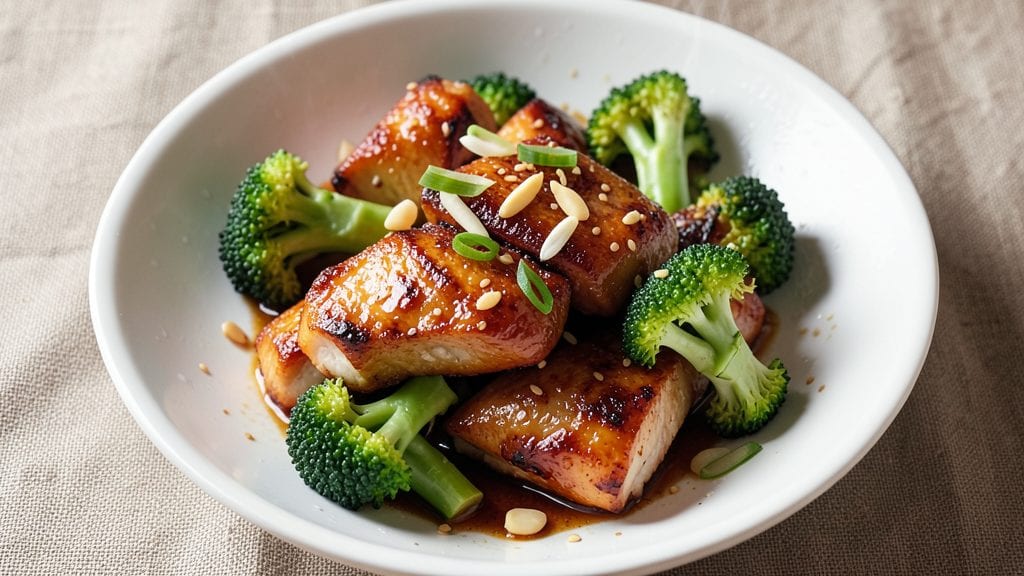
This Chinese takeout chicken and broccoli recipe delivers the creamy sesame sauce you crave—rich, nutty, and perfectly balanced to cling to every bite of tender chicken and crisp-tender broccoli.
Growing up in small-town Georgia, I learned early that great food transforms ordinary meals into something special, and this dish does exactly that. The secret lies in marinating the chicken overnight, which infuses it with deep umami flavors while keeping it impossibly juicy.
The sauce is where the magic happens—a velvety blend of soy, garlic, ginger, and sesame oil that coats the chicken and broccoli in a glossy, addictive glaze.
Unlike takeout versions that often taste flat, this recipe builds layers of flavor through precise technique: high-heat stir-frying for the chicken and just the right amount of al dente broccoli. It’s the kind of dish that feels indulgent but comes together in under 45 minutes.
By the time you plate it—golden chicken nestled with bright green broccoli, all blanketed in that glossy sauce—you’ll have a restaurant-quality meal that’s far superior to anything you’d order in. The sauce sticks to every forkful, delivering a perfect harmony of savory, sweet, and nutty notes with each bite.
This is comfort food at its finest, and it’s worth making just for the aroma alone.
Serve it over steamed rice for the full takeout experience, or enjoy it as-is for a satisfying weeknight dinner. The leftovers reheat beautifully, making it ideal for meal prep. Here’s how to bring this classic dish to your table with professional results every time.
Ingredients for chinese takeout chicken and broccoli
The secret to restaurant-style flavor starts with these 14 simple ingredients.
| Ingredient | Amount | Notes |
|---|---|---|
| Boneless, Skinless Chicken Thighs 🍗 | 1 ½ lb | Cut into 1-inch pieces |
| Broccoli Florets 🥦 | 1 ½ lb | Fresh or frozen, cut into bite-sized |
| Sesame Oil 🫒 | ½ cup | Toasted, for aroma and flavor |
| Soy Sauce 🍶 | ½ cup | Light or dark, to taste |
| Garlic Cloves 🧄 | 8 cloves | Minced, fresh preferred |
| Fresh Ginger 🌿 | 2 tbsp | Grated, not powdered |
| Brown Sugar 🍯 | ¼ cup | Light or dark, packed |
| Sesame Seeds 🌰 | 2 tbsp | Toasted, for garnish |
| Cornstarch 🌾 | 1 tbsp | For thickening sauce |
| Vegetable Oil 🫒 | 3 tbsp | High smoke point for stir-fry |
| Green Onions 🧅 | 4 whole | Sliced, for garnish |
| Salt 🧂 | 1 tsp | Kosher or sea salt |
| Black Pepper 🌶️ | ½ tsp | Freshly ground |
| White Rice 🍚 | 2 cups | Uncooked, for serving |
The chicken is the star—thighs (not breasts) stay juicier during stir-fry. Grab bone-in, skin-on if you can find it at Costco or Trader Joe's, but boneless works too. For broccoli, fresh is best (look for bright green florets), but frozen works in a pinch—just don’t thaw it first. The sesame oil? Toasted is key—it’s got that nutty aroma you crave. Skip the cheap stuff; Kadoya or La Choy are solid choices. If you’re prepping ahead, marinate the chicken overnight in soy sauce, garlic, and ginger for maximum flavor infusion.
No sesame oil? Vegetable oil plus 1 tsp toasted sesame seeds gets you close. Fresh ginger missing? Ground ginger at half the amount works, but it’s not the same—trust me on this. For the sauce, cornstarch is non-negotiable for that perfect glossy texture. Arrowroot powder works too if you’re out. The brown sugar balances the saltiness—don’t skip it. And if you’re serving this to kids (or picky eaters), reserve some sauce to drizzle on top so they don’t feel like they’re missing out on the good stuff. The green onions add a fresh pop—use the white and green parts for extra flavor.
This sauce reheats like a dream—just add a splash of water to loosen it up. Keeps for 5 days in the fridge, freezes for 3 months (though it’s best fresh). I always double the sauce because leftovers make amazing stir-fry sauce for eggs or noodles later. Store the chicken and broccoli separately in airtight containers if you’re prepping ahead—reheat the chicken in a skillet, broccoli in the microwave. Pro tip: Save the rice water from cooking rice to steam the broccoli—it adds extra flavor.
Why You'll Love This Recipe
- One-Pan Magic: I swear by this recipe—just toss the chicken and broccoli on a sheet pan, drizzle with soy sauce and sesame oil, and let the oven do the work. No chopping boards, no extra pots, just hands-off cooking that still tastes like you slaved over it.
- Garlic-Soy Bomb: That little burst of minced garlic and a splash of soy sauce? It’s the secret weapon. The chicken comes out with this perfect balance of salty, umami, and a whisper of heat—exactly how takeout should taste, but without the grease.
- Lunchbox Hero: Between us, this is my go-to for meal prep. The broccoli stays crisp, the chicken stays juicy, and it reheats like a dream. Pack it cold for lunch or microwave it at work—it’s the only takeout-style dish I don’t dread eating twice.
- Budget Win: Chicken thighs are cheaper than breasts, and broccoli’s a pantry staple. With just sesame oil and soy sauce, you’re looking at a dish that costs half of what you’d pay for takeout—yet somehow tastes better. (Yes, even on a Tuesday night.)
Step-by-step instructions for Chinese takeout chicken and broccoli
Here's how to recreate that perfect restaurant-style dish with a creamy sauce that clings to every bite.
Prepare the Chicken and Broccoli
Cut the 1.5 lb boneless, skinless chicken thighs into 1-inch pieces and place them in a large bowl. Add the 1.5 lb broccoli florets, sliced green onions, and the 2 tbsp fresh ginger. Toss everything together gently with your hands until the chicken and broccoli are evenly coated with the ginger and green onions.
I like to keep the broccoli florets slightly larger than bite-sized so they maintain their texture during cooking. If using frozen broccoli, make sure it's completely thawed before proceeding—ice crystals can make the sauce watery. Sprinkle with the 1 tsp salt and 0.5 tsp black pepper, then set aside. This seasoning step ensures every bite has balanced flavor from the start.
Stir-Fry the Chicken and Broccoli
Heat the 3 tbsp vegetable oil in a large skillet or wok over medium-high heat until shimmering but not smoking. Add the chicken pieces in a single layer and cook undisturbed for 3-4 minutes until golden brown on the bottom. This initial sear locks in juices and creates that restaurant-quality texture.
Push the chicken to one side of the pan and add the broccoli florets. Stir-fry for 4-5 minutes until the broccoli turns bright green and slightly tender. Here's the thing—don't overcrowd the pan. If you need to work in batches, that's okay, but keep the heat high and cook until everything is hot through before moving to the next step. The chicken should reach an internal temperature of 165°F.
Make the Creamy Sesame Sauce
In a small bowl, whisk together the 0.5 cup soy sauce, 0.25 cup brown sugar, minced 8 cloves garlic, and 0.5 cup sesame oil. Let this mixture sit for 2 minutes to allow the garlic to infuse its flavor into the oil. Then, in a separate small bowl, mix the 1 tbsp cornstarch with 2 tablespoons of water to create a slurry.
Return the chicken and broccoli to the skillet and pour the soy sauce mixture over them. Stir gently to combine, then bring the mixture to a gentle simmer over medium heat. This is where the magic happens—the sauce should begin to thicken almost immediately. After about 1 minute, add the cornstarch slurry and stir constantly for another 2 minutes until the sauce becomes glossy and coats the back of a spoon. The sauce should be thick enough to stick to the chicken and broccoli but still silky smooth.
Finish and Serve
Remove the skillet from heat and stir in the 2 tbsp toasted sesame seeds. This adds that nutty crunch and aroma that makes takeout dishes so special. Taste and adjust the seasoning if needed—you might want to add a bit more soy sauce for saltiness or a touch of brown sugar for sweetness.
Serve the chicken and broccoli immediately over the 2 cups cooked white rice. The creamy sauce will cling beautifully to both the chicken and broccoli, creating that perfect takeout experience. Garnish with extra sliced green onions if desired. The dish should be hot and ready to enjoy right away—every bite should deliver tender chicken, crisp-tender broccoli, and that rich, creamy sauce.
Pro Tips For Making Chinese Takeout Chicken And Broccoli
- Blister the Garlic: Toss whole garlic cloves in the hot pan with the chicken—no mincing needed. After burning three batches of garlic paste, I finally realized charred cloves add a smoky depth that powdered garlic can’t match, and they’re easier to fish out later.
- Salt the Chicken First: Toss the thighs with soy sauce and a pinch of salt before cooking. The soy sauce alone won’t season the meat enough, and salting early guarantees the flavor penetrates while the chicken rests—no dry, bland bites here.
- Skip the Overcrowded Pan: Cook the chicken in batches if your pan’s smaller than a dinner plate. I learned this the hard way—steaming instead of searing turns the dish into sad, greasy chicken and soggy broccoli. A little patience = crispy results.
- Shock the Broccoli: Blanch the florets in boiling water for 30 seconds, then plunge into ice water. This locks in color and texture, so your broccoli stays bright green and crisp-tender—not mushy or limp. (Yes, even if you’re impatient like me.)
Common mistakes when making this recipe
Overcrowding the Pan
This is the #1 mistake I see—packing too much chicken and broccoli into the pan at once. When you overcrowd, the food steams instead of sears, making everything soggy and dull. The goal is high, dry heat to get those golden brown spots on the chicken and crisp-tender broccoli.
I like to work in batches if needed, but never sacrifice heat control. A 12-inch cast iron skillet is my go-to because it gives enough surface area without overcrowding. 🔥
Skipping the Marinade
If you're just tossing raw chicken in the pan without any prep, you're missing out on serious flavor. The marinade (soy sauce, garlic, ginger) infuses the chicken overnight, giving it deep umami that takes it from "meh" to "restaurant-quality."
Even 30 minutes of marinating makes a difference. I always marinate my chicken in the fridge—it's a game-changer for texture and flavor. Pro tip: Use Kikkoman soy sauce for that authentic takeout taste.
Low Heat Cooking
Low and slow is the enemy of crispy chicken and bright green broccoli. You need medium-high to high heat to get that proper sear and wok hei (breath of the wok). If your pan isn't hot enough, the chicken will boil in its juices instead of developing that golden crust.
I test heat by flicking a drop of water—it should sizzle and evaporate instantly. If it just sits there, crank up that heat! 🌡️
Sauce Thickening Failures
Nothing ruins a dish faster than a watery sauce. The cornstarch slurry needs to be added at the right moment—when the sauce is simmering but not boiling. Stir constantly for those final 2 minutes to avoid lumps.
I've seen people skip the cornstarch entirely or add it too early, resulting in a gloppy mess. For extra insurance, I like to whisk the cornstarch with cold water first—it dissolves better and thickens more evenly.
Broccoli Overcooking
Broccoli that's mushy is a crime against this dish. It should be bright green and just tender with a slight bite. The moment it turns dull green or starts to wilt, it's overdone. I time it at 4-5 minutes max in the pan.
If using frozen broccoli, thaw it completely first—ice crystals will dilute your sauce and make everything watery. For extra flavor, I sometimes blanch the broccoli for 30 seconds before stir-frying to preserve its vibrant color.
Ignoring Rest Time
Freshly cooked chicken needs 3-5 minutes off the heat to rest before serving. This allows juices to redistribute, keeping every bite moist. I always tent the pan with foil during this time. Skipping the rest means dry, stringy chicken that falls apart.
Trust me, those few minutes make all the difference in the final texture. It's a small detail, but one I never skip—it's the difference between good and great. ⏰
Nutrition facts
Frequently asked questions
Can I use chicken breasts instead of thighs?
You can, but thighs stay juicier during stir-frying. If using breasts, cut them into ½-inch pieces and cook them for just 2-3 minutes per side to avoid drying out. For best results, marinate them for 30 minutes before cooking to help retain moisture.
How do I make the sauce extra creamy?
For a richer sauce, add 1 tbsp of peanut butter or 2 tbsp of cream cheese to the sauce mixture before thickening. You can also replace ¼ cup of the soy sauce with coconut aminos for a smoother texture. The key is to whisk everything thoroughly and simmer gently to avoid breaking the sauce.
What’s the best way to reheat leftovers?
Reheat chicken and broccoli separately in a skillet over medium heat with a splash of water to prevent drying. For the sauce, warm it in a small saucepan on low, stirring constantly until smooth. Avoid microwaving—it ruins the sauce's glossy texture. This method keeps everything tender and the sauce clinging perfectly.
Can I make this gluten-free?
Yes! Swap the soy sauce for tamari or coconut aminos (both gluten-free). Use cornstarch or arrowroot powder as the thickener, and ensure your sesame oil is certified gluten-free. Double-check all ingredients, especially if using frozen broccoli or pre-marinated chicken. The flavor stays authentic with these substitutions.
Why does my sauce turn out too thick?
This usually happens if you add the cornstarch slurry too early or over-simmer the sauce. To fix it, whisk in 1 tsp of warm water and stir until smooth. For prevention, add the slurry when the sauce is at a gentle simmer, not boiling, and stir constantly for 2 minutes max.