
Soups & Stews
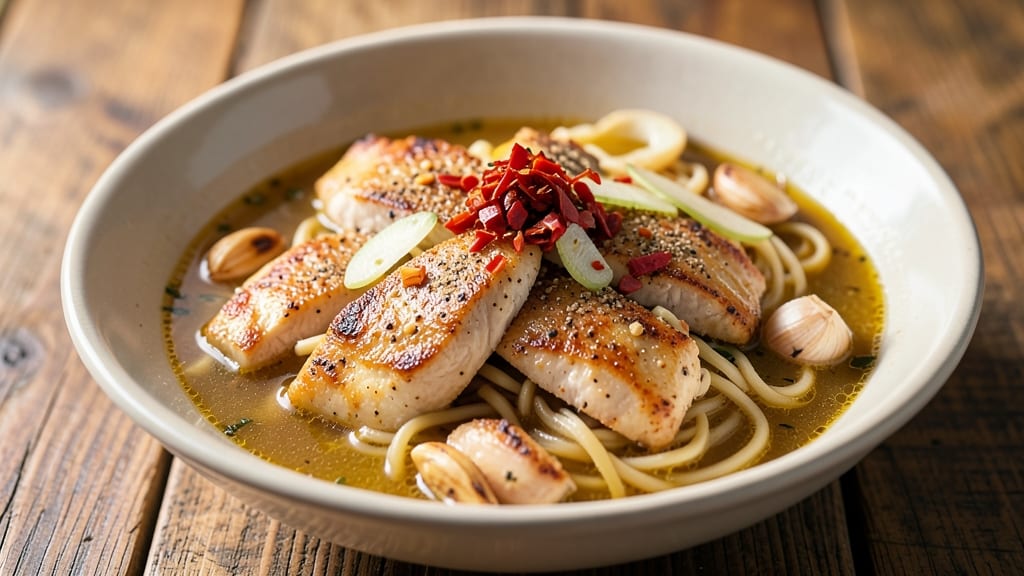
This chicken thukpa recipe brings the hearty, aromatic flavors of Tibetan cuisine to your kitchen with minimal effort. The dish combines tender chicken, chewy noodles, and a fragrant broth infused with garlic, ginger, and warming spices—all simmered together in one pot for a comforting, restaurant-quality meal.
What makes this version special is the balance of traditional techniques with simple pantry ingredients, ensuring you can recreate this beloved comfort food at home.
The beauty of thukpa lies in its simplicity: a handful of ingredients transform into a deeply satisfying dish when cooked with care. You'll start with a flavorful broth built on garlic, ginger, and chili, then add chicken that cooks until tender and noodles that absorb the rich, spiced liquid.
The result is a bowl of buttery noodles wrapped around perfectly seasoned chicken, all bathed in a broth that's aromatic and deeply flavorful. This recipe delivers restaurant-quality results in under 45 minutes, making it ideal for busy weeknights or cozy weekend meals.
What sets this chicken thukpa apart is the way the spices meld together—garlic and ginger form the base, while chili and cumin add warmth without overpowering. The noodles become tender yet retain a satisfying chew, and the chicken stays juicy and infused with the broth's flavors.
Each bite offers a harmonious blend of textures and tastes, from the silky noodles to the tender meat and the aromatic broth. Whether you're serving it to family or treating yourself, this dish promises a comforting, flavorful experience that feels like a warm embrace in a bowl.
For those looking to customize, you can adjust the spice level to taste or add vegetables like bell peppers or spinach for extra freshness. The one-pot method ensures easy cleanup, while the simple ingredients make it accessible for home cooks of all skill levels.
Let's get started on this hearty, satisfying dish that brings a taste of the Himalayas to your table.
Ingredients for chicken thukpa
Simple ingredients that transform into a fragrant, comforting Tibetan-inspired one-pot meal.
| Ingredient | Amount | Notes |
|---|---|---|
| Chicken Breast 🍗 | 1 ½ lb | Boneless, skinless, cut into bite-sized pieces |
| Egg Noodles 🍜 | 8 oz | Fresh or dried, medium width preferred |
| Garlic Cloves 🧄 | 6 cloves | Minced finely for aromatic base |
| Fresh Ginger 🌿 | 2 tbsp | Grated, for zesty kick |
| Red Chili Flakes 🌶️ | 1 tbsp | Adjust for spice preference |
| Ground Cumin 🌿 | 1 tsp | Toasted for deeper flavor |
| Ground Coriander 🌶️ | 1 tsp | Earthy, citrusy undertones |
| Turmeric Powder 🧂 | ½ tsp | Bright yellow color and earthy taste |
| Vegetable Oil 🫒 | 3 tbsp | High smoke point for frying |
| Chicken Broth 💧 | 4 cups | Homemade or quality low-sodium |
| Butter 🧈 | 2 tbsp | Unsalted, for richness |
| Green Onions 🧅 | 3 whole | Sliced, for garnish |
| Salt 🧂 | 1 ½ tsp | Kosher or sea salt |
| Black Pepper 🌶️ | ½ tsp | Freshly ground for heat |
The chicken is the foundation here—boneless, skinless breast ensures tender bites that absorb the broth's flavors. Look for fresh, plump pieces at your local butcher or grocery store's meat counter. For the best texture, cut them into even-sized pieces before cooking. The egg noodles should be medium-width for that satisfying chew; brands like Barilla or De Cecco are reliable choices. Fresh ginger and garlic are non-negotiable for authentic flavor—organic produce from the grocery store's produce section works best, but frozen will do in a pinch if you're short on time.
No fresh ginger? Powdered ginger at half the amount works, though it lacks the same depth. Running low on cumin? Ground coriander or fennel seeds can substitute, but the earthy warmth won't be identical. For the broth, homemade is ideal, but a quality low-sodium store-bought like Pacific Foods or Swanson will save time. The red chili flakes can be adjusted—start with 1 tbsp and add more to taste. If you're serving this to kids or sensitive eaters, reduce the amount to 0.5 tbsp or swap in mild paprika for color without heat.
This dish reheats beautifully—store leftovers in an airtight container for up to 3 days in the fridge. For longer storage, freeze portions for up to 2 months. The broth will thicken slightly when reheated, so add a splash of water or chicken broth to loosen it. Garnish with sliced green onions just before serving to keep them vibrant. Make a double batch—it's that good, and the flavors deepen overnight as the spices meld together.
Why You'll Love This Recipe
- Minimal Chopping Needed: I swear by this—just dice the chicken, mince the garlic, and grate a thumb of ginger. No fancy knife work, no small prep mess. The noodles? Straight from the package. Done.
- Umami Bomb Combo: That crispy chicken, the chewy egg noodles, and the garlic-ginger-chili base? It’s the kind of flavor that sticks with you. Honestly, the first time I tasted it, I thought, “Why haven’t I made this sooner?”
- Lunchbox Hero: Pack it cold or reheat it—this thukpa is perfect for meal prep. The noodles hold up, the broth stays rich, and my kids actually eat it for school lunches. (Yes, even on a Tuesday.)
- Budget-Friendly Feast: Chicken breast is affordable, and a single batch stretches for two lunches or a family dinner. I’ll be real: it’s my go-to when I need a filling, satisfying meal without breaking the bank.
Step-by-step instructions for chicken thukpa
Here's the method for creating a rich, aromatic thukpa with tender chicken and perfectly cooked noodles.
Prepare the Chicken and Aromatics
Cut the 1.5 lb chicken breast into ½-inch bite-sized pieces and set aside. In a large pot, heat 3 tablespoons vegetable oil over medium-high heat until shimmering. Add the chicken pieces in a single layer and cook undisturbed for 3-4 minutes until the edges turn light golden brown. This initial sear locks in juices and builds flavor.
Once the chicken is lightly browned, reduce heat to medium and add the 6 minced garlic cloves and 2 tablespoons grated fresh ginger. Stir constantly for 30 seconds until the garlic becomes fragrant and golden—this prevents burning while releasing their full flavor. Immediately add 1 tablespoon red chili flakes, 1 teaspoon ground cumin, 1 teaspoon ground coriander, 0.5 teaspoon turmeric powder, 1.5 teaspoons salt, and 0.5 teaspoon black pepper. Stir for another 1 minute until the spices are toasted and aromatic.
Build the Flavorful Broth
Pour in the 4 cups chicken broth and bring to a gentle boil. Once boiling, reduce heat to medium-low and let it simmer uncovered for 10 minutes. This allows the spices to fully infuse into the broth while the chicken continues to cook. The broth should reduce slightly, becoming more concentrated and flavorful.
Here's the thing—don't skip this simmering step. It's where the spices develop depth, and the chicken absorbs the aromatic base. You'll notice the broth turning a rich amber color and filling your kitchen with an inviting, spiced aroma. This is the foundation of your thukpa's complex flavor.
Cook the Noodles
While the chicken and broth simmer, prepare the 8 oz egg noodles according to package instructions—but here's the key detail: undercook them by 1 minute. Drain the noodles and immediately add them to the pot with the chicken and broth. The residual heat will finish cooking them perfectly while absorbing the flavorful liquid.
Stir gently to combine, then increase heat to medium-high and bring to a rolling boil. Once boiling, reduce heat to medium and let it cook uncovered for 3-4 minutes, stirring occasionally. The noodles should be tender but still slightly firm, with the broth clinging to them. This texture ensures each bite delivers both noodle and sauce.
Finish with Butter and Garnish
Remove the pot from heat and stir in the 2 tablespoons butter. The butter will melt quickly, adding a luxurious richness to the dish. Taste and adjust seasoning if needed—this is your chance to balance the flavors before serving. The dish should be savory, slightly spicy, and aromatic with a perfect harmony of all ingredients.
Divide the thukpa among bowls and garnish with 3 sliced green onions. Serve immediately while hot, with the noodles coated in the fragrant broth and tender chicken pieces distributed throughout. Each spoonful should deliver a perfect balance of textures and flavors, making this one-pot wonder a satisfying meal.
Pro Tips For Making Chicken Thukpa
- CUT CHICKEN THIN: Fresh chicken breast slices cook faster and stay juicier—split each piece into two thin cutlets (about ½-inch thick) before seasoning. I used to overcook them thinking they’d need more time, and they’d turn out dry. Thin slices hit 165°F in 3-4 minutes per side on medium-high.
- MINCE GINGER FINE: Grate ginger with the skin on for deeper flavor, then sift out the fibers—this keeps your broth silky smooth. I learned this after straining three batches of chunky ginger soup. A microplane works best; skip the knife unless you’re okay with texture surprises.
- BOIL NOODLES JUST SHORT: Cook egg noodles one minute less than the package says, then finish them in the broth. They’ll absorb flavor instantly and won’t turn mushy. I’ve ruined thukpa by overcooking noodles—now I taste the broth first, then add them back in for the last 30 seconds.
- SALT BROTH IN LAYERS: Add salt to the broth before the chicken, then adjust again after the noodles go in. Chicken releases water when raw, so you’ll need more salt than you think—about 1½ teaspoons for 4 servings. Trust me, your bowl won’t taste flat if you nail this step early.
Common mistakes when making great chicken thukpa
Overcooking the Chicken
One of the biggest mistakes is letting the chicken overcook in the broth. Since chicken breast cooks quickly, it can turn dry and rubbery if simmered too long.
The goal is tender, juicy pieces—so once the broth reaches a gentle simmer, aim for just 10 minutes total of cooking time after adding the broth. Use a meat thermometer to check: the chicken should reach 165°F but no higher.
I’ve ruined a batch by walking away for just 5 minutes, so set a timer! 🕒
Skipping the Sear
Many home cooks skip searing the chicken, which is a critical step for building depth of flavor. That initial 3-4 minute sear in hot oil creates a golden crust that locks in juices and adds a savory richness. Without it, your thukpa will taste flat and one-dimensional.
Use a large pot to avoid crowding the chicken—this ensures even browning. If your chicken releases too much liquid while searing, blot it dry with a paper towel first. 🔥
Underseasoning the Broth
The broth is the soul of thukpa, and underseasoning it is a common pitfall. Many recipes call for 1.5 teaspoons salt, but don’t assume your broth is already seasoned—especially if using store-bought.
Taste the broth after simmering and adjust with extra salt, a pinch of sugar, or even a splash of soy sauce for umami depth. I’ve learned the hard way that a little extra seasoning makes all the difference. 🧂
Ignoring Noodle Texture
Overcooked noodles turn mushy and lose their satisfying chew, while undercooked ones feel raw and unappetizing. The trick is to undercook them by 1 minute before adding to the pot, then finish in the broth. This ensures they absorb the flavorful liquid without becoming limp.
If your noodles are still firm after simmering, cover the pot and let them steam for another 1-2 minutes. Test one noodle—it should be tender but still hold its shape. 🍜
Rushing the Spice Toasting
Toasting the spices for just 1 minute releases their aromatic oils, but many cooks rush this step or skip it entirely. If you burn the garlic or ginger, you’ll end up with a bitter, harsh flavor.
Keep heat at medium and stir constantly—this is where the magic happens. For deeper flavor, toast the spices in the oil for 30 seconds before adding the chicken. The difference is noticeable! 🌶️
Adding Butter Too Early
Stirring in the butter while the pot is still on high heat can cause it to burn, creating a bitter taste. Always remove the pot from heat first, then add the 2 tablespoons butter and stir until melted.
This step adds richness, but timing is everything. If you’re worried about the butter burning, melt it separately and drizzle it over each serving at the table. 🧈
Nutrition facts
Frequently asked questions
Can I use chicken thighs instead of chicken breast?
Chicken thighs add richer flavor and stay juicier during cooking. Use 1.5 lb boneless, skinless thighs cut into ½-inch pieces. Since thighs cook slower, reduce simmering time to 8-10 minutes after adding broth. The skin-on version would be even more flavorful, but requires 5-6 extra minutes to render fat.
How do I make this dish vegetarian?
Swap chicken for 1 lb extra-firm tofu or mushrooms (shiitake or cremini). Press tofu first to remove excess water, then cube and pan-fry until golden. Use 4 cups vegetable broth> instead of chicken broth. For protein, add ½ cup chickpeas> or ½ cup firm white beans>. Keep all other steps identical. The noodles will still soak up the rich, spiced broth beautifully.
Why does my thukpa broth taste bland?
Bland broth usually means underseasoning or insufficient spice development. Always taste the broth after simmering>—it should be savory and slightly spicy. Boost flavor by adding 1 tsp soy sauce> or ½ tsp fish sauce> (for umami), or a pinch of sugar> to balance acidity. Don’t skip toasting the spices—let them cook in oil for 1 full minute> to release aromatic oils.
Can I make this ahead of time?
Thukpa reheats beautifully! Store leftovers in an airtight container> for 3-4 days> in the fridge or 2 months> in the freezer. Reheat gently on medium-low heat>, adding 2-3 tbsp water> if the broth thickens too much. For best texture, avoid microwaving—stovetop reheating preserves the noodle chew. Garnish with fresh green onions just before serving to keep them vibrant.
What's the secret to perfectly chewy noodles?
The key is undercooking by 1 minute> before adding to the pot, then finishing in the broth. Use fresh egg noodles> (dried work too) and avoid overcrowding the pot—this prevents them from turning mushy. If your noodles feel firm after simmering, cover the pot and let them steam for 1-2 minutes>. Test one noodle—it should be tender but still hold its shape when bitten.