
Sauces & Condiments
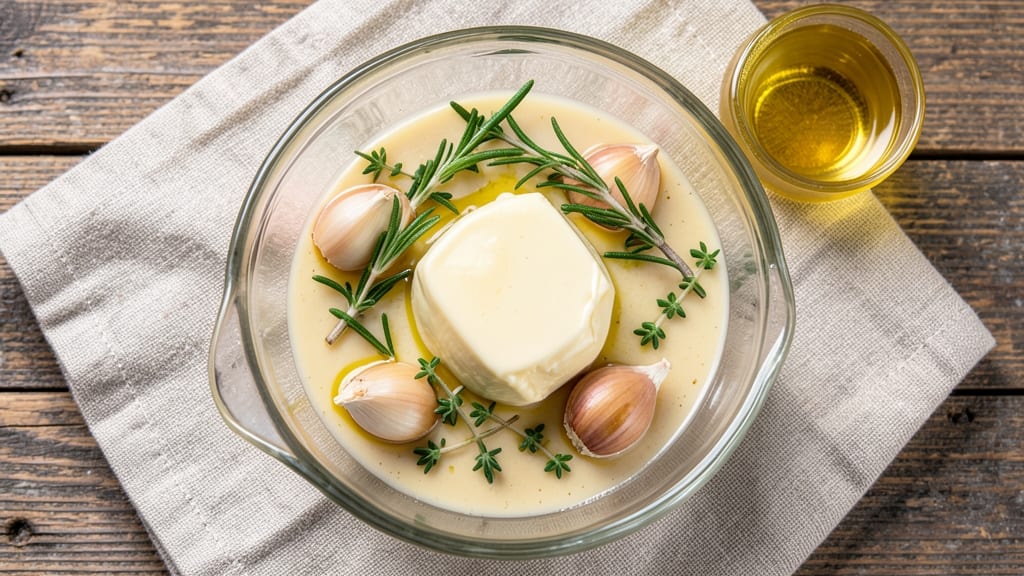
This chicken tender marinade recipe transforms ordinary chicken into golden, crispy bites with a buttery garlic-herb infusion that clings to every piece. The secret lies in the balance of acidity, fat, and aromatic herbs—creating a tenderizing bath that also builds a flavorful crust.
I developed this marinade after years of testing, and it never fails to deliver restaurant-quality results at home.
The foundation of this marinade is a rich blend of melted butter, minced garlic, and fresh herbs like thyme and rosemary, all suspended in a tangy mix of lemon juice and apple cider vinegar.
This combination tenderizes the chicken while infusing it with layers of savory, herby, and slightly sweet flavors. The marinade works best when applied to chicken tenders for at least 30 minutes, but I often let it sit overnight for maximum tenderness and flavor penetration.
What you’ll achieve is chicken that’s impossibly crispy on the outside and fork-tender inside, with a golden-brown crust that’s impossible to resist. The marinade’s buttery richness adds depth, while the garlic and herbs create a fragrant aroma that fills your kitchen.
This isn’t just a marinade—it’s the game-changer that elevates simple chicken tenders into a standout dish.
Use this marinade for grilled, baked, or air-fried chicken tenders, and store any leftovers in the refrigerator for up to 5 days. The flavors only deepen with time, making it perfect for meal prep or spontaneous dinners. Here’s everything you need to create it.
Ingredients for chicken tender marinade
Eight simple ingredients blend into a marinade that turns plain chicken into crispy perfection.
| Ingredient | Amount | Notes |
|---|---|---|
| Unsalted Butter 🧈 | ½ cup | Melted and cooled slightly |
| Garlic Cloves 🧄 | 4 cloves | Minced finely for even flavor |
| Fresh Thyme Leaves 🌿 | ¼ cup | Chopped, stems removed |
| Fresh Rosemary 🌿 | 2 tbsp | Finely chopped, fresh preferred |
| Lemon Juice 🍋 | ¼ cup | Freshly squeezed |
| Apple Cider Vinegar 🍎 | ¼ cup | Balances acidity and flavor |
| Dijon Mustard 🥬 | 1 tbsp | Adds depth and tenderness |
| Sea Salt 🧂 | 1 tsp | Fine grain preferred |
| Ground Black Pepper 🌶️ | ½ tsp | Freshly ground for best flavor |
The butter is non-negotiable—it's what creates that golden crust and buttery richness. Use unsalted butter so you control the saltiness, and melt it gently (microwave 40 seconds, then let cool). For garlic, freshly minced is best, but jarred works in a pinch. I grab my herbs from Whole Foods or the grocery store's fresh section—look for vibrant green thyme and rosemary with no brown stems. The lemon juice and apple cider vinegar should be fresh; if your vinegar smells funky, toss it. Dijon mustard adds that extra layer of flavor that makes this marinade special.
No fresh rosemary? Dried works at half the amount, but it won't have the same aroma. Short on butter? Olive oil plus a splash of milk mimics the fat content. The vinegar can be swapped for white wine vinegar, but apple cider gives that subtle sweetness. If you're making this ahead, store the dry ingredients (herbs, salt, pepper) separately until ready to mix—keeps everything fresher longer. The mustard is key for tenderness, so don't skip it (or use whole-grain mustard for extra texture).
This marinade keeps for 5 days in the fridge once mixed, but the flavors actually improve after 24 hours. Store it in a sealed jar, and shake before using. For extra crispiness, let the chicken marinate in the fridge for at least 30 minutes, but overnight is ideal. I always double the batch—one for immediate use, one to freeze for up to 3 months. The frozen marinade works perfectly for quick weeknight dinners.
Why You'll Love This Recipe
- Five-Ingredient Magic: I swear by this combo—just butter, garlic, herbs, and lemon. No fancy pantry trips, no measuring cups of mystery spices. Honestly, my grocery list for this marinade is shorter than my patience on busy nights.
- Crispy-Creamy Balance: The butter bastes into that golden crust while garlic and rosemary sear into the chicken. That crispy edge with the creamy center? My kids fight over the last piece, and I don’t even pretend to judge.
- Weeknight to Weekend: Same marinade works for Tuesday’s quick dinner or Sunday’s potluck spread. Double the batch, toss in extra lemon for brightness, and it’s ready whether you’re feeding two or six. (Yes, even on a Tuesday night.)
- Leftovers That Don’t Suck: Marinate overnight, cook once, and reheat for days—no dry chicken in sight. The rosemary keeps it fragrant, the butter keeps it juicy, and my lunchbox gets a hero’s welcome every time. Budget-friendly? More like budget-smart.
Instructions for buttery garlic-herb chicken tender marinade
This marinade transforms simple chicken tenders into golden, crispy bites with tender interiors.
Melt and Cool the Butter
Place the 0.5 cup unsalted butter in a microwave-safe bowl and melt it in 30-second intervals on medium power, stirring between each interval. This prevents burning while ensuring complete melting. Once fully melted, let it cool for 10 minutes until it reaches about 100°F—warm enough to blend smoothly but not so hot it cooks the garlic.
I like to test the temperature by touching the back of my hand—it should feel warm but not scalding. This step is crucial because cold butter creates lumps in the marinade, while hot butter can turn the garlic bitter. The slightly cooled butter will create a luxurious, velvety texture that clings perfectly to the chicken.
Combine Wet Ingredients
In a medium bowl, whisk together the cooled butter, 0.25 cup lemon juice, 0.25 cup apple cider vinegar, and 1 tablespoon Dijon mustard until fully combined. The acidity from the lemon juice and vinegar will help tenderize the chicken while balancing the richness of the butter. The Dijon mustard adds a subtle depth that rounds out the flavors beautifully.
This mixture should be smooth and homogeneous—no streaks of butter or clumps of mustard. If you notice any separation, whisk vigorously for another 30 seconds. The tangy-sweet balance here is what makes this marinade work so well for crispy yet tender results. Taste a small spoonful—it should be bright, slightly acidic, and rich all at once.
Incorporate Herbs and Aromatics
Add the 4 minced garlic cloves, 0.25 cup chopped fresh thyme leaves, and 2 tablespoons finely chopped fresh rosemary to the wet mixture. Stir well to distribute the herbs evenly throughout. The garlic should be minced finely—you should barely be able to see the individual pieces. Fresh herbs are essential here; dried herbs won't provide the same vibrant flavor.
Let the mixture sit for 5 minutes while you prepare your chicken. This brief resting period allows the flavors to meld together, creating a cohesive marinade. You'll notice the garlic softens slightly and the thyme and rosemary release their aromatic oils. This is when the marinade truly comes together—it should smell bright, herby, and slightly garlicky with a hint of citrus.
Season and Marinate the Chicken
In a separate bowl, combine the chicken tenders with the herb-butter mixture. Add the 1 teaspoon sea salt and 0.5 teaspoon ground black pepper, then toss everything gently but thoroughly to coat each tender evenly. Place the bowl in the refrigerator and let the chicken marinate for at least 2 hours, or up to 8 hours for maximum flavor penetration.
The longer the chicken sits in this marinade, the more tender and flavorful it becomes. The acidity in the lemon juice and vinegar works to break down the muscle fibers, while the butter and herbs infuse the meat with their rich, aromatic qualities. For best results, turn the chicken tenders occasionally during the marinating process to ensure even coating. When ready to cook, the chicken should be fully coated and the marinade should have a beautiful, golden hue from the herbs.
Cook for Crispy Perfection
Heat a skillet over medium-high heat and add the marinated chicken tenders in a single layer, leaving space between each piece. Cook for 3-4 minutes per side until the chicken reaches an internal temperature of 165°F and the edges are golden brown and crispy. The butter in the marinade will create a beautiful, glossy crust that's both flavorful and satisfying.
Don't overcrowd the pan—this is key to achieving that perfect crispy texture. If you need to cook in batches, let the chicken rest for 2 minutes between batches to maintain even cooking. The chicken should be golden on the outside with a juicy, tender interior. Serve immediately with your favorite dipping sauce or enjoy as-is while still warm and crispy.
Pro Tips For Making Chicken Tender Marinade
- Melt the Butter Slowly: If you dump cold butter into a hot pan and stir, you’ll end up with a greasy mess instead of a silky, flavorful base. Instead, melt the butter over medium-low heat—just until it’s liquid but not browning—then let it cool slightly before adding garlic and herbs. This keeps the butter from cooking the garlic too fast (which burns it into oblivion) and lets the herbs release their oils properly.
- Smash the Garlic First: Whole garlic cloves in butter? They’ll just sit there like decorative rocks. Use the flat side of your knife to smash each clove lightly before adding it—this exposes more surface area so the flavor infuses faster. No food processor? A rolling pin works too. (And yes, this is the difference between "meh" and "wow.")
- Don’t Skip the Lemon Zest: Lemon juice is great, but the zest is where the magic hides. Use a microplane to add a thin strip of zest along with the juice—it brightens the whole marinade without overpowering. I learned this the hard way by tasting a batch without it; the difference is like night and day. (Store-bought zest? Squeeze it fresh—it’s not the same.)
- Marinate for 30 Minutes Max: Chicken tender marinades with citrus and butter aren’t meant to soak overnight—they’re designed for quick flavor infusion. Any longer, and the acid in the lemon will start breaking down the meat, turning it rubbery. Thirty minutes is perfect: enough time for the herbs and butter to work their magic, but not so long you ruin the texture. (Yes, even if you’re impatient like me.)
Troubleshooting this dish
Butter Separation Fix
If your marinade looks curdled or greasy after mixing, it’s likely from butter separating due to temperature extremes. To fix this, gently reheat the mixture in a bowl set over warm (not hot) water for 30 seconds, then whisk vigorously until smooth.
The heat helps re-emulsify the butter. For prevention, always cool melted butter to 100°F before mixing—never use it straight from the microwave. This keeps the marinade silky and cohesive. 🧈
Herb Flavor Fading
Fresh herbs can lose potency if mixed too early. If your marinade smells weak after an hour, add 1 extra tablespoon fresh rosemary or 1 teaspoon fresh thyme just before using. For long-term storage, store herbs separately from the wet ingredients until ready to mix.
I keep my herbs in a sealed container in the fridge to preserve their aroma. The key is timing—add them last to maintain maximum flavor impact. 🌿
Marinade Too Thin
A watery marinade usually means too much acid (lemon or vinegar) or not enough fat (butter). To thicken it, whisk in 1 tablespoon cornstarch or arrowroot powder mixed with 1 tablespoon cold water until smooth.
For prevention, measure your acids carefully—stick to the 0.25 cup total ratio. If you’re using store-bought lemon juice with added water, reduce by 1 tablespoon to compensate. 💧
Chicken Not Tenderizing
If your chicken stays tough after marinating, it might be overcooked or not marinated long enough. The acid in this recipe works best with 2-8 hours of marinating time. For extra tenderness, add 1 teaspoon honey or brown sugar to the marinade to help break down fibers.
Also, ensure your chicken is room temperature before marinating—cold meat absorbs flavors poorly. 🍯
Burnt Garlic Flavor
Garlic can turn bitter if cooked in hot butter. To avoid this, always use cooled butter (100°F) when mixing. If you accidentally overheat the butter, let it cool completely before adding garlic.
For extra protection, add the garlic and herbs after the wet ingredients are combined. This keeps their delicate flavors intact and prevents bitterness. 🧄
Marinade Storage Issues
If your stored marinade develops mold or an off smell, it’s gone bad. To maximize freshness, store the wet ingredients (butter, lemon, vinegar) and dry ingredients (herbs, salt, pepper) separately in airtight containers. Refrigerate for up to 5 days or freeze for 3 months.
When ready to use, combine and shake well. Never store the fully mixed marinade with raw chicken—always transfer the chicken to a clean container before refrigerating. ❄️
Nutrition facts
Frequently asked questions
Can I use this marinade for other types of chicken?
This buttery garlic-herb marinade works beautifully on chicken breasts, thighs, or even drumsticks. For thicker cuts like thighs, marinate for 4-6 hours to ensure deep flavor penetration. The acidity and fat balance makes it versatile for any boneless chicken piece, though it's specifically designed for tender cuts like tenders.
How long should I marinate chicken tenders for maximum flavor?
The ideal marinating time is 2-8 hours in the refrigerator. For best results, let them sit overnight (8-12 hours) for restaurant-quality tenderness and flavor. Never exceed 12 hours as the acid can start breaking down the meat fibers too much.
Can I make this marinade without butter?
Yes, but the texture and flavor will differ. Replace the butter with 0.5 cup olive oil plus 1 tablespoon milk to mimic the fat content. The marinade will be less rich but still effective. For extra tenderness, add 1 teaspoon honey to help break down the meat fibers.
What's the best way to store leftover marinade?
Store unused marinade in an airtight container in the fridge for up to 5 days or freeze for 3 months. Keep the wet ingredients (butter, lemon, vinegar) and dry ingredients (herbs, salt, pepper) separate until ready to use. Always discard any marinade that's been in contact with raw chicken.
Will this marinade work for grilling instead of pan-searing?
This marinade is perfect for grilling. Let the chicken sit in the marinade for at least 2 hours, then grill over medium-high heat for 4-5 minutes per side until internal temp reaches 165°F. The butter creates a beautiful crust even on the grill, and the herbs add great smoky depth.