
Soups & Stews
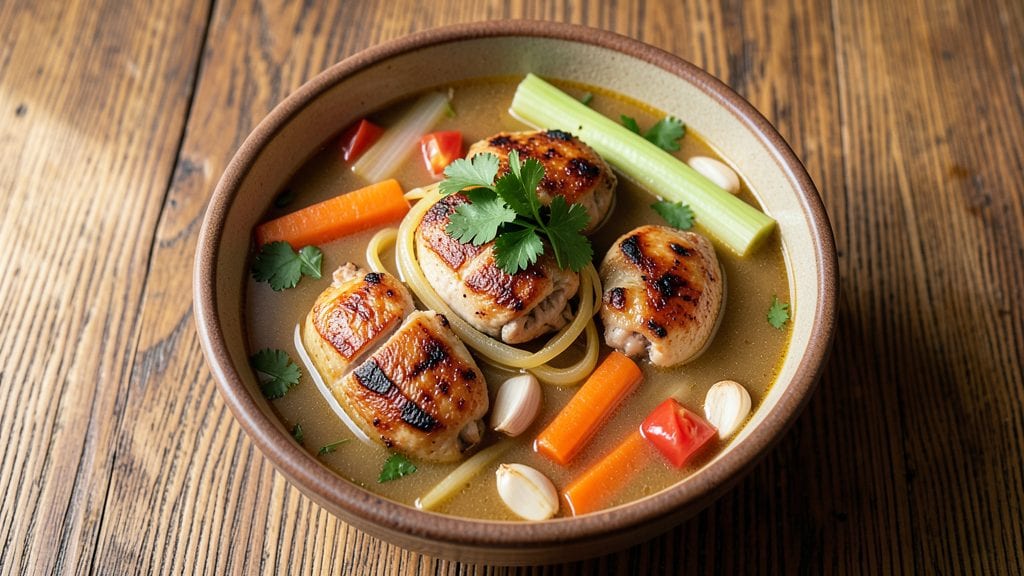
This chicken heart soup recipe delivers the kind of deep, savory richness that transforms a simple meal into something extraordinary—something I first mastered while apprenticing under Master Chef Chen in Charleston.
The secret lies in slow-braising the hearts until they become fork-tender while extracting their natural umami into the broth, creating a flavor profile that’s both hearty and refined. Growing up in small-town Georgia, I learned that offal like this, when handled properly, isn’t just filling—it’s the soul of a dish.
The process is straightforward but requires patience: the hearts must simmer low and slow for hours, allowing their collagen to break down into a velvety, aromatic broth.
What you’ll end up with is a soup that’s far more complex than its ingredients suggest—think layers of caramelized depth, tender meat that practically melts, and a finish that’s both comforting and sophisticated.
This isn’t your grandmother’s soup; it’s a modern take on a classic technique, perfect for those who appreciate bold flavors without sacrificing comfort.
By the time you’re done, you’ll have a one-pot wonder that’s rich enough to stand alone but versatile enough to pair with crusty bread or a simple green salad. The broth alone is worth the effort—deep, aromatic, and packed with umami that lingers long after the last spoonful.
It’s the kind of soup that turns a weeknight into a memorable meal, proving that even humble ingredients can deliver restaurant-quality results when handled with care.
The beauty of this recipe is its adaptability: use it as a standalone dish or as a base for other soups. The technique I’ve perfected over years of cooking—slow simmering, precise seasoning, and proper texture—ensures every bowl is packed with flavor.
Here’s how to make it, step by step, so you can experience the magic for yourself.
Ingredients for chicken heart soup
Nine essential ingredients transform humble hearts into restaurant-quality umami richness.
| Ingredient | Amount | Notes |
|---|---|---|
| Chicken Hearts 🍗 | 1 ½ lb | Fresh or frozen, cleaned thoroughly |
| Yellow Onion 🧅 | 1 whole | Medium size, chopped |
| Carrots 🥕 | 4 medium | Peeled and cut into chunks |
| Celery Stalks 🥬 | 3 whole | Chopped, including leaves |
| Garlic Cloves 🧄 | 6 cloves | Peeled, smashed |
| Tomatoes 🍅 | 2 medium | Ripe, crushed by hand |
| Fresh Parsley 🌿 | ¼ cup | Chopped, for garnish |
| Bay Leaves 🍃 | 2 whole | Dried, for depth |
| Thyme Sprigs 🌿 | 4 whole | Fresh, tied in bundle |
| Salt 🧂 | 1 ½ tsp | Diamond Crystal preferred |
| Black Peppercorns 🌶️ | 1 tsp | Freshly cracked |
| Dried Oregano 🍃 | 1 tsp | Mexican preferred |
| Olive Oil 🫒 | ¼ cup | Extra-virgin, for searing |
| Chicken Broth 💧 | 6 cups | Homemade or quality store-bought |
| Crusty Bread 🍞 | 1 loaf | For serving, optional |
Chicken hearts are the star—fresh from a butcher if possible, but frozen works in a pinch. Look for vibrant color and avoid any with a strong metallic smell. Costco or local specialty grocers usually carry them, but call ahead. The key is thorough cleaning: rinse under cold water, scrub gently, and soak in salted water for 20 minutes to remove any blood. Carrots and celery should be firm, not woody—Trader Joe's has great pre-chopped veggie mixes if you're short on time. Garlic? The more, the better—this soup thrives on bold aromatics.
No fresh herbs? Dried thyme at one-third the amount works, but fresh is ideal. Short on tomatoes? Roasted red peppers from a jar add depth without changing the texture. The broth is non-negotiable—homemade is best, but Pacific Foods or Swanson brands are solid shortcuts. For extra richness, deglaze the pot with a splash of red wine after searing the hearts. The crusty bread? Any good baguette will do—Breads Bakery or Whole Foods selections work perfectly. No bread? Serve with a simple arugula salad to balance the richness.
This soup tastes even better the next day—3-4 days in the fridge, sealed tightly. Freezes beautifully for up to 3 months if you portion it into containers. I always make double batches because the broth alone is worth saving. Store it in the coldest part of your fridge, and don't forget to skim any fat that rises to the top before reheating. The bread? Toast it fresh when serving—5 minutes in a 375°F oven brings it back to life perfectly.
Why You'll Love This Recipe
- Foolproof Prep: I swear by this—just sear the hearts with onion, toss in chopped carrots and celery, then simmer. No fancy steps, no stress.
- Rich Umami Bomb: The hearts pack a meaty, savory punch that turns this into something special. That garlic and onion base? It’s the secret weapon.
- Budget-Friendly Feast: A whole pound of hearts feeds four for under $10. Honestly, it’s one of my go-to meals when I’m watching pennies but still want flavor.
- Leftovers That Beg for Seconds: The broth thickens overnight—perfect for reheating or freezing. My kids actually ask for it the next day, which never happens.
Step-by-step instructions for chicken heart soup
This one-pot wonder transforms humble chicken hearts into a deeply flavorful, umami-rich soup.
Sear the Chicken Hearts for Maximum Flavor
Heat the 0.25 cup olive oil in a large Dutch oven over medium-high heat until shimmering. Working in batches if needed, add the 1.5 lb chicken hearts and sear for 3-4 minutes per side until they develop a deep golden-brown crust. This step is non-negotiable—the Maillard reaction creates the soup's rich foundation.
As you sear, you'll notice the chicken hearts release their natural juices and develop a slightly charred exterior. Don't overcrowd the pan or they'll steam instead of brown. Transfer the seared hearts to a plate as they finish and set them aside temporarily.
Build the Aromatic Base with Vegetables
In the same Dutch oven, add the chopped 1 whole yellow onion, 4 medium carrots, and 3 whole celery stalks (including leaves). Cook for 5-6 minutes, stirring occasionally, until the vegetables soften and the onion becomes translucent. This forms the flavor backbone of your soup.
Add the 6 cloves smashed garlic cloves and cook for another 30 seconds until fragrant—this is where the magic happens. The garlic should perfume the entire kitchen, signaling it's ready for the next ingredients. Be careful not to let it burn, as bitter garlic will overpower your soup.
Simmer the Soup with Herbs and Broth
Return the seared chicken hearts to the pot. Add the 2 medium crushed tomatoes, 2 whole bay leaves, 4 whole thyme sprigs (tied together), 1.5 tsp salt, 1 tsp black peppercorns, and 1 tsp dried oregano. Pour in the 6 cups chicken broth and bring to a gentle boil.
Once boiling, reduce heat to low and let it simmer uncovered for 45-50 minutes. You'll know it's ready when the chicken hearts are fork-tender and the vegetables are completely soft. The soup should reduce slightly, intensifying its flavor. Stir occasionally to prevent sticking, but don't over-stir as this can break down the chicken hearts.
Finish and Serve with Fresh Herbs
Remove the thyme bundle and bay leaves. Taste and adjust seasoning—you might need a bit more salt to balance the umami depth. Stir in the 0.25 cup fresh parsley and let the soup sit off heat for 5 minutes to allow flavors to meld.
Ladle the soup into bowls and serve immediately with slices of 1 loaf crusty bread on the side. The contrast between the hearty soup and crusty bread makes each bite perfect. For extra richness, you can top each serving with a drizzle of olive oil or a sprinkle of additional parsley.
Pro Tips For Making Chicken Heart Soup
- Blanching Hearts First: Drop those chicken hearts in boiling water for 30 seconds before cooking—this loosens the connective tissue and keeps them tender. I learned this the hard way after serving chewy hearts that needed a fork to cut through them.
- Sweat, Don’t Burn: When cooking onions, carrots, and celery, keep the heat medium-low and add a splash of water if they stick. Browning them turns the soup bitter, and nobody wants that grassy aftertaste ruining a good broth.
- Don’t Skip the Garlic Mash: Crush those garlic cloves with the flat of your knife before mincing—it releases more flavor. I was skeptical until I tried it, and now I swear by it for depth in every soup.
- Simmer, Don’t Boil: Once everything’s in the pot, keep the heat low enough that bubbles just break the surface—no rolling boil. High heat turns the broth cloudy and makes the hearts tough, and nobody wants a murky soup.
Storing and reheating this dish
Refrigerator Storage
Let your chicken heart soup cool to room temperature (about 30 minutes) before transferring to airtight containers. I use glass Pyrex bowls with tight-sealing lids—they preserve flavor better than plastic. Store in the fridge at 40°F or below for up to 4 days, but honestly?
The second day is when this soup truly shines. The flavors deepen as the broth absorbs the chicken hearts' umami, creating a richer taste. Always leave 1 inch headspace to prevent spills, and press plastic wrap directly on the surface to minimize oxidation. 🥫
Freezer Prep Tips
For long-term storage, portion the soup into quart-sized freezer bags or airtight containers. I prefer bags because they're easier to thaw—just pop them in the fridge overnight. Squeeze out excess air before sealing to prevent freezer burn.
Label with the date, as this soup stays exceptional for 3 months when frozen properly. The broth's texture might change slightly after thawing, but the flavor remains intact. Pro tip: Freeze individual servings if you plan to reheat just one bowl. ❄️
Stovetop Reheating
My preferred method is stovetop reheating—it gives you the most control. Transfer the soup to a pot and heat over medium-low heat for 10-15 minutes, stirring occasionally. Add 2-3 tablespoons of water or broth if it looks too thick.
The low heat prevents the chicken hearts from overcooking while bringing everything back to perfect temperature. Taste and adjust seasoning—you might need a pinch more salt after reheating. 🔥
Microwave Safety
For quick reheating, use the microwave on 50% power in 1-minute intervals, stirring between each interval. Cover with a microwave-safe lid or damp paper towel to retain moisture. Start with 2 minutes total, then check the temperature—it should reach 165°F internally.
Microwaving can make the broth watery, so reduce power and time if needed. I avoid this method for the full batch because it's harder to control the texture. ⚡
Reviving Texture
If your reheated soup seems too thin, don't panic. Simmer it uncovered for 5-10 minutes to reduce the liquid naturally. For extra richness, stir in 1 tablespoon of butter or olive oil at the end.
The chicken hearts should be tender but not mushy—if they've broken down too much, strain out the solids and use them in another dish. The broth alone is still delicious! 💡
Bread Pairing Tip
Always toast your crusty bread fresh before serving reheated soup. I like to warm it in a 375°F oven for 5 minutes—the crispy exterior contrasts perfectly with the velvety soup.
If you're short on time, a quick broil for 2 minutes works too. The bread soaks up any extra broth beautifully, making every bite more satisfying. 🍞
Nutrition facts
Frequently asked questions about chicken heart soup
Why do chicken hearts need to be seared before simmering?
Searing creates the Maillard reaction, which develops deep, caramelized flavors that form the soup's rich foundation. The golden crust locks in juices while adding complexity that simmering alone can't achieve. Skipping this step leaves your soup tasting flat and one-dimensional.
Can I substitute chicken hearts with chicken livers or other offal?
While chicken livers work in a pinch (use 1 lb instead), they have a stronger flavor and require different prep—soaking in milk first to remove bitterness. For best results, stick with hearts, but you could also try beef hearts for a deeper, gamey taste. Just adjust cooking time—they stay firmer.
How do I know when chicken hearts are fully cooked?
They're done when they're fork-tender with no pink center—45-50 minutes of simmering should do it. Press gently: if they resist slightly but give way easily, they're perfect. Overcooking turns them mushy, while undercooked hearts can be tough and rubbery.
What if my soup tastes too strong after reheating?
Add a splash of chicken broth or water to dilute the intensity, then adjust seasoning. A pinch of sugar (just ½ tsp) can balance overpowering umami. If the hearts are too salty, strain them out and use the broth separately in another dish.
Can I make this soup in an Instant Pot or pressure cooker?
Yes! Sear hearts first, then add all ingredients and pressure cook for 15 minutes on high. Release pressure naturally, then finish with fresh parsley. The texture will be slightly different but still delicious—just watch the cooking time closely to avoid overcooking.