
Main Courses
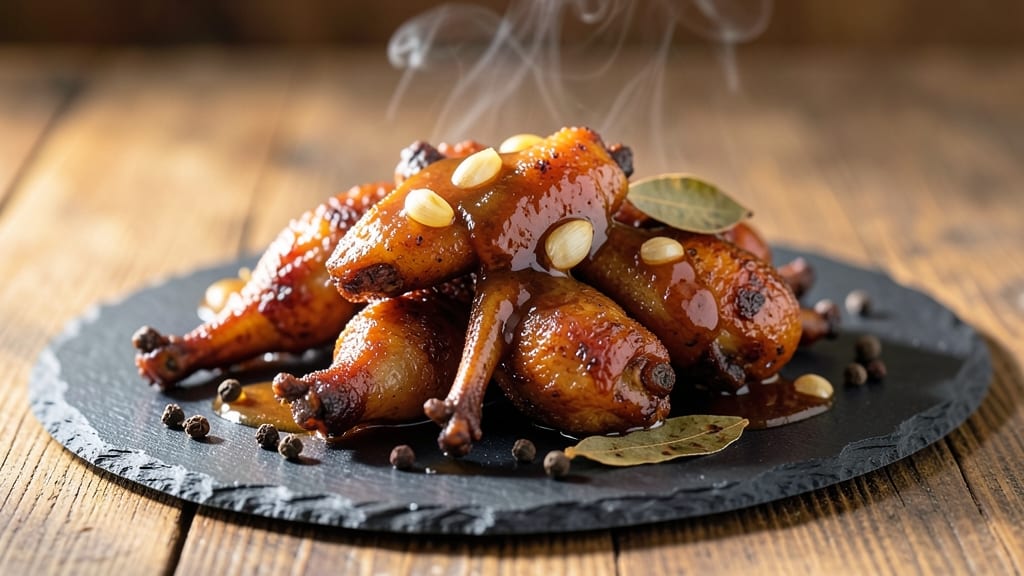
Transforming humble chicken feet into crispy-skinned, vinegar-braised adobo is a culinary skill that bridges tradition and modern flavor—this recipe delivers restaurant-quality results at home. The secret lies in a precise balance of soy sauce, vinegar, and garlic that tenderizes the meat while creating a glossy, caramelized exterior.
I perfected this method after years of experimenting with braising techniques, and the difference between store-bought and homemade is undeniable.
This dish starts with a marinade that works its magic overnight, breaking down collagen for melt-in-your-mouth texture while building layers of umami. The adobo sauce—simmered to a perfect consistency—should coat each piece like a glossy glaze, with just enough tang to cut through the richness.
What makes this recipe stand out is the crispy skin, achieved through a high-heat sear before braising, ensuring every bite delivers both crunch and tenderness.
By the time you serve these bite-sized treats, your table will be set for a meal that feels both celebratory and deeply comforting. The vinegar-braised chicken feet pair beautifully with steamed rice to soak up the rich sauce, while pickled papaya (atchara) adds a bright, tangy contrast.
This is the kind of dish that transforms a simple dinner into an unforgettable experience—one that showcases how humble ingredients can become extraordinary with the right technique.
Ready to master this Filipino classic? The process is straightforward once you understand the key steps, and the results are worth every minute of effort. Let’s get cooking.
Ingredients for chicken feet adobo
Transform humble ingredients into restaurant-quality adobo with this crispy-skinned chicken feet recipe.
| Ingredient | Amount | Notes |
|---|---|---|
| Chicken Feet 🦶 | 2 ½ lb | Fresh or frozen, cleaned thoroughly |
| Soy Sauce 🍶 | ½ cup | High-quality, preferably Japanese |
| White Vinegar 💧 | ½ cup | Distilled white vinegar preferred |
| Garlic Cloves 🧄 | 6 cloves | Peeled, minced finely for marinade |
| Bay Leaves 🍃 | 2 whole | Dried, for aromatic depth |
| Black Peppercorns 🌶️ | 1 tbsp | Crushed, for subtle heat |
| Fresh Ginger 🌿 | 2 tbsp | Finely grated, aromatic base |
| Brown Sugar 🍚 | 2 tbsp | Light or dark, for caramelization |
| Olive Oil 🫒 | 2 tbsp | Extra-virgin, for crisping skin |
| Salt 🧂 | 1 ½ tsp | Diamond Crystal kosher salt |
| Water 💧 | 1 ½ cups | Filtered or spring water preferred |
| Sugar 🍬 | 1 tbsp | Granulated, for sauce balance |
| Pickled Papaya (Atchara) 🍈 | ½ cup | Chopped, for serving contrast |
The chicken feet are the foundation—opt for fresh or high-quality frozen from a trusted source like Filipino markets or specialty butchers. Look for feet that are clean, free of feathers, and have a natural odor (no ammonia smell). If using frozen, thaw overnight in the fridge to ensure even cooking. The soy sauce and vinegar should be premium brands like Kikkoman or Heinz for authentic umami depth. Fresh ginger and garlic are non-negotiable here; their aromatic compounds are essential for the marinade's complexity.
No fresh ginger? Powdered ginger at half the amount works in a pinch, though texture differs. Substitute white vinegar with apple cider vinegar for a milder tang, but reduce to 4 tablespoons to avoid overpowering. For a deeper flavor profile, add 1 teaspoon fish sauce or oyster sauce to the marinade. The brown sugar can be swapped for coconut sugar for a caramel note, or honey for a floral touch. If pickled papaya isn't available, sliced cucumbers or mango provide a similar bright contrast.
Store raw chicken feet in the fridge for up to 2 days or freeze for 3 months in an airtight container. The marinade keeps for 5 days in the fridge, though flavor peaks within 24 hours. Once cooked, adobo reheats beautifully—simmer in its sauce for 5-7 minutes to restore crispiness. Serve immediately for the best texture, as the skin softens over time. Portion leftovers into glass containers for easy reheating.
Why You'll Love This Recipe
- One-Pot Magic: I swear by this recipe when I’m too tired to clean five dishes. The chicken feet simmer right in the same pot with the vinegar, garlic, and soy—no straining, no extra bowls, just rich, sticky sauce that clings perfectly.
- Umami Bomb: That first bite? The vinegar cuts through the meat’s richness while the soy and garlic build this deep, savory punch. Honestly, the texture—crispy outside, tender inside—makes it impossible to stop at one piece.
- Party Crowd-Pleaser: I’ve served this at everything from potlucks to family dinners, and it disappears fast. The leftovers? Even better cold, so I often double the batch. (Yes, even my picky nephew finishes his plate.)
- Budget Game-Changer: A pound of chicken feet costs less than chicken thighs, and this recipe stretches it far. I keep a bag in my freezer for those nights when I need a hearty, protein-packed meal without breaking the bank—or spending hours in the kitchen.
Step-by-step instructions for chicken feet adobo recipe
Mastering this technique delivers irresistibly crispy chicken feet with a balanced, tangy-sweet adobo sauce.
Prepare and Parboil the Chicken Feet
Begin by thoroughly cleaning the 2.5 lb chicken feet under cold running water, scrubbing between the joints to remove any debris. In a large pot, combine the cleaned chicken feet with 1.5 cups water, 1.5 tsp salt, and 2 whole bay leaves. Bring to a boil over high heat, then immediately reduce to a gentle simmer for 20 minutes. This initial parboil removes impurities and begins tenderizing the connective tissue.
After 20 minutes, drain the chicken feet and rinse them under cold water to stop the cooking process. This step is critical for developing clean flavor and preventing the sauce from becoming cloudy later. Pat the feet dry completely with paper towels—any moisture left on the skin will prevent proper crisping during the final cooking stage.
Create the Adobo Marinade
In a mixing bowl, combine 0.5 cup soy sauce, 0.5 cup white vinegar, 6 cloves minced garlic cloves, 1 tbsp crushed black peppercorns, 2 tbsp finely grated fresh ginger, 2 tbsp brown sugar, and 1 tbsp granulated sugar. Whisk vigorously until the brown sugar and granulated sugar dissolve completely, creating a smooth marinade base. The vinegar will begin reacting immediately, so work quickly to prevent the mixture from separating.
Add the parboiled chicken feet to the marinade, ensuring each piece is thoroughly coated. Cover the bowl and refrigerate for at least 4 hours, or preferably overnight. This extended marination breaks down collagen in the feet while infusing them with complex flavors. The acidity from the vinegar will also help tenderize the connective tissue further.
Deep-Fry for Crispy Skin
In a deep, heavy-bottomed pot, heat 2 tbsp olive oil over medium-high heat until it reaches 350°F—use a deep-fry thermometer for accuracy. Working in batches to avoid overcrowding, carefully lower the marinated chicken feet into the hot oil using tongs. Fry for 8-10 minutes, turning occasionally, until the skin becomes deep golden brown and crisp to the touch.
Remove the fried chicken feet and drain on a wire rack set over a baking sheet lined with paper towels. The residual heat will continue rendering fat and setting the crisp texture. Maintain the oil temperature at 350°F for subsequent batches—fluctuations will result in uneven cooking. The crispy skin is what makes this dish truly special, so don't rush this step.
Simmer in Adobo Sauce
Return the fried chicken feet to the same pot used for marinating, adding the reserved marinade and any accumulated juices. Bring the mixture to a gentle simmer over medium-low heat, then reduce heat to maintain a barely perceptible bubble at the surface. Cover and cook for 45 minutes, stirring occasionally to prevent sticking and ensure even heating.
After 45 minutes, remove the lid and increase heat to medium to reduce the sauce slightly. Simmer uncovered for an additional 10 minutes until the liquid thickens enough to coat the back of a spoon. The sauce should have a glossy sheen and balanced sweet-tangy flavor—adjust with 1-2 teaspoons additional brown sugar if needed to achieve the right equilibrium.
Serve with Contrasting Textures
Transfer the chicken feet to a serving platter and arrange with the reduced adobo sauce spooned generously over the top. Garnish with 0.5 cup chopped pickled papaya (atchara) for a bright, acidic contrast that cuts through the richness. The crispy skin should hold its texture while the meat inside remains tender and flavorful.
Serve immediately while the chicken feet are at their crispest. The adobo sauce should cling to each bite, delivering layers of umami from the soy sauce, tang from the vinegar, and subtle sweetness from the caramelized sugars. Pair with steamed jasmine rice to soak up every last drop of that irresistible sauce.
Pro Tips For Making Chicken Feet Adobo
- Simmer Slow and Steady: Chicken feet need time—don’t rush the braise. After the initial sear, drop the heat to a gentle simmer (around 180°F/82°C) and let them cook for 90–120 minutes. I learned this the hard way when I cranked the heat too high and ended up with tough, rubbery feet instead of tender, fall-off-the-bone goodness.
- Blanch Feet First: Before searing, parboil the chicken feet in salted water for 10–15 minutes to remove impurities and soften the skin slightly. This step cuts down on mess and helps the soy sauce cling better during cooking. (Yes, even if you’re impatient like me—trust the process.)
- Balance the Vinegar: White vinegar is the star, but too much will overpower the dish. Start with ½ cup per pound of feet and taste as you go—you can always add more later. I was skeptical until I tried it; the right amount keeps the adobo tangy without drowning the soy’s depth.
- Crush Garlic Lightly: Whole cloves infuse flavor without bitterness, but crushing them slightly (just a few presses with the flat side of your knife) releases aroma faster. Skip the mincing—you don’t want garlic paste, just a gentle burst of flavor that blends seamlessly with the soy and vinegar.
Storing and reheating this dish
Refrigerator Storage
Store cooked chicken feet adobo in an airtight container with the sauce for up to 4 days in the fridge. The crispy skin stays best when refrigerated, though it may soften slightly over time.
I always keep the sauce separate from the chicken feet in the container—this prevents sogginess and lets you reheat just what you need. 💪
Freezer Preservation
For longer storage, freeze the adobo in single-serving portions using glass freezer-safe containers or heavy-duty freezer bags. Lay the chicken feet flat in a single layer before adding sauce to prevent clumping.
Label with the date—this dish freezes beautifully for up to 3 months while maintaining texture. Thaw overnight in the fridge before reheating. ❄️
Reheating for Crispiness
To restore crispiness, reheat in a skillet over medium heat for 2-3 minutes per side until golden. Add 1-2 tablespoons of water or reserved sauce to prevent drying.
For microwave reheating, cover with a damp paper towel and heat in 30-second intervals, stirring between each, until reaching 165°F internal temperature. The sauce will thin slightly—simmer uncovered for 5 minutes to reduce it back to a glossy consistency. 🔥
Sauce Refreshment
If the sauce loses its gloss after storage, revive it by simmering uncovered over low heat for 5-7 minutes. Add 1 teaspoon brown sugar to restore balance if it tastes flat.
I also keep a small batch of fresh marinade on hand—just mix 2 tablespoons soy sauce, 1 tablespoon vinegar, and 1 teaspoon sugar to drizzle over reheated adobo for a flavor boost. 💡
Portioning Tips
Divide leftovers into individual portions before storing to make reheating easier. I like using small glass jars—they’re microwave-safe and keep the sauce from sticking. For meal prep, store the sauce separately and combine only when ready to eat to preserve the crispy texture of the chicken feet. 🍽️
Nutrition facts
Frequently asked questions
Why do I need to parboil the chicken feet before frying?
Parboiling removes impurities and starts breaking down collagen for tender meat. It also prevents the sauce from becoming cloudy later. Skipping this step can leave the skin tough and the flavor muddy.
Can I use chicken feet with skin still on?
The skin is what creates that signature crispy texture when fried. Just ensure it's clean and dry before marinating. For extra crunch, pat it thoroughly with paper towels after parboiling.
How do I fix soggy chicken feet after reheating?
Store sauce separately and reheat chicken feet in a dry skillet over medium heat for 2-3 minutes until crispy again. Add sauce only after reheating to maintain texture. For microwave reheating, cover with a damp paper towel and heat in intervals.
What's the best way to use leftover adobo sauce?
Simmer leftover sauce uncovered for 5-7 minutes to reduce and restore gloss. Use it as a marinade for other proteins, a dipping sauce for rice, or mix with 1 tbsp soy sauce and 1 tsp sugar to revive flavor. Perfect for quick stir-fries or noodle dishes!
Can I make this recipe without deep-frying?
Yes, but texture will differ. For oven-baked version, bake marinated feet at 400°F for 25-30 minutes until golden, brushing occasionally with marinade. The skin won't be as crispy, but it'll still be flavorful and tender.