Main Courses
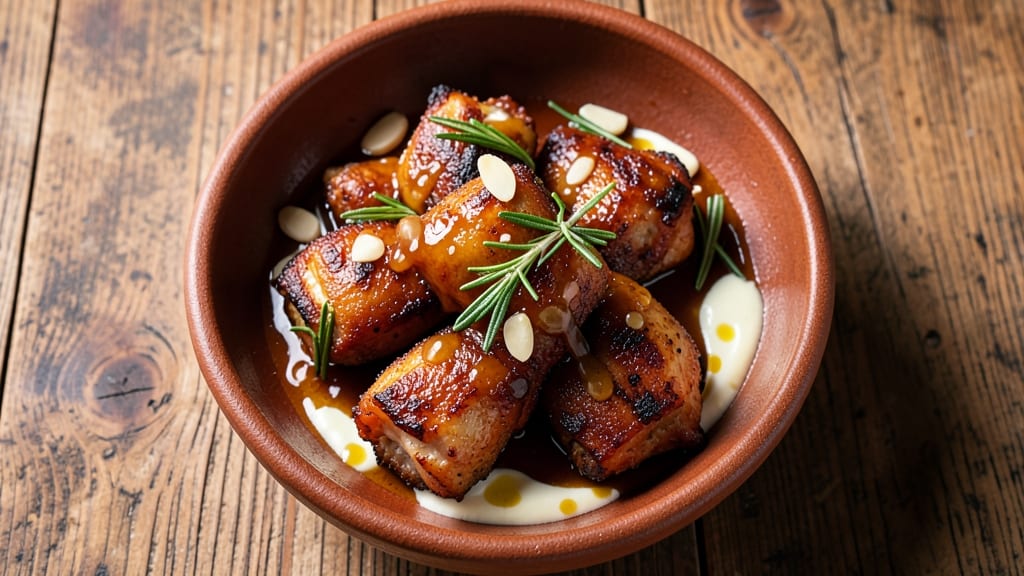
This chicken gizzard recipe delivers crispy-skinned, juicy bites that transform an often-overlooked protein into a star of your meal. After years of perfecting techniques—from cleaning to cooking—I’ve developed a method that ensures tender, flavorful gizzards every time, with a golden crust that holds up to any side dish.
The secret lies in proper preparation and high-heat cooking, which unlocks their natural richness without turning them into rubber.
What sets this recipe apart is the one-pan approach, which keeps cleanup minimal while delivering restaurant-quality results. You’ll start with fresh gizzards (properly cleaned, of course) and work through a marinade that tenderizes the meat and builds depth of flavor.
The key is patience—letting the marinade work while you prep the rest of your meal ensures the gizzards stay juicy, even with that crispy exterior. This method works for weeknight dinners or special occasions, proving that gizzards deserve a place on your table.
By the time you plate these crispy-skinned, juicy bites, you’ll have a dish that’s equal parts satisfying and impressive. The gizzards will be golden-brown on the outside, tender and moist within, with a flavor profile that’s savory, slightly gamey, and deeply satisfying.
Serve them with a bright lemon wedge or a sprinkle of fresh herbs to elevate their natural taste. The result? A complete meal that feels like a chef’s creation, all made in your own kitchen.
This recipe also works beautifully as part of a larger spread—pair it with roasted potatoes, a fresh salad, or crusty bread to soak up the juices.
Whether you’re cooking for family or treating yourself to a special meal, these gizzards will deliver the kind of hearty, flavorful satisfaction that makes home cooking worth every effort. Let’s get started on transforming this humble ingredient into something extraordinary.
Ingredients for chicken gizzard
Gather these fresh ingredients to transform humble gizzards into crispy, juicy bites that impress everyone at the table.
| Ingredient | Amount | Notes |
|---|---|---|
| Fresh Chicken Gizzards 🍗 | 1 ½ lb | Cleaned, trimmed, and patted dry |
| Butter 🧈 | ½ cup | Unsalted, melted with marinade |
| Extra-Virgin Olive Oil 🫒 | ¼ cup | For crispy skin development |
| Lemon Juice 🍋 | ¼ cup | Freshly squeezed, brightens flavor |
| Garlic Cloves 🧄 | 6 cloves | Minced, for deep flavor infusion |
| Fresh Rosemary 🌿 | ¼ cup | Chopped, aromatic depth |
| Fresh Thyme 🌿 | ¼ cup | Leaves only, earthy note |
| Salt 🧂 | 1 ½ tbsp | Kosher, for seasoning and curing |
| Black Pepper 🌶️ | 1 tsp | Freshly ground, enhances flavor |
| Paprika 🌶️ | 1 tbsp | Smoked, for color and depth |
| Dijon Mustard 🍯 | 1 tbsp | Adds tangy complexity |
| Fresh Lemon Wedges 🍋 | 4 whole | For serving, bright contrast |
| Fresh Parsley 🌿 | ⅛ cup | Chopped, garnish only |
The gizzards are the star—look for fresh, plump ones at your local butcher or grocery store meat counter. Costco or Whole Foods often carry them pre-cleaned, but if not, you'll need to clean them yourself (trust me, it's worth it). The key is to pat them completely dry before marinating—they'll crisp up much better. Fresh herbs like rosemary and thyme make all the difference here, so grab them from the store's produce section (the good stuff, not the sad wilting bunches). For the butter, unsalted is a must—it gives you full control over seasoning. If you can't find fresh gizzards, some specialty butchers sell them frozen—just thaw them overnight in the fridge.
No fresh rosemary? Dried works at one-third the amount, but fresh has that piney aroma that really elevates the dish. Running low on lemon juice? Lime juice works too, though it'll give a slightly different tang. The Dijon mustard adds depth—if you're out, a mix of regular mustard and a pinch of garlic powder gets you close. For the paprika, smoked is ideal, but sweet paprika will still give you that beautiful color. The olive oil is non-negotiable for crispy skin—don't substitute with vegetable oil. And if you're worried about the garlic smell lingering, peel and chop it right before mixing the marinade.
Marinated gizzards keep best in the fridge for up to 24 hours, though I recommend cooking them within 12 for peak tenderness. The crispy skin is best enjoyed fresh, so don't reheat these—make extra if you're planning leftovers. Store any unused fresh herbs in a jar with a damp paper towel for up to 5 days. The cooked gizzards reheat poorly, but they make fantastic sandwiches the next day. If you're prepping ahead, marinate the gizzards overnight—it's worth the extra time for maximum flavor.
Why You'll Love This Recipe
- One-Pan Magic: I swear by this recipe when I’m too tired to scrub pots—just sear the gizzards in olive oil, toss in garlic and lemon, and let butter do the rest. No chopping, no fuss, just hands-off crispy perfection.
- Garlic-Lemon Magic: That bright citrus cut through the richness of the butter, while the garlic—roasted until sweet—turns this into something restaurant-worthy. Honestly, my picky husband doesn’t even complain about the gizzards anymore.
- Weeknight Workhorse: It’s the dish I pull out when I need something hearty but don’t want to slave over it. Double the batch, store half for later, and reheat straight from the fridge—no soggy textures, just flavor that holds up.
- Budget Game-Changer: Gizzards are the secret weapon in my wallet. A pound feeds four, costs half as much as chicken thighs, and still delivers that deep, satisfying bite. (Yes, even on a Tuesday night.)
Step-by-step instructions for crispy-skinned, juicy chicken gizzards
Here's how to transform tough gizzards into golden, crispy bites with tender interiors.
Prepare the Gizzards for Maximum Flavor
Start by trimming any excess fat or membrane from the 1.5 lb fresh chicken gizzards using kitchen shears or a sharp knife. Rinse them thoroughly under cold water and pat completely dry with paper towels—this step is crucial for crispy skin. In a large bowl, combine the gizzards with 0.25 cup lemon juice, 1 tbsp Dijon mustard, 1 tbsp paprika, 1.5 tbsp salt, and 1 tsp black pepper. The acid in the lemon juice helps tenderize while the mustard and spices create a flavorful crust.
Let the gizzards marinate for at least 30 minutes at room temperature, turning occasionally. This ensures even flavor distribution and prevents dryness during cooking. If time allows, marinate overnight in the refrigerator for deeper flavor penetration. I like to keep the gizzards in a single layer in a shallow dish to ensure they absorb the marinade evenly.
Create the Crispy Skin Base
In a small saucepan, melt 0.5 cup butter over low heat until just liquid. Remove from heat and stir in 0.25 cup extra-virgin olive oil and the minced 6 cloves garlic. Let this mixture cool slightly while you prepare the herbs. In a separate bowl, finely chop 0.25 cup fresh rosemary and 0.25 cup fresh thyme (leaves only). Combine the herb mixture with the cooled butter-oil-garlic blend.
This aromatic butter mixture will be your secret weapon for crispy skin and rich flavor. The herbs infuse into the fat, creating a fragrant coating that locks in moisture while promoting browning. Keep this mixture at room temperature until ready to use—it should be thick but pourable.
Cook the Gizzards to Juicy Perfection
Heat a large oven-safe skillet over medium-high heat. Add the gizzards in a single layer, leaving space between each piece to prevent steaming. Cook undisturbed for 4-5 minutes until the bottoms develop a deep golden crust. This initial searing is critical for that crispy texture we're after.
Carefully flip the gizzards and cook another 4-5 minutes on the second side. Here's where it gets interesting: reduce heat to medium and pour the herb butter mixture evenly over the gizzards. The residual heat will melt the butter and create a glossy, flavorful crust. Baste the gizzards with the butter mixture for about 1 minute, spooning it over each piece to ensure even coating.
Finish in the Oven for Even Cooking
Transfer the skillet to a preheated 400°F oven and bake for 15-20 minutes, or until the internal temperature reaches 165°F and the edges are deeply crispy. The oven ensures even cooking throughout while maintaining that perfect crust. I recommend checking the temperature with an instant-read thermometer in the thickest part of a gizzard—this guarantees juicy interiors without overcooking.
During the last 5 minutes of baking, broil the gizzards for 1-2 minutes to intensify the color and crispiness. Watch closely to prevent burning, and be prepared to move the pan if needed. The broiler creates that restaurant-quality caramelization we all crave.
Rest and Serve with Fresh Garnishes
Remove the gizzards from the oven and let them rest on a wire rack for 5 minutes. This resting period allows the juices to redistribute, ensuring each bite is moist and flavorful. While they rest, garnish each serving with 0.125 cup chopped fresh parsley and a fresh lemon wedge for that bright, citrusy contrast.
Serve immediately with the pan juices spooned over the top—these contain all the concentrated flavors from the cooking process. The crispy skin should give way to tender, juicy meat with every bite. For extra drama, arrange the gizzards on a platter with lemon wedges fanned out around them, ready to be squeezed over each bite for that final burst of freshness.
Pro Tips For Making Chicken Gizzard
- SCORE THE GIZZARDS FIRST: Slash the tough membrane side lengthwise with kitchen shears—don’t just poke them. This lets them flatten properly and cook evenly. I used to skip this, and they’d curl into tough little rolls no matter how long I braised them.
- BROWN IN OLIVE OIL: Use extra-virgin olive oil for the initial sear—it stands up to high heat better than butter alone. Add butter later for flavor, but the oil’s smoke point keeps those gizzards crisp instead of greasy. (Yes, even if you’re impatient like me.)
- DON’T OVERCROWD THE PAN: Cook gizzards in a single layer at first, or they’ll steam instead of brown. I learned this the hard way—my first batch came out pale and soggy. A quick rearrange mid-cook fixes it.
- LEMON JUICE LAST: Add lemon juice after the gizzards are mostly cooked, not at the start. The acid breaks down collagen faster when heat is already working, making them tender without turning rubbery. (Your future self will notice the difference.)
Creative variations of this recipe
Global Comfort Twist
For a global-inspired take, try a Moroccan-spiced version by swapping the rosemary and thyme for 1 tbsp ground cumin, 1 tbsp smoked paprika, and ½ tsp cinnamon in the marinade.
Add 1 tbsp harissa paste for heat and depth. Serve with a side of couscous and a drizzle of preserved lemon for that North African flair. 🌶️
Southern BBQ Style
Transform these gizzards into Southern-style BBQ bites by marinating them in ½ cup BBQ sauce (I love Sweet Baby Ray's) mixed with 1 tbsp apple cider vinegar and 1 tbsp brown sugar.
After searing, finish them in the oven with a glaze of 2 tbsp BBQ sauce and 1 tbsp honey brushed on top. Serve with pickled onions and crusty cornbread for a true Southern feast.
Italian Pan-Fried
Give them an Italian touch by marinating the gizzards in ¼ cup white wine, 2 tbsp olive oil, 3 minced garlic cloves, 1 tsp dried oregano, and ½ tsp red pepper flakes.
After searing, deglaze the pan with ¼ cup chicken broth and let it reduce into a light sauce. Finish with a sprinkle of grated Parmesan and fresh basil for a restaurant-worthy dish. 🍷
Spicy Korean Gochujang
For a Korean-inspired kick, marinate the gizzards in 2 tbsp gochujang (Korean chili paste), 1 tbsp soy sauce, 1 tbsp honey, and 1 tbsp sesame oil.
After cooking, toss them in a quick glaze of 1 tbsp gochujang and 1 tsp rice vinegar, then garnish with sesame seeds and thinly sliced green onions. Serve with steamed rice and a side of kimchi for a bold, flavorful meal.
Herb-Crusted French
Elevate them to French bistro style by coating the gizzards in a crust of ¼ cup breadcrumbs, 2 tbsp chopped parsley, 1 tbsp chopped chives, and 1 tsp dried tarragon. Press the mixture firmly onto each gizzard before baking.
Serve with a béchamel sauce and a sprinkle of Gruyère cheese for a luxurious touch. This version is perfect for a special dinner with friends. ✨
Weeknight Quick Fix
For a 5-minute weeknight hack, skip the marinade and coat the gizzards in 1 tbsp olive oil, 1 tsp garlic powder, ½ tsp onion powder, and ½ tsp smoked paprika.
Pan-fry them in a hot skillet for 3-4 minutes per side until crispy, then finish with a squeeze of lemon juice and a sprinkle of salt. Serve with store-bought slaw or roasted potatoes** for a fast, flavorful meal. 💡
Nutrition facts
Frequently asked questions
Why do I need to clean chicken gizzards before cooking?
Cleaning removes the tough outer membrane and any grit or blood that can make the meat tough or bitter. The gizzards' natural texture is delicate—proper cleaning ensures they stay tender. Skip this step and you risk rubbery results, no matter how well you cook them.
Can I use frozen gizzards for this recipe?
Yes, but thaw them properly first! Place them in a sealed bag in the fridge overnight for even thawing. Never microwave—it creates uneven cooking. Frozen gizzards work just as well, but fresh ones have slightly better texture and flavor when cooked this way.
How do I know when gizzards are fully cooked?
Use a meat thermometer—gizzards are done at 165°F in the thickest part. The edges should also be deep golden brown and crispy. If you don't have a thermometer, cut into one: the meat should be opaque with no pink remaining.
What's the best way to store leftovers?
Let cooked gizzards cool completely, then store in an airtight container in the fridge for up to 3 days. They reheat poorly, so I recommend using them in sandwiches, salads, or pasta dishes. For longer storage, freeze for up to 3 months—thaw overnight in the fridge.
Can I make this recipe ahead of time?
Marinate the gizzards overnight for deeper flavor, but cook them fresh for the crispy skin. The herb butter mixture can be prepped 1 day ahead and stored in the fridge. Just bring it to room temperature before using to maintain the perfect texture.