
Main Courses
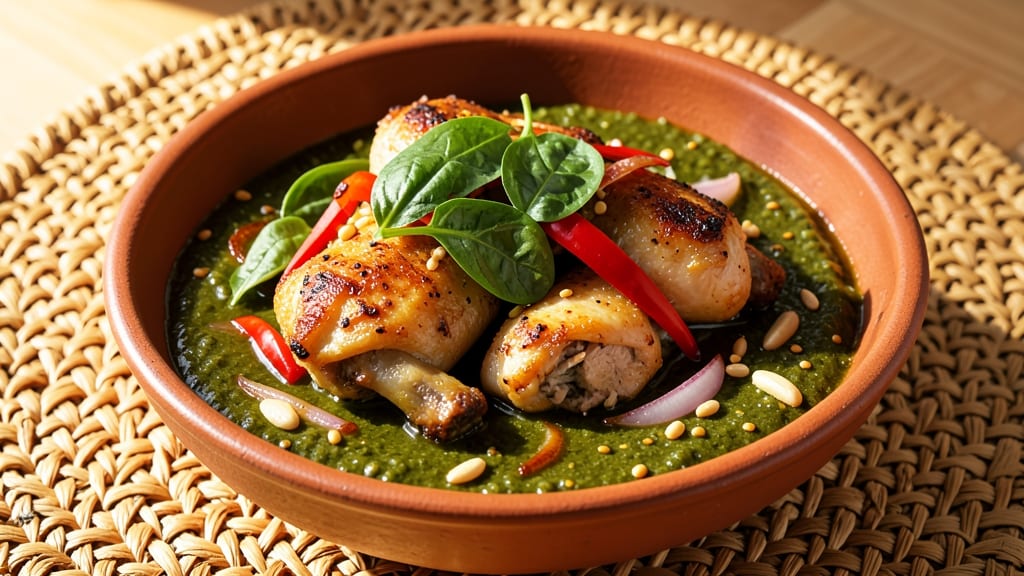
This chicken egusi recipe brings the rich, nutty flavors of West Africa to your kitchen with a hearty stew that’s both comforting and deeply satisfying.
The key lies in properly preparing the egusi seeds—traditionally pounded into a smooth paste—before blending them into a velvety, earthy base that pairs perfectly with tender chicken and leafy greens.
What sets this dish apart is its balance of tradition and adaptability. While the classic version relies on spinach or pumpkin leaves, you can easily swap in okra or bell peppers for a modern twist.
The slow simmering process develops layers of flavor, transforming simple ingredients into a restaurant-quality meal that’s perfect for family gatherings or cozy weeknights.
The result is a deeply aromatic stew with a thick, nutty broth that clings to every bite of chicken and vegetable. The egusi paste adds a unique texture and earthy richness, while the blend of spices creates warmth that lingers on the palate.
Serve it with pounded yam, fufu, or rice for the full experience.
This recipe preserves the soul of West African cuisine while making it accessible for home cooks. Whether you're cooking for tradition or innovation, the steps are straightforward, and the reward is a dish that feels like a warm embrace. Let’s get started!
Ingredients for chicken egusi
Sixteen ingredients transform into a deeply aromatic stew with nutty richness and West African soul.
| Ingredient | Amount | Notes |
|---|---|---|
| Chicken Thighs 🍗 | 2 ½ lb | Bone-in, skin-on preferred |
| Egusi Seeds 🥜 | 1 ½ cups | Raw, unsalted, melon seeds |
| Fresh Spinach 🌿 | 1 lb | Baby spinach or chopped leaves |
| Pumpkin Leaves 🍃 | 2 cups | Chopped, or substitute okra |
| Red Bell Peppers 🌶️ | 2 whole | Diced, for modern twist |
| Onions 🧅 | 2 whole | Yellow, roughly chopped |
| Garlic Cloves 🧄 | 6 cloves | Minced, fresh preferred |
| Scotch Bonnet Peppers 🔥 | 1 whole | Seeded, for heat balance |
| Ground Ginger 🌿 | 1 tbsp | Freshly grated preferred |
| Ground Cumin 🌶️ | 1 tbsp | Toasted for depth |
| Ground Nutmeg 🌿 | ½ tsp | Freshly grated preferred |
| Salt 🧂 | 1 ½ tsp | Kosher or sea salt |
| Black Pepper 🌶️ | ½ tsp | Freshly ground preferred |
| Vegetable Oil 🫒 | ½ cup | For cooking chicken |
| Chicken Stock 💧 | 1 ½ cups | Homemade or quality store-bought |
The egusi seeds are the heart of this dish—look for raw, unsalted melon seeds at African markets or specialty stores like African & Caribbean Foods Market. If you can't find them fresh, dried egusi seeds work too, but soak them overnight first. The chicken should be bone-in for flavor, and thighs hold up better than breasts during the long simmer. For the pumpkin leaves, substitute okra or bell peppers if you're in a pinch—they add a different texture but still complement the stew beautifully.
No fresh spinach? Frozen works perfectly, just thaw and drain well. The Scotch bonnet pepper can be swapped for jalapeño or habanero if you prefer less heat, but remember—this dish is about balance. Ground spices lose potency over time, so toast them in a dry pan for 30 seconds before adding to wake up their flavors. The vegetable oil matters here—use something with a high smoke point like avocado or peanut oil to prevent burning during the initial searing.
This stew tastes even better the next day as the flavors meld together. Store in an airtight container in the fridge for up to 5 days, or freeze portions for 3 months. For serving, pair with pounded yam or fufu to soak up that rich, nutty broth. If you're making it ahead, prep the egusi paste the night before—it needs time to soften properly before blending.
Why You'll Love This Recipe
- One-Pot Magic: I swear by this recipe when I’m too tired to scrub pots—just brown the chicken, toss in everything else, and let it simmer. The egusi melts into a thick, nutty sauce while the greens wilt right in, no extra bowls needed.
- Nutty Earthy Crunch: That first bite of crispy chicken thigh? Then the egusi’s toasty, peanut-butter-like richness hits, followed by the peppery kick of pumpkin leaves. It’s like a hug for your taste buds—savory, slightly sweet, and packed with texture.
- Weeknight to Party: I make this for lazy Tuesdays, but it’s also my go-to for gatherings because it feels fancy without trying. The deep, smoky flavor from the bell peppers and spinach makes it feel special, even when it’s just me and takeout containers.
- Budget-Friendly Powerhouse: Chicken thighs stretch further than breasts, egusi is cheaper than fancy nuts, and greens last longer than salads. A single batch feeds four (or two very hungry people) and reheats like a dream—no sad leftovers here.
Step-by-step instructions for chicken egusi recipe
Here's how to create a rich, nutty stew with tender chicken and vibrant greens that captures authentic West African flavors.
Prepare the Chicken and Base Ingredients
Pat the 2.5 lb chicken thighs dry with paper towels and season generously with 1.5 tsp salt, 0.5 tsp black pepper, 1 tbsp ground ginger, 1 tbsp ground cumin, and 0.5 tsp ground nutmeg. Let them sit at room temperature for 15 minutes while you prepare the other ingredients.
In a large bowl, combine the 1.5 cups egusi seeds, 1 lb fresh spinach, 2 cups pumpkin leaves, 2 whole red bell peppers (diced), 2 whole onions (roughly chopped), 6 cloves garlic (minced), and 1 whole seeded Scotch bonnet pepper (finely chopped). This mixture will form the hearty base of your stew. Keep the seeds separate from the greens initially - we'll toast them first to develop their nutty flavor.
Sear the Chicken and Toast the Egusi Seeds
Heat 0.5 cup vegetable oil in a large Dutch oven over medium-high heat. Working in batches if needed, sear the seasoned chicken thighs for 5-6 minutes per side until golden brown and cooked through to 165°F internal temperature. Remove chicken and set aside on a plate.
In the same Dutch oven, reduce heat to medium and add the 1.5 cups egusi seeds. Toast them for 3-4 minutes, stirring constantly, until they turn a rich golden brown color and release their nutty aroma. This step is crucial - it prevents the raw taste of the seeds from overpowering your dish. Immediately remove the seeds from the pot and set aside.
Build the Flavor Base
In the same pot, add the chopped onion mixture (bell peppers, onions, garlic, and Scotch bonnet) and sauté for 5-6 minutes until softened and fragrant. You'll notice the onions become translucent and the garlic releases its pungent aroma. This forms the aromatic foundation of your stew.
Pour in the 1.5 cups chicken stock and bring to a gentle simmer. Add the toasted egusi seeds back to the pot and stir well to combine. Let this mixture simmer uncovered for 10 minutes, allowing the flavors to meld together. The stock should reduce slightly, creating a concentrated flavor base.
Combine and Simmer the Stew
Return the seared chicken thighs to the pot along with any accumulated juices. Add the prepared greens (spinach and pumpkin leaves) and stir gently to combine. Bring the mixture to a gentle simmer, then reduce heat to low. Cover partially and let it cook for 25-30 minutes, stirring occasionally.
The stew is ready when the chicken is fork-tender and the greens are wilted but still vibrant. You'll know it's perfect when the sauce has thickened slightly and coats the back of a spoon. The nutty flavor of the egusi should permeate every bite, balanced by the heat from the Scotch bonnet and the richness of the chicken.
Adjust Consistency and Serve
If the stew is too thick, add 2-3 tablespoons of water or chicken stock to reach your desired consistency. Taste and adjust seasoning if needed - you may need a bit more salt to balance the flavors after simmering. The dish should be rich but not overly salty.
Serve the chicken egusi stew hot, traditionally with jollof rice, fufu, or pounded yam. The nutty egusi seeds will provide a satisfying texture contrast to the tender chicken and vibrant greens. For best results, let the stew sit for 5-10 minutes before serving to allow the flavors to fully meld together.
Pro Tips For Making Chicken Egusi
- Blister the Peppers First: Toss whole red bell peppers directly into a dry, screaming-hot pan for 30 seconds before cutting—this softens them instantly and deepens their flavor. I used to slice them first, and they’d just turn mushy by the time the egusi was ready. (Yes, even if you’re impatient like me.)
- Toast the Egusi Low: Roast the egusi seeds at 300°F (150°C) for 8–10 minutes until they smell nutty and fragrant, not burnt. I learned this the hard way—charred egusi tastes bitter and overpowers the dish. Stir every 2 minutes to avoid hot spots.
- Parboil the Chicken First: Simmer the chicken thighs in salted water for 5 minutes before adding to the pot—this guarantees they cook through without drying out. Skipping this step means risking tough, stringy meat by the time the egusi thickens.
- Wilt Greens in Batches: Add spinach and pumpkin leaves in small handfuls, stirring until just wilted, then repeat—this keeps the sauce from turning into a slimy mess. I once dumped them all in at once and ended up with a gluey, unappetizing stew. (Your future self will thank you.)
Creative variations of this chicken egusi
Nigerian Spicy Twist
For a fiery kick, add 1 tbsp of blended fresh shi shi yam leaves (or substitute with ½ cup pureed okra) and increase the Scotch bonnet to 2 peppers. I also recommend adding 1 tsp of ground crayfish for an umami depth that’s characteristic of Nigerian egusi soups.
The shi shi yam adds a slimy texture that balances the heat beautifully. Serve with garri or eba for the full Nigerian experience. 🌶️
Ghanaian Leafy Green Upgrade
In Ghana, this stew often features bitterleaf (gnutia) and waterleaf (ehuru) instead of spinach. For an authentic Ghanaian touch, replace the spinach and pumpkin leaves with 2 cups chopped bitterleaf and 1 cup waterleaf.
The bitterleaf’s sharp flavor cuts through the richness of the egusi, while waterleaf adds a delicate, slightly sweet note. Adjust the salt to taste—bitterleaf is naturally salty! 🌿
Modern Fusion with Tomatoes
For a contemporary twist, blend 1 cup of tomatoes with the egusi seeds before toasting them. This adds a bright acidity that complements the nutty egusi and balances the heat. I also like adding 1 diced red onion and 1 minced scallion to the tomato blend for extra depth.
This version works beautifully with coconut rice or crusty bread for dipping. 🍅
Slow-Cooker Adaptation
Transform this into a hands-off meal by using a 6-quart slow cooker. After searing the chicken and toasting the egusi seeds, transfer everything to the slow cooker, including the sautéed onions and stock.
Cook on low for 6-7 hours or high for 3-4 hours, then stir in the greens during the last 30 minutes. The slow cooker enhances the nutty flavors while keeping the chicken incredibly tender. Perfect for busy weeknights! ⏰
Vegetarian Swap
Replace the chicken with 1.5 lb of smoked tofu or mushrooms for a plant-based version. Marinate the tofu in 1 tbsp soy sauce, 1 tbsp smoked paprika, and 1 tsp garlic powder before adding it to the stew.
Mushrooms work well too—use 8 oz of cremini or oyster mushrooms, sliced and sautéed until golden. The umami from these ingredients mimics the richness of chicken perfectly. 🌱
Spice-Forward Heat Level
For those who love heat, add 1-2 habanero peppers (seeded and chopped) along with the Scotch bonnet. For a smoky depth, include 1 tbsp of smoked paprika in the initial chicken seasoning.
If you prefer a milder heat, reduce the Scotch bonnet to ½ pepper and add 1 tsp of honey at the end to balance the flavors. Always taste as you go—heat builds during simmering! 🔥
Nutrition facts
Frequently asked questions
What makes this egusi stew different from other West African chicken dishes?
The nutty, earthy flavor of toasted egusi seeds sets this apart. Unlike pepper soups or stews with tomatoes, this dish relies on the seeds' natural richness for depth. The slow simmering process develops a velvety texture that's uniquely satisfying, while the blend of ginger, cumin, and nutmeg creates a warm, aromatic profile you won't find in other chicken dishes.
Can I substitute pumpkin leaves if I can't find them?
Use okra (chopped), bitterleaf, or even collard greens for a similar texture. For a milder taste, swap in spinach or kale. The key is using 1 lb total of leafy greens to maintain balance. Just remember that bitterleaf is naturally salty—adjust your seasoning accordingly.
Why does the recipe call for toasting the egusi seeds?
Toasting removes the raw, bitter taste and brings out the seeds' natural nutty flavor. When raw, egusi can overpower the dish with an unpleasant aftertaste. The 3-4 minute toasting step (stirring constantly) is crucial—it develops that rich, toasted aroma that makes this stew so special. Skip this, and you'll miss the authentic depth.
How can I make this dish spicier without overpowering the egusi flavor?
Start with the Scotch bonnet (use 1 whole pepper for medium heat). For extra kick, add ½ tsp of cayenne pepper with the initial chicken seasoning. If you love heat, blend in 1 habanero pepper (seeded) with the onions. Remember to balance with 1 tsp of honey or sugar at the end if needed. The egusi's nutty profile handles heat beautifully!
What's the best way to store leftovers?
Let the stew cool completely, then transfer to an airtight container. It keeps in the fridge for 5 days or freezes for 3 months. For reheating, simmer on low heat with 2 tbsp of water to restore thickness. The flavors actually improve overnight as the egusi absorbs more liquid. Perfect for meal prep!