
Sauces & Condiments
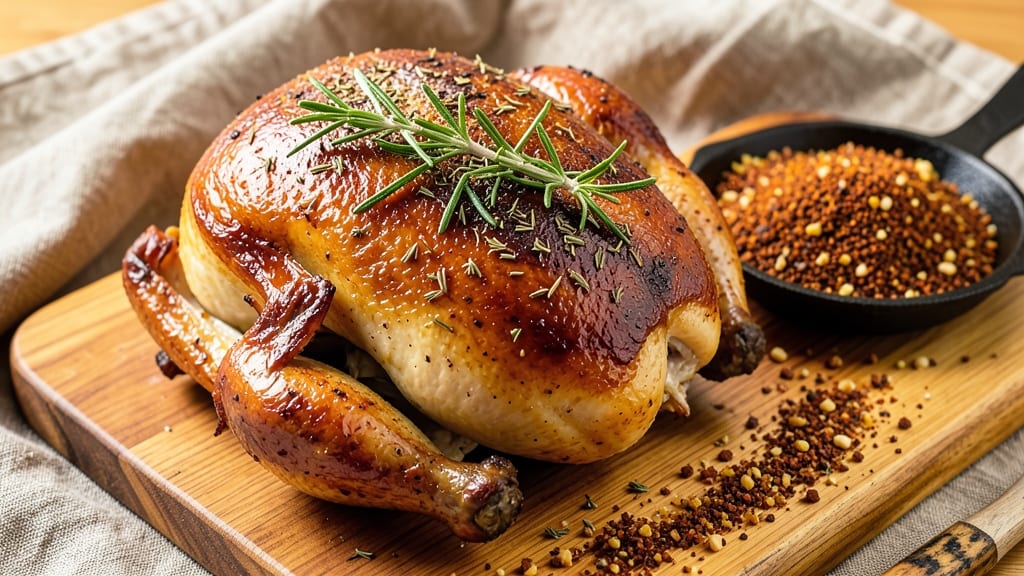
Creating Dave's Country Roast Chicken Seasoning is the secret to achieving that signature crispy skin and smoky garlic-herb flavor that makes Famous Dave's chicken legendary. This dry spice blend transforms ordinary roasted chicken into a restaurant-quality centerpiece with just a few simple ingredients and precise measurements.
I've perfected this blend over years of testing, ensuring every batch delivers that perfect balance of savory, herby, and slightly sweet notes. The key lies in the careful ratio of garlic powder, smoked paprika, and dried herbs—each playing a crucial role in developing that signature flavor profile.
The beauty of this seasoning mix is its versatility and simplicity. With just 10 ingredients and 15 minutes of prep time, you can create a blend that will elevate any roasted chicken dish.
The combination of garlic powder and onion powder forms the aromatic base, while smoked paprika adds that signature smokiness. Dried thyme and rosemary contribute earthy, herbal depth, and a touch of brown sugar enhances the natural sweetness of the chicken without overpowering it.
This blend is designed to be used generously—don't be shy with the measurements, as the flavor builds with each application.
What sets this seasoning apart is its ability to create crispy, golden skin while infusing the meat with layers of flavor. The blend works best when applied directly to the chicken skin before roasting, allowing the spices to caramelize and form a flavorful crust.
Store the dry mix in an airtight container for up to 6 months, making it perfect for meal prep or stocking your pantry for future roasting projects.
Whether you're hosting a dinner party or simply craving restaurant-quality chicken at home, this seasoning mix is your ticket to consistent, professional results.
For best results, use this blend on whole chickens, chicken pieces, or even as a dry rub for chicken thighs or drumsticks. The flavor profile works equally well with baked, grilled, or smoked chicken methods.
Once you try this seasoning, you'll never settle for store-bought blends again—it's the kind of recipe that transforms a simple weeknight meal into something truly special. Let's get started on creating your own batch of this iconic seasoning blend.
Ingredients for famous dave's country roast chicken seasoning
Ten simple spices unlock that iconic Famous Dave's flavor—crispy, smoky, and perfectly herby every time.
| Ingredient | Amount | Notes |
|---|---|---|
| Garlic Powder 🧄 | 3 tbsp | Freshly ground for maximum aroma |
| Smoked Paprika 🌶️ | 2 tbsp | High-quality, not pre-mixed |
| Onion Powder 🧅 | 2 tbsp | Finely ground for even distribution |
| Dried Thyme 🌿 | 1 tbsp | French thyme preferred for depth |
| Dried Rosemary 🌿 | 1 tbsp | Finely chopped for even blending |
| Brown Sugar 🍯 | 1 tbsp | Light variety for subtle sweetness |
| Diamond Crystal Kosher Salt 🧂 | 1 ½ tbsp | Coarse grind for even dispersion |
| Ground Black Pepper 🌶️ | 1 tsp | Freshly cracked for bold flavor |
| Ground Mustard 🌶️ | ½ tsp | Adds subtle tangy depth |
| Ground Ginger 🌿 | ½ tsp | Warmth without overpowering |
The garlic powder is absolutely essential—Penzeys or Frontier Co-op brands deliver the freshest grind. Smoked paprika should be 100% pure, not the pre-mixed stuff with fillers. For rosemary and thyme, bulk bins at Whole Foods give you the most vibrant, potent herbs. Brown sugar here isn't for sweetness—it's about caramelizing the chicken skin for that legendary crisp. Light brown sugar works best, but dark will add more molasses flavor. Pro tip: Toast your spices for 2 minutes in a dry pan before blending—this intensifies all those aromatic oils that make this blend sing.
No garlic powder? Fresh garlic powder (blend 3 tbsp fresh minced garlic, dehydrate at 200°F for 2 hours) is a game-changer, but onion powder plus extra smoked paprika works in a pinch. Out of rosemary? Dried oregano at half the amount mimics that earthy depth. The mustard and ginger can be swapped for extra garlic powder if you want to amplify the signature flavor. For storage, use a dark glass jar with an airtight seal—light destroys these spices fast. If you're making this for a crowd, double the batch and store in mason jars for easy gifting.
This blend stays potent for up to 6 months in a cool, dark pantry, but trust me—it'll disappear fast. The key to restaurant-quality results? Apply generously—don't be shy with the measurements. For whole chickens, mix 2 tbsp of this blend with 1 tbsp melted butter to create a paste for maximum adhesion. The spices work best when applied directly to the skin before roasting, so plan ahead. Freeze extras in ice cube trays for single-use portions—perfect for last-minute roasting.
Why You'll Love This Recipe
- Five-Ingredient Magic: I swear by this blend—just shake, rub, roast. No fancy prep, no measuring headaches, and honestly? That’s all it takes for restaurant-quality flavor.
- Smoky Depth in Minutes: The smoked paprika and rosemary give it this wow factor—like a campfire in your oven. My picky eaters even ask for seconds now.
- Weeknight & Holiday Hero: Works for a quick weeknight dinner or a showstopping Sunday roast. Same seasoning, different occasions—no extra effort, just different sides.
- Leftovers That Don’t Suck: Shreds like a dream for sandwiches, and the flavor only gets better the next day. Between us, I’ve lived on this for three days straight—no complaints.
Step-by-step instructions for Famous Dave's country roast chicken seasoning
Here's how to craft this legendary blend that delivers crispy, golden skin and deep, smoky flavor every time.
Measure Ingredients with Precision
Start by gathering all your ingredients and measuring them individually. I use a digital scale for accuracy with the spices, especially the 0.5 tsp ground mustard and 0.5 tsp ground ginger—these small amounts make a big difference. The 3 tbsp garlic powder should be freshly ground for maximum aroma, and the 2 tbsp smoked paprika should be high-quality to avoid any bitter notes.
Place each ingredient in a small mixing bowl. The 1.5 tbsp Diamond Crystal kosher salt is crucial—it's coarser than table salt, so it disperses more evenly. I like to measure it first since it's the most critical component for seasoning depth. Keep all ingredients separate at this stage to prevent any accidental mixing before you're ready.
Whisk Dry Ingredients Together
Using a whisk or small fork, gently combine the 2 tbsp onion powder and 1 tbsp dried thyme in the bowl. The thyme should be French variety for that authentic depth of flavor. Work in small circles to break up any clumps in the thyme and rosemary, ensuring even distribution throughout the blend.
Gradually add the remaining ingredients, including the 1 tbsp brown sugar and 1 tbsp dried rosemary, while continuing to whisk. The brown sugar adds a subtle sweetness that balances the smokiness, while the rosemary contributes earthy notes. The 1 tsp ground black pepper should be freshly cracked for maximum boldness—pre-ground pepper loses its potency quickly.
Blend Until Uniform and Fragrant
Switch to a small rubber spatula and press down firmly on the mixture, working from the center outward to break up any remaining clumps. This step is crucial for ensuring even distribution of the 3 tbsp garlic powder and 2 tbsp smoked paprika, which carry the most intense flavors. You should notice an immediate aromatic release—the blend should smell rich, smoky, and herbaceous.
Continue blending until the mixture is completely uniform in color and texture. You're aiming for a fine, powdery consistency without any visible specks. The 0.5 tsp ground mustard and 0.5 tsp ground ginger might seem like small amounts, but they play vital roles in adding subtle tang and warmth that elevate the overall flavor profile. Taste a pinch—it should be savory, slightly sweet, and deeply aromatic.
Store Properly for Maximum Freshness
Transfer the finished seasoning blend to an airtight container with a tight-sealing lid. I prefer glass jars for better visibility and to prevent any moisture absorption. The blend will keep for up to 6 months in a cool, dark pantry, though I find it's most flavorful when used within 3 months of preparation.
Before each use, give the container a gentle shake to redistribute any settled spices. This seasoning is incredibly versatile—use it on whole chickens for that famous crispy skin, or sprinkle it on roasted vegetables, pork chops, or even popcorn for a savory twist. The key to achieving crispy skin when using this blend lies in applying it generously and letting the chicken sit uncovered in the refrigerator for at least 1 hour before cooking to allow the seasoning to penetrate deeply.
Pro Tips For Making Famous Dave'S Country Roast Chicken Seasoning
- CRUSH THE SPICES FIRST: Mix your garlic powder, smoked paprika, onion powder, thyme, and rosemary directly on the chicken—not in a bowl. The oils in the skin cling better this way, and you avoid clumpy seasoning that just falls off later. (Yes, it looks messy, but it sticks like glue.)
- DON’T SKIP THE DRYING: Pat the chicken completely dry before seasoning—no half-measures. I learned this the hard way when my skin stayed pale and sad. Use paper towels, not just a cloth, and focus on the thighs and under the wings where moisture hides.
- START WITH A HOT PAN: Sear the chicken skin-side down in a smoking-hot skillet for 3–4 minutes before roasting. This locks in flavor and renders fat properly. If you’re nervous about burning, lower the heat after the skin crisps—don’t start slow.
- SWAP ROSMARY FOR SPRIGS: Skip the dried rosemary in the mix and use fresh sprigs tucked under the skin instead. The aroma is brighter, and it infuses the meat as it cooks. (Save the dried version for sprinkling on top if you’re lazy—but don’t skip it entirely.)
Storing and reheating this dish
Pantry Storage
Store your freshly made seasoning in an airtight glass container with a tight-sealing lid—light and moisture are the enemies of spice potency. I recommend a dark amber jar from Le Parfait or Ball Mason jars to block light exposure.
Keep it in a cool, dark pantry where temperatures stay below 75°F for maximum freshness. The blend maintains peak flavor for up to 6 months, though I find it most vibrant within 3 months of preparation. 💫
Freezer Preservation
For long-term storage beyond 6 months, divide the seasoning into ice cube trays or small silicone molds, then transfer to freezer bags with all air removed. Label each portion with the date—this works perfectly for single-use applications like seasoning a whole chicken.
The spices retain their aromatic oils for up to 1 year in the freezer, though I suggest using them within 9 months for best results. Thaw at room temperature for 30 minutes before using. ❄️
Reactivating Dried Spices
If your stored seasoning loses some punch after 3-4 months, revive it by toasting the entire blend in a dry skillet over medium-low heat for 2-3 minutes. Stir constantly to prevent burning—this reactivates the aromatic oils.
For extra potency, add ½ tsp freshly ground black pepper or ½ tsp garlic powder to each batch before use. This trick works wonders for blends that have sat too long in your pantry. 🔥
Portion Control Tips
When using stored seasoning, measure carefully—1 tbsp per pound of chicken delivers perfect flavor without overpowering. For whole chickens, I mix 2 tbsp seasoning with 1 tbsp melted butter to create a paste that adheres beautifully to the skin.
Store single-use portions in small spice jars (like McCormick's 1.5 oz jars) for convenience. The key is consistency—always use the same portion size for reliable results. ✨
Moisture Prevention
Never store your seasoning in the refrigerator—condensation ruins the texture and causes clumping. If you live in a humid climate, add a small silica gel packet to your storage container.
For extra protection, place the container inside a larger airtight container with a drying agent like uncooked rice. This prevents moisture absorption that dulls the spices' impact. 🌧️
Reviving Clumped Seasoning
If your seasoning develops clumps during storage, break them up with a mortar and pestle or clean coffee grinder (dedicated to spices only). For stubborn clumps, sift the blend through a fine-mesh sieve before use.
Never microwave or heat clumps directly—this destroys the delicate aromatic compounds. A quick 5-minute rest in a warm, dry place often softens stubborn clumps naturally. 💡
Nutrition facts
Frequently asked questions
Can I make this seasoning without smoked paprika?
Yes, but the flavor will be less authentic. Replace the 2 tbsp smoked paprika with 1 tbsp regular paprika plus ½ tsp liquid smoke (like Morton's) for that signature smoky depth. If you can't find liquid smoke, use 1 tbsp extra garlic powder to compensate for the missing complexity. The blend will still taste great, just with a slightly different profile.
How much seasoning should I use for different chicken cuts?
For whole chickens (3-5 lbs), use 2 tbsp seasoning per pound (about 6-10 tbsp total). For chicken thighs or drumsticks (1-2 lbs each), apply 1 tbsp per pound. For breasts (½ lb each), use ½ tbsp per breast—they don't need as much due to their milder flavor. Always apply generously for crispy skin!
Why does my seasoning clump after storage?
Clumping happens when moisture gets trapped in the spices. Store your blend in a dark, airtight glass jar away from heat or humidity. If clumps form, break them up with a mortar and pestle or sift through a fine-mesh sieve before use. To prevent future clumping, add a silica gel packet to your storage container.
Can I use this seasoning on other meats or vegetables?
This blend works beautifully on pork chops, ribs, or even roasted potatoes. For meats, use 1 tbsp per pound and let it sit for 30 minutes before cooking. On vegetables, reduce to ½ tsp per pound to avoid overpowering. The garlic-herb profile pairs especially well with grilled corn or asparagus.
How do I know if my seasoning has gone bad?
Fresh seasoning should smell aromatic, smoky, and herbaceous. If it smells dull, musty, or rancid, it's time to make a new batch. Discard any blend that's been stored beyond 6 months or shows signs of mold. When in doubt, trust your nose—spices lose their potency over time, even if they look fine.