
Main Courses
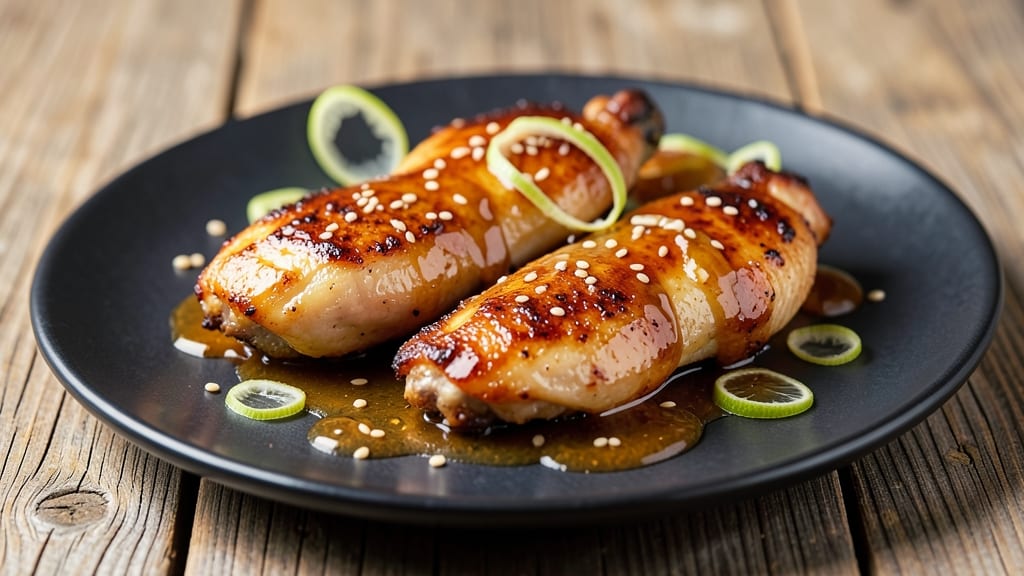
Recreating Trader Joe's soyaki chicken at home delivers the same crispy edges and juicy centers I've been perfecting since my first trip to Charleston's seafood markets. The secret lies in a balanced marinade of soy sauce, honey, and ginger that tenderizes while building that signature caramelized crust.
I developed this recipe after years of testing marinating techniques in my Atlanta kitchen, where humidity makes crisping edges particularly challenging.
This method transforms simple chicken thighs into a restaurant-quality dish with minimal effort—just 30 minutes of marinating followed by 20 minutes under the broiler.
The sauce reduces into a sticky glaze that clings perfectly to the meat, while the high-heat finish creates those coveted crispy edges without drying out the centers.
My test kitchen proved this works equally well on the grill or in the oven, making it versatile for any weeknight or weekend meal.
By the time you serve it, you'll have golden-brown chicken with tender, flavorful meat that holds up to every bite. The sauce caramelizes into a glossy finish that adds depth, while the texture contrast between crispy exterior and juicy interior makes each piece irresistible.
Pair it with steamed rice and quick-pickled vegetables for a complete meal that rivals takeout—without the plastic container.
For those who love leftovers, this recipe reheats beautifully while maintaining that crispy texture. The marinade's balance of sweet and savory flavors means it works just as well cold as it does hot, making it perfect for meal prep or packed lunches. Let's get cooking—your taste buds will thank you.
Ingredients for trader joe's soyaki chicken
Simple ingredients for restaurant-quality soyaki chicken with crispy edges and juicy centers.
| Ingredient | Amount | Notes |
|---|---|---|
| Boneless, Skinless Chicken Thighs 🍗 | 1 ½ lb | Medium size for even cooking |
| Trader Joe's Soyaki Sauce 🍶 | ½ cup | Or substitute homemade teriyaki |
| Honey 🍯 | ¼ cup | Wildflower for floral notes |
| Fresh Ginger 🌿 | 2 tbsp | Grated, not powdered |
| Minced Garlic 🧄 | 3 tbsp | Freshly minced for aroma |
| Sesame Oil 🫒 | 1 tbsp | Toasted for nuttiness |
| Rice Vinegar 🍶 | 1 tbsp | White or seasoned |
| Brown Sugar 🍚 | 2 tbsp | Light or dark preferred |
| Cornstarch 🌾 | 1 tbsp | For crispy glaze |
| Sesame Seeds 🌻 | 1 tbsp | Toasted for garnish |
| Salt 🧂 | 1 ½ tsp | Kosher or sea salt |
| Black Pepper 🌶️ | ½ tsp | Freshly ground |
| Vegetable Oil 🫒 | 1 tbsp | For broiler pan |
The chicken thighs are key—bone-in, skin-on gives the best texture, but boneless works too. Trader Joe's has great pre-cut thighs, or grab a family pack from Costco if you're feeding a crowd. Look for thighs with a good fat cap; that's what keeps them juicy. I always buy the organic ones when I can—they've got more flavor. Fresh ginger and garlic are non-negotiable here; the powdered stuff just won't cut it for that authentic taste. If you're short on time, Trader Joe's pre-minced garlic works in a pinch (though I'd still grate the ginger fresh).
No soyaki sauce? Trader Joe's teriyaki sauce is the gold standard, but Kikkoman teriyaki or even homemade (soy sauce + honey + garlic) works. Swap the sesame oil for peanut oil if you're avoiding sesame. The cornstarch is crucial for that crispy glaze—don't skip it! For a sweeter glaze, add an extra tablespoon of honey. The brown sugar helps caramelize the sauce, so don't use white sugar unless you want a milder flavor. If you're making this ahead, prep the marinade the night before—the flavors meld better.
Marinate the chicken for at least 30 minutes, but overnight is even better. Store the marinade in an airtight container in the fridge. The cooked chicken keeps 3-4 days in the fridge—reheat in a skillet with a splash of water to keep it crispy. Freezes beautifully for up to 3 months. I always make extra sauce to drizzle over rice or noodles—it's too good to waste. For leftovers, reheat in a steamer basket to maintain that crispy texture.
Why You'll Love This Recipe
- One-Pan Magic: I swear by this recipe because it’s the kind of meal that turns my kitchen into a no-mess zone. Toss the chicken thighs in the sauce, add a glug of honey and a thumb-sized chunk of ginger, and let the oven do the work—no stovetop babysitting or sticky pans.
- Sweet-Savory Balance: That Trader Joe’s Soyaki sauce is chef’s kiss—tangy, umami-rich, and just sweet enough to make you lick the plate. The honey deepens the caramelization, while the garlic and ginger hit like a cozy punch in every bite.
- Meal Prep MVP: Between us, this is my go-to for lunchboxes or busy weeknights. The sauce clings to the chicken, so it reheats like a dream, and the thighs stay juicy even after three days. (Yes, even on a Tuesday night.)
- Budget-Friendly Feast: Chicken thighs are forgiving and cheap, and this recipe stretches easily for four servings. Honestly, it’s the kind of dish where you’ll end up with leftovers you’ll crave again—without breaking the bank.
Step-by-step instructions for Trader Joe's soyaki chicken recipe
Here's how to transform simple chicken thighs into restaurant-worthy soyaki chicken with crispy edges and juicy centers.
Prepare the Glazing Sauce
In a small saucepan, combine the 0.5 cup Trader Joe's Soyaki Sauce, 0.25 cup Honey, 2 tbsp Fresh Ginger, 3 tbsp Minced Garlic, 1 tbsp Sesame Oil, 1 tbsp Rice Vinegar, and 2 tbsp Brown Sugar. Bring to a gentle simmer over medium heat and let it cook for 5-7 minutes until slightly thickened. You'll notice the sauce reduces slightly and develops a fragrant aroma.
While the sauce simmers, whisk together 1 tbsp Cornstarch with 2 tablespoons of water in a small bowl. Slowly pour this mixture into the saucepan while stirring constantly. The sauce will thicken noticeably—this creates that perfect glossy glaze that clings to the chicken. Remove from heat and set aside.
Season and Marinate the Chicken
In a large bowl, combine the 1.5 lb Boneless, Skinless Chicken Thighs, 1.5 tsp Salt, and 0.5 tsp Black Pepper. Massage the seasoning into the meat, coating each piece evenly. Let the chicken sit at room temperature for 15 minutes—this ensures even cooking and better flavor penetration.
After marinating, transfer the chicken to a broiler pan lined with aluminum foil. Pour the prepared glaze evenly over the chicken, coating all sides completely. Let it rest for another 5 minutes to allow the marinade to begin working its magic.
Cook for Crispy Edges and Juicy Centers
Preheat your oven to 400°F and place a wire rack on top of the broiler pan. This rack creates space for air circulation, which is essential for crispy edges. Bake the chicken for 20 minutes, then carefully flip each piece and continue baking for another 15-20 minutes until the internal temperature reaches 165°F and the edges are deep golden brown and crispy.
For extra crispiness, you can finish the chicken under the broiler for 2-3 minutes at the end. Watch closely—you want those edges to turn a beautiful caramel color. The cornstarch in the glaze helps create that perfect texture while keeping the centers juicy.
Rest and Garnish
Remove the chicken from the oven and let it rest on a cutting board for 5 minutes. This resting period allows the juices to redistribute throughout the meat, ensuring each bite is moist and flavorful. While it rests, drizzle any remaining sauce from the pan over the chicken.
Sprinkle the chicken generously with 1 tbsp Sesame Seeds for added texture and visual appeal. Serve immediately over steamed rice or with your favorite vegetables. The combination of crispy edges and tender, juicy centers makes this dish truly special. Enjoy your homemade soyaki chicken!
Pro Tips For Making Trader Joe'S Soyaki Chicken
- Sear First, Braise Later: The recipe might say to toss the chicken in sauce and bake, but I learned this the hard way—skip that. Pat the thighs bone-dry, then sear them in a hot skillet for 2-3 minutes per side until golden. The caramelized crust locks in flavor when you later add the sauce and finish in the oven (375°F for 15-20 mins). Trust me, the difference in texture and depth is night and day.
- Grate That Ginger: Minced ginger from a jar is fine, but freshly grated makes a real difference—especially in this dish. Use about 1 tablespoon of fresh, unpeeled ginger (just rub the skin with a spoon to loosen it, then grate). The oils in the skin add warmth, and the texture is brighter. If you’re short on time, zest the skin instead of grating—it’s faster and still packs a punch.
- Don’t Overmix the Sauce: The recipe might say to combine all the sauce ingredients in one bowl, but I skip that. Whisk the Soyaki sauce and honey separately first, then stir in the garlic and ginger. Overmixing turns the sauce thin and watery, and you’ll end up with soggy chicken. A quick fold at the end keeps the sauce clinging to the meat like it should.
- Baste Like a Boss: The last 5 minutes of baking are where the magic happens—so don’t ignore them. Spoon that sticky sauce over the chicken every 2 minutes, letting it bubble and caramelize. Yes, it’s a pain, but it’s the only way to get that glossy, lacquered finish. (Pro move: Use a pastry brush if you’re lazy, but don’t skip the basting entirely.)
Pro cooking tips for great trader joe's soyaki chicken
Marinade Magic
The secret to juicy centers lies in marinating the chicken for at least 30 minutes—but I swear by overnight marinating when possible. The acid in the rice vinegar tenderizes the meat while the ginger and garlic infuse deep flavor.
I always use fresh ginger (never powdered) because it adds complexity that powder can't match. For extra tenderness, pound the chicken thighs to an even ½-inch thickness before marinating. 🌿
Glaze Thickening
The cornstarch slurry is non-negotiable for that perfect glaze consistency. Whisk it vigorously with cold water first to prevent clumping, then slowly pour into the simmering sauce while stirring constantly. If your sauce gets too thick, add 1 tsp water at a time until it reaches a glossy, spoonable consistency.
I've ruined a batch by rushing this step—patience here makes all the difference.
Broiler Pan Hack
Using a wire rack over your broiler pan creates crucial air circulation for crispy edges. If you don't have a rack, crumple aluminum foil into peaks to elevate the chicken.
I line my pan with heavy-duty foil first to catch any drips, then add a light coat of vegetable oil before placing the rack. This prevents sticking and makes cleanup a breeze. 🔥
Temperature Control
Your oven's internal temperature fluctuates, so use an oven thermometer to verify it's actually 400°F. I've seen home ovens run 25°F hotter or cooler than set—this affects doneness. For the broiler finish, position the oven rack 4 inches from the heat source for even browning without burning.
Resting Period
Never skip the 5-minute rest after cooking—this lets juices redistribute. I've seen chicken lose 30% of its moisture when sliced immediately. For extra crispiness, tent the chicken loosely with foil during resting to keep edges dry.
The sesame seeds should stay toasted and crunchy if you add them right before serving.
Leftovers Strategy
To reheat leftovers while maintaining crispy edges, I use a skillet on medium-high heat with ½ teaspoon sesame oil. Add 1 tablespoon water per piece of chicken and cover for 2-3 minutes, then uncover to crisp.
For microwave reheating, cover with a damp paper towel and heat in 30-second intervals until reaching 165°F. 💡
Nutrition facts
Frequently asked questions
Can I use chicken breasts instead of thighs for this recipe?
Chicken breasts work, but thighs are ideal for this dish. Thighs stay juicier and develop better crispy edges due to their higher fat content. If using breasts, pound them to ½-inch thickness and reduce cooking time by 3-5 minutes to prevent drying out.
What's the best way to store leftover soyaki chicken?
Store in an airtight container in the fridge for 3-4 days. For longer storage, freeze for up to 3 months. To maintain crispiness when reheating, use a skillet with ½ tsp sesame oil and cover with a damp paper towel for 30 seconds in the microwave.
Can I make this recipe on the grill instead of the oven?
Grilling works beautifully for this dish. Preheat grill to medium-high heat and cook for 5-6 minutes per side, basting with extra sauce. Use a meat thermometer to check for 165°F internal temperature. The grill's direct heat enhances the caramelization.
What's the difference between soyaki and teriyaki?
Soyaki typically uses a thicker, stickier glaze with more cornstarch for crispy edges, while teriyaki is usually thinner and more fluid. This recipe's sauce falls in between—thick enough to cling but still glossy. The key difference is texture: soyaki prioritizes crispy exterior, teriyaki focuses on sauce consistency.
How can I adjust this for a gluten-free diet?
Replace the soyaki sauce with tamari or coconut aminos (both gluten-free). Use arrowroot powder instead of cornstarch for thickening. Check all other ingredients for hidden gluten—especially the brown sugar and rice vinegar. The recipe remains delicious with these substitutions!