
Sauces & Condiments
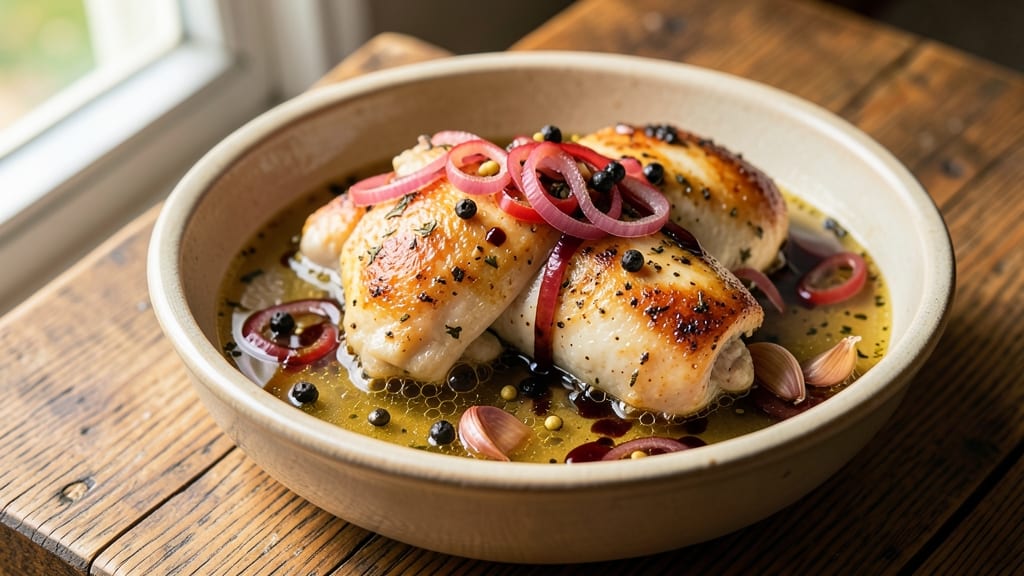
This pickle brine recipe transforms ordinary chicken into restaurant-worthy bites with its tangy, aromatic punch—perfect for grilling, frying, or roasting. The secret lies in balancing vinegar, salt, and spices to create a marinade that tenderizes while building bold, complex flavors.
I developed this after realizing store-bought brines never delivered the same depth as homemade.
The magic happens in the precise ratio of vinegar to water (1:1), which creates an acidic environment that breaks down proteins for juicy results while preserving natural moisture. Adding mustard seeds, garlic, and black pepper infuses the brine with layers of heat and aroma that penetrate the meat.
This isn't just a marinade—it's a flavor multiplier that turns simple chicken into something extraordinary.
What makes this brine special is its versatility: use it for 30 minutes (quick flavor boost) or up to 24 hours (deeply infused meat). The result? Crispy, flavor-packed chicken with a tangy crust that keeps every bite juicy.
Whether you're grilling for summer or roasting for winter, this brine elevates any chicken dish with minimal effort.
Store leftovers in the fridge for up to 2 weeks, making it ideal for meal prep or batch cooking. The brine works equally well for wings, tenders, or whole cuts—just adjust the marinating time. Here's how to make it perfectly every time.
Ingredients for pickle brine recipe for chicken
Nine simple ingredients. One tangy marinade that turns plain chicken into restaurant-quality bites.
| Ingredient | Amount | Notes |
|---|---|---|
| White Vinegar 💧 | 2 cups | Distilled white preferred |
| Water 💧 | 2 cups | Filtered or bottled |
| Diamond Crystal Kosher Salt 🧂 | ½ cup | Not iodized, preferred |
| Granulated Garlic 🧄 | 1 tbsp | Or 3 fresh garlic cloves |
| Yellow Mustard Seeds 🌶️ | 1 tbsp | Whole seeds, toasted |
| Black Peppercorns 🌶️ | 1 tsp | Freshly cracked preferred |
| Dried Dill Weed 🌿 | 1 tsp | Or 1 tbsp fresh dill |
| Red Pepper Flakes 🔥 | ½ tsp | Adjust for heat preference |
| Brown Sugar 🍯 | 1 tbsp | Light or dark preferred |
The vinegar-to-water ratio is non-negotiable—stick to 1:1 for that perfect balance of tang and moisture. White vinegar is sharper than apple cider, which helps tenderize the chicken faster. For salt, Diamond Crystal kosher dissolves better than table salt, so you won’t end up with grainy brine. Mustard seeds? Toast them in a dry pan for 30 seconds first—they’ll release their nutty aroma and give the brine a deeper flavor. I grab mine from the bulk section at Trader Joe's or Whole Foods since they’re fresher than the packaged jars.
No mustard seeds? Substitute 1 tsp ground mustard, but you’ll lose that crunchy texture. Fresh dill is ideal, but dried works at one-third the amount. Want more heat? Double the red pepper flakes or add a pinch of cayenne. The garlic can be fresh—just mince it finely—but granulated saves time. If you’re using chicken thighs, add 1 extra tbsp brown sugar to caramelize the edges. And yes, you can skip the sugar entirely if you prefer a sharper brine—just know it’ll be less sticky when grilling.
This brine keeps in the fridge for up to 2 weeks, so make a big batch. Store it in a glass jar with a tight lid—plastic can absorb the vinegar smell over time. Shake it before each use to redistribute the spices. For extra flavor, marinate chicken for at least 2 hours, but overnight is best. If you’ve got leftover brine after marinating, strain and reuse it for pickling veggies or as a salad dressing. The spices settle, so give it a quick shake before pouring.
Why You'll Love This Recipe
- Five-Ingredient Magic: I swear, the pantry already has everything—no extra shopping. Just vinegar, water, salt, garlic, and those tiny mustard seeds, and boom: transformational flavor without the fuss.
- Tangy Crunch in Every Bite: That bright vinegar cut? It’s the star—sharp enough to wake up your taste buds, but balanced by the garlic’s warmth and mustard seeds’ subtle bite. (Yes, even on a Tuesday night.)
- Meal Prep MVP: Marinate chicken for 2 hours or overnight—either way, it’s ready for grilling, baking, or tossing in salads. Honestly, I’ve used it for everything from picnics to lazy weeknight dinners.
- Budget-Friendly Game: A gallon of brine costs pennies but stretches across multiple meals. Split it between chicken, veggies, or even eggs—no waste, all flavor. (My wallet thanks me.)
Instructions for a flavor-packed pickle brine for chicken
This tangy, aromatic brine transforms simple chicken into juicy, restaurant-worthy bites every time.
Combine the Base Ingredients
In a medium saucepan, pour in the 2 cups white vinegar and 2 cups water. Stir just enough to mix them completely—no need to go crazy. Place the pan over medium heat and bring the mixture to a gentle simmer. You'll see tiny bubbles form around the edges, but don't let it boil vigorously—just a steady, quiet simmer will do.
While the liquid heats, add the 0.5 cup Diamond Crystal kosher salt and 1 tablespoon brown sugar. Stir until both dissolve completely. The salt should disappear entirely, and the brown sugar will melt into the liquid, creating a slightly sweet, briny foundation. If you notice any undissolved bits, give it another quick stir—this ensures even flavor distribution throughout your brine.
Toast the Spices for Depth of Flavor
Remove the pan from heat and add the 1 tablespoon yellow mustard seeds, 1 teaspoon black peppercorns, 1 teaspoon dried dill weed, and 0.5 teaspoon red pepper flakes. Here's where the magic happens: return the pan to low heat and let the spices toast for 2-3 minutes. You'll smell the mustard seeds pop and the dill release its earthy aroma—this toasting step unlocks their full flavor potential.
Watch the spices carefully—they'll darken slightly, but don't let them burn. Once they're fragrant and the mustard seeds have started to pop, remove the pan from heat immediately. Let the spices steep in the warm liquid for 5 minutes to infuse their flavors completely. This step is what separates good brine from extraordinary brine.
Add the Garlic and Finish the Brine
After the spices have steeped, stir in the 1 tablespoon granulated garlic. The garlic will dissolve completely, creating a subtle, aromatic backbone for your brine. Give everything one final stir to ensure the garlic is evenly distributed throughout the liquid. The mixture should now have a beautiful golden hue with visible specks of dill and red pepper flakes.
Let the brine cool to room temperature before using it on chicken. If you're in a hurry, transfer it to a heat-safe bowl and place it in an ice bath, stirring occasionally until it reaches about 70°F. Cooling the brine prevents it from cooking the chicken immediately upon contact, which helps maintain those juicy results you're after.
Use the Brine for Maximum Juiciness
For best results, use this brine on chicken pieces that are about 1-inch thick. Place the chicken in a resealable plastic bag or shallow dish and pour the cooled brine over it. Make sure each piece is fully submerged—this ensures even flavor penetration and keeps the meat tender. Seal the bag or cover the dish and refrigerate for at least 4 hours, or up to 24 hours for deeper flavor.
The longer the chicken marinates, the more flavor it absorbs, but don't exceed 24 hours or the acid in the vinegar will start breaking down the meat fibers. When you're ready to cook, drain the chicken but reserve the brine—it makes an excellent dipping sauce or finishing glaze for grilled chicken. The result? Juicy, tangy, and packed with flavor in every bite.
Pro Tips For Making Pickle Brine Recipe For Chicken
- Boil Before Mixing: Heat the vinegar and water separately until just simmering—about 2 minutes each—before combining with salt and spices. I learned this the hard way when my brine turned cloudy and weak; warm liquids dissolve salt and garlic powder way better than cold, and the mustard seeds pop right open for maximum flavor.
- Salt in Stages: Split the Diamond Crystal kosher salt into thirds: dissolve half first, then add the chicken, and finish with the last third after 10 minutes. Too much salt at once makes the brine bitter, and this way, the chicken absorbs it evenly without overpowering the garlic or mustard.
- Crush Those Seeds: Lightly smash the yellow mustard seeds with the flat of your knife before adding them to the brine. They’ll release their punchier flavor instead of floating around like tiny flavorless pebbles—trust me, your chicken will taste brighter.
- Vinegar First, Water Second: Pour the white vinegar into the pot first, then add water. Vinegar’s acidity helps dissolve the salt faster, and the water cools the mixture just enough to prevent scorching when you throw in the garlic. (Yes, even if you’re impatient like me.)
Regional styles of pickle brine recipe for chicken
Southern Comfort Style
In the American South, this brine gets a smoky twist by adding 1 tbsp smoked paprika and ½ tsp liquid smoke to the base recipe. I like to use Annie's brand smoked paprika for its consistent flavor.
The result is a tangy, slightly smoky marinade perfect for grilled chicken thighs or fried chicken. Serve with classic sides like collard greens or buttermilk biscuits for that true Southern experience. 🌶️
German-Style Sauerkraut Brine
For a German-inspired variation, replace the white vinegar with 1 cup apple cider vinegar and add 2 tbsp caraway seeds and 1 tbsp juniper berries to the spice mix. Toast these seeds in a dry pan for 1 minute before adding to the warm brine.
This version pairs beautifully with roasted chicken legs or schnitzel, offering a deep, earthy flavor profile that's perfect for hearty meals. 🌟
Mediterranean Herb Infusion
Transform this brine into a Mediterranean masterpiece by swapping the dill for 1 tbsp dried oregano and adding 1 tsp dried thyme along with 2 bay leaves. I also include ½ tsp ground coriander for brightness.
This version works wonderfully with grilled chicken skewers or lemon-roasted chicken. The herbs create a fragrant, aromatic profile that's perfect for summer entertaining. ✨
Caribbean Jerk-Inspired Brine
Give your chicken a bold Caribbean kick by adding 1 tbsp jerk seasoning (I use Badia brand for authenticity) and 1 tsp allspice berries to the base recipe. Toast the allspice berries in a dry pan for 30 seconds before adding them to the warm brine.
This spicy, slightly sweet marinade is ideal for grilled chicken wings or drumsticks. Serve with mango salsa for a true island-inspired meal. 🔥
Japanese Umami Brine
For a Japanese-inspired twist, reduce the vinegar to 1 cup and add 1 tbsp soy sauce, 1 tbsp mirin, and 1 tsp grated fresh ginger to the base. The umami-rich soy and sweet mirin create a balanced, savory marinade that's perfect for teriyaki-glazed chicken or miso-marinated wings.
I often finish with a sprinkle of sesame seeds before serving. 💫
Italian Lemon-Herb Brine
Brighten up your chicken with an Italian-inspired variation by adding zest of 1 lemon and 2 tbsp fresh parsley to the base recipe. Replace the red pepper flakes with ½ tsp crushed fennel seeds for a subtle anise note.
This citrusy, herbaceous brine is ideal for grilled chicken breasts or lemon-roasted chicken. The lemon zest adds a refreshing zing that pairs perfectly with a glass of Pinot Grigio. 🍋
Nutrition facts
Frequently asked questions
Can I use apple cider vinegar instead of white vinegar?
Yes, but expect a slightly sweeter, milder flavor. Apple cider vinegar works well for a more complex taste profile, especially in regional variations like the German-style brine. For the classic recipe, stick with white vinegar for that sharp tang that tenderizes chicken quickly.
How long can I store leftover brine in the fridge?
Up to 2 weeks in an airtight glass container. The flavors actually deepen over time, making it perfect for batch cooking. Just shake before using to redistribute settled spices. For longer storage, freeze for up to 3 months—thaw in the fridge before marinating.
Will this brine work for other proteins besides chicken?
It's fantastic for pork tenderloin, turkey breasts, or even firm tofu. For fish, reduce marinating time to 30-60 minutes to prevent over-acidification. The acidity helps tenderize tougher cuts, making it versatile for any protein that benefits from extra moisture.
What if my chicken turns out too acidic or sour?
This usually happens from marinating too long (over 24 hours) or using too much vinegar. To fix it, pat the chicken dry before cooking and sear it over high heat to caramelize the surface. For extra flavor, brush with a neutral oil like avocado oil before grilling to balance the acidity.
Can I reuse the brine after marinating chicken?
Yes! Strain out the spices and use it as a dipping sauce, salad dressing, or even for quick-pickled veggies. The leftover brine keeps for another 1 week in the fridge. For pickling, add fresh herbs or aromatics like bay leaves to the reused brine before storing vegetables.