
Main Courses
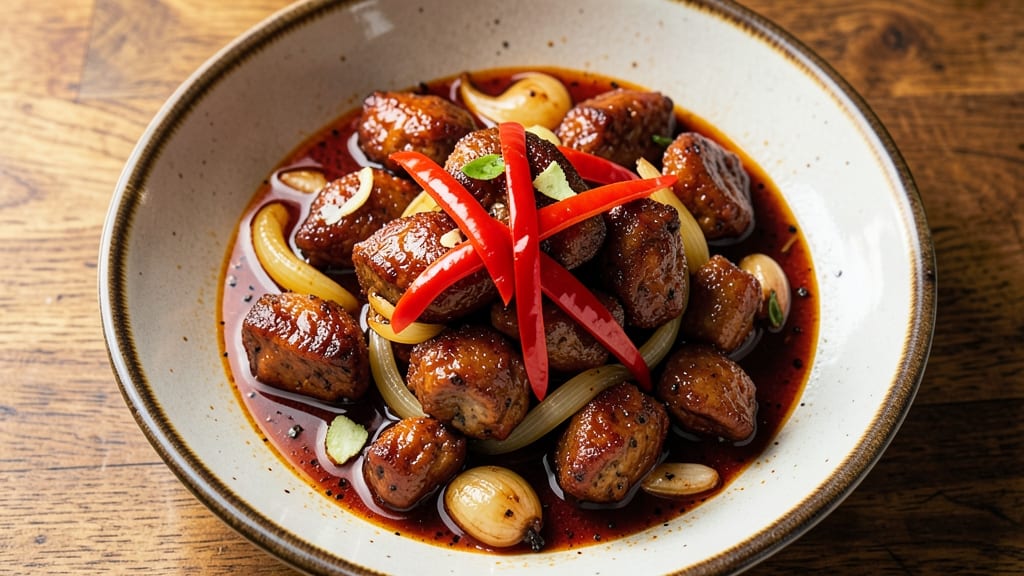
PF Chang's Kung Pao Chicken delivers that signature balance of spicy, sweet, and crunchy texture that makes it a restaurant favorite. I first mastered this stir-fry during my apprenticeship under Chef Chen, where we perfected the art of wok hei—smoky, charred flavors that elevate every bite.
The secret lies in the sauce: a precise blend of chili oil, soy sauce, and brown sugar that coats the chicken and vegetables in addictive sweetness.
This recipe transforms simple ingredients into a restaurant-quality dish with minimal effort. You'll marinate the chicken in a garlic-ginger base, then stir-fry it with bell peppers and onions until perfectly tender.
The sauce comes together in just 10 minutes on the stovetop, and the final touch of crushed peanuts adds that signature crunch that keeps everyone reaching for seconds.
What you'll end up with is a vibrant, flavor-packed stir-fry that's bold yet balanced—spicy enough to satisfy heat lovers but sweet enough to appeal to everyone. The chicken stays juicy, the vegetables retain their crispness, and the sauce clings perfectly to every bite.
Serve it over steamed rice for the full PF Chang's experience, or as a stand-alone dish when you're craving takeout at home.
Here's the best part: this recipe scales beautifully for a crowd, making it perfect for game day or family gatherings. The sauce can be made ahead and reheated, so you can focus on the cooking without stress. Let's recreate that restaurant magic in your own kitchen.
Ingredients for pf chang's kung pao chicken
Pantry staples plus a few specialty items for that signature PF Chang's kick.
| Ingredient | Amount | Notes |
|---|---|---|
| Boneless Chicken Thighs 🍗 | 1 ½ lb | Cut into 1-inch pieces |
| Red Bell Pepper 🍅 | 1 whole | Sliced into strips |
| Yellow Onion 🧅 | 1 whole | Sliced into half-moons |
| Fresh Ginger 🌿 | 1 tbsp | Grated finely (peeled) |
| Garlic Cloves 🧄 | 6 cloves | Minced finely |
| Chili Oil 🌶️ | ½ cup | Store-bought or homemade |
| Light Soy Sauce 🥢 | ⅓ cup | Low-sodium preferred |
| Brown Sugar 🍯 | ¼ cup | Packed firmly |
| Rice Vinegar 🍶 | 2 tbsp | White vinegar substitute |
| Sesame Oil 🫒 | 1 tbsp | Toasted sesame oil |
| Crushed Peanuts 🥜 | ½ cup | Lightly toasted |
| Green Onion 🧅 | 2 whole | Sliced thinly |
| Vegetable Oil 🫒 | ¼ cup | High smoke point |
| Salt 🧂 | 1 tsp | Kosher or sea salt |
| Black Pepper 🌶️ | ½ tsp | Freshly ground |
The chicken thighs are non-negotiable here—bone-in stays too chewy, and breasts dry out. Trader Joe's or Costco often have pre-cut thigh pieces, but check the meat counter if you want to save money. Fresh ginger and garlic are worth the splurge for this dish—they're the flavor anchors. Penzeys or the Asian market will have the freshest ginger, but the jarred kind works in a pinch. Look for red bell peppers with vibrant color—they'll hold up better to stir-frying. The chili oil is where you can get creative: Lao Gan Ma is the classic, but any good-quality chili oil will do.
No chili oil? Substitute 1 tbsp sriracha plus 1 tbsp neutral oil—it won't be identical, but you'll still get the heat. Running low on peanuts? Cashews or walnuts work too, though they'll change the texture slightly. The brown sugar can be swapped for honey or agave if you're avoiding refined sugar. For the soy sauce, tamari works for gluten-free, but keep the same amount. The sesame oil is for flavor—don't skimp here. If you're making this ahead, prepare the sauce first and store it separately until ready to use.
This sauce keeps for 1 week in the fridge, so make extra for next time. The chicken and veggies are best served immediately after cooking, but you can reheat gently if needed. For crowd-friendly prep, marinate the chicken overnight—it develops deeper flavor. Store leftover peanuts in an airtight container to keep them crisp. The rice vinegar smell dissipates when cooked, so don't worry about that strong aroma before hitting the heat.
Why You'll Love This Recipe
- One-Pan Magic: I swear by this—just toss the chicken, peppers, and onions in one skillet with the ginger and garlic, and let the sauce work its magic. No fancy equipment, no stress.
- Crispy-Tender Bite: That perfect contrast? The chicken stays juicy while the sauce clings like a hug—especially when you sear the thighs first. Honestly, the first time I got it right, I nearly licked the pan.
- Leftover Hero: This dish actually improves the next day. The flavors meld even better, and it reheats like a dream—great for packed lunches or when you just don’t feel like cooking.
- Budget-Friendly Feast: Chicken thighs stretch further than breasts, and the veggies add freshness without breaking the bank. I’ve fed six people for under $15 with this—no takeout needed.
Step-by-step instructions for Pf Chang's kung pao chicken recipe
Here's how to recreate that iconic spicy-sweet stir-fry with tender chicken and crunchy peanuts.
Prep Ingredients and Marinate the Chicken
Cut the 1.5 lb boneless chicken thighs into 1-inch pieces and place them in a bowl. In a separate small bowl, whisk together the 0.33 cup light soy sauce, 0.25 cup packed brown sugar, 2 tbsp rice vinegar, and 0.5 tsp black pepper. Pour this marinade over the chicken and toss to coat completely. Let it sit for at least 15 minutes (or up to 30 minutes) at room temperature - this ensures maximum flavor absorption.
While the chicken marinates, slice the 1 whole red bell pepper into strips and the 1 whole yellow onion into half-moons. Peel and finely grate the 1 tbsp fresh ginger and mince the 6 cloves garlic. Keep all prepped ingredients within easy reach for quick assembly - this is a stir-fry, after all, and timing matters.
Stir-Fry the Chicken Until Golden
Heat a large wok or deep skillet over medium-high heat until a drop of water sizzles instantly. Add the 0.25 cup vegetable oil and swirl to coat the pan. Working in batches if needed, add the marinated chicken pieces and stir-fry for 4-5 minutes until they're golden brown on all sides and cooked through. Remove the chicken and set it aside on a plate.
Here's the thing - don't overcrowd the pan. If you do, you'll steam the chicken instead of searing it, and that's when you lose that perfect texture. The chicken should sizzle vigorously when you add it to the pan, and that's your signal it's ready to cook properly.
Build the Spicy-Sweet Sauce
In the same pan, add the sliced red bell pepper and yellow onion and stir-fry for 3-4 minutes until they begin to soften. Add the grated ginger and minced garlic, stirring constantly for 30 seconds until fragrant. Be careful here - garlic burns quickly, and you want that aromatic punch without bitterness.
Pour in the 0.5 cup chili oil and stir to combine with the vegetables. Add the 1 tbsp toasted sesame oil and let the mixture simmer for 1-2 minutes until the raw garlic smell disappears. This is where all the flavors meld together - the sweetness from the brown sugar, the tang from the rice vinegar, and the heat from the chili oil.
Combine and Finish the Stir-Fry
Return the cooked chicken to the pan and stir everything together for 2-3 minutes until the chicken is evenly coated in the sauce. Taste and adjust seasoning if needed - you might want to add a bit more light soy sauce for saltiness or rice vinegar for tang. The sauce should coat the back of a spoon but still be slightly loose enough to cling to the chicken.
Here's where it gets good - stir in the 0.5 cup lightly toasted crushed peanuts and 2 whole green onions sliced thinly. Toss everything together for another 1-2 minutes just to warm through. The peanuts should be crunchy, not soggy, so work quickly. Serve immediately over steamed rice while the chicken is still hot and the peanuts retain their texture.
Pro Tips For Making Pf Chang'S Kung Pao Chicken
- CUT CHICKEN SMALLER THAN YOU THINK: I learned this the hard way—chunks bigger than 1-inch stay chewy no matter how long you cook them. Aim for ½-inch pieces, and toss them in the sauce before frying so they absorb flavor while getting crispy. (Yes, it’s extra work, but the texture pays off.)
- BLISTER GINGER AND GARLIC FIRST: Skip the mincing—peel those garlic cloves and slice the ginger into matchsticks, then toss them in the hot wok before the oil. Let them sizzle and darken for 30 seconds; that caramelized bite is what makes the sauce taste like the restaurant version, not a copy.
- DON’T OVERCROWD THE WOK: I used to dump everything in at once, and the chicken ended up steaming instead of searing. Fry half the chicken first, remove it, then cook the rest in the same oil—this keeps the heat high and gives you crispy edges. (Your future self will thank you.)
- USE PEANUT OIL FOR FLAVOR, NOT JUST CRISPINESS: Vegetable oil works, but peanut oil adds that nutty depth the sauce needs. Swap in 1 tablespoon at the end of cooking—it’s cheap, and the aroma alone makes the dish taste more restaurant-worthy. (I know, I know, but trust the process.)
Essential equipment for this recipe
Wok or Skillet
A 14-inch carbon steel wok is my go-to for this recipe—it heats up quickly and retains heat perfectly for stir-frying. If you don’t have a wok, a 12-inch cast iron skillet (like my vintage Lodge) works just as well.
The key is a pan with sloped sides to toss ingredients easily. Preheat your pan until it’s smoking hot before adding oil—this ensures that signature wok hei flavor. 🔥
High-Heat Oil
Use a high-smoke-point oil like avocado oil or peanut oil—they handle the heat without burning. I avoid olive oil here because it can turn bitter under high heat. A ¼ cup is plenty for this recipe, but keep an extra 1-2 tbsp nearby in case you need to adjust.
The oil should shimmer but not smoke when ready.
Tongs and Spatula
Invest in a good pair of stainless steel tongs (like OXO Good Grips) for tossing the chicken and veggies—you’ll need them to flip pieces quickly. A heat-resistant silicone spatula (such as Mercer Culinary) helps scrape up any stuck bits without scratching your pan.
These tools make all the difference in keeping your stir-fry moving smoothly.
Measuring Spoons
Precision matters with this recipe, especially for the sauce. Use a set of stainless steel measuring spoons (I love my West Bend set) to measure the 1 tbsp sesame oil and 2 tbsp rice vinegar accurately.
A digital kitchen scale is even better for ingredients like brown sugar, where packing matters. Don’t eyeball it—this sauce needs balance, and small adjustments can make a big difference. ✨
Airtight Container
Store leftover sauce or peanuts in an airtight glass container (like Pyrex) to keep them fresh. For the chicken and veggies, a wide-mouth mason jar works great for reheating—just add a splash of water and microwave for 1-2 minutes.
The key is to minimize air exposure to preserve texture and flavor. Trust me, nothing ruins a leftovers experience like soggy peanuts.
Timer and Thermometer
A countdown timer (even your phone works) keeps you on track for the 4-5 minute chicken cook time. For extra precision, a meat thermometer ensures the chicken hits 165°F—no one wants dry, overcooked chicken.
I use a ThermoWorks Dot for its instant-read accuracy. Timing is everything in stir-frying, so don’t skip this step. ⏰
Nutrition facts
Frequently asked questions
Can I make this recipe with chicken breast instead of thighs?
Chicken breast works, but thighs are ideal for this dish. Breasts dry out faster during stir-frying, so if using them, cut them into ½-inch thick pieces and cook for just 3-4 minutes total. Marinate for no longer than 20 minutes to prevent over-absorption of liquid. For best results, use a 50/50 mix of thighs and breasts to balance juiciness and texture.
How can I adjust the spice level for picky eaters?
Start by reducing the chili oil to ¼ cup (half the original amount) and replace it with 1 tbsp extra brown sugar to balance flavors. For a milder kick, swap the chili oil for 1 tbsp mild sriracha mixed with 1 tbsp vegetable oil. Always taste the sauce before adding the chicken—you can add more soy sauce for saltiness or rice vinegar for tang if needed.
What's the best way to reheat leftovers without drying out the chicken?
Reheat in a skillet over low-medium heat with 1 tbsp fresh vegetable oil and 1 tbsp water to steam the chicken gently. Stir frequently for 2-3 minutes until warmed through. Avoid microwaving—it makes the peanuts soggy and the sauce watery. For extra crispiness, toast leftover peanuts in a dry pan for 1 minute before serving.
Can I substitute tofu or shrimp for the chicken?
For tofu, use 1 block extra-firm tofu pressed and cubed, then pan-fry until golden before adding to the sauce. Shrimp should be peeled, deveined, and cooked for just 1-2 minutes per side to avoid overcooking. Both work best if marinated for 10 minutes max—tofu absorbs flavors quickly, while shrimp cooks faster than chicken. Adjust cook times carefully to maintain texture.
Why does my sauce taste too sweet or salty?
If it's too sweet, add 1 tsp extra rice vinegar (for tang) or ½ tsp black pepper (to cut sweetness). For saltiness, dilute with 1 tbsp warm water or add ½ tsp more rice vinegar. The key is balance: the sauce should coat the back of a spoon but not be syrupy. Taste as you go—small adjustments make all the difference.