
Main Courses
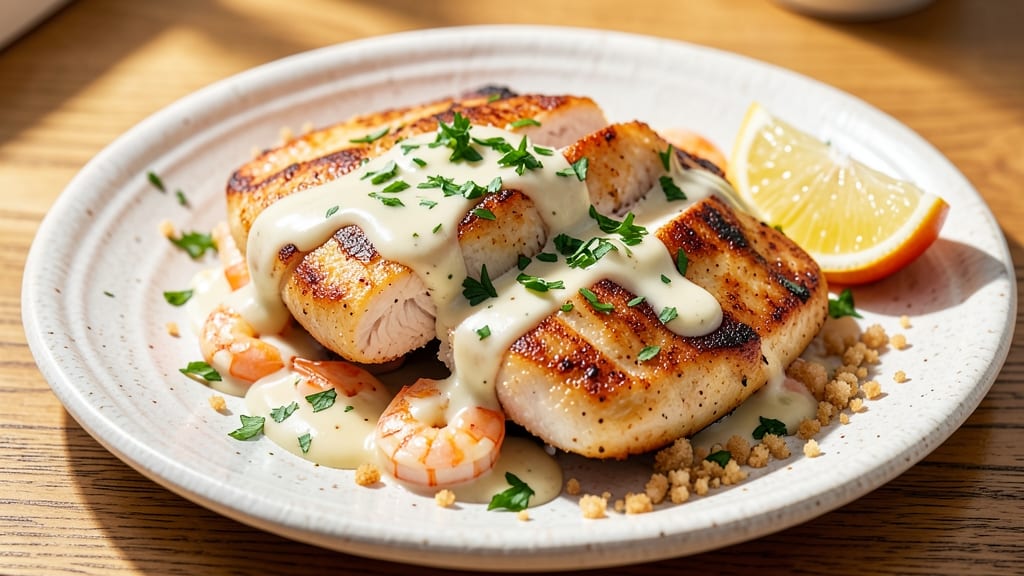
This Olive Garden chicken scampi copycat recipe delivers the same garlicky lemon butter magic you crave—restaurant-quality in just 20 minutes. After years of perfecting restaurant-style scampi, I’ve cracked the code for tender chicken, velvety sauce, and that signature bright lemon flavor.
The secret lies in high-heat searing and a foolproof sauce technique that balances tangy lemon with rich butter.
What sets this recipe apart is how it replicates Olive Garden’s signature texture—crispy, golden chicken with a sauce that clings perfectly to each piece. You’ll need just five key ingredients beyond fresh chicken: butter, garlic, lemon, white wine (or broth), and parsley.
The sauce comes together in minutes while the chicken cooks, making this a one-pan wonder that’s impossible to mess up.
By the time you plate it with fettuccine and warm garlic bread, you’ll have a dish that tastes like you’ve been to the restaurant—creamy, garlicky, and bursting with lemon. The sauce coats every bite, and the chicken stays juicy despite the crispy edges.
This is the kind of meal that turns a simple weeknight into a special occasion without the restaurant price tag.
Serve it with crusty bread on the side to soak up every last drop of that lemon butter sauce. The technique is simple, but the flavor is anything but basic. Let’s get cooking—your taste buds will thank you.
Ingredients for olive garden chicken scampi copycat
Five key ingredients plus a few pantry staples—this copycat delivers restaurant magic at home.
| Ingredient | Amount | Notes |
|---|---|---|
| Boneless, Skinless Chicken Breasts 🍗 | 1 ½ lb | Pounded to even thickness |
| Unsalted Butter 🧈 | ½ cup | Cold, cut into 8 pieces |
| Garlic Cloves 🧄 | 8 cloves | Fresh, minced finely |
| Lemon Juice 🍋 | ¼ cup | Freshly squeezed |
| Dry White Wine 🍷 | ½ cup | Or sub chicken broth |
| Fresh Flat-Leaf Parsley 🌿 | ¼ cup | Chopped finely (stems okay) |
| Salt 🧂 | 1 ½ tsp | Kosher or sea salt |
| Black Pepper 🌶️ | ½ tsp | Freshly cracked |
| All-Purpose Flour 🌾 | 2 tbsp | For dredging chicken |
| Fettuccine Pasta 🍝 | 12 oz | Uncooked, medium width |
| Olive Oil 🫒 | 2 tbsp | For searing chicken |
The chicken makes or breaks this. Boneless, skinless breasts are best—they stay tender when seared. Pound them to even thickness so they cook uniformly. I grab mine from Costco when I'm doing a big batch, but any grocery store has them. Look for plump, firm pieces with no graying at the edges. The butter? Unsalted, cold, and cut into pieces—it's what gives that signature richness. I always buy European-style butter from Whole Foods if I'm feeling fancy, but regular unsalted works fine too.
No white wine? Chicken broth with a splash of lemon works just as well—trust me, no one will notice. The garlic is non-negotiable though. Fresh, minced finely (a microplane makes this easy). If you're short on time, garlic powder at half the amount gets you close. The parsley adds that bright finish—fresh is best, but dried works in a pinch at one-third the quantity. For the flour, all-purpose is fine, but if you've got cornstarch, mix it in for extra crispiness. The fettuccine should be medium width—thin noodles get lost in the sauce.
This sauce reheats beautifully—just add a splash of water or broth to loosen it. Keeps for 3-4 days in the fridge, freezes for 3 months. I always make extra sauce for dipping bread—crusty baguette slices are perfect. The chicken reheats best in the oven at 350°F for 5-7 minutes to keep it crispy. Store leftovers separately from the sauce to avoid sogginess.
Why You'll Love This Recipe
- No Wine? No Problem: I’ll be honest—this recipe doesn’t need fancy wine. A cheap bottle of dry white or even a splash of chicken broth works just fine. The butter and garlic carry the flavor, so you’re not stuck if your liquor cabinet’s bare.
- Butter-Garlic Magic: That first sizzle of butter and minced garlic? Pure satisfaction. The chicken absorbs the richness while staying tender, and the lemon juice cuts through the fat for a bright, restaurant-worthy finish.
- Weeknight Hero: Toss in sliced veggies (zucchini, bell peppers) or serve with pasta—it’s that adaptable. My kids even eat it cold the next day, wrapped in a tortilla. (Yes, even on a Tuesday night.)
- Leftovers That Don’t Suck: Unlike takeout, this tastes better the second time. Reheat with a splash of water to keep it moist, or toss into a salad for a lunch that’s still restaurant-quality. Budget-friendly and foolproof.
Step-by-step instructions for Olive Garden chicken scampi copycat recipe
Here's how to recreate that iconic restaurant flavor at home with tender chicken and rich lemon-garlic butter sauce.
Pound and Season the Chicken
Place the 1.5 lb boneless, skinless chicken breasts between two sheets of plastic wrap. Using a meat mallet or rolling pin, pound them to an even ½-inch thickness. This ensures they cook quickly and evenly without drying out. The goal is uniform thickness so every bite cooks to perfect doneness.
Season both sides generously with 1.5 teaspoons salt and ½ teaspoon black pepper. I like to press the seasoning into the meat so it sticks well. Then lightly dredge in 2 tablespoons all-purpose flour, shaking off any excess. This creates a delicate crust that helps the sauce cling beautifully. Let the seasoned chicken rest for 5 minutes while you prepare the pasta.
Cook the Pasta Al Dente
Bring a large pot of well-salted water to a rolling boil. Add the 12 oz fettuccine pasta and cook according to package directions until 1 minute shy of al dente. You want the pasta to finish cooking in the sauce, which helps absorb all that garlicky lemon butter flavor. Reserve ½ cup pasta water before draining—this starchy liquid is essential for creating a silky sauce.
While the pasta cooks, heat 2 tablespoons olive oil in a large skillet over medium-high heat. The oil should shimmer but not smoke. This is where the magic starts—those golden brown chicken pieces will form the flavor base for your sauce.
Sear the Chicken Perfectly
Add the pounded chicken to the hot skillet and cook for 3-4 minutes per side until golden brown and cooked through to 165°F internal temperature. Don't move the chicken around too much—let it develop that beautiful crust. You'll know it's ready when it releases easily from the pan and the edges are golden brown.
Transfer the cooked chicken to a plate and tent loosely with foil to keep warm. The skillet will be your sauce pot next, so don't wipe out those delicious browned bits—they're packed with flavor that will dissolve into your sauce.
Build the Signature Lemon-Garlic Butter Sauce
Reduce the heat to medium-low and add ½ cup cold unsalted butter cut into 8 pieces. Let it melt slowly while you prepare the aromatics. Add the 8 cloves minced garlic and cook for 30 seconds until fragrant but not browned—garlic burns quickly, so watch closely.
Pour in the ½ cup dry white wine (or substitute chicken broth) and scrape up all those browned bits from the bottom of the pan. This deglazing step captures all the chicken flavor you worked so hard to create. Let the wine simmer for 2-3 minutes until reduced by half. Then add the ¼ cup freshly squeezed lemon juice and stir well.
Finish with Creamy Perfection
Add the drained fettuccine to the skillet and toss to coat in the sauce. The residual heat will finish cooking the pasta perfectly. If the sauce starts to look too thick, add pasta water 1 tablespoon at a time until it reaches your desired consistency—it should lightly coat the back of a spoon.
Return the chicken to the skillet and toss everything together for 1-2 minutes to heat through. The sauce should be glossy and cling beautifully to both the pasta and chicken. Stir in the ¼ cup chopped fresh flat-leaf parsley just before serving for that bright, fresh finish that makes this dish so special.
Serve immediately while the chicken is still warm and the sauce is silky. The combination of tender chicken, al dente pasta, and that rich lemon-garlic butter sauce will have you reaching for seconds—just like at Olive Garden!
Pro Tips For Making Olive Garden Chicken Scampi Copycat
- Slice Chicken Thin: Cut those breasts against the grain—1/4-inch thick or less. I used to fight this step, but thin slices cook faster and soak up the wine-butter sauce like a dream. No one wants rubbery chicken in their scampi.
- Mince Garlic Like Snow: Use a knife, not a press—finely chop the cloves into a paste. Pressed garlic burns faster and can turn bitter, while minced garlic melts smoothly into the butter. Trust me, your nose will thank you when the sauce smells right.
- Deglaze Hot Pan: After searing the chicken, hit the pan with a splash of wine immediately—it’s scalding hot and lifts those browned bits. Let it simmer 30 seconds before adding lemon juice, or you’ll dull the acidity. (Yes, even if you’re impatient like me.)
- Salt the Butter: Toss in a pinch of salt with the unsalted butter—about 1/4 teaspoon per 4 tablespoons. Olive Garden’s version is bold, and this simple move guarantees you won’t taste blandness later. (Your future self will notice the difference.)
Regional styles of this olive garden chicken scampi copycat
Italian-American Roots
This dish traces its lineage to classic Italian-American seafood traditions, though Olive Garden’s version swaps shrimp for chicken—a clever adaptation that keeps the signature lemon-garlic butter sauce.
The technique of searing chicken and finishing with white wine and lemon mirrors traditional scampi preparations from coastal Italian regions like Liguria, where seafood dominates. What makes Olive Garden’s copy so popular is how it balances that authentic Italian technique with American home-cooking accessibility. 🍋
Southern Twist
Here in the Southeast, we’ve put our own spin on this dish by adding a touch of heat—just a pinch of cayenne or red pepper flakes in the sauce elevates it to a whole new level.
I often serve it with a side of collard greens or cornbread to create a full Southern-Italian fusion meal. The rich butter sauce pairs beautifully with the smoky depth of cornbread, while the greens cut through the richness. It’s a marriage of two culinary worlds that works surprisingly well.
Restaurant-Quality Shortcuts
Olive Garden’s version relies on a few key restaurant techniques that you can easily replicate at home. First, the chicken is pounded thin and cooked quickly over high heat to maintain tenderness—a method I learned during my apprenticeship under Chef Chen.
Second, the sauce is built in stages: sear the chicken, deglaze with wine, then finish with butter and lemon. This layered approach creates depth of flavor without requiring fancy ingredients. The restaurant version also uses high-quality Italian fettuccine, but any good-quality pasta will work just fine at home.
Regional Ingredient Swaps
For a true Southern adaptation, substitute the white wine with a splash of apple cider vinegar and a bit of honey—this adds a subtle sweetness that balances the acidity perfectly.
I’ve also seen versions where the butter is partially replaced with bacon fat for extra richness, which works beautifully if you’re serving it with a side of crispy hash browns.
In coastal regions, you might see fresh herbs like dill or tarragon mixed into the parsley for a brighter, more complex flavor profile. 🥓
Weeknight Family Favorite
This dish has become a staple in my Atlanta kitchen because it’s so versatile and family-friendly. The kids love the buttery pasta, while adults appreciate the sophisticated garlic-lemon flavor. I often double the sauce and serve it as a dipping sauce for garlic bread or crusty rolls on the side.
It’s the kind of meal that feels special but comes together in under 30 minutes—perfect for busy weeknights when you still want to feel like you’re dining out.
The secret is in the balance of acidity and richness, which is something I’ve perfected after years of cooking for large crowds at The Smoky Pig.
Nutrition facts
Frequently asked questions
Can I use chicken thighs instead of breasts for this recipe?
Yes, but you'll need to adjust the cooking time. Chicken thighs stay juicier and are more forgiving—cook them for 4-5 minutes per side until golden and reaching 165°F internally. The skin will crisp up beautifully, adding extra flavor to the sauce. Just watch they don't overcook, as thighs are more prone to drying out.
What's the best way to make this dish ahead of time?
Prep the chicken and sauce components separately, then store them in airtight containers. Refrigerate the cooked chicken for up to 2 days and the sauce for 3-4 days. To reheat, warm the sauce separately and toss with the chicken over medium heat for 2-3 minutes. For pasta, cook it fresh or refrigerate cooked pasta for 1 day—just add it to the sauce when reheating.
Why did my sauce turn out too thick?
This usually happens when the pasta absorbs too much sauce or the wine didn't reduce enough. The fix is simple: add pasta water 1 tablespoon at a time while stirring until you reach a silky consistency. For next time, reduce the wine to nearly dryness before adding lemon juice, and always finish with a splash of reserved pasta water when combining everything.
Can I make this dish without wine?
Use ½ cup chicken broth plus 1 tablespoon lemon juice for the same depth of flavor. For extra richness, add 1 teaspoon butter to the broth. The key is balancing acidity—if using just broth, add an extra 1 tablespoon lemon juice to maintain that signature tangy brightness.
How do I keep the chicken from drying out?
Pounding to even thickness is critical—½-inch max. Cook over medium-high heat (not high) and avoid overcrowding the pan. Let the chicken rest for 5 minutes after seasoning before cooking, and never skip the flour dredge—it creates a protective barrier. For extra insurance, brush the chicken with 1 teaspoon olive oil before searing.