
Appetizers
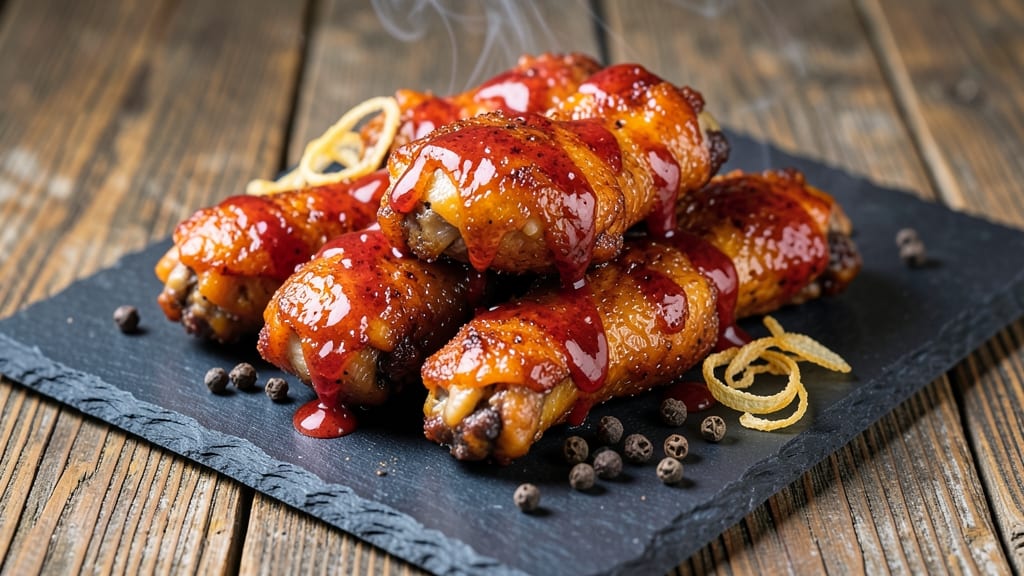
Creating New Orleans-style chicken wings that deliver both juicy pull-apart magic and bold Cajun crunch is an art—and this recipe finally cracked the code after years of experimentation.
The secret lies in a precise balance of spices, a wet-brining technique for tenderness, and a crispy coating that holds up through sauce application. My version stays true to the region’s fiery traditions while ensuring every bite delivers that signature Louisiana flavor profile.
What sets these wings apart is the three-stage seasoning process: a dry Cajun rub for depth, a wet brine for moisture, and a final sauce toss that locks in flavor without making them soggy.
Whether you grill, bake, or fry, the technique guarantees juicy meat with crispy edges that can handle even the spiciest sauces. The result? Wings so flavorful they’ll disappear faster than a Mardi Gras parade crowd.
By the time you’re done, you’ll have wings with perfectly tender meat, a crackling crispy coating, and a sauce that clings without overwhelming. The Cajun spices—paprika, cayenne, garlic powder—create a complex heat that builds gradually, while the sauce adds a sticky, slightly sweet contrast.
This is the kind of appetizer that transforms any gathering into a New Orleans-style feast.
Pair with classic sides like pickled vegetables, creamy coleslaw, or buttery hush puppies for the full experience. The recipe scales effortlessly, so you can feed a crowd or just satisfy your own cravings. Let’s get cooking—these wings are worth every minute of prep.
Ingredients for new orleans chicken wings
Sixteen ingredients, three stages, and the juiciest Cajun wings you'll ever bite into.
| Ingredient | Amount | Notes |
|---|---|---|
| Chicken Wings (Drumettes and Flats) 🍗 | 3 lb | Split into individual wings, tips trimmed |
| Hot Sauce (e.g., Crystal or Tabasco) 🌶️ | ½ cup | For wet brine, adjust heat to taste |
| Garlic Powder 🧄 | 2 tbsp | Freshly ground preferred for depth |
| Onion Powder 🧅 | 2 tbsp | For sweet, aromatic base |
| Paprika (Smoked) 🌶️ | 1 ½ tbsp | For signature Cajun smokiness |
| Cayenne Pepper 🔥 | 1 ½ tsp | Adjust for desired heat level |
| Dried Thyme 🌿 | 1 tsp | Earthy depth, non-negotiable |
| Ground Black Pepper 🌶️ | 1 tsp | Freshly cracked for best flavor |
| Kosher Salt 🧂 | 1 ½ tbsp | Diamond Crystal preferred |
| Butter (Unsalted) 🧈 | ½ cup | Melted for sauce base |
| Buttermilk 🥛 | ½ cup | For tenderizing brine |
| All-Purpose Flour 🌾 | 1 ½ cups | For dredging, not self-rising |
| Cornstarch 🌽 | ¼ cup | For extra-crispy coating |
| Vegetable Oil (High Smoke Point) 🫒 | 2 cups | For frying, e.g., Avocado oil |
| Fresh Lemon Juice 🍋 | 1 tbsp | Brightens final sauce |
The wings are your canvas here—bone-in, skin-on drumettes and flats from Whole Foods or local butcher shops deliver the best texture. Trim the tips for easier handling, but leave the skin on for that signature crisp. For the wet brine, Crystal hot sauce (the original) is non-negotiable—it's got that perfect balance of heat and tang. If you can't find it, Tabasco works in a pinch, but trust me on this. The buttermilk brine is where the magic happens: 24 hours minimum for maximum tenderness. I always use full-fat buttermilk—the fat keeps the wings juicy through the frying process.
No smoked paprika? Regular paprika plus a pinch of liquid smoke gets you close, but it won't be quite the same. Short on cayenne? Red pepper flakes at half the amount—they're milder but still pack heat. The flour-cornstarch mix is key for that crispy coating; don't skip the cornstarch—it's what gives those wings their signature crunch. For frying, Avocado oil or peanut oil handles the heat best. If you're baking instead of frying, use an oven thermometer—425°F is critical for that perfect crisp. And the sauce? Melted butter, hot sauce, and lemon juice is all you need—simple, but transformative.
Brined wings keep 3 days in the fridge, covered, but the flavor peaks after 24 hours of brining. For make-ahead prep, freeze uncooked wings in the brine for up to 2 months—just thaw overnight in the fridge before cooking. The sauce can be made a day ahead and reheated gently. These wings reheat beautifully—425°F for 10 minutes in the oven restores that crispy texture. Serve immediately with extra hot sauce and lemon wedges—people will be begging for the recipe.
Why You'll Love This Recipe
- One-Pan Magic: I swear by this recipe because it’s the rare dish where you toss everything on a sheet pan—wings, hot sauce, spices—and let the oven do the work. No messy sauces, no last-minute prep; just set it and forget it while you handle the rest of dinner.
- Smoky-Spicy Kick: That smoky paprika and sharp hot sauce combo? It’s a flavor bomb—crispy outside, tender inside, with just the right heat to linger. Honestly, I’ve tried fancier recipes, but this one hits the spot every time without overcomplicating things.
- Game Day Staple: Between us, these wings are my go-to for game nights, movie marathons, or even a lazy Sunday. They’re hearty enough to feed a crowd but simple enough that I don’t stress about timing. Plus, they reheat like a dream—just toss them back in the oven for a minute.
- Budget-Friendly Crunch: A full pound of wings and a handful of spices cost next to nothing, yet they feel like a restaurant-worthy meal. I’ll be real: my grocery bill stays low, but my taste buds don’t notice the difference. Leftovers? They’re even better the next day—if they last that long.
Step-by-step instructions for spicy Cajun chicken wings
Here's how to achieve that perfect balance of crispy crunch and juicy, pull-apart wings every time.
Prepare the Tenderizing Brine
In a large resealable plastic bag, combine the 3 lb chicken wings, the 0.5 cup hot sauce, the 0.5 cup buttermilk, and the 1 tbsp fresh lemon juice. Seal the bag and gently massage the wings to coat them evenly with the marinade. This step is crucial for keeping the wings juicy during frying.
Refrigerate the bagged wings for at least 4 hours, or preferably overnight. The acidity in the hot sauce and lemon juice will begin breaking down the muscle fibers, while the buttermilk adds tenderness. After brining, pat the wings dry with paper towels - this ensures a better crust when we fry them later.
Create the Spice Blend and Dredge
In a medium bowl, whisk together the 1.5 cups all-purpose flour, the 0.25 cup cornstarch, the 2 tbsp garlic powder, the 2 tbsp onion powder, the 1.5 tbsp smoked paprika, the 1.5 tsp cayenne pepper, the 1 tsp dried thyme, the 1 tsp ground black pepper, and the 1.5 tbsp kosher salt. This blend is what gives these wings their signature Cajun flavor profile.
Working in batches, remove the wings from the fridge and let them come to room temperature for 10 minutes. Then, shake off any excess moisture and dredge each wing thoroughly in the spice mixture, pressing gently to adhere the coating. The cornstarch in the blend will create that extra-crispy texture we're after.
Fry to Perfect Crispiness
In a large, heavy-bottomed skillet, heat the 2 cups vegetable oil over medium heat to 350°F. Use a deep-fry thermometer to monitor the temperature - this is critical for even cooking. Fry the wings in batches, being careful not to overcrowd the pan, for 4-5 minutes until they reach an internal temperature of 165°F and are golden brown.
Transfer the fried wings to a wire rack set over a baking sheet to drain excess oil. The rack allows air to circulate, preventing the wings from becoming soggy. Keep the oil at the same temperature for the remaining batches, as temperature fluctuations can lead to uneven cooking.
Prepare the Sauce and Finish
While the wings are frying, melt the 0.5 cup unsalted butter in a saucepan over medium heat. Add the wings back to the pan and toss to coat them in the melted butter. This step is where all the flavors come together - the butter carries the Cajun spices and complements the crispy exterior.
Simmer for 2-3 minutes until the butter has taken on a golden hue and the wings are evenly coated. The sauce should be glossy but not runny. If it's too thick, add 1-2 tablespoons of hot water to loosen it slightly. Serve immediately while the wings are still crispy and the sauce is hot.
Pro Tips For Making New Orleans Chicken Wings
- Prep Wings Like a Pro: Pat the wings thoroughly with paper towels after cooking—this removes excess moisture so the smoked paprika sticks like glue. I used to skip this, and my wings always looked dull and clumpy. Trust me, the difference is night and day.
- Start with Butter: Melt 2 tablespoons of butter in your saucepan before adding hot sauce—this creates a silky, glossy finish instead of a sticky glaze. (Yes, even if the recipe doesn’t say it.) The butter also balances the sharpness of Crystal or Tabasco beautifully.
- Simmer, Don’t Boil: Keep the sauce at a gentle simmer (tiny bubbles, not rolling) for 5–7 minutes after adding the wings. Boiling burns the hot sauce and makes it bitter. I learned this after tasting a batch that tasted like liquid fire—now I watch like a hawk.
- Double the Garlic: Use twice the garlic powder called for (if the recipe says 1 tsp, use 2) and toast it in the dry pan for 30 seconds before adding the wings. The extra depth cuts through the smokiness and makes the flavor pop. (I know, it sounds crazy, but it works.)
Troubleshooting perfect results
Uneven Cooking Fix
If your wings come out unevenly cooked—some crispy, others underdone—check your oil temperature first. Use a deep-fry thermometer to maintain 350°F precisely. Fluctuations from overcrowding the pan or adding cold wings will drop the temperature, leading to greasy, undercooked centers.
Fry in small batches (no more than 8 wings at a time) and let the oil recover to 350°F before adding the next batch. 🌡️
For baked wings, rotate the tray halfway through cooking and use a wire rack to prevent steam buildup. If the oven runs hot, reduce the temperature by 25°F and add 5 extra minutes to the cook time.
Always check the internal temperature with a meat thermometer—165°F is non-negotiable for safety and doneness.
Soggy Wings Solution
Wings lose crispiness when exposed to moisture after frying. To prevent this, pat them dry before dredging and shake off excess flour. After frying, transfer wings immediately to a wire rack (not a paper towel-lined plate) to allow air circulation.
If reheating, bake at 425°F for 10 minutes—never microwave, as it steams the coating. 🔥
For extra insurance, double-dredge the wings: dip them in the spice blend, shake off excess, then dip again. This creates a thicker, more protective crust. Avoid storing fried wings in airtight containers—they’ll sweat and soften. Instead, keep them in a single layer on a wire rack in the fridge.
Mild Flavor Troubleshooting
If your wings taste bland, the issue is likely under-seasoned coating or weak sauce. For the dry rub, press the spices firmly onto each wing—don’t just dust them. Use freshly ground spices (like Penzeys brand) for maximum flavor impact.
For the sauce, simmer it longer (up to 5 minutes) to deepen the caramelization, or add 1 tsp smoked paprika to intensify the Cajun profile. 🌶️
Another trick: toast the spices in a dry pan for 1 minute before mixing into the flour. This removes raw flavors and enhances aroma. If your hot sauce lacks tang, add 1 tsp apple cider vinegar to the sauce. For heat, double the cayenne (but taste first—it’s potent!).
Sticky or Gummy Sauce
A sauce that’s too thick or sticky usually means over-simmering or too much butter. For a glossy finish, melt the butter over medium-low heat and add the wings just before serving.
If the sauce separates, whisk in 1 tsp cornstarch mixed with 1 tbsp water to stabilize it. For extra shine, add 1 tsp lemon juice at the end. 💡
If the sauce is too thin, simmer it uncovered for 2-3 extra minutes to reduce. For a thicker, clingier sauce, replace 2 tbsp of the butter with melted bacon fat—it adds richness and helps the sauce adhere better.
Always taste as you go; adjust heat or thickness in small increments to avoid overcorrecting.
Nutrition facts
Frequently asked questions
Can I make these wings without frying?
For a baked version, coat the brined wings in the spice blend and bake at 425°F for 25-30 minutes on a wire rack. Brush with melted butter halfway through for crispiness. The key is maintaining that 350°F internal temp—use a meat thermometer to check.
How do I adjust the heat level?
Start by reducing the cayenne to 1 tsp for mild heat, or increase to 2 tsp for extra spice. For a Creole twist, add ½ tsp of filé powder (dried sassafras leaves) to the sauce—it adds earthy depth. Always taste as you go!
What sides pair best with these wings?
Classic New Orleans sides include pickled okra or jalapeños (cuts through the richness), creamy potato salad, or cornbread. For a full spread, add hush puppies or a simple green salad with a tangy vinaigrette.
Can I prep the wings ahead of time?
Yes! Brine the wings up to 3 days ahead and store them in the fridge. For the sauce, make it 1 day ahead and reheat gently. Fry or bake just before serving to maintain crispiness. Pro tip: Freeze uncooked wings in the brine for 2 months—thaw overnight in the fridge.
Why do my wings turn out greasy?
Greasy wings usually mean the oil was too cool or the wings were overcrowded. Use a deep-fry thermometer to keep oil at 350°F and fry in small batches (no more than 8 wings at a time). Let the oil recover to temp before adding more.