Sauces & Condiments
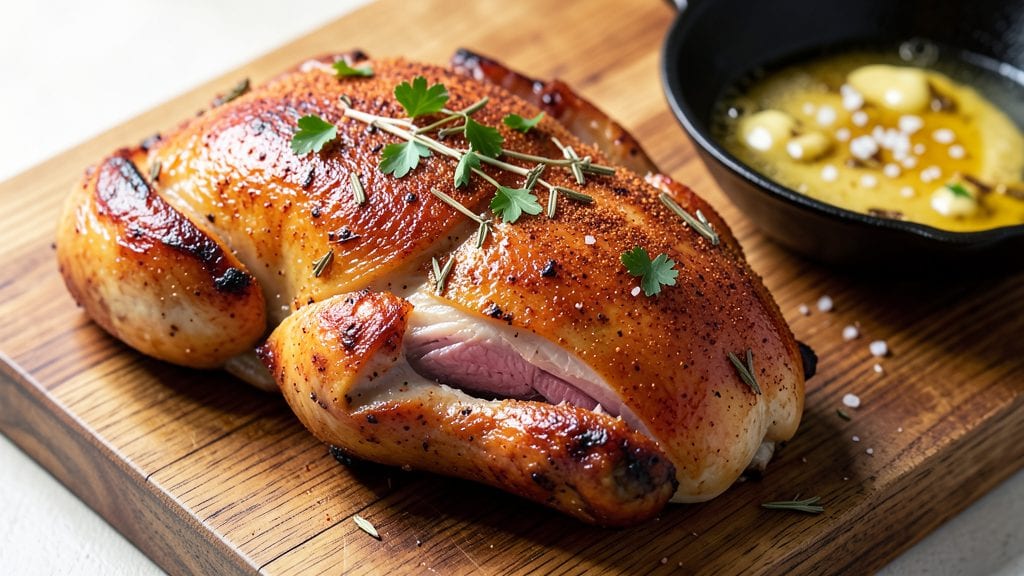
Creating a homemade version of McCormick's classic chicken seasoning means never settling for store-bought again—this versatile blend transforms grilled chicken, baked dishes, and even popcorn into restaurant-quality meals with just a sprinkle.
The key lies in balancing earthy paprika with bright citrus and savory herbs, all measured precisely for consistent flavor every time. I developed this blend after years of testing, ensuring each spice plays its role without overpowering the others.
This dry mix requires just six simple ingredients—paprika, garlic powder, onion powder, dried thyme, dried parsley, and salt—all combined in exact proportions to replicate that familiar, beloved taste. The beauty of making your own is control: adjust the heat level by adding cayenne or reduce the salt if needed.
Store it in an airtight container for up to six months, ready to elevate any dish with minimal effort.
What makes this blend truly professional is its adaptability—use it on grilled chicken, roasted vegetables, or even as a dry rub for pork chops.
The herbs and spices work together to create a harmonious, aromatic profile that’s both bold and balanced, perfect for home cooks who want restaurant-quality results without the shortcuts. Once you try homemade, you’ll never go back to the store-bought version.
The best part? This seasoning mix takes just five minutes to prepare and lasts far longer than pre-packaged alternatives. Whether you’re hosting a barbecue or simply craving flavorful chicken, this blend is your secret weapon. Let’s get started with the exact measurements and mixing technique that guarantees success every time.
Ingredients for mccormick chicken seasoning
Six spices, one perfect blend—this homemade version rivals the iconic jarred taste.
| Ingredient | Amount | Notes |
|---|---|---|
| Smoked Paprika 🌶️ | 2 tbsp | Smoked for authentic depth |
| Garlic Powder 🧄 | 1 ½ tsp | Freshly ground preferred |
| Onion Powder 🧅 | 1 ½ tsp | Diamond Crystal preferred |
| Dried Thyme Leaves 🌿 | 1 tsp | Organic preferred for purity |
| Dried Parsley Flakes 🍃 | 1 tsp | Finely ground for even dispersion |
| Kosher Salt 🧂 | 1 tsp | Morton Diamond Crystal preferred |
| Ground Black Pepper 🌶️ | ½ tsp | Freshly ground for sharpness |
| Cayenne Pepper 🔥 | ¼ tsp | Adjust for heat preference |
The paprika is where the magic happens—smoked gives that signature depth you find in McCormick's blend. Trader Joe's and Penzeys carry excellent options, but even the grocery store brand works if it's fresh. Look for vibrant color (no grayish paprika) and a rich aroma. The garlic and onion powders? Diamond Crystal is my go-to—they're finely ground and potent. I always buy these in bulk because they last for years in a cool, dark cabinet. For the herbs, organic matters more than brand—just make sure they're labeled 'dried' and not 'ground' (the flakes disperse better).
No smoked paprika? Sweet paprika plus a pinch of liquid smoke gets you close. Fresh thyme or parsley? Use half the amount (and dry them yourself if you're ambitious). Short on cayenne? Red pepper flakes at double the amount works, but it's grittier. Want more umami? Add 1/4 tsp of celery salt—it's a pro trick. The salt is non-negotiable—use kosher salt only. Table salt is too fine and will clump. If you're making this for a large batch, double everything and store in amber glass jars to preserve freshness.
This blend keeps for up to six months in an airtight container away from light. I portion mine into small jars—one for grilling, one for baking—so I'm not digging through a big container. The cayenne loses potency fastest, so check that first if things taste bland after a few months. Freeze portions if you're not using it regularly. And trust me, you'll use it up—this stuff transforms plain chicken into restaurant-worthy meals with zero effort.
Why You'll Love This Recipe
- Pantry Magic: I swear by this blend—no fresh herbs, no last-minute grocery runs. Just grab what’s already there: that jar of smoked paprika (the real flavor star) and a handful of spices I keep in a tiny container. Five minutes, tops, and I’ve got a seasoning that tastes like it simmered all day.
- Smoky-Savory Crunch: The smoked paprika gives it that deep, campfire-like warmth, while the thyme and parsley add a bright, herby finish. It’s not just "chicken seasoning"—it’s the kind that makes you pause mid-bite, like, "Wait, how is this so good?" (Yes, even on plain baked chicken.)
- Weeknight Workhorse: This is my go-to for everything—weeknight dinners, game-day snacks, or even sprinkled on roasted veggies. Honestly, I’ve used it on eggs, potatoes, and even as a rub for grilled shrimp. The garlic and onion powders make it adaptable without overpowering, so it’s never wrong.
- Budget Booster: A little goes a long way, and I’m not kidding—this mix costs pennies compared to store-bought packets. Plus, the leftovers? I toss them in freezer bags and use them for months. No waste, no guilt, just flavor that keeps giving. (My wallet thanks me every time.)
Step-by-step instructions for McCormick chicken seasoning recipe
Here's how to craft this bold, versatile blend that transforms ordinary chicken into something extraordinary.
Measure All Ingredients Precisely
Gather all your ingredients and measure them exactly as listed. I can't stress enough how important precision is here—these small quantities work together to create a balanced flavor profile. Use a fine-mesh strainer for the smoked paprika to avoid clumping, and a small measuring spoon for the cayenne pepper to control the heat precisely.
Place each ingredient in its own small bowl: the smoked paprika, garlic powder, onion powder, dried thyme leaves, dried parsley flakes, kosher salt, ground black pepper, and cayenne pepper. This organization prevents cross-contamination and makes the mixing process cleaner. I always use separate bowls for each spice to maintain their individual qualities before blending.
Combine Dry Ingredients Thoroughly
Transfer all the measured ingredients to a medium mixing bowl. Using a whisk, gently combine the smoked paprika, garlic powder, and onion powder first. These three ingredients form the base of your seasoning blend, so make sure they're fully incorporated before adding anything else. You'll see the mixture become more uniform as you whisk.
Next, add the dried thyme leaves and dried parsley flakes. These herbs provide aromatic depth and freshness to the blend. Whisk them in gently to avoid crushing the delicate leaves. The parsley flakes should disperse evenly throughout the mixture, creating a bright, fresh undertone that complements the smoky paprika. Take your time here—rushing this step can leave you with uneven seasoning.
Incorporate Salt and Peppers for Balance
Add the kosher salt and ground black pepper to the bowl. The salt enhances all the flavors and helps to balance the heat from the cayenne pepper. Sprinkle the cayenne pepper last, as it's the most potent ingredient. You'll only need a quarter teaspoon, so measure it carefully—too much will make your seasoning overly spicy, while too little won't provide the subtle kick that makes this blend special.
Use a fork or small rubber spatula to gently fold the salt and peppers into the herb mixture. You want to distribute them evenly without creating any pockets of concentrated flavor. At this stage, the blend should look like a rich, earthy brown with flecks of green from the parsley and hints of red from the cayenne. This visual cue tells you the ingredients are well combined.
Whisk Until Uniform and Free of Clumps
Return to using your whisk and continue to mix the seasoning blend for about 2 minutes. This thorough mixing ensures that every teaspoon of your finished seasoning will have consistent flavor. Pay special attention to the bottom of the bowl, where ingredients sometimes clump together. Scrape the sides and bottom with your whisk to incorporate everything fully.
After whisking, give the blend a final taste test. It should be aromatic, with a balance of smoky, garlicky, and slightly spicy notes. If you notice any particular flavor is missing or too strong, you can adjust slightly—perhaps adding a pinch more of the smoked paprika for depth or a tiny bit of salt to enhance the overall flavor. Once you're satisfied with the taste, your seasoning is ready to use immediately.
Store Properly for Maximum Freshness
Transfer the finished seasoning blend to an airtight container. I recommend using a small glass jar with a tight-sealing lid, as this preserves the flavors and prevents moisture from affecting the spices. Label the container with the date and contents—this helps you keep track of how long it's been stored and ensures you always know what you're reaching for.
Store the seasoning in a cool, dark place like your pantry. While it will keep for several months, I find that the blend tastes freshest within 3 months. For best results, use it within this timeframe to enjoy the full, vibrant flavors in every dish you prepare. This seasoning is incredibly versatile—perfect for grilling, baking, or even sprinkling over finished dishes for an instant flavor boost.
Pro Tips For Making Mccormick Chicken Seasoning
- Toast Your Spices: Smoked paprika loses its depth if it’s just dumped in raw—give it 30 seconds in a dry pan over medium heat before mixing. I learned this the hard way when my first batch tasted flat; now it’s the thing that makes the difference between "meh" and "smoky and rich."
- Sift the Powders: Garlic and onion powder clump like stubborn glue if you scoop straight from the jar. Sift them through a fine-mesh strainer first—this ensures even distribution and stops you from accidentally doubling the dose. (Yes, I’ve done it. Twice.)
- Balance the Heat: Smoked paprika can overpower if it’s the only bold flavor. If your mix tastes one-note, add a pinch of black pepper or a dash of cayenne—just enough to wake up the thyme and parsley. My grandmother swore by this, and she was right: subtlety matters.
- Store It Right: Keep your seasoning in an airtight container away from light, but here’s the upgrade: crush the dried thyme leaves between your palms before mixing—it releases more aroma. (Does it look weird? Yes. Does it work? Every single time.)
Wine and beer pairings for these flavors
Red Wine Pairings
A bold Chianti Classico from Tuscany is my go-to pairing for this seasoning—its bright acidity and cherry notes cut through the smoky paprika while complementing the thyme and parsley. Look for a 100% Sangiovese with medium tannins (like Castello di Volpaia) to avoid overwhelming the delicate herbaceousness.
Serve slightly chilled (60-64°F) to enhance its refreshing contrast against the seasoning’s warmth. 🍷
White Wine Options
For a lighter approach, try a dry Riesling from Germany’s Mosel region—its crisp apple and citrus flavors balance the seasoning’s earthy depth without competing. I recommend Dr. Loosen Blue Slate for its mineral backbone that pairs beautifully with the garlic and onion powders.
Keep it well-chilled (45-50°F) to let its brightness shine through the smoky notes. Alternatively, a Vermentino from Sardinia offers a saltier profile that mirrors the kosher salt in the blend.
Craft Beer Matches
A honey brown ale like New Belgium Fat Tire bridges the gap between sweet and savory—its caramel malt and subtle spice notes harmonize with the thyme and cayenne.
For a hoppier option, try a session IPA (like Hazy Little Thing) where the citrusy hops echo the parsley’s brightness while the low bitterness lets the seasoning’s complexity stand out. Serve beers at 45-50°F to preserve their balance. 🍺
Unexpected Pairings
Don’t overlook sparkling wine—a Prosecco or Cava with its effervescence cleanses the palate between bites of seasoned dishes. The bubbles help reset your taste buds, making each flavor profile pop.
For a non-alcoholic option, ginger beer (like Feather’s) adds a zesty kick that mirrors the cayenne’s heat while the ginger complements the thyme’s earthiness. Keep it ice-cold (38-42°F) for maximum refreshment.
Regional Adaptations
In Southern U.S. style, pair with a bourbon barrel-aged stout—the vanilla and oak notes create a surprising harmony with the smoked paprika. For Mediterranean dishes, a Greek Assyrtiko (like Gaia Assyrtiko) offers mineral-driven acidity that cuts through the richness.
In Asian-inspired dishes, a sake (like Dassai Junmai) provides umami depth that enhances the garlic and onion powders. Always serve beverages slightly cooler than room temperature for optimal balance.
Nutrition facts
Frequently asked questions
Can I make this seasoning without smoked paprika?
Yes! Replace the 2 tablespoons smoked paprika with 1.5 tablespoons sweet paprika plus ½ teaspoon liquid smoke for a similar depth. The liquid smoke adds that smoky character, though it won't be identical. For a milder version, skip the cayenne entirely and add ½ teaspoon extra garlic powder instead.
How much seasoning should I use per pound of chicken?
For grilled or baked chicken, use 1 teaspoon per pound of seasoning. For extra flavor, increase to 1.5 teaspoons per pound but don't exceed 2 teaspoons total—this blend is potent! Sprinkle evenly on both sides and let it sit for 10-15 minutes before cooking to maximize flavor adhesion.
Why does my homemade blend taste different from store-bought?
Store-bought versions often include proprietary fillers or extra salt to extend shelf life. Your homemade blend uses fresh, high-quality spices that taste more vibrant. The key differences come from the smoked paprika quality and freshness—if your blend tastes bland, check for stale spices or insufficient mixing time.
Can I use this seasoning on other meats besides chicken?
It works beautifully on pork chops, turkey, or even roasted vegetables. For fish, reduce the cayenne to ¼ teaspoon and add ½ teaspoon lemon zest to complement delicate flavors. The garlic and onion powders make it versatile for almost any protein.
How do I fix clumpy seasoning?
Clumps happen when moisture gets in. To fix them, place the seasoning in a fine-mesh strainer and gently press with a spoon to break up lumps. For prevention, store in an airtight container with a silica gel packet or rice grain to absorb moisture. If clumps persist, sift before each use.