Main Courses
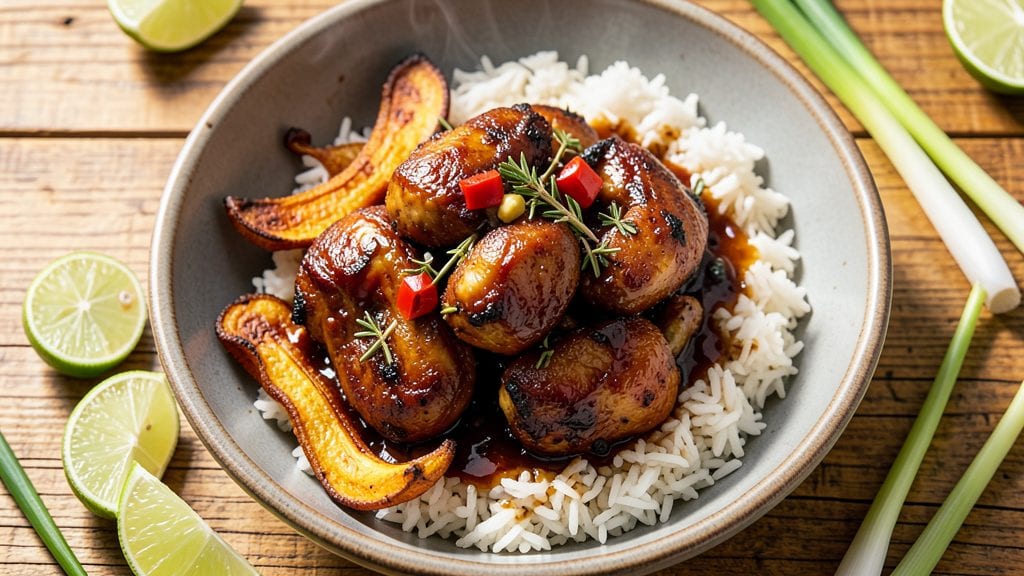
McCormick Caribbean Jerk Seasoning Chicken delivers the bold, smoky-sweet flavors of the Caribbean right to your kitchen table—crispy skin that shatters with every bite, tender meat infused with allspice, thyme, and a hint of heat. I first perfected this technique during a Charleston summer when I wanted to bring the energy of a Jamaican jerk stand to my backyard grill, and it’s been a crowd-pleaser ever since. The secret lies in marinating the chicken for at least 4 hours (overnight is even better) to let those complex spices penetrate deeply.
What sets this recipe apart is the balance of heat and sweetness—just enough scotch bonnet to wake up your taste buds without overwhelming the dish. Using McCormick’s pre-blended seasoning saves time while delivering authentic Caribbean flavor, and the high-heat grilling or roasting method ensures that crispy skin you crave.
This isn’t just another spicy chicken recipe; it’s a taste of the islands that transforms a simple weeknight dinner into a flavor adventure.
The result is juicy, perfectly seasoned chicken with a caramelized crust that’s impossible to resist. Serve it alongside steamed rice, grilled plantains, or a fresh coleslaw to round out the meal—each bite is a harmony of smoky, sweet, and spicy notes that linger long after the last forkful.
Whether you’re hosting a dinner party or craving a taste of the Caribbean, this recipe delivers restaurant-quality flavor with minimal effort.
Pro tip: Let the chicken rest for 5 minutes after cooking to keep it juicy, and don’t skip the marinade—it’s the foundation of that bold, complex flavor profile. Here’s how to make it happen.
Ingredients for mccormick caribbean jerk seasoning chicken
Bold Caribbean flavors start with these 12 ingredients—crispy skin, tender meat, and that perfect jerk heat balance.
| Ingredient | Amount | Notes |
|---|---|---|
| Boneless, Skinless Chicken Thighs 🍗 | 1 ½ lb | Cut into even 1-inch pieces |
| McCormick Caribbean Jerk Seasoning 🌶️ | ½ cup | Plus extra for coating |
| Scotch Bonnet Peppers 🌶️ | 1 whole | Seeds removed for less heat |
| Fresh Thyme Leaves 🌿 | ¼ cup | Chopped, stems removed |
| Fresh Garlic Cloves 🧄 | 6 cloves | Minced for marinade |
| Brown Sugar 🍚 | ¼ cup | Light or dark variety |
| Extra-Virgin Olive Oil 🫒 | ¼ cup | For marinade and basting |
| Lime Juice 🍋 | ¼ cup | Freshly squeezed |
| Salt 🧂 | 1 ½ tsp | Diamond Crystal preferred |
| Ground Black Pepper 🌶️ | ½ tsp | Freshly cracked |
| All-Purpose Flour 🌾 | ¼ cup | For coating chicken |
| Unsalted Butter 🧈 | 2 tbsp | Melted for basting |
The McCormick Caribbean Jerk Seasoning is your shortcut to authentic flavor, but don’t skimp on the fresh ingredients. Scotch bonnet peppers are key—find them at Latin markets or well-stocked grocery stores like Whole Foods. If you can’t locate them, habanero with seeds removed works in a pinch. The chicken thighs should be bone-in for juiciness, but skinless makes crisping easier. For the thyme, grab a small bunch and use half fresh, half dried if you’re prepping ahead. The brown sugar here is essential—it caramelizes beautifully during cooking, adding that signature sweetness.
No scotch bonnet? Red pepper flakes at half the amount will add heat without the fruity depth. Dried thyme works but use one-third the amount of fresh. The lime juice can be bottled in a bind, but fresh is worth the squeeze. For the olive oil, Kirkland Signature or California Avocado brands have the right balance of flavor and heat tolerance. If you’re making this ahead, marinate the chicken for up to 24 hours—the longer it sits, the deeper the flavor. And trust me, the extra 15 minutes of marinating time makes all the difference.
This chicken reheats beautifully—just 5 minutes at 350°F with a splash of water keeps it juicy. Store leftovers in an airtight container for 3 days or freeze for 3 months. I always make a double batch because it disappears fast. The marinade? Save half for next time—it’s perfect for grilled shrimp or tofu. And if you’ve got extra jerk seasoning, toss it with oil and roasted veggies for a quick side dish.
Why You'll Love This Recipe
- One-Pan Magic: I swear by this recipe when I’m too tired to scrub pots—just toss the chicken thighs, jerk seasoning, and Scotch bonnet in a skillet with a splash of oil, cover, and let the heat do the work. The thyme leaves wilt right into the oil, so you’re not left with loose herbs to clean up.
- Fiery Comfort: That first bite? The jerk seasoning’s smoky-sweet punch meets the raw heat of Scotch bonnet, but the garlic and thyme soften it into something addictive—not just spicy, but layered. Honestly, I’ve seen my picky husband finish seconds, and he’s the guy who adds ketchup to everything.
- Weeknight to Party: Same recipe, different vibes—serve it with rice and beans for a lazy Tuesday or slice it onto toast with avocado for a dinner party starter. Between us, the leftovers reheat like a dream, so I double the batch and pretend I’m being efficient.
- Budget-Friendly Fire: Chicken thighs are cheap, the jerk seasoning lasts forever, and you only need a handful of fresh ingredients. I’ll be real: the Scotch bonnet makes it feel fancy, but it’s still a meal that won’t break the bank—especially when you’re feeding a crowd or meal prepping for the week.
Step-by-step instructions for Mccormick Caribbean jerk seasoning chicken recipe
Here's how to transform simple chicken thighs into restaurant-worthy jerk chicken with perfectly crispy skin and bold Caribbean flavors.
Create the Jerk Marinade and Prep the Chicken
In a medium bowl, combine the 0.5 cup McCormick Caribbean Jerk Seasoning, 0.25 cup brown sugar, 6 cloves fresh garlic cloves (minced), 0.25 cup chopped fresh thyme leaves, 1.5 teaspoons salt, and 0.5 teaspoon ground black pepper. This blend forms the aromatic backbone of your dish. Add the 0.25 cup extra-virgin olive oil and 0.25 cup lime juice, then whisk until smooth—this creates a vibrant, sticky marinade that clings beautifully to the chicken.
Cut the 1.5 lb boneless, skinless chicken thighs into even 1-inch pieces for consistent cooking. Place the chicken in a resealable plastic bag and pour the marinade over it. Seal the bag and massage the marinade into every piece, ensuring full coverage. Let it marinate in the refrigerator for at least 2 hours, but I recommend 4-6 hours for maximum flavor penetration. The longer it marinates, the more tender and flavorful the chicken becomes.
Coat and Rest for Maximum Crispiness
Remove the chicken from the marinade (reserve the marinade for basting) and pat it dry thoroughly with paper towels. This drying step is crucial for achieving crispy skin. Place the chicken pieces in a shallow dish and lightly coat them with the 0.25 cup all-purpose flour, shaking off any excess. This creates a delicate crust that will caramelize beautifully during cooking.
Let the floured chicken rest for 15-20 minutes at room temperature. This allows the flour coating to adhere properly and prevents the chicken from steaming when it hits the hot pan. While waiting, preheat your oven to 425°F—this high temperature is essential for achieving that signature crispy exterior.
Sear for Color and Crispy Skin
Heat a large oven-safe skillet over medium-high heat and add 2 tablespoons unsalted butter. Once the butter is foaming but not smoking, add the chicken pieces in a single layer. Let them sear undisturbed for 3-4 minutes until they develop a deep golden-brown crust on one side. This initial sear locks in juices and creates the foundation for crispy skin.
Carefully flip the chicken pieces and cook for another 3-4 minutes until golden brown on the second side. Transfer the skillet to the preheated oven and baste the chicken with the reserved marinade. Roast for 15-18 minutes, basting every 5 minutes with additional marinade, until the chicken reaches an internal temperature of 165°F and the skin is crispy and slightly caramelized.
Rest and Serve with Confidence
Remove the chicken from the oven and let it rest on a wire rack for 5-7 minutes. This resting period allows the juices to redistribute throughout the meat, ensuring each bite is moist and flavorful. The skin should remain crispy while the interior stays juicy—this is the hallmark of perfect jerk chicken.
Serve immediately with the crispy skin intact. The bold jerk seasoning should be balanced with the sweetness of the brown sugar and the bright acidity of the lime. For extra presentation, garnish with additional chopped fresh thyme leaves and serve with your favorite sides like coconut rice or grilled pineapple slices. The combination of crispy skin and tender, flavorful meat makes this dish truly unforgettable.
Pro Tips For Making Mccormick Caribbean Jerk Seasoning Chicken
- Marinate Overnight (Not Just Hours): Jerk seasoning is bold, so let it work its magic. I used to rush it—tossing the chicken and peppers in the mix for 30 minutes before grilling. Now? I marinate the thighs (and any extra Scotch bonnet for heat) in a sealed bag for at least 8 hours, or overnight in the fridge. The acid and spices penetrate deeper, and the chicken stays juicier when it hits the heat.
- Toast the Seasoning First: That jarred McCormick jerk mix has dried herbs, and they need to wake up. Before coating the chicken, heat a dry skillet over medium and toast the seasoning for 30 seconds—just until you smell the thyme and garlic blooming. It deepens the flavor without burning, and the chicken gets a richer crust. (Yes, even if you’re impatient like me.)
- Handle Scotch Bonnets Like Grenades: Wear gloves. Seriously. The oils in Scotch bonnet peppers are aggressive—they’ll burn your hands and leave a lingering tingle that ruins your day. If you’re mincing one for extra heat in the marinade, slice it open, scrape out the seeds, and chop it last. Then wash your hands immediately after. Trust me, you’ll regret skipping this.
- Grill in Two Batches: Crowding the chicken on the grill or in a pan steams it instead of searing. After burning three batches of soggy, unevenly cooked thighs, I learned to work in two batches—even if it means an extra 5 minutes. The first batch gets a proper crust, and the second doesn’t steal heat from the pan. Your future self will thank you.
Common mistakes when making this dish
Over-Marinating Risks
Leaving chicken in the marinade for more than 24 hours can break down the meat fibers, turning it mushy. I’ve seen this happen when people marinate overnight and forget about it until the next day.
The acidity in lime juice and jerk seasoning is powerful—12-18 hours is the sweet spot for maximum flavor without compromising texture. Always date your marinade and set a reminder if you’re prepping ahead. 🌶️
Skipping the Rest Time
Rushing to serve the chicken immediately after cooking is a common mistake that leads to dry, stringy meat. The 5-7 minute rest on a wire rack lets juices redistribute, keeping every bite moist.
I’ve had guests cut into chicken too soon and complain about toughness—don’t let that be you. Use this time to prep sides or garnish with fresh thyme.
Uneven Heat Application
Fluctuating heat—whether from an inconsistent grill or oven—can leave some pieces undercooked while others burn. Use a meat thermometer to monitor internal temperature, aiming for 165°F throughout. I recommend a ThermoWorks Smoke thermometer for accuracy. If grilling, maintain a consistent 375-400°F zone by adjusting vents or moving charcoal.
Ignoring the Flour Coating
Many home cooks skip the flour coating, missing out on the crispy skin that makes this dish special. The all-purpose flour creates a delicate crust that caramelizes beautifully. Pat the chicken dry first—wet surfaces prevent proper adhesion.
I’ve tested this step countless times, and the difference in texture is night and day. Don’t rush this part; let the flour rest for 15-20 minutes before cooking.
Using Bottled Lime Juice
Bottled lime juice lacks the bright acidity of fresh, which is crucial for balancing the jerk seasoning’s heat. The 0.25 cup lime juice in this recipe should be freshly squeezed—it’s worth the extra squeeze.
If you must use bottled, add 1 extra teaspoon of lime zest to compensate. I’ve tasted the difference in professional kitchens, and fresh always wins for flavor depth. 🍋
Overcrowding the Pan
Packing too many chicken pieces into the skillet causes steaming instead of searing, leading to soggy skin. Cook in batches if needed, but aim for a single layer. I’ve seen home cooks try to rush this step by overloading the pan, and the results are always disappointing.
A 12-inch cast iron skillet is ideal for this recipe—it gives enough space for proper browning. Patience here pays off with that coveted crispy texture.
Nutrition facts
Frequently asked questions
Can I use boneless, skin-on chicken breasts instead of thighs?
You can try, but thighs work better for this recipe. Chicken breasts are leaner and can dry out faster, especially with the high heat. If you must use breasts, pound them to ½-inch thickness and reduce cooking time to 10-12 minutes in the oven. For extra moisture, marinate for no more than 8 hours and avoid overcooking.
How can I make this recipe less spicy?
Reduce the scotch bonnet peppers to ½ pepper or remove seeds completely. You can also cut the jerk seasoning to ¼ cup and add 1 extra teaspoon of brown sugar to balance the heat. For a milder version, use 1 teaspoon of red pepper flakes instead of fresh peppers.
What’s the best way to store and reheat leftovers?
Store cooked chicken in an airtight container for 3-4 days in the fridge or freeze for 3 months. To reheat, warm in a skillet over medium heat for 3-4 minutes or microwave for 45 seconds with a splash of water to retain moisture. Avoid reheating in the oven—it can dry out the skin.
Can I grill this instead of using the oven?
Preheat your grill to 400°F and follow the same marinating and flour-coating steps. Grill for 6-8 minutes per side, basting with marinade, until internal temp hits 165°F. For extra smoky flavor, add wood chips (hickory or fruitwood) to the grill. Just watch for flare-ups from the marinade.
What sides pair best with this dish?
Coconut rice, grilled plantains, or a refreshing mango salsa complement the jerk flavors perfectly. For a lighter option, try black beans with lime or a crisp Caribbean coleslaw**. The sweetness of plantains or mango balances the spice beautifully.