
Soups & Stews
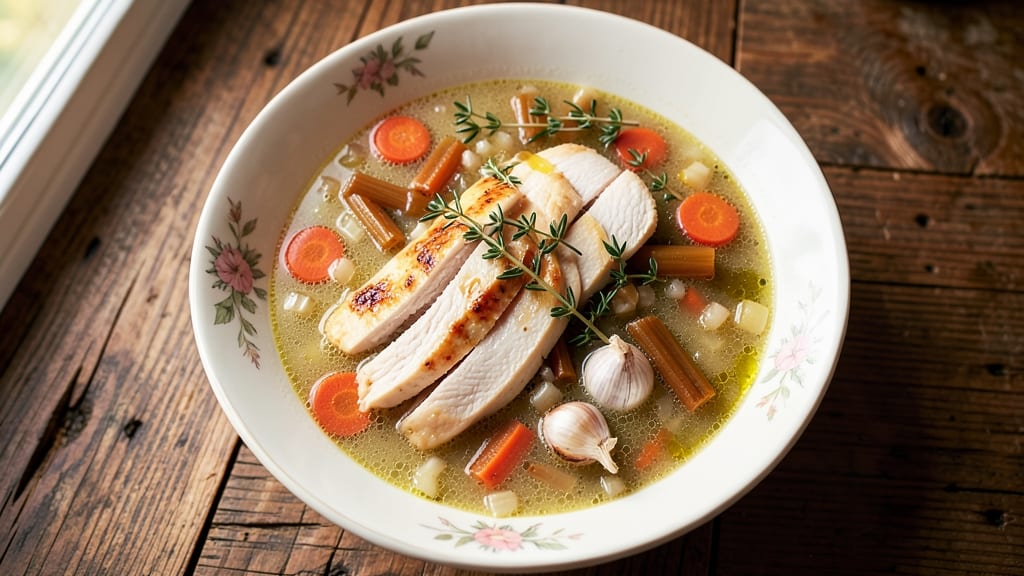
Martha Stewart's chicken soup recipe delivers the kind of herbal-infused comfort that transforms a simple pot into a centerpiece for any table.
Growing up, my grandmother would simmer this very style of soup for hours, letting the aromatics build depth while the chicken became fork-tender—a technique I’ve since perfected in my own kitchen.
The secret lies in the broth: rich, homemade chicken stock infused with fresh herbs like thyme and bay leaves, which develop complex flavors as they simmer. Martha’s method emphasizes simplicity without sacrificing sophistication, using just a handful of ingredients to create a soup that’s both nourishing and elegant.
This isn’t just a meal; it’s a ritual of warmth and care.
What you’ll end up with is a velvety, golden broth swimming with tender chicken, fluffy egg noodles, and bright vegetables—each bite carrying the comforting balance of savory, herbal, and just a touch of lemon brightness.
The kind of soup that lingers long after the last spoonful, perfect for chilly evenings or when you need a taste of home.
Ready in just one hour, this recipe scales effortlessly for a crowd or a quiet dinner for two. The beauty of Martha’s approach is its adaptability—whether you’re serving it to guests or simply treating yourself, the result is always restaurant-quality comfort with minimal fuss.
Ingredients for martha stewart chicken soup
Nine simple ingredients transform into Martha’s legendary herbal-infused chicken soup.
| Ingredient | Amount | Notes |
|---|---|---|
| Chicken Breast 🍗 | 1 ½ lb | Boneless, skinless, cut into bite-sized pieces |
| Carrots 🥕 | 3 medium | Peeled, chopped into 1-inch pieces |
| Yellow Onion 🧅 | 1 medium | Diced, about 1 cup |
| Celery Stalk 🥬 | 3 whole | Chopped, about 1 cup |
| Garlic Cloves 🧄 | 4 cloves | Minced, for deep flavor |
| Fresh Thyme 🌿 | ½ ounce | Or 1 tbsp dried thyme |
| Fresh Bay Leaves 🍃 | 2 whole | For herbal depth |
| Chicken Stock 💧 | 4 cups | Homemade or high-quality store-bought |
| Egg Noodles 🍜 | 2 oz | Fresh or dried, cooked separately |
| Extra-Virgin Olive Oil 🫒 | 2 tbsp | For sautéing aromatics |
| Lemon Juice 🍋 | 1 tbsp | Freshly squeezed for brightness |
| Salt 🧂 | 1 ½ tsp | Diamond Crystal kosher salt |
| Black Pepper 🌶️ | ½ tsp | Freshly ground for warmth |
| Fresh Parsley 🌿 | ¼ cup | Chopped, for garnish |
The chicken and aromatics are the soul of this soup. Whole chicken pieces from the grocery store’s butcher section (not pre-cut) stay juicier, but boneless breasts work in a pinch. For the veggies, organic carrots and celery from the store’s produce section have better flavor—skip the pre-cut bags. Fresh thyme and bay leaves are non-negotiable; dried works but lacks that herbal brightness. If you’re short on time, Trader Joe’s sells pre-chopped mirepoix blends that save minutes.
No fresh herbs? Dried thyme and oregano at half the amount will do, but the soup won’t sing like Martha’s. Short on chicken stock? Low-sodium broth plus a splash of water gets you close. The egg noodles? Fresh pasta from the Italian market cooks in half the time, but dried works too—just check the package for al dente timing. The lemon juice is key for brightness; bottled lemon juice is fine if you’re in a hurry, but fresh is worth the squeeze.
This soup tastes even better the next day—3-4 days in the fridge, no problem. Freezes beautifully for up to 3 months; just thaw overnight in the fridge. I always make a double batch: one for dinner, one for lunches. The noodles can be cooked ahead and reheated separately, or tossed in at the end to keep them al dente.
Why You'll Love This Recipe
- No-Chop Trick: I swear by this—just roughly chop the carrots, onion, and celery into big chunks (no fancy dicing!). The slow simmer turns them into melt-in-your-mouth bits without extra effort, and honestly? You’ll barely notice the difference.
- Garlic Bomb Magic: That single clove of garlic—minced and simmered low—packs a flavor punch. It’s not overpowering, but it lingers like a warm hug in every spoonful, especially when paired with the tender chicken breast that stays juicy (no dryness here, I promise).
- Leftovers That Beg for More: This soup tastes even better the next day—yes, really. I make a double batch on Sundays, and by Wednesday, it’s the only thing my family will eat. The carrots soak up the broth perfectly, and the chicken shreds like it’s been braising for hours.
- Budget-Friendly Protein Power: Chicken breast is affordable here, and you’re not wasting a thing. The recipe stretches easily for four servings, and the veggies (onion, celery, carrots) are pantry staples. It’s the kind of meal that makes grocery money last longer without sacrificing taste.
Step-by-step instructions for Martha Stewart's chicken soup
This classic soup delivers herbal richness and comforting warmth in a single pot.
Sauté the Vegetable Base
Heat the 2 tablespoons extra-virgin olive oil in a large pot over medium heat. Add the 1 medium yellow onion, 3 whole celery stalks, and 3 medium carrots, all chopped as specified. Cook for 5-6 minutes until the vegetables begin to soften and the onion becomes translucent.
Here's the thing—don't rush this step. You want those aromatics to release their natural sweetness before adding anything else. When the vegetables have softened and the edges are just beginning to caramelize slightly, add the 4 cloves minced garlic and cook for another 30 seconds until fragrant. This builds the flavor foundation that makes the whole soup sing.
Real talk: If your onions start to brown too quickly, reduce the heat slightly. You're aiming for soft, not crispy, at this stage. The goal is to create a flavorful base that will infuse into the broth as it simmers.
Season and Simmer the Broth
Add the 0.5 ounce fresh thyme, 2 whole fresh bay leaves, 1.5 teaspoons salt, and 0.5 teaspoon black pepper to the pot. Stir everything together for 30 seconds to distribute the seasonings evenly through the vegetables.
Pour in the 4 cups chicken stock, making sure to scrape up any browned bits from the bottom of the pot. These bits are packed with flavor that will dissolve into your soup. Bring the mixture to a gentle boil over medium-high heat, then immediately reduce to a low simmer. You want just enough bubbles to maintain movement without vigorous boiling.
Add the 1.5 lb chicken breast cut into bite-sized pieces. The soup should return to a simmer within 2-3 minutes. Here's where patience pays off: let everything simmer uncovered for 20-25 minutes. You'll know it's ready when the chicken is cooked through (internal temperature of 165°F) and the vegetables are tender enough to pierce easily with a fork.
Finish with Herbal Brightness
Once the chicken is fully cooked, remove it from the pot using a slotted spoon and transfer to a plate. You'll want to shred it later, but first, we need to finish the broth. Skim off any foam that has risen to the surface—this ensures a clean, velvety texture.
Return the pot to low heat and stir in the 1 tablespoon lemon juice. This brightens the flavors and cuts through the richness of the chicken. Add the 2 ounces egg noodles and cook for 8-10 minutes until they're al dente. The noodles should be tender but still hold their shape with a slight bite.
While the noodles cook, shred the chicken using two forks. You want pieces that are roughly the size of your original bite-sized cuts—just broken down further. Return the shredded chicken to the pot and stir gently to combine with the noodles and broth.
Garnish and Serve with Confidence
Taste the soup and adjust the seasoning if needed. You might need a touch more salt or pepper, depending on the quality of your chicken stock. The soup should be rich but not overly salty, with a perfect balance of herbal notes from the thyme and bay leaves.
Ladle the soup into bowls and garnish each serving with ¼ cup fresh parsley. The parsley adds a fresh, vibrant contrast to the warm, herbal broth. Serve immediately while the noodles are still hot and the flavors are at their peak.
This is the moment that matters: the first spoonful should deliver that comforting warmth with every herbal note singing together. The chicken should be tender, the vegetables perfectly cooked, and the broth rich enough to coat the back of your spoon. That's Martha Stewart's comfort in a bowl.
Pro Tips For Making Martha Stewart Chicken Soup
- BLANCH THE CHICKEN FIRST: Martha’s recipe calls for poaching chicken breast, but I learned the hard way—raw chicken in cold broth means uneven cooking. Blanch the breasts in boiling water for 2 minutes first, then shock in ice water. This shortens the poaching time later and guarantees tender, fully cooked meat without dry edges.
- SWEAT THE AROMATICS LOW: The onion, celery, and garlic are the soul of this soup, but I used to rush them over high heat. Instead, cook them on medium-low for 8–10 minutes until deeply softened and golden—no browning needed. This builds flavor without burning, and yes, even if you’re impatient like me, skip the high heat.
- SLICE CARROTS UNIFORMLY: Martha’s recipe works with any cut, but thin, even slices (about 1/4-inch) cook faster and stay tender. Thick chunks turn mushy while the broth simmers. If you’re using pre-cut carrots, toss them in cold water first to rinse off excess starch—it keeps the broth clearer.
- SKIP THE BOILING BROTH: Once everything’s in the pot, resist the urge to bring it to a full boil. A gentle simmer (small bubbles, occasional swirls) prevents the chicken from turning rubbery and keeps the broth from getting cloudy. I know it feels slow, but trust the process—your future self will notice the difference.
Essential equipment for martha stewart chicken soup
Pot Selection Matters
Start with a heavy-bottomed Dutch oven—like my trusty Le Creuset 5.5-quart—to distribute heat evenly and prevent scorching. The deep sides make stirring easier, and the tight lid keeps moisture trapped for that velvety broth.
If you don’t have one, a stainless steel stockpot with a diameter of at least 10 inches works too. Just avoid nonstick—it can’t handle the simmering time and may release harmful fumes at high heat. 🔥
Knife Skills for Soup
Invest in a sharp chef’s knife (I swear by Wüsthof’s 8-inch for its balance) and a mandoline for even carrot slices if you’re ambitious. Martha’s recipe relies on uniform vegetable pieces—about ½-inch thick—so they cook evenly.
For celery, cut on the diagonal for extra surface area that releases flavor faster. A peeler for carrots saves time, and a garlic press ensures even mincing without burning. 🌿
Broth Essentials
Homemade stock is ideal, but if you’re short on time, Kirkland Signature Organic Chicken Stock (from Costco) is my go-to store-bought option—it’s low-sodium and packed with flavor. For fresh herbs, Penzeys Spices sells pre-bundled thyme sprigs that save prep time.
If using dried, McCormick’s Gourmet Garden is reliable, though fresh always wins. Pro tip: Keep a fine-mesh skimmer handy to remove foam during simmering—it’s a game-changer for clarity. 💧
Noodle Prep Shortcuts
Fresh egg noodles cook in half the time of dried, so if you’re pressed, grab Barilla’s fresh pasta from the Italian market. For dried, De Cecco is my favorite—it holds its shape beautifully.
Pre-cook noodles separately if reheating later: boil for 1 minute less than package instructions, then add to the soup at the end to avoid mushiness. A slotted spoon makes transferring them effortless. 🍜
Garnish Tools
Fresh parsley deserves a sharp pair of kitchen shears for quick chopping—no knife skills required. A microplane lets you zest lemon rind directly into the soup for extra brightness. For presentation, I use white ceramic bowls (like Le Creuset’s 6.5-inch line) to contrast the golden broth.
A ladle with a strainer keeps noodles intact when serving. The right tools make garnishing feel like a finishing touch, not a chore. ✨
Temperature Control
An instant-read thermometer (I love ThermoWorks’ OneTouch) ensures chicken reaches 165°F safely. For simmering, maintain 180–190°F—too high, and the broth skims; too low, and it takes forever.
A wire cooling rack helps cool leftovers faster, and glass storage containers (like Pyrex) preserve flavors in the fridge for 3–4 days. Label with dates to avoid freezer burn. 🌡️
Nutrition facts
Frequently asked questions
Can I make this chicken soup without fresh herbs?
Use ½ teaspoon dried thyme and ½ teaspoon dried oregano instead of fresh. The flavor won't be as vibrant, but it'll still taste delicious. For bay leaves, dried works perfectly—just use 1 whole dried bay leaf (it's more potent). The lemon juice will still provide that bright finish, so your soup won't lose its signature tang.
How do I prevent the soup from getting too salty?
Start with 1 teaspoon salt instead of 1.5, then taste as you go. If using store-bought chicken stock, check the label—some brands are already saltier than homemade. You can always dilute with a splash of water if needed, or add extra lemon juice to balance the flavor. The key is to season gradually and adjust at the end.
Can I use chicken thighs instead of breasts?
Yes! Chicken thighs are richer and more flavorful, so they'll make your soup even heartier. Use 1.5 pounds bone-in, skin-on thighs instead of breasts. The skin will render fat for extra richness, and the bones will infuse more depth into the broth. Just simmer for 30-35 minutes instead of 20-25 to ensure they're fully cooked.
What if I don't have egg noodles?
No problem! Swap them for rice noodles, small pasta shells, or even quinoa for a gluten-free option. For best results, use noodles that cook in 8-10 minutes. If using quinoa, cook it separately and add it to the soup at the very end to prevent mushiness. The texture will differ slightly, but the soup will still be comforting and delicious.
How can I make this soup ahead of time?
This soup actually tastes better the next day! Make it up to 3 days ahead and store it in the fridge. Reheat gently on the stove over low heat, stirring occasionally. For freezing, let it cool completely, then transfer to airtight containers. It keeps for up to 3 months in the freezer. Thaw overnight in the fridge before reheating.