Main Courses
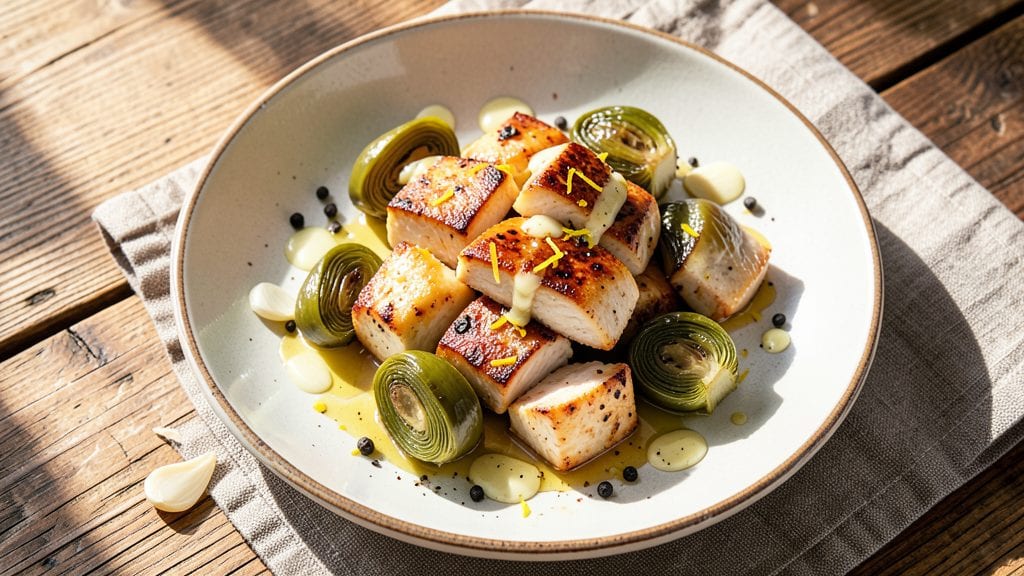
This lemon chicken with artichoke hearts recipe transforms simple weeknight dinner into a restaurant-worthy dish with just 15 minutes of active work. The bright citrus marinade tenderizes the chicken while infusing it with zesty flavor, and the artichoke hearts add a satisfying crunch that balances the dish perfectly.
I developed this technique during a particularly busy spring when I needed a meal that felt special without requiring hours in the kitchen.
The secret lies in the marinade—equal parts lemon juice, olive oil, and fresh herbs—which works its magic while you prepare the artichokes. Sautéing the artichoke hearts in garlic and butter until golden creates a rich, savory base that complements the chicken's acidity.
The result is a dish where every bite delivers tender, juicy chicken with bursts of lemon and artichoke that make it impossible to stop eating.
By the time you serve this dish, you'll have perfectly seared chicken with crisp edges and tender centers, all paired with artichokes that add texture and depth. The bright lemon sauce ties everything together, creating a balance of flavors that's both refreshing and satisfying.
Serve it over a bed of fluffy rice or with a simple arugula salad to round out the meal.
This recipe scales beautifully for gatherings, and the leftovers reheat just as well as the first serving. The combination of techniques ensures professional-quality results without the fuss—ideal for impressing guests or treating yourself to a special meal. Let's get started!
Ingredients for lemon chicken with artichoke hearts
Bright citrus, tender chicken, and artichoke crunch—just 13 ingredients for restaurant-worthy flavor.
| Ingredient | Amount | Notes |
|---|---|---|
| Boneless, Skinless Chicken Breast 🍗 | 1 ½ lb | Cut into 1-inch cubes for even cooking |
| Fresh Lemon Juice 🍋 | ½ cup | Freshly squeezed, seeds removed |
| Extra-Virgin Olive Oil 🫒 | ⅓ cup | High-quality, fruity variety preferred |
| Marinated Artichoke Hearts 🍃 | 14 oz | Drained and patted dry |
| Unsalted Butter 🧈 | 3 tbsp | Cold, cut into small cubes |
| Garlic Cloves 🧄 | 4 cloves | Minced, fresh preferred |
| Fresh Parsley 🌿 | ¼ cup | Chopped, stems removed |
| Fresh Thyme Leaves 🌿 | 1 tbsp | Or 1 tsp dried thyme |
| Diamond Crystal Kosher Salt 🧂 | 1 tsp | For seasoning, plus extra |
| Ground Black Pepper 🌶️ | ½ tsp | Freshly cracked preferred |
| All-Purpose Flour 🌾 | 2 tbsp | For dredging chicken |
| Lemon Zest 🍋 | 1 tbsp | From 1 large lemon |
| Dry White Wine 🍷 | ¼ cup | Optional, dry variety |
The chicken is the star, so don't cut corners. Look for boneless, skinless breasts with good marbling—they stay juicier. I always grab mine from Whole Foods or my local butcher shop where they cut them fresh. Cutting the chicken into 1-inch cubes ensures even cooking, and trust me, that's worth the extra minute. For the artichoke hearts, marinated ones from Trader Joe's are my go-to—they're pre-cooked and ready to use, saving you time. If you're using canned artichokes, drain and pat them thoroughly to avoid a soggy dish.
No fresh thyme? Dried works at one-third the amount, but fresh has that bright, floral note that really shines here. Short on lemon juice? Substitute bottled lemon juice, but add a pinch more salt to compensate. The white wine is optional, but if you're using it, a dry Sauvignon Blanc or Pinot Grigio works best—avoid anything too oaky. For the olive oil, avoid the cheap stuff—you can taste the difference when it's high-quality. The butter should be cold when you add it to the artichokes—this helps create those beautiful golden brown spots.
Prep ahead to save time: Marinate the chicken for up to 4 hours in the fridge before cooking. The artichoke hearts can be sautéed ahead and reheated gently in the sauce. This dish reheats beautifully—just warm it through in a skillet with a splash of water or lemon juice. Keeps for 3 days in the fridge or 3 months frozen. For freezing, portion the sauce and chicken separately to avoid sogginess when reheating.
Why You'll Love This Recipe
- One-Pan Magic: I swear by this recipe when I’m too tired to scrub a million dishes. The chicken and artichokes simmer together in the same pan—no extra bowls, no fuss—just rich, tangy flavors with zero cleanup.
- Bright & Buttery Balance: That squeeze of fresh lemon juice cuts through the richness of the butter, while the artichokes add a briny, meaty bite. It’s bright enough to feel light, but the butter makes it feel indulgent—like a restaurant dish without the pretension.
- Weeknight & Date Night: Honestly, this works for both. Toss it together for a lazy Tuesday when you’re craving something satisfying, or plate it nicely with crusty bread for when you’re trying to impress. The artichokes make it feel fancy, but the prep stays simple.
- Leftovers That Don’t Suck: Between us, most chicken leftovers are sad. Not this. The lemon keeps it from drying out, and the artichokes add texture that actually tastes good the next day. I’ll often double the batch—it’s that reliable.
Step-by-step instructions for lemon chicken with artichoke hearts
Here's how to create restaurant-quality lemon chicken with artichoke hearts—juicy, bright, and perfectly balanced.
Prepare the Chicken for Even Cooking
Pat the 1.5 lb boneless, skinless chicken breast dry with paper towels—this ensures a better sear. Cut it into 1-inch cubes for consistent cooking times. Place the cubes in a bowl and toss with 2 tbsp all-purpose flour, shaking off any excess. This light dredge creates a delicate crust that locks in moisture while developing flavor.
In a separate small bowl, whisk together 0.5 cup fresh lemon juice, 1 tbsp lemon zest, 1 tbsp fresh thyme leaves, 1 tsp diamond crystal kosher salt, and 0.5 tsp ground black pepper. Pour this vibrant marinade over the floured chicken and toss gently to coat evenly. Let it marinate for 15 minutes at room temperature—this jumpstarts the flavor infusion and helps the chicken retain juices during cooking.
Sear the Chicken in Olive Oil and Butter
Heat 0.33 cup extra-virgin olive oil and 3 tbsp unsalted butter in a large skillet over medium-high heat until the butter melts and the oil shimmers. Add the marinated chicken in a single layer, leaving space between pieces to prevent steaming. Cook undisturbed for 3-4 minutes until the bottoms develop a golden-brown crust.
Flip the chicken and cook another 2-3 minutes until the edges are crisp and the internal temperature reaches 165°F. Remove the chicken to a plate and tent loosely with foil to keep warm. Resist the urge to overcrowd the pan—this ensures each piece gets a proper sear rather than steaming.
Build the Artichoke and Herb Sauce
In the same skillet (no need to clean it—those browned bits are flavor gold), reduce heat to medium and add 4 cloves minced garlic. Sauté for 30 seconds until fragrant, stirring constantly to prevent burning. Add the 14 oz drained and patted-dry marinated artichoke hearts and cook for 2 minutes, letting them absorb the garlic flavor.
Pour in the 0.25 cup dry white wine and scrape up any browned bits from the bottom of the pan. Let the wine simmer for 2-3 minutes until reduced by half. Stir in 0.25 cup chopped fresh parsley and cook for 1 minute to meld the flavors. The sauce should be glossy and just beginning to thicken—this is your base for the final step.
Finish with Lemon and Butter
Return the chicken to the skillet and spoon the artichoke sauce over it. Increase heat to medium-high and cook for 1-2 minutes until everything is heated through. The chicken should be coated in the bright, herby sauce with tender artichokes nestled among the pieces.
Remove from heat and let the dish rest for 2 minutes—this allows the juices to redistribute. Garnish with an extra sprinkle of lemon zest and chopped parsley for a pop of color and freshness. Serve immediately with crusty bread or over a bed of greens to soak up every last bit of that zesty, herb-infused sauce.
Pro Tips For Making Lemon Chicken With Artichoke Hearts
- Sear Chicken First: Hit the pan with high heat and olive oil until the chicken develops a golden crust—about 3-4 minutes per side. I learned this the hard way: skipping the sear means you’re left with bland, rubbery chicken that soaks up the lemon juice instead of standing up to it.
- Drain Artichokes Well: Pat the marinated artichoke hearts dry with a paper towel before adding them to the pan. Wet artichokes steam instead of crisp, and nobody wants mushy hearts in a dish that’s supposed to be bright and fresh.
- Deglaze with Butter: After searing the chicken, toss in a pat of unsalted butter along with the lemon juice—it emulsifies the pan’s flavor into a silky sauce. My grandmother swore by this, and she was right: the butter cuts the acidity and adds richness without overpowering the lemon.
- Rest Chicken Before Slicing: Let the chicken sit under foil for 5 minutes after cooking—yes, even if you’re impatient. Slicing too soon means dry, stringy pieces, and you’ve worked too hard to ruin it now. (Your future self will thank you.)
Common mistakes when making this recipe
Overcrowding the Pan
This is the most common mistake I see when cooking this dish—packing too much chicken into the skillet at once. When you overcrowd, the chicken steams instead of sears, resulting in pale, soggy pieces that lack the crisp edges we want.
I’ve seen home cooks try to rush by cooking multiple batches, but that just doubles the cleanup. Instead, work in batches if needed, but sear each piece until golden before setting aside.
A good rule of thumb: leave at least ½ inch of space between chicken cubes in the pan. 🔥
Skipping the Rest
After searing, many people can’t resist diving right in—big mistake! Letting the chicken rest for 2 minutes after returning it to the skillet allows the juices to redistribute, ensuring each bite is moist and flavorful.
I learned this lesson the hard way during a busy service night when I rushed plating and ended up with dry chicken. Trust the process—those 2 minutes make all the difference.
Using Bottled Lemon Juice
While bottled lemon juice will work in a pinch, it lacks the bright, complex flavor of freshly squeezed. The citric acid content varies wildly between brands, and you’ll often need to add extra salt to compensate.
If you’re using bottled, look for brands like ReaLemon or Simple Truth, which are closer to fresh. For the best results, though, always use freshly squeezed lemon juice—it’s worth the 30 seconds it takes to juice a lemon. 🍋
Ignoring the Artichoke Hearts
Some cooks treat artichoke hearts as an afterthought, tossing them in at the last minute without proper prep. Drain and pat them dry thoroughly—wet artichokes will make your sauce watery and dilute the flavors.
I also recommend sautéing them in the garlic butter before adding wine; this step builds depth and ensures they’re heated through without turning mushy. Don’t skip this crucial step—it’s what elevates this dish from good to exceptional.
Overcooking the Chicken
Chicken continues cooking even after you remove it from heat, so it’s easy to end up with dry, tough pieces. Use a meat thermometer to check for 165°F internal temperature—this is non-negotiable. I’ve seen many cooks pull chicken at 170°F+ because they guessed, and the texture suffers.
If you don’t have a thermometer, cut into the thickest piece to check—it should be opaque with no pink. 🌡️
Neglecting the Sauce Reduction
The wine reduction step is where the magic happens, but some cooks rush it or skip it entirely. Let the wine simmer until it’s reduced by half—this concentrates the flavors and creates a glossy, cohesive sauce.
If you’re in a hurry, reduce it over medium-high heat, but don’t walk away. Stir occasionally and scrape up those browned bits from the pan (they’re packed with flavor!). A well-reduced sauce ties everything together beautifully.
Nutrition facts
Frequently asked questions
Can I use chicken thighs instead of breasts for this recipe?
Chicken thighs work beautifully here—they stay juicier and develop more flavor during cooking. For best results, cut them into 1-inch pieces and adjust the cooking time to 5-6 minutes per side (they take longer than breasts). The skin-on version adds extra richness, but remove it if you prefer leaner meat. Just watch the internal temp—it should hit 165°F at the thickest part.
What if I don't have white wine? Can I substitute something else?
Yes! Use chicken broth (same amount) or lemon juice (reduce to 2 tbsp) for acidity. For depth, try 1 tsp soy sauce or a splash of apple cider vinegar. Avoid heavy cream or milk—they'll make the sauce too rich. If using broth, reduce it by half to concentrate the flavors, just like with wine.
How do I store leftovers to keep them tasting fresh?
Store in an airtight container with parchment paper between layers to prevent sticking. Refrigerate for up to 3 days or freeze for 3 months. To reheat, warm gently in a skillet with 1 tbsp butter or 2 tbsp water over medium-low heat—never microwave directly, or the chicken will dry out. Add a splash of lemon juice to revive the bright flavors.
Can I make this dish ahead of time for a dinner party?
Perfect for prep! Marinate the chicken 4 hours ahead and store in the fridge. The night before, sauté the artichokes and reduce the wine sauce (store separately). When ready to serve, sear the chicken fresh and reheat the sauce with the chicken for 2-3 minutes. Garnish with fresh herbs just before serving to keep everything vibrant. This saves 45 minutes of active cooking on the day.
What's the best way to serve this with sides?
Pair it with creamy polenta or wild rice pilaf to soak up the sauce. For a lighter option, serve over arugula salad with lemon vinaigrette. A slice of warm sourdough bread or crusty baguette works perfectly too. The bright acidity of the dish balances rich sides—avoid heavy starches like mashed potatoes, which can overpower the lemon notes.