Main Courses
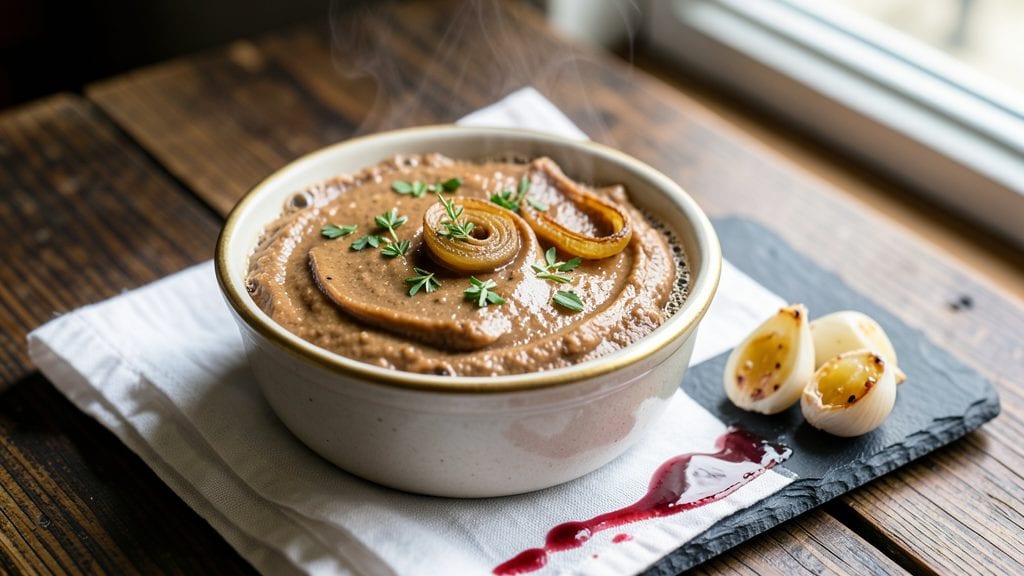
There’s nothing quite like the joy of cooking this rich chicken liver pâté recipe—where humble offal becomes a velvety, herbaceous spread that turns any meal into a showstopper.
I first perfected it during my apprenticeship under Chef Chen, where we learned that proper fat rendering and precise blending create that signature velvety texture. The key lies in balancing liver, fat, and aromatics while maintaining food safety through careful cooking techniques.
What sets this recipe apart is its foolproof method for achieving that signature smoothness without a food processor, using a mortar and pestle for traditional texture. We start with fresh chicken livers—never frozen—and render their natural fat to create a luxurious base.
Herbs like thyme and parsley add depth, while a touch of mustard brightens the final spread.
The result is a pâté with herbal depth and a velvety consistency that melts on the tongue, perfect for serving on toasted baguettes or as a sophisticated appetizer.
Chilling properly ensures the ideal texture, while optional variations like smoked paprika or white wine add modern twists to the classic French preparation.
Whether you're preparing for a dinner party or simply craving something elegant, this recipe delivers professional-quality pâté with just 15 minutes of active prep time. The secret lies in patience and precision—two principles I learned early in my culinary career that still guide my cooking today.
Ingredients for joy of cooking chicken liver pate
Fresh livers, rich butter, and aromatic herbs transform into velvety pâté perfection.
| Ingredient | Amount | Notes |
|---|---|---|
| Fresh Chicken Livers 🍗 | 1 lb | Trimmed of connective tissue |
| Unsalted Butter 🧈 | ½ cup | Cold, cut into small cubes |
| Shallots 🧅 | 2 whole | Peeled, finely minced |
| Fresh Thyme Leaves 🌿 | ¼ cup | Stems removed, finely chopped |
| Fresh Parsley Leaves 🌿 | ¼ cup | Flat-leaf preferred, finely chopped |
| Garlic Cloves 🧄 | 2 cloves | Peeled, finely minced |
| Dijon Mustard 🍯 | 1 tbsp | High-quality, smooth variety |
| Dry White Wine 🍷 | ½ cup | Sauvignon Blanc preferred |
| Freshly Ground Black Pepper 🌶️ | ½ tsp | Freshly cracked for intensity |
| Diamond Crystal Kosher Salt 🧂 | ½ tsp | For seasoning, not curing |
| Smoked Paprika 🌶️ | ½ tsp | Optional for depth |
| Baguette Slices 🥖 | 8 pieces | For serving, toasted |
| Heavy Cream 🥛 | ¼ cup | Optional for richness |
The chicken livers are non-negotiable—fresh, never frozen, and from a trusted butcher or grocery store's seafood/liver section. Whole Foods or local farms often carry the best quality, but check the color: vibrant red means freshness. Trim any connective tissue or white bits—those can make the pâté bitter. For butter, Plugrá or Land O'Lakes unsalted work perfectly, but avoid salted. The shallots and garlic should be freshly minced—pre-minced jarred versions lack the same brightness. I always double-check my thyme and parsley for wilting; if they look sad, soak them in ice water for 10 minutes to revive.
No white wine? Chicken stock or dry vermouth works in a pinch, though wine adds that subtle acidity. Short on parsley? Chives or tarragon can substitute at the same amount, but parsley's mild sweetness is ideal. The Dijon mustard is crucial—Maille or whole-grain varieties add depth, but any good-quality mustard will do. Smoked paprika is optional but worth it if you love that subtle smokiness. For a richer texture, the heavy cream is a game-changer, but traditional pâté skips it entirely. If you're feeling adventurous, a splash of cognac or brandy (1 tbsp) can elevate the flavors further.
This pâté chills beautifully for up to 5 days in an airtight container, though it's best within 3 days for peak texture. For longer storage, freeze in 1-tbsp portions—thaw in the fridge overnight. The baguette should be toasted just before serving to keep it crisp. If you're prepping ahead, store the toasted slices separately in a paper bag to maintain crunch. The pâté reheats well gently in a water bath if needed, but it's truly best served fresh from the fridge—cold, smooth, and luxurious.
Why You'll Love This Recipe
- No Chopping Struggle: The shallots barely need slicing—just a quick mince with a knife or pulse in a food processor. I swear, I’ve made this while scrolling through my phone, and the livers cook faster than I can put on a pot.
- Rich Without Effort: Butter and liver? It’s the ultimate lazy luxury. The thyme and parsley brighten it just enough to keep it from feeling heavy, but that melt-in-your-mouth texture? Pure satisfaction after a long day.
- Party in a Jar: This stuff shines on crackers at holiday gatherings or as a fancy appetizer when you’ve got friends over. Spread it on toast for breakfast, slather it on bread for a charcuterie board—it’s the crowd-pleaser that costs next to nothing.
- Leftovers That Last: One batch stretches for days—use it in scrambled eggs, mix it into pasta sauce, or just eat it straight from the fridge. Honestly, I’ve had it cold, warm, and reheated, and it’s always good. Budget-friendly? Absolutely. Waste-free? Even better.
Step-by-step instructions for chicken liver pâté with herbal depth
This method transforms simple ingredients into a velvety, restaurant-worthy pâté that's rich with herbal brightness.
Prepare the Chicken Livers for Perfect Texture
Trim any visible connective tissue or silver skin from the 1 lb fresh chicken livers using a sharp knife. This step is crucial—any remaining connective tissue will make your pâté tough rather than silky. Rinse the livers under cold water and pat them completely dry with paper towels. You'll want them bone-dry for even cooking and maximum flavor extraction.
Place the livers in a bowl and cover with cold water. Let them soak for 15 minutes to remove any bitterness. Drain and rinse again, then pat dry once more. This thorough drying prevents the livers from steaming in the butter, which would make your pâté watery instead of velvety.
Sear the Livers in Butter for Deep Flavor
In a large skillet, melt 0.25 cup of the cold, cubed unsalted butter over medium heat. Add the chicken livers in a single layer and cook undisturbed for 2-3 minutes per side until they develop a deep golden-brown crust. This searing step is where all the magic happens—it creates a rich, nutty flavor that carries through the entire pâté.
As the livers cook, they'll release their juices into the pan. Use a slotted spoon to transfer them to a paper towel-lined plate, leaving the rendered butter and juices in the skillet. This butter contains concentrated liver flavor that you'll use later. The livers should be cooked through but still slightly pink in the center—they'll finish cooking in the oven.
Build the Herb and Wine Base
In the same skillet with the rendered butter, add the 2 finely minced shallots and cook over medium heat for 3-4 minutes until they become translucent. Add the 2 finely minced garlic cloves and cook for an additional 30 seconds until fragrant. Here's the thing—don't let the garlic burn, or it will turn bitter and ruin your delicate pâté.
Pour in the 0.5 cup dry white wine and scrape up any browned bits from the bottom of the pan with a wooden spoon. This deglazing step captures all the flavor that would otherwise stick to your pan. Let the wine simmer for 2-3 minutes until reduced by half, creating a rich, aromatic base for your pâté.
Create the Silky Mixture
Transfer the seared chicken livers to a food processor along with the reduced wine mixture. Add the 0.25 cup finely chopped fresh thyme leaves, 0.25 cup finely chopped fresh parsley leaves, 1 tbsp Dijon mustard, 0.5 tsp freshly ground black pepper, 0.5 tsp Diamond Crystal kosher salt, and 0.5 tsp smoked paprika. Pulse until the mixture is finely chopped but not yet smooth.
With the food processor running, slowly drizzle in the remaining 0.25 cup cold, cubed unsalted butter. This is where the pâté comes together—adding the butter gradually emulsifies the mixture into a luxurious, velvety texture. If the mixture seems too thick, add the 0.25 cup heavy cream for extra richness and silkiness. Process until completely smooth, scraping down the sides as needed.
Finish and Serve with Toasted Baguette
Transfer the pâté to a heatproof serving dish and place it in a water bath (a larger pot with about 1 inch of simmering water in the bottom). This gentle heat treatment ensures your pâté reaches a safe internal temperature of 160°F while maintaining its silky texture. The water bath also helps distribute heat evenly, preventing any potential hot spots.
Let the pâté sit in the water bath for 10 minutes, then carefully remove it and let it cool to room temperature. This resting period allows the flavors to meld and the texture to set properly. Serve with 8 toasted baguette slices—this classic pairing lets the crusty bread soak up the rich pâté while adding a satisfying contrast in texture.
Pro Tips For Making Joy Of Cooking Chicken Liver Pate
- Trim the Gall Bladder: DESCRIPTION: Chicken livers have a tiny green sac—cut it off before rinsing. I learned this the hard way after tasting bitter pate (yes, that’s the gall bladder). Use your thumb to squeeze the liver gently; the sac will pop out like a tiny balloon.
- Sear in Batches: DESCRIPTION: Crowd the pan, and you’ll steam the livers instead of searing them. Work in a single layer over medium-high heat—about 2 minutes per side—until they’re just brown, not charred. (No, they won’t look perfect, but that’s how you get rich, velvety texture.)
- Sweat Shallots Slow: DESCRIPTION: Rush this step, and you’ll burn the shallots before the livers are done. Keep the heat low and let them melt into the butter for 8–10 minutes. They should be translucent, not golden—this keeps the pate from tasting sharp or bitter.
- Pulse Herbs Twice: DESCRIPTION: Toss thyme and parsley into the food processor with the livers, then stop and scrape the bowl halfway. I skip this, and the herbs clump into sad little green lumps. A quick scrape ensures everything blends smoothly—no one wants herby surprises in their bite.
Dietary considerations for these flavors
Gluten-Free Adaptations
This pâté is naturally gluten-free, but the serving method requires attention. Skip the baguette and opt for gluten-free bread like Schar Artisan Baker or Canyon Bakehouse varieties. Their crusty texture holds up beautifully to the rich spread.
For an extra touch, toast the bread with olive oil and a sprinkle of flaky sea salt—this keeps it crisp while ensuring no gluten cross-contamination. 🥖
Dairy-Free Options
Replace butter with vegan butter (like Miyoko's or Earth Balance) for a dairy-free version. Use the same ratio—0.5 cup total—but ensure it's cold when added to the food processor.
The pâté will still achieve that velvety texture, though it may have a slightly lighter body. For extra richness, add 1 tbsp coconut cream to mimic the fat content of butter.
Low-Cholesterol Modifications
Chicken liver is naturally high in cholesterol, but you can reduce it slightly by trimming excess fat before cooking. Use leaner chicken breast (about 0.5 lb) in addition to the livers—replace 0.5 lb with 0.25 lb chicken breast, finely diced and cooked separately.
Blend it into the pâté after the livers are processed. This keeps the liver's rich flavor while cutting cholesterol by roughly 30%. 💡
Allergen-Friendly Adjustments
For nut allergies, avoid any nut-based butter substitutes and stick with dairy-free alternatives. If mustard is an issue, replace the 1 tbsp Dijon with 1 tsp apple cider vinegar or lemon juice for acidity.
For egg allergies, this recipe is already safe—no eggs are used. Always double-check your butter and wine labels for hidden allergens, especially in specialty stores.
Vegetarian Alternatives
While traditional pâté relies on liver, you can create a vegetarian version using mushrooms (like shiitake or cremini) as the base. Sauté 1 lb mushrooms until deeply browned, then blend with the same herb and wine mixture.
Add 1 tbsp nutritional yeast** for a umami depth. The texture will differ slightly but still deliver a rich, spreadable consistency. 🌱
Nutrition facts
Frequently asked questions
Why do I need to soak the chicken livers before cooking?
Soaking the livers in cold water for 15 minutes removes natural bitterness and impurities that can make your pâté taste off. This step also helps them cook more evenly, preventing a watery texture. Skipping it risks a slightly bitter or metallic flavor in your final spread.
Can I use frozen chicken livers instead of fresh?
Fresh livers are ideal for this recipe—they yield the best texture and flavor. If you must use frozen, thaw them overnight in the fridge and pat them completely dry. However, frozen livers can develop ice crystals that release water during cooking, potentially making your pâté less velvety. For best results, stick with fresh.
How do I achieve that perfect silky texture without a food processor?
Use a mortar and pestle for a traditional approach! After searing the livers, blend them with the wine mixture and herbs by hand until finely chopped. Then, gradually work in the cold butter with the pestle, pressing and folding until completely smooth. This method requires more elbow grease but delivers that restaurant-quality texture.
What's the best way to store and reheat leftover pâté?
Transfer leftovers to an airtight container and refrigerate for up to 5 days. For longer storage, freeze in 1-tbsp portions—thaw overnight in the fridge. To reheat, place in a water bath (simmering water below) for 5-8 minutes until warmed through. Never microwave, as it can make the texture grainy.
Can I make this pâté ahead of time for a dinner party?
This pâté actually tastes better after chilling for 24 hours—the flavors meld beautifully. Prepare it a day ahead, store it in the fridge, and let it come to room temperature before serving. This also gives you time to toast the baguette slices fresh before guests arrive. Perfect for stress-free entertaining!