
Sauces & Condiments
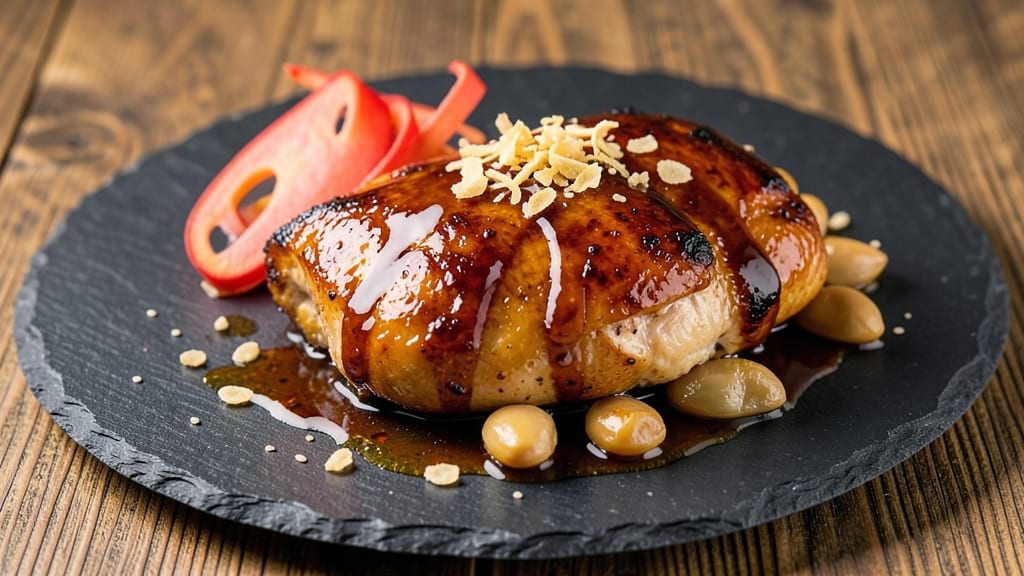
This Japanese teriyaki chicken marinade transforms simple chicken into restaurant-quality dishes with just three core ingredients—soy sauce, mirin, and sugar. The balance of salty, sweet, and umami creates a glaze that caramelizes beautifully while keeping the chicken tender.
I developed this marinade after years of experimenting with store-bought versions that always fell short of authentic flavor.
The secret lies in the ratio of ingredients: high-quality soy sauce for depth, mirin for natural sweetness and gloss, and granulated sugar to enhance caramelization. This marinade works as both a flavor infusion for the chicken and a finishing glaze—simply brush it on during the last few minutes of cooking.
The result is a sticky, glossy coating that's perfectly balanced between sweet and savory.
What makes this marinade truly versatile is its ability to elevate any chicken dish—grilled, pan-seared, or baked. The ingredients are pantry staples, and the preparation takes just 10 minutes, yet the flavor impact is undeniable.
Whether you're cooking for a weeknight dinner or a special occasion, this marinade delivers professional results without the complexity.
Store any leftovers in an airtight container in the fridge for up to one week, or freeze for three months for future use. The marinade thickens slightly when refrigerated, so simply stir and reheat gently before using. This is the foundation of countless Japanese-inspired meals—let's get started.
Ingredients for japanese teriyaki chicken marinade
Three core ingredients elevate this marinade to restaurant-quality status with umami richness.
| Ingredient | Amount | Notes |
|---|---|---|
| High-Quality Soy Sauce 🥢 | ½ cup | Japanese-style preferred for authenticity |
| Mirin 🍶 | ½ cup | Sweet cooking wine essential for balance |
| Granulated Sugar 🍚 | ¼ cup | White sugar for proper caramelization |
| Garlic Cloves 🧄 | 4 cloves | Minced for aromatic depth |
| Fresh Ginger 🌿 | 1 tbsp | Finely grated for zesty brightness |
| Sesame Oil 🫒 | 1 tbsp | Toasted for nutty aroma |
| Extra-Virgin Olive Oil 🫒 | 1 tbsp | For smooth texture and balance |
| Diamond Crystal Kosher Salt 🧂 | ½ tsp | For subtle seasoning enhancement |
| Freshly Ground Black Pepper 🌶️ | ¼ tsp | For subtle heat contrast |
The foundation begins with Japanese-style soy sauce, which provides the essential umami depth authentic teriyaki requires. Kikkoman or Hondashi brands deliver consistent quality, though any high-quality soy sauce will suffice. Mirin, often confused with sweet rice wine, is specifically formulated for cooking—Hirata Shuzou offers premium options, but Trader Joe's carries an excellent budget-friendly version. The sugar should be granulated for proper dissolution and caramelization; avoid powdered sugar which can create clumps. For the aromatic base, fresh garlic and ginger are non-negotiable—frozen works in a pinch but lacks the vibrant freshness that makes this marinade truly exceptional.
Substitutions require careful consideration to maintain balance. In a pinch, dry sherry can replace mirin at a 1:1 ratio, though the sweetness will differ slightly. For sugar, honey or maple syrup work at a 3:4 ratio by volume, though they may darken the glaze more rapidly during cooking. The sesame oil can be omitted if unavailable, though its nutty aroma complements the marinade beautifully. For those avoiding garlic, asafetida powder at 1/8 tsp provides a similar savory depth. Always ensure your soy sauce is high-quality Japanese-style—American-style soy sauces lack the complexity needed for authentic teriyaki flavor.
This marinade maintains peak quality when stored properly. In an airtight container in the refrigerator, it remains fresh for up to one week, though the flavor continues to develop over time. For longer storage, freeze in ice cube trays for three months, using individual cubes as needed. The marinade will thicken slightly when refrigerated, so simply stir and reheat gently before use. For best results, use within 48 hours of preparation, as the freshness of the garlic and ginger diminishes over time. The versatility of this marinade makes it ideal for batch preparation—double the recipe and store for future Japanese-inspired meals.
Why You'll Love This Recipe
- Here’s what sold me: the sugar doesn’t overpower, but it does caramelize just enough to give that sticky, glossy glaze. Fresh ginger and garlic? They wake up the soy sauce so it’s not just salty—it’s layered. My partner licks the bowl after marinating. (Yes, even on a Tuesday night.)
- Five-Ingredient Magic: I swear, this marinade is the kind of recipe where you’ll stare at your pantry and think, "I already have all of this?" No specialty ingredients—just soy sauce, mirin, sugar, garlic, and ginger. That’s it. The mirin alone makes it taste like you put in effort, even if you didn’t.
- Sweet-Savory Balance: Here’s what sold me: the sugar doesn’t overpower, but it does caramelize just enough to give that sticky, glossy glaze. Fresh ginger and garlic? They wake up the soy sauce so it’s not just salty—it’s layered. My partner licks the bowl after marinating. (Yes, even on a Tuesday night.)
- Meal Prep MVP: This marinade doubles as a sauce, so I make a big batch on Sundays and use half for chicken, half for stir-fries or rice bowls all week. The leftovers keep for ages in the fridge, and the flavor only gets deeper. Honestly, I’ve had it last longer than I’d like—my freezer’s full of backup portions.
Step-by-Step instructions for Japanese teriyaki chicken marinade
Here's how to craft a balanced, umami-rich marinade that transforms simple chicken into restaurant-quality teriyaki.
Prepare the Aromatics and Base
In a small saucepan, combine the 0.5 cup high-quality soy sauce and 0.5 cup mirin over medium heat. Bring to a gentle simmer while you prepare the remaining ingredients. The mirin will begin to reduce slightly, intensifying its sweetness and creating a smoother base for the marinade.
While the soy-mirin mixture warms, mince the 4 cloves garlic cloves and finely grate the 1 tablespoon fresh ginger using a microplane. The ginger should resemble fine sand in texture—this ensures even distribution and maximum flavor extraction. Set these aside in a small bowl.
Build the Marinade Foundation
Remove the soy-mirin mixture from heat once it reaches a gentle simmer (about 2-3 minutes). Stir in the 0.25 cup granulated sugar until completely dissolved. The sugar will caramelize slightly as it cools, adding depth to the marinade's flavor profile.
Add the minced garlic and grated ginger to the warm mixture, stirring constantly for 1 minute. The heat will draw out the essential oils from these aromatics, infusing the marinade with their full flavor. Let the mixture cool to room temperature—this prevents the oils from separating when you add the fats later.
Incorporate the Fats and Seasonings
Once the mixture has cooled, whisk in the 1 tablespoon sesame oil and 1 tablespoon extra-virgin olive oil. The sesame oil adds nutty depth while the olive oil creates a silky texture. Stir in the 0.5 teaspoon diamond crystal kosher salt and 0.25 teaspoon freshly ground black pepper, ensuring everything is evenly distributed.
At this stage, the marinade should have a glossy sheen and a balanced sweet-savory aroma. Taste and adjust seasoning if needed—you may want to add a pinch more salt or a splash of mirin for perfect balance. This is your opportunity to fine-tune the flavor before it coats the chicken.
Rest and Caramelize (Optional for Enhanced Flavor)
For maximum depth of flavor, transfer the marinade to a small saucepan and simmer gently over low heat for 5-7 minutes. This allows the sugars to caramelize slightly, creating a thicker, more complex sauce. Watch closely as the mixture reduces—you want it to coat the back of a spoon but still remain pourable.
If you're short on time, you can use the marinade immediately after Step 3. However, this resting period transforms the marinade from good to exceptional, giving you that professional restaurant quality that makes all the difference.
Pro Tips For Making Japanese Teriyaki Chicken Marinade
- Simmer the Marinade: Reduce it down to a thick, syrupy consistency—about half the original volume. This isn’t just about flavor; it’s the difference between a glaze that drizzles off and one that clings. I used to skip this, and my chicken always tasted underwhelming. Trust me, the effort pays off.
- Grate, Don’t Mince Ginger: Use a microplane or fine grater for the ginger—no need to chop it. This releases more oils and aroma into the marinade, which is especially important when you’re balancing sweet, salty, and umami. I learned this the hard way when my teriyaki tasted flat.
- Salt the Chicken First: Season the chicken with a pinch of salt before marinating—let it sit for 10 minutes. This helps the teriyaki penetrate deeper and keeps the meat juicy. I was skeptical until I tried it, and now I never skip it.
- Balance the Sugar Early: Taste the marinade before adding all the sugar—you might not need as much as you think. Too much can overpower the soy and mirin, making the glaze cloying. Start with 2 tablespoons, adjust to taste, and save yourself from a sticky mess.
Creative variations of this japanese teriyaki chicken marinade
Spicy Yuzu Twist
Brighten your teriyaki with 2 tbsp yuzu juice (or sub 1 tbsp lemon juice + ½ tsp orange zest) and 1 tsp gochujang for a Korean-Japanese fusion. The citrus cuts through the richness while the gochujang adds smoky heat.
I love this variation for grilled chicken skewers—simmer the marinade with 1 tbsp honey for extra gloss. 🌶️
Sweet & Smoky Miso Glaze
Replace half the soy sauce with ¼ cup white miso paste (dissolved in 2 tbsp warm water) for a deeper umami punch. Add 1 tsp smoked paprika and reduce the sugar to 2 tbsp to balance the intensity.
This works beautifully on baked chicken thighs, creating a sticky, caramelized crust. For extra richness, whisk in 1 tbsp melted butter at the end. 🔥
Honey-Garlic Fusion
Swap mirin for ½ cup honey and add 3 minced garlic cloves plus 1 tbsp rice vinegar to create a sweeter, tangier glaze. This variation pairs perfectly with pan-seared chicken cutlets.
For a restaurant-style finish, brush the chicken with the marinade during the last 3-4 minutes of cooking and sprinkle with toasted sesame seeds. 🍯
Creamy Sesame Marinade
Blend 2 tbsp tahini and 1 tbsp mirin into the base marinade for a nutty, creamy texture. Add 1 tsp grated lemon zest and reduce the sugar to 2 tbsp.
This works wonderfully with chicken wings or tenders, creating a glossy, velvety coating. For extra flair, finish with chopped scallions and a drizzle of extra sesame oil. 🫒
Spicy Sriracha Kick
Add 1 tbsp sriracha and 1 tsp fish sauce to the marinade for a Thai-inspired heat level. This version is perfect for stir-fried chicken or quick weeknight dinners. To balance the spice, increase the sugar to 3 tbsp and add ½ tsp ground white pepper for a smoother finish.
Serve with steamed jasmine rice to soak up the bold flavors. 🌶️
Herb-Infused Variation
Stir in 1 tbsp chopped cilantro and 1 tsp grated lemongrass (from 1 stalk) for a Southeast Asian-inspired twist. This marinade shines with grilled chicken satay or skewers.
For extra aroma, add ½ tsp star anise while simmering the base mixture. Garnish with lime wedges and crushed peanuts for a complete dish. 🌿
Nutrition facts
Frequently asked questions
Can I use this marinade on other proteins besides chicken?
This teriyaki marinade works beautifully on salmon, tofu, or even beef cuts like sirloin. For salmon, reduce the cooking time by 2-3 minutes to avoid overcooking. With beef, marinate for at least 4 hours to tenderize properly. The key is adjusting cooking times since different proteins have varying densities.
How long should I marinate chicken for best results?
For optimal flavor and tenderness, marinate chicken breasts for 2-4 hours in the refrigerator. Thinner cuts like tenders can marinate for 1 hour, while thicker pieces like thighs benefit from 6-8 hours. Never marinate at room temperature—bacteria grows rapidly between 40°F and 140°F.
What's the difference between mirin and sweet rice wine?
Mirin is specifically formulated for cooking and contains 14-15% alcohol with added sugar, giving it a sweeter, thicker consistency. Sweet rice wine (like awamori) has 20-30% alcohol and lacks the sugar content. Substituting mirin with sweet rice wine will make your marinade less sweet and more acidic. For a 1:1 swap, reduce other sugars by 1 tablespoon.
Can I make this marinade without sugar?
Yes, but you'll need to adjust the sweetness. Replace the sugar with 2 tablespoons honey or maple syrup, or add 1 extra tablespoon mirin. The sugar helps with caramelization and balancing flavors—without it, your glaze may taste one-dimensional. For diabetic-friendly versions, use erythritol or monk fruit sweetener at a 1:1 ratio.
Why did my marinade separate after refrigerating?
This happens when oils separate from the liquid base. Simply stir vigorously before using—heat will restore the emulsion. To prevent separation, whisk the marinade well before storing, or add 1 teaspoon cornstarch to help stabilize the mixture. The fats in sesame and olive oil naturally separate when cold, which is completely normal.