
Main Courses
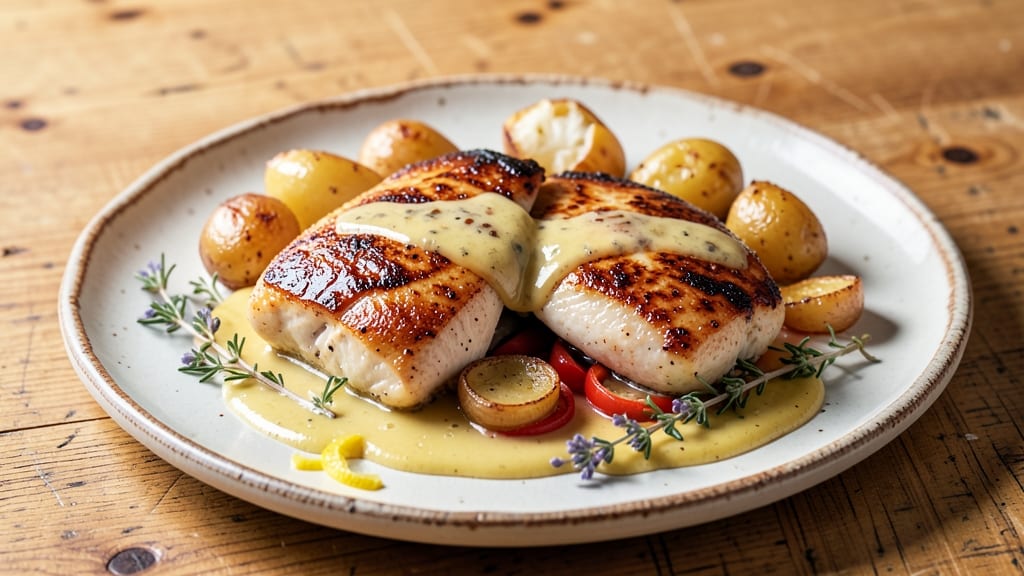
Mastering Ina Garten's chicken Française means achieving that signature buttery, lemon-kissed elegance that makes weeknight dinners feel like a restaurant experience. The key lies in the velouté sauce—rich, velvety, and perfectly balanced between butter's richness and lemon's bright acidity.
I've refined this technique over years of cooking, ensuring the chicken stays tender and golden while the sauce clings effortlessly.
This recipe transforms simple ingredients into something extraordinary through precise timing and technique. You'll start with pan-seared chicken breasts, creating a golden crust before gently poaching them in the velouté sauce.
The sauce itself is where the magic happens: a foolproof blend of butter, flour, cream, and chicken stock that develops depth as it simmers. Herbs like thyme and parsley add subtle layers of flavor without overpowering the dish.
What you'll end up with is a plate that looks as impressive as it tastes—juicy, perfectly cooked chicken nestled in a glossy, buttery sauce, finished with a squeeze of lemon and fresh herbs.
The balance of flavors is what makes this dish so special: rich yet bright, creamy yet light. It's the kind of recipe that feels like a celebration, even on a regular Tuesday night.
The best part? This method scales beautifully, whether you're cooking for two or feeding a crowd. Once you master the technique, you'll find yourself reaching for this recipe again and again. Let's get started on creating your own restaurant-quality chicken Française.
Ingredients for ina garten chicken francaise
Twelve ingredients transform into Ina Garten's signature buttery, lemon-kissed chicken Française masterpiece.
| Ingredient | Amount | Notes |
|---|---|---|
| Boneless, Skinless Chicken Breasts 🍗 | 1 ½ lb | Pounded to even thickness for uniform cooking |
| Unsalted Butter 🧈 | ¾ cup | Cold, cut into 1-inch cubes for sauce |
| All-Purpose Flour 🌾 | ¼ cup | Sifted for smooth sauce consistency |
| Heavy Cream 🥛 | 1 cup | Full-fat for optimal richness |
| Chicken Stock 🍲 | 1 ½ cups | Homemade preferred, low-sodium |
| Fresh Lemon Juice 🍋 | ½ cup | From 2-3 lemons, freshly squeezed |
| Fresh Thyme Leaves 🌿 | ¼ cup | Stems removed, finely chopped |
| Fresh Parsley Leaves 🌿 | ¼ cup | Curly or flat-leaf, chopped |
| Garlic Cloves 🧄 | 4 cloves | Minced for aromatic depth |
| Diamond Crystal Kosher Salt 🧂 | 1 ½ tsp | For seasoning, adjust to taste |
| Freshly Ground Black Pepper 🌶️ | ½ tsp | Cracked peppercorns preferred |
| Extra-Virgin Olive Oil 🫒 | 2 tbsp | For initial searing |
| Lemon Zest 🍋 | 1 tbsp | From 1 lemon, finely grated |
The chicken breasts are the foundation, and quality matters here. Opt for free-range or organic if possible, as the flavor difference is noticeable. Pounding them to an even ½-inch thickness ensures perfect, even cooking. For the butter, Plugrá or Land O'Lakes unsalted are excellent choices—avoid salted as it can alter the sauce's balance. The chicken stock should be homemade if possible, as store-bought varieties often contain added salt. Whole Foods Market or Trader Joe's carry high-quality options, but even a good-quality low-sodium version works in a pinch. Fresh herbs are non-negotiable; dried simply won't provide the same aromatic depth.
No fresh thyme? Dried thyme at one-third the amount works, but the flavor will be more subdued. Substituting heavy cream with half-and-half reduces richness slightly, though the dish will still be delicious. For the lemon juice, bottled lemon juice can be used in a bind, but fresh is always superior. The garlic can be pre-minced from a jar, though freshly minced is ideal. If you're short on time, pre-minced garlic from the refrigerated section is a good compromise. The olive oil should be lightly flavored—avoid strong, peppery varieties that can overpower the delicate sauce.
The chicken breasts should be used within 2 days of purchase for optimal tenderness. Store them in the coldest part of the fridge, wrapped in a paper towel to absorb any moisture. The butter can be kept at room temperature in a cool, dark place for up to 3 weeks, though it's best used within a week for peak flavor. Fresh herbs should be stored in a sealed container with a damp paper towel, wrapped in plastic wrap, and kept in the refrigerator for up to 5 days. The sauce components—cream, stock, and lemon juice—can be prepped ahead and refrigerated separately for up to 2 days before combining.
Why You'll Love This Recipe
- I’ll be real: most chicken dishes turn into sad rubber the next day. Not this one. The creamy stock base keeps it moist, and I’ve reheated slices straight from the fridge with zero complaints. Bonus? It’s cheap enough to make twice in a row.
- Pantry-Friendly Magic: I swear by this recipe because it uses what I already have—no fancy ingredients, just butter, flour, and cream transforming simple chicken into something restaurant-worthy. The secret? That quick flour-butter sear locks in juiciness before the creamy sauce does its work.
- Creamy Crisp Perfection: Here’s what sold me—the crispy golden crust from the butter-flour coating gives way to a velvety cream sauce that’s dangerously good. It’s the kind of dish where every bite feels like a hug for your taste buds, and honestly? That’s rare in weeknight cooking.
- Weeknight to Dinner Party: Between us, this is my go-to for both Taco Tuesdays and when Aunt Karen drops by unannounced. The sauce thickens beautifully, so it’s forgiving whether I’m feeding two or six. (Yes, even on a Tuesday night.)
Step-by-step instructions for Ina Garten's chicken Française
Master this classic technique for tender, lemon-poached chicken with a velvety sauce that clings perfectly.
Prepare the Chicken for Even Cooking
Place the 1.5 lb boneless, skinless chicken breasts between two sheets of plastic wrap. Using a meat mallet, pound them to an even ½-inch thickness throughout. This ensures uniform cooking and prevents dryness in the center. Season both sides generously with 1.5 tsp diamond crystal kosher salt and 0.5 tsp freshly ground black pepper, pressing the seasoning into the meat.
Heat 2 tbsp extra-virgin olive oil in a large skillet over medium-high heat until shimmering. Add the chicken and cook for 3-4 minutes per side until golden brown and cooked through to an internal temperature of 165°F. The chicken should release easily from the pan when ready. Transfer to a plate and tent loosely with foil to keep warm.
Build the Lemon-Thyme Base
Reduce heat to medium and add the 0.75 cup cold unsalted butter to the same skillet. Allow it to melt completely, then add the 4 minced garlic cloves and cook for 30 seconds until fragrant—don't let it brown. Stir in the 0.25 cup sifted all-purpose flour and cook for 1 minute to remove any raw taste.
Gradually whisk in the 1.5 cups chicken stock and 0.5 cup fresh lemon juice, scraping up any browned bits from the bottom of the pan. Add the 0.25 cup finely chopped fresh thyme leaves and 1 tbsp lemon zest. Bring to a gentle simmer and cook for 5 minutes until slightly thickened. The sauce should coat the back of a spoon but still be pourable.
Finish with Cream and Herbs
Remove the skillet from heat and gently whisk in the 1 cup heavy cream. Return to low heat and simmer for 2-3 minutes until the sauce thickens slightly. The mixture should coat a spoon but remain silky smooth. Taste and adjust seasoning with additional salt or pepper if needed.
Return the chicken to the skillet, spooning the sauce over the top. Let it simmer gently for 2 minutes to heat through completely. Stir in the 0.25 cup chopped fresh parsley leaves just before serving to maintain their bright color and fresh flavor. The sauce should cling beautifully to the chicken without being overly thick.
Plate with Restaurant-Quality Presentation
Using two forks, carefully transfer the chicken to warmed plates, allowing some sauce to pool underneath. The chicken should be perfectly tender with a golden crust, and the sauce should have a glossy sheen with visible lemon zest and herbs. Serve immediately with steamed vegetables or buttery egg noodles to soak up the rich sauce.
This technique ensures the chicken remains moist while developing a delicate crust, and the sauce achieves that signature velvety texture that makes Chicken Française so special. The balance of lemon, thyme, and cream creates a bright yet rich flavor profile that's both elegant and approachable.
Pro Tips For Making Ina Garten Chicken Francaise
- Sear Before Browning: The French sauce needs something to cling to—skip the direct browning step and sear your chicken first in a hot pan with a knob of butter. I used to rush this, and the sauce would just slide off like it was on a nonstick surface. Two minutes per side until golden? That’s your foundation.
- Whisk the Cream Cold: Heavy cream straight from the fridge tempers the sauce better than room-temp. I learned this the hard way when my sauce curdled mid-simmer—now I add it slowly while stirring like my life depends on it. A splash of ice-cold stock helps too if it looks like it’s fighting back.
- Deglaze with Stock, Not Water: That browned butter and chicken bits on the pan? That’s flavor gold. Splash in chicken stock (not water) and scrape like you’re trying to win a prize. Water just dilutes the sauce; stock adds depth. I used to cut corners here, and the dish tasted flat—don’t be lazy.
- Strain the Sauce Later: The French sauce is supposed to be silky, not lumpy. Let it simmer until thickened, then strain it through a fine-mesh sieve into a clean bowl. Yes, it’s an extra step, but the difference between a restaurant-worthy sauce and one that looks like it was made in a blender is night and day.
Make-ahead tips for leftovers
Prep Ahead Sauce
Make the velouté sauce up to 2 days in advance and store it in an airtight container in the fridge. When ready to serve, simply reheat it gently over low heat with the chicken added at the end.
I often prep this sauce on Sunday for a stress-free weeknight dinner. Just remember to fold in fresh herbs like parsley right before serving to keep their vibrant color and bright flavor. 💫
Chicken Prep Day Before
Pound and season the chicken breasts the night before, then store them in the fridge uncovered on a wire rack. This drying technique creates a better sear the next day. Wrap them loosely in plastic wrap and refrigerate for up to 24 hours.
When you're ready to cook, simply pat them dry with paper towels before searing to ensure maximum crispiness. This is a game-changer for restaurant-quality results at home. 🍗
Herb Prep Shortcut
Chop all your fresh herbs—thyme and parsley—up to 3 days ahead and store them in small glass jars filled with water, covered with plastic wrap, and refrigerated. This mimics how florists store cut flowers, keeping them fresh longer.
I keep these jars in the fridge door for easy access when cooking. Just drain and pat dry before using in the sauce. 🌿
Make-Ahead Plating
For a truly stress-free dinner, assemble the complete dish up to 1 hour ahead. Keep the chicken and sauce warm in a 200°F oven while you prepare sides. When ready to serve, simply transfer to plates and garnish with fresh lemon zest and herbs.
The sauce will stay warm and cling beautifully to the chicken during this time. This is perfect for dinner parties where you want to spend more time with guests than in the kitchen. ✨
Freezer-Friendly Components
While the complete dish doesn't freeze well, you can freeze individual components separately. Store the cooked chicken in a single layer on a tray before transferring to a freezer bag for up to 3 months.
The sauce can be frozen in ice cube trays for easy portioning—just thaw and reheat as needed. When ready to serve, simply reheat the chicken and sauce separately, then combine just before plating. 🧊
Leftovers Strategy
If you have leftovers, store them in the fridge for up to 3 days in an airtight container. Reheat gently in a skillet over medium-low heat with a splash of water or chicken stock to prevent drying.
I often use leftovers for sandwiches or wraps the next day—the sauce makes an excellent filling when paired with crusty bread. Just add a squeeze of fresh lemon to revive the flavors. 🍞
Nutrition facts
Frequently asked questions
Can I substitute heavy cream with something lighter?
The velouté sauce relies on heavy cream for its signature richness, but you can use half-and-half in a pinch—just expect a slightly lighter texture. For a dairy-free option, coconut cream works well, though it adds a subtle sweetness. The sauce will still cling beautifully to the chicken, though the depth of flavor will differ slightly.
Why does the sauce sometimes split or curdle?
Sauce splitting usually happens when the cream is added too quickly or the heat gets too high. Always whisk the cream in gently off the heat, then return to low heat to temper it. If it curdles, strain the sauce through a fine-mesh sieve to remove lumps before serving. A splash of cold chicken stock can also help restore smoothness.
How do I adjust this recipe for a crowd?
Double the ingredients and use a large, heavy-bottomed pot to maintain even heat. Cook the chicken in batches to avoid overcrowding, and keep the finished pieces warm in a 200°F oven while you complete the sauce. For serving, use a chafing dish to keep everything warm and saucy. This method scales perfectly for 8-10 servings with minimal extra effort.
What's the best way to reheat leftovers?
Reheat gently in a skillet over medium-low heat with a splash of chicken stock or water to prevent drying. Avoid microwaving, as it can make the sauce grainy. For extra richness, add a pat of cold butter at the end and stir until melted. A squeeze of fresh lemon brightens the flavors beautifully.
Can I use store-bought chicken stock instead of homemade?
Yes, but choose a low-sodium version to control the seasoning. Brands like Pacific Foods or Kirkland Signature work well. If the stock tastes too salty, dilute it with a little water or add extra lemon juice to balance the flavors. Fresh herbs will still elevate the dish significantly.