
Sauces & Condiments
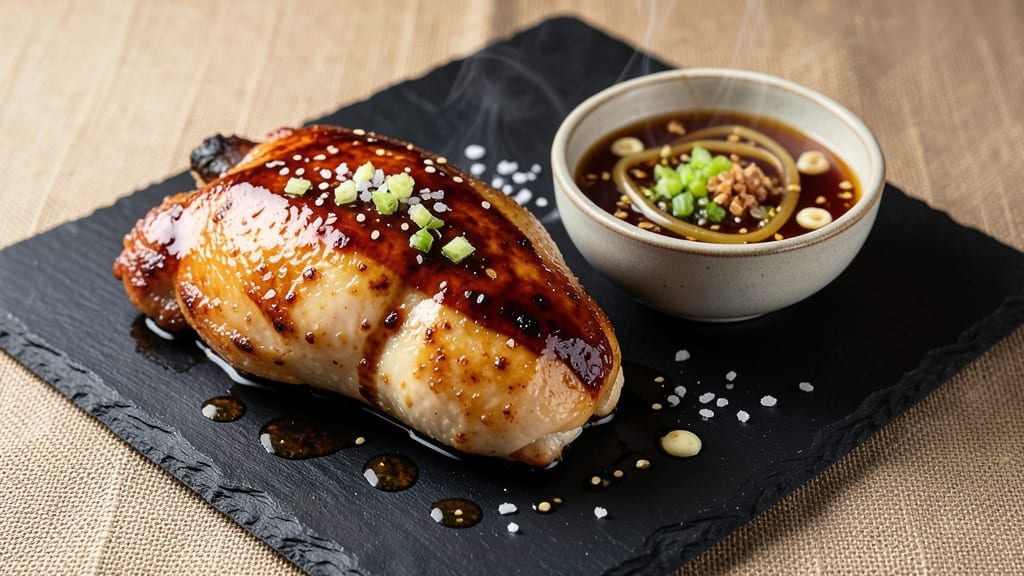
This hibachi chicken marinade recipe transforms ordinary chicken into a smoky-sweet umami masterpiece that’ll have your grill sizzling with restaurant-quality flavor.
The secret lies in balancing soy sauce's depth with honey's caramel notes, while garlic and ginger add aromatic complexity—all enhanced by a touch of sesame oil for that signature hibachi aroma. I've perfected this marinade over countless grill sessions, and it never fails to deliver juicy, flavor-packed chicken every time.
The beauty of this marinade is its versatility—it works equally well for grilling, pan-searing, or even as a glaze when reduced.
Just combine simple pantry staples like soy sauce, honey, garlic, and ginger in a bowl, then let the chicken soak up those bold flavors for at least 30 minutes (or overnight for maximum penetration). The result?
Chicken with a caramelized crust and tender, flavorful meat that'll have everyone asking for seconds.
What sets this marinade apart is how it builds layers of flavor without overpowering the natural taste of the chicken. The soy sauce provides that essential umami base, while the honey adds just enough sweetness to balance the heat.
Garlic and ginger infuse the meat with aromatic warmth, and a splash of sesame oil ties everything together with that unmistakable hibachi essence. It's the kind of marinade that elevates simple grilled chicken into something truly special.
Store any leftover marinade in an airtight container in the refrigerator for up to 5 days, or freeze it for longer storage. The flavors actually deepen over time, making this an ideal marinade to prep ahead for your next cookout.
Whether you're grilling for a crowd or just treating yourself to a weeknight dinner, this hibachi chicken marinade delivers professional results with minimal effort.
Ingredients for hibachi chicken marinade
Six pantry staples plus three aromatic fresh ingredients. That's all it takes for restaurant-quality hibachi flavor.
| Ingredient | Amount | Notes |
|---|---|---|
| Soy Sauce 🍶 | ½ cup | Low-sodium preferred for balance |
| Honey 🍯 | ⅓ cup | Wildflower for floral depth |
| Garlic Cloves 🧄 | 6 cloves | Peeled, minced for aromatic punch |
| Fresh Ginger 🌿 | ¼ cup | Finely grated, not powdered |
| Sesame Oil 🫒 | 1 tbsp | Toasted sesame preferred |
| Brown Sugar 🍚 | 2 tbsp | Light or dark, packed |
| Rice Vinegar 🍶 | 1 tbsp | For brightness, not balsamic |
| Ground Black Pepper 🌶️ | ½ tsp | Freshly cracked for heat |
| Sea Salt 🧂 | 1 tsp | Fine grain for even seasoning |
| Sriracha Sauce 🌶️ | 1 tbsp | Optional for subtle heat |
The soy sauce is your umami foundation—Kikkoman or La Choy if you want reliability, but any good-quality brand works. Fresh ginger and garlic are non-negotiable here (the powdered stuff just won't cut it). Look for ginger with tight, smooth skin—that's your freshness indicator. Sesame oil? Toasted sesame oil from the Asian aisle has that nutty depth you can't get from regular. Pro tip: Buy ginger in small amounts and freeze what you won't use within a week—it keeps perfectly that way. The honey should be liquid at room temperature (wildflower or clover work best), and the brown sugar adds that caramelized crust you get from hibachi grills.
No sesame oil? A splash of toasted sesame seeds (1 tsp) stirred in at the end mimics the aroma. Short on ginger? Double the garlic—it's close, but not identical. The rice vinegar can be swapped for apple cider vinegar in a pinch (same acidity, different flavor). Sriracha optional but worth it if you love that subtle kick. For extra umami, add 1 tsp fish sauce (trust me, it disappears into the flavor). The marinade's magic happens when the honey and soy sauce caramelize—don't skip the 30-minute minimum marinade time (overnight is even better). If you're using this as a glaze, reduce it by simmering uncovered for 5-7 minutes until syrupy.
This marinade keeps for 5 days in the fridge, sealed tight in a jar. The flavors actually get better over time—make extra for your next cookout. For freezing, portion into ice cube trays (great for single use), then transfer to a bag. Thaws in minutes under cold water. Use within 3 months for best flavor. Leftovers? Brush on grilled veggies or drizzle over rice—it's that versatile. And if you're wondering about the soy sauce's sodium? Rinse the chicken after marinating to cut back if needed.
Why You'll Love This Recipe
- Five-Ingredient Magic: I swear by this combo—just soy sauce, honey, garlic, ginger, and sesame oil. That’s it. No fancy pantry items, no last-minute grocery runs. My kids can measure it out while I chop (or don’t, if we’re honest).
- Sticky-Sweet Crunch: The honey caramelizes into a glossy glaze while the garlic and ginger pack a punch. Grill it, pan-sear it, or broil it—you get that crispy edge with the creamy center. My husband licks the plate. (Yes, even on a Tuesday night.)
- Weeknight to Party: Same marinade works for quick stir-fries or fancy dinner parties. Slather it on chicken thighs for weeknight dinners or toss it with tofu for a vegetarian crowd. Honestly, I’ve used it on everything from skewers to rice bowls—and no one’s ever questioned me.
- Marinade Leftovers Rule: Make a double batch—this stuff keeps for weeks in the fridge. Use it twice on chicken, then dump the rest on veggies or noodles. Between us, I’ve had it last me through three meals without getting tired. Budget-friendly? More like budget hero.
Step-by-step instructions for hibachi chicken marinade
Here's how to blend this smoky-sweet marinade that transforms ordinary chicken into hibachi-worthy perfection.
Mince the Garlic and Grate the Ginger
Start by peeling the 6 cloves garlic and mincing them finely—you want tiny pieces that dissolve completely into the marinade. I like to use the flat side of my chef's knife for this, pressing down firmly to create a paste. Next, peel and finely grate the 0.25 cup fresh ginger, using the small holes of a box grater. The goal here is to maximize surface area so these aromatics infuse deeply into the chicken.
Real talk: If you use pre-minced garlic or powdered ginger, you'll miss that fresh, bright punch that makes this marinade special. The fresh ginger adds a zesty kick that balances the sweetness perfectly. Set these aside in a small bowl while you prepare the wet ingredients.
Combine Wet Ingredients in a Bowl
In a medium mixing bowl, pour in the 0.5 cup soy sauce and 0.33 cup honey. Stir them together until the honey dissolves completely—this usually takes about 30 seconds with a whisk. The mixture should look smooth and slightly syrupy. Next, add the 1 tablespoon rice vinegar and 1 tablespoon sesame oil, whisking gently to combine.
Here's the thing—adding the vinegar first helps balance the sweetness of the honey while the sesame oil adds that nutty depth that's essential for authentic hibachi flavor. If you notice the honey isn't dissolving completely, warm the mixture slightly over low heat (just until it liquefies), then cool before proceeding.
Add Sweetness and Spice
Stir in the 2 tablespoons brown sugar, making sure it dissolves completely into the mixture. This is where the marinade starts to develop its signature caramelized sweetness. Add the minced garlic, grated ginger, 1 teaspoon sea salt, and 0.5 teaspoon ground black pepper, stirring well to distribute everything evenly.
For extra heat (if you're feeling adventurous), now's the time to add the 1 tablespoon sriracha sauce. I find this optional step adds just enough spicy kick to make the marinade truly dynamic. The spices should be fully incorporated, with no visible streaks of powder remaining. If the mixture looks too thick, add 1-2 tablespoons water to reach a pourable consistency.
Marinate the Chicken Properly
Place your chicken pieces (typically 4 boneless thighs or breasts) in a resealable plastic bag or shallow dish. Pour the marinade over the chicken, making sure each piece is thoroughly coated. Seal the bag or cover the dish and refrigerate for at least 4 hours, but I recommend marinating overnight for maximum flavor penetration.
Don't skip this step—proper marinating time ensures the chicken absorbs all those beautiful flavors. If you're short on time, you can marinate for just 2 hours, but the flavor won't be as deep. When you're ready to cook, remove the chicken from the marinade (reserve the marinade for basting) and pat it dry with paper towels before cooking for that perfect sear.
Pro Tips For Making Hibachi Chicken Marinade
- Mince the Ginger Fine: Fresh ginger loses its punch when it’s just chopped—grate it instead. The smaller surface area means it dissolves into the marinade evenly, giving you that bright, zesty kick without any surprise chunks (yes, even if you’re impatient like me).
- Balance Honey and Soy: Start with equal parts honey and soy sauce, then taste. If it’s too sweet, add a splash more soy; if it’s too salty, drizzle in honey. My first batch was cloyingly sweet—I learned this the hard way.
- Marinate for 30 Minutes: Any longer and the chicken gets mushy; less than 20 and the flavors won’t stick. Set a timer, cover it, and let it sit—this isn’t the kind of recipe where you can rush.
- Toast the Garlic: Smash the cloves first, then pan-toast them lightly in sesame oil until fragrant. It takes 30 seconds but makes the marinade taste like a restaurant, not a shortcut. (Your future self will notice.)
Make-ahead tips for this recipe
Marinade Prep Ahead
Make this marinade up to 5 days in advance and store it in an airtight container in the refrigerator. The flavors actually deepen over time, so it's perfect for meal prep.
I like to portion it into small glass jars (like Mason jars) for easy grab-and-go use during the week. Just shake it up before using—no need to wait for it to sit at room temperature. 💡
Chicken Prep Timeline
For maximum flavor, marinate the chicken overnight (up to 24 hours). If you're short on time, even 4 hours will give you great results. I recommend using a resealable plastic bag or a shallow dish with a lid to keep the chicken submerged.
Pro tip: Place the chicken and marinade in a ziplock bag, seal it tightly, and refrigerate it. This prevents spills and ensures even coating. ✨
Freezing for Later Use
Freeze any leftover marinade in ice cube trays for single-use portions. Once frozen, transfer the cubes to a freezer bag and flatten to save space. Thaw in the refrigerator overnight or use directly from frozen in a slow cooker or grill for deep, caramelized flavors.
For chicken, thaw the marinade first, then marinate the chicken for at least 2 hours before cooking. ❄️
Double Batch for Efficiency
Make a double batch of this marinade and freeze half for your next cookout. I always do this because hibachi chicken is a crowd-pleaser, and having the marinade ready means less stress on game day.
Store the extra in a freezer-safe container or ziplock bag, labeling it with the date. When you're ready to use it, thaw it in the fridge overnight. 💪
Reviving Leftover Marinade
If your marinade has separated or looks cloudy after refrigeration, simply whisk it vigorously to recombine. The flavors are still there—the separation is just from the natural oils in the ingredients. For extra richness, add 1 teaspoon toasted sesame seeds or ½ teaspoon fish sauce to revive it.
This works especially well if you've used it as a glaze and want to repurpose it for another batch of chicken. 🌟
Chicken Storage Tips
After marinating, store the chicken in its marinade in the refrigerator for up to 2 days before cooking. For longer storage, transfer the chicken to a freezer bag with the marinade, leaving 1 inch of headspace for expansion.
Label with the date and freeze for up to 3 months. When ready to cook, thaw in the fridge overnight, then pat dry before cooking for the best sear. 🍗
Nutrition facts
Frequently asked questions
Can I use this marinade for other proteins besides chicken?
This hibachi-inspired marinade works beautifully with shrimp, salmon, or even tofu. The soy-honey base adds umami depth to seafood, while the ginger and garlic complement plant-based proteins perfectly. For shrimp, marinate for 30-60 minutes (they cook faster), and for salmon, 2-4 hours ensures maximum flavor penetration.
How do I fix a marinade that's too thick or separated?
If your marinade has thickened, whisk in 1-2 tablespoons water or rice vinegar to loosen it. For separation (like oil floating on top), simply stir vigorously—this is normal with sesame oil and won't affect flavor. For extra richness, add ½ teaspoon fish sauce or 1 teaspoon toasted sesame seeds to revive it before using.
Can I use this marinade as a glaze instead?
Yes! Simmer the marinade uncovered in a saucepan over medium-high heat for 5-7 minutes until reduced by half and syrupy. Brush this glaze on grilled chicken during the last 3-5 minutes of cooking for a caramelized finish. For extra shine, add 1 teaspoon honey at the end of reduction.
Is it safe to reuse leftover marinade?
Never reuse marinade that's touched raw chicken unless you boil it first for 5 minutes to kill bacteria. For safety, reserve ¼ cup marinade before adding it to chicken, then use this reserved portion for basting or glazing. The rest should be discarded after marinating raw meat.
What's the best way to store extra marinade?
Store leftover marinade in an airtight container in the fridge for up to 5 days, or freeze in ice cube trays for single-use portions. Portion into Mason jars for easy grab-and-go use. When thawing, shake well to recombine separated ingredients—no need to wait for it to sit at room temperature.