
Main Courses
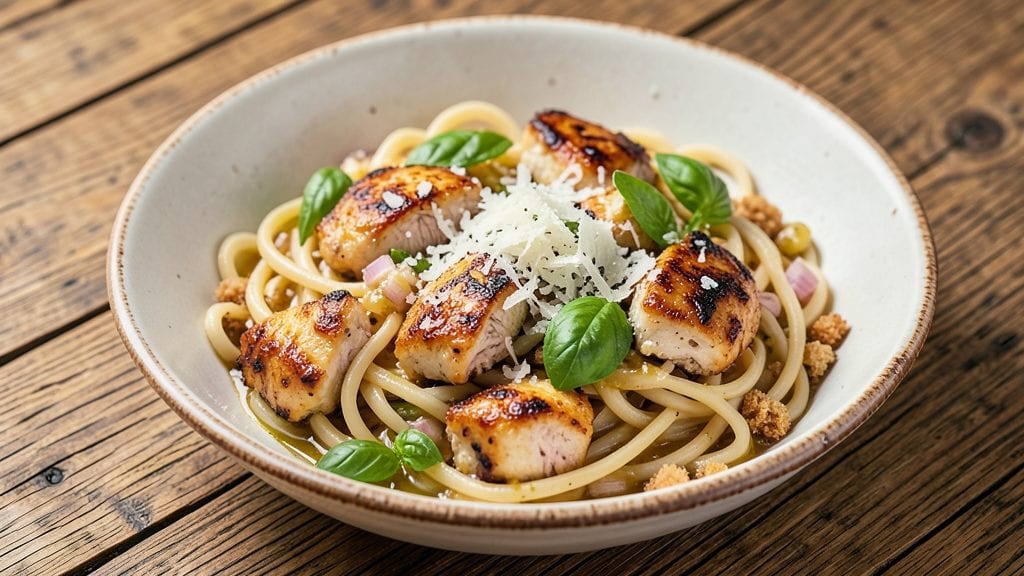
Grandma’s chicken spaghetti recipe is the kind of meal that transforms a busy weeknight into a comforting family dinner—creamy, hearty, and packed with that homemade flavor you can’t find anywhere else.
Growing up in small-town Georgia, this was the dish that always appeared when my grandma knew we’d had a long day; the scent of simmering tomatoes and garlic filled the house before the table was even set.
What makes it special isn’t just the combination of tender chicken, al dente pasta, and rich sauce, but the way it brings everyone together without requiring hours in the kitchen.
The beauty of this recipe lies in its simplicity and flexibility—one pan, minimal cleanup, and a method that’s foolproof whether you’re cooking for two or feeding a crowd.
I’ve refined it over years of testing, keeping Grandma’s original techniques while adding modern shortcuts like browning chicken in a skillet instead of frying it separately. The sauce builds flavor gradually, so you don’t need to stand over the stove; just let it simmer while you boil the pasta.
That’s the magic of a dish built on tradition but designed for today’s busy lives.
By the time you’re done, you’ll have a plate that looks and tastes like it came from a family gathering—golden-brown chicken, perfectly cooked spaghetti, and a sauce so rich it coats every bite. The secret?
A splash of red wine in the sauce (Grandma’s trick) and letting it reduce until it’s thick enough to cling to the pasta without being gluey. It’s the kind of meal that tastes even better the next day, making it perfect for leftovers or meal prep.
Serve it with garlic bread and a simple salad, and you’ve got a full spread that feels like a hug on a plate.
Whether you’re recreating a childhood memory or creating a new family tradition, this recipe delivers restaurant-quality comfort food with minimal effort. The best part? It’s adaptable—swap the wine for broth if you prefer, or use air-fried chicken for a lighter twist.
Let’s get cooking, and remember: the best meals are the ones that bring people together.
Ingredients for grandma's chicken spaghetti
Pantry staples plus a few fresh ingredients. That's all you need for Grandma's legendary one-pan dinner.
| Ingredient | Amount | Notes |
|---|---|---|
| Boneless, Skinless Chicken Thighs 🍗 | 1 ½ lb | Cut into bite-sized pieces |
| Spaghetti 🍝 | 12 oz | Or 1 lb dried spaghetti |
| Unsalted Butter 🧈 | 4 tbsp | Full-fat for best flavor |
| Garlic Cloves 🧄 | 4 cloves | Minced for rich aroma |
| Shallots 🧅 | 2 whole | Finely chopped, or sub onion |
| Dry Red Wine 🍷 | ½ cup | Cabernet Sauvignon works best |
| Canned Crushed Tomatoes 🍅 | 15 oz | High-quality San Marzano preferred |
| Heavy Cream 🥛 | ½ cup | Full-fat for creamy texture |
| Parmesan Cheese 🧀 | ½ cup | Freshly grated from block |
| Dried Oregano 🌿 | 1 tsp | Or 1 tbsp fresh chopped |
| Salt 🧂 | 1 ½ tsp | Kosher or sea salt |
| Ground Black Pepper 🌶️ | ½ tsp | Freshly ground preferred |
| Olive Oil 🫒 | 1 tbsp | For browning chicken |
Chicken thighs are the secret weapon here—they stay juicy while browning beautifully. Costco or Walmart usually have the best prices on bone-in, skin-on thighs, but boneless works too. Look for pieces with good marbling—those white streaks mean more flavor. The Parmesan? Grab a wedge from the deli counter—pre-grated tastes like sawdust in comparison. For the tomatoes, San Marzano cans from Trader Joe's or Whole Foods make all the difference with their sweet, rich flavor. Don't skimp on the butter either—this isn't the time for margarine or light versions.
No red wine? Substitute with extra chicken broth plus a splash of balsamic vinegar—it mimics the depth perfectly. Fresh shallots unavailable? Three times the onion works in a pinch. The oregano can be swapped for basil if you're feeling fancy, but traditionalists will want to stick with the Italian classic. For a lighter version, use half the heavy cream and add Greek yogurt—it still gets creamy but with more protein. And if you're prepping ahead, cook the pasta one night and make the sauce the next—it reheats beautifully.
This sauce gets better the next day—make extra and freeze portions for lazy nights. Store leftovers in the fridge for 3-4 days or freeze for up to 3 months. I always double the recipe because it's impossible to resist seconds. The pasta keeps well too—just reheat in the sauce with a splash of water. For meal prep, portion into containers with sauce—it's like having restaurant-quality takeout at home.
Why You'll Love This Recipe
- No Fuss, Big Payoff: I swear by this recipe because it’s the kind of meal that lets you multitask—chicken thighs brown in the same pan while you chop shallots, and the butter pools into golden pools that make everything taste richer. Honestly, I’ve made it while watching a movie, and it still comes out spot-on.
- Butter-Garlic Magic: That moment when you pull the pan off the heat and the aroma hits? The butter-basted chicken thighs with shallots and garlic create this deep, savory punch that sticks to every strand of spaghetti. It’s not fancy, but it’s ridiculously good—like a hug in a bowl.
- Leftovers That Don’t Suck: Between us, most spaghetti leftovers are sad. Not this one. The sauce clings to the pasta and chicken, so reheating it is just a matter of tossing it with a splash of water and stirring. I’ve taken it to work lunches and potlucks—no one ever guessed it was made ahead.
- Budget-Friendly Crowd-Pleaser: Chicken thighs are forgiving, spaghetti is cheap, and a handful of shallots and garlic stretch the flavor further than you’d think. I’ve fed six people for under $15, and not a single complaint. It’s my go-to when I need to feed hungry teenagers or surprise company.
Step-by-step instructions for Grandma's chicken spaghetti recipe
This one-pan wonder delivers restaurant-quality flavor in under an hour—perfect for busy weeknights!
Sear the Chicken Until Golden
Cut the 1.5 lb boneless, skinless chicken thighs into bite-sized pieces. Heat the 1 tbsp olive oil in a large, deep skillet over medium-high heat until shimmering. Add the chicken in a single layer and cook undisturbed for 4-5 minutes until golden brown on one side. Flip carefully and cook another 4-5 minutes until fully cooked through and golden on all sides.
Here's the thing—don't crowd the pan. If your skillet is too small, work in batches. The chicken needs room to develop that beautiful crust. You'll know it's ready when it releases easily from the pan and the edges are golden brown. Transfer the chicken to a plate and set aside, leaving all that delicious browned chicken fat in the pan.
Build the Flavorful Base
In the same skillet (no need to clean it—those browned bits are pure flavor), reduce the heat to medium and add the 4 tbsp unsalted butter. Let it melt completely, then add the 2 finely chopped shallots and 4 minced garlic cloves. Sauté for 2-3 minutes until the shallots soften and become translucent, and the garlic releases its fragrant aroma.
Pour in the 0.5 cup dry red wine and scrape up all those browned bits from the bottom of the pan with a wooden spoon. This deglazing step captures all the concentrated chicken flavor you worked so hard to create. Let the wine simmer for 2-3 minutes until reduced by about half. You're building layers of flavor here—don't rush this step.
Simmer the Tomato-Cream Sauce
Add the 15 oz canned crushed tomatoes, 1 tsp dried oregano, 1.5 tsp salt, and 0.5 tsp ground black pepper to the skillet. Stir well to combine, then reduce the heat to low and let the mixture simmer gently for 5 minutes. This allows the flavors to meld together and the sauce to thicken slightly.
Next, stir in the 0.5 cup heavy cream and bring the mixture to a gentle simmer. Let it cook for another 3-4 minutes until the sauce thickens enough to coat the back of a spoon. Taste and adjust seasoning if needed—this is where you can really taste your work coming together. The sauce should be rich, slightly tangy from the tomatoes, and creamy from the heavy cream.
Cook the Spaghetti and Combine
While the sauce simmers, bring a large pot of salted water to a rolling boil. Add the 12 oz spaghetti and cook according to package instructions until al dente—about 1 minute less than recommended. Reserve 1 cup of the pasta water before draining.
Add the cooked spaghetti to the skillet with the sauce and chicken. Toss everything together gently, adding splashes of the reserved pasta water as needed to loosen the sauce and coat the pasta evenly. The starchy pasta water helps create that perfect creamy consistency without thinning the sauce too much. Cook for an additional 2-3 minutes to let all the flavors meld together completely.
Finish with Cheese and Serve
Remove the skillet from heat and stir in the 0.5 cup freshly grated parmesan cheese. The cheese will melt into the sauce, creating a luxurious finish. Give it one final taste and adjust seasoning if needed—sometimes a pinch more salt or a crack of black pepper makes all the difference.
Serve immediately while the pasta is hot and the sauce is creamy. This dish tastes even better the next day, but it's so good fresh out of the pan that you might not make it that far! The chicken will be tender and juicy, the spaghetti perfectly al dente, and the sauce rich and flavorful—just like Grandma used to make. Enjoy your weeknight masterpiece!
Pro Tips For Making Grandma'S Chicken Spaghetti
- Sear the Chicken First: DESCRIPTION: After years of making this dish, I finally realized—skipping the sear means flavorless chicken. Pat those thighs dry, then hit them with a hot pan and a little butter before adding anything else. The crust locks in moisture and adds depth that no simmering alone can match.
- Mince Shallots, Don’t Dice: DESCRIPTION: I used to chop shallots roughly, thinking it looked better, but mincing them into a paste is what grandma did—and it makes a real difference. The tiny pieces dissolve into the sauce, giving it a sweeter, more complex base instead of just chunks of texture.
- Don’t Crowd the Pan: DESCRIPTION: I learned this the hard way—piling too many chicken thighs in the pan steams them instead of searing. Leave space between them, and if you’re short on pans, work in batches. Crispy edges are non-negotiable for this dish.
- Reserve the Starch: DESCRIPTION: When draining the spaghetti, save a cup of the pasta water. The starch in it thickens the sauce later without needing extra flour or butter. I skip this when I’m lazy, but the dish is noticeably better when I don’t.
Common mistakes when making great grandma's chicken spaghetti
Overcooking the Chicken
One of the biggest mistakes I see is overcooking the chicken until it’s dry and rubbery. Chicken thighs are forgiving, but they’ll turn tough if you leave them in the pan too long after they’ve reached 165°F internal temperature.
I’ve ruined many a batch by walking away and forgetting about them. The key is to remove the chicken from the pan as soon as it’s golden brown and fully cooked—usually after 8-10 minutes total of searing. Let it rest on a plate while you finish the sauce. 🍗
Skipping the Deglazing
Many home cooks miss the critical step of deglazing the pan after browning the chicken. Those browned bits—called fond—are packed with flavor that dissolves into the sauce. If you skip this, your dish will taste flat.
After removing the chicken, pour in the 0.5 cup red wine (or substitute) and scrape vigorously with a wooden spoon. Let it simmer until reduced by half before adding the tomatoes. This step is non-negotiable for depth of flavor.
Ignoring the Pasta Water
Here’s a rookie move: draining the pasta completely before adding it to the sauce. That starchy pasta water is liquid gold—it helps emulsify the sauce and creates that perfect creamy texture without thinning it too much.
Reserve 1 cup of the pasta water before draining, then add it gradually as you toss everything together. I’ve seen sauces turn gloppy because someone forgot this step entirely. It’s an easy fix that makes a huge difference.
Using Low-Quality Ingredients
Grandma’s recipe relies on quality ingredients to shine. I’ve tasted versions made with pre-grated parmesan, light butter, or cheap canned tomatoes, and they’re noticeably inferior. Splurge on San Marzano tomatoes, full-fat butter, and freshly grated parmesan from a block.
Even the chicken matters—look for pieces with good marbling. These small upgrades elevate the dish from good to extraordinary. Your taste buds will thank you.
Rushing the Sauce Simmering
Some people add the heavy cream right after the tomatoes and expect instant flavor. That’s a mistake. The sauce needs time to develop—let it simmer gently for 5 minutes after adding the tomatoes before stirring in the cream.
This allows the acidity in the tomatoes to mellow and the spices to bloom. Rushing this step means your sauce will taste raw and underdeveloped. Patience here is key to a restaurant-quality result. ⏳
Overcrowding the Pan
If your skillet isn’t large enough, don’t try to fit all the chicken in at once. Crowding steams the chicken instead of browning it, leading to pale, soggy pieces. Work in batches if needed—just transfer the first batch to a plate and repeat with the rest.
A 12-inch cast iron skillet is ideal for this recipe, but a heavy stainless steel pan works too. The goal is golden, crispy chicken, not a sad pile of undercooked meat. 🔥
Nutrition facts
Frequently asked questions
Can I use chicken breast instead of thighs?
Chicken thighs are ideal—they stay juicy and flavorful while browning. If you must use breast, cut them into small pieces and cook them 2-3 minutes less per side to avoid drying out. For extra moisture, add 1 tablespoon chicken broth to the sauce.
How do I make this dish vegetarian?
Swap the chicken for 12 oz mushrooms (cremini or portobello) or 1 block firm tofu (pressed and cubed). Sauté the mushrooms first to develop their umami flavor, then proceed with the recipe. For extra protein, add 1 cup cooked lentils or 1 can white beans at the end. The sauce will still be rich and creamy!
Why does my sauce get watery when I add the pasta?
This happens when you drain the pasta completely or don’t use enough pasta water. Always reserve 1 cup pasta water before draining, then add it gradually as you toss. The starch helps thicken the sauce naturally. If it’s still too thin, simmer uncovered for 2-3 minutes to reduce it.
Can I make this ahead of time?
Cook the sauce and chicken 1 day ahead, then refrigerate. Reheat gently on the stove, adding 2-3 tablespoons water to loosen the sauce. Cook fresh pasta separately and toss it in the reheated sauce just before serving. The flavors actually improve overnight—it’s even better the next day!
What’s the best way to serve this?
Pair it with garlic bread, a simple green salad, and a crusty baguette for soaking up sauce. For extra flair, sprinkle with fresh basil or red pepper flakes. The creamy sauce works perfectly with crusty bread—it’s like dipping into a flavor bomb!